Do Lizards Have Teeth? Here’s What’s Actually Inside Their Mouths
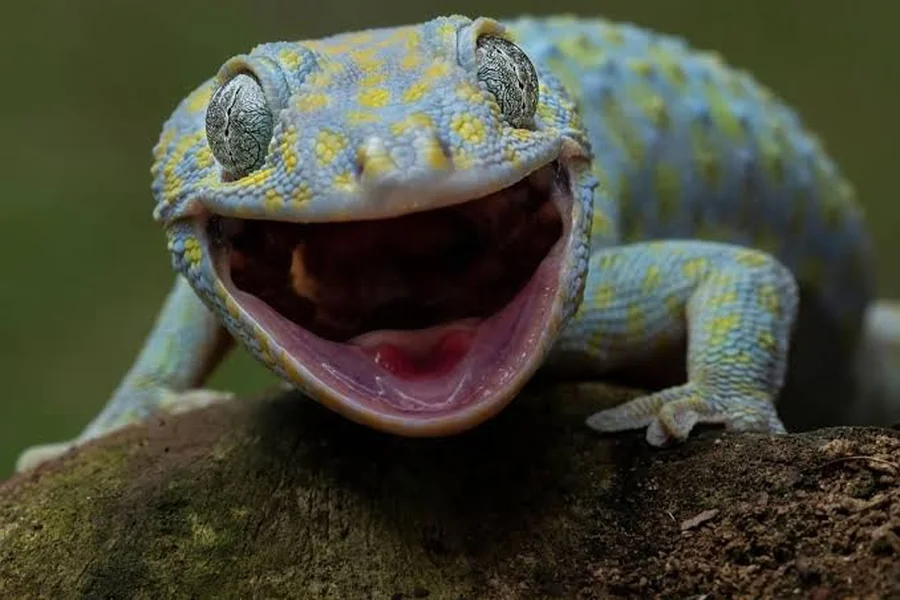
If you’ve ever wondered do lizards have teeth, you’re not alone. It’s one of those questions that sounds simple but opens up a whole world of reptile biology. The short answer is yes — most lizards do have teeth. But the longer answer is far more interesting & it depends entirely on which lizard you’re talking about.
Lizards are one of the most diverse groups of reptiles on Earth. There are over 6,000 known species. Some eat insects. Some eat plants. Some eat other lizards. Their teeth — or lack of them — reflect exactly what they eat and how they hunt.
Let’s break it all down.
Do Lizards Have Teeth?
This is the true & honest answer for do lizards have teeth?
Yes, most lizards have teeth. The type, size, and location of teeth vary widely between species. Some lizards have small, sharp teeth for gripping insects. Others have flat, crushing teeth for plant material. A few species, like the Komodo dragon, have teeth that are serrated like a steak knife.
Not all lizards have visible or functional teeth. Some species have reduced teeth or none at all.
Types of Lizard Teeth — What Science Actually Says
Here’s something most people don’t know: lizard teeth are classified by how they attach to the jawbone. There are two main types.
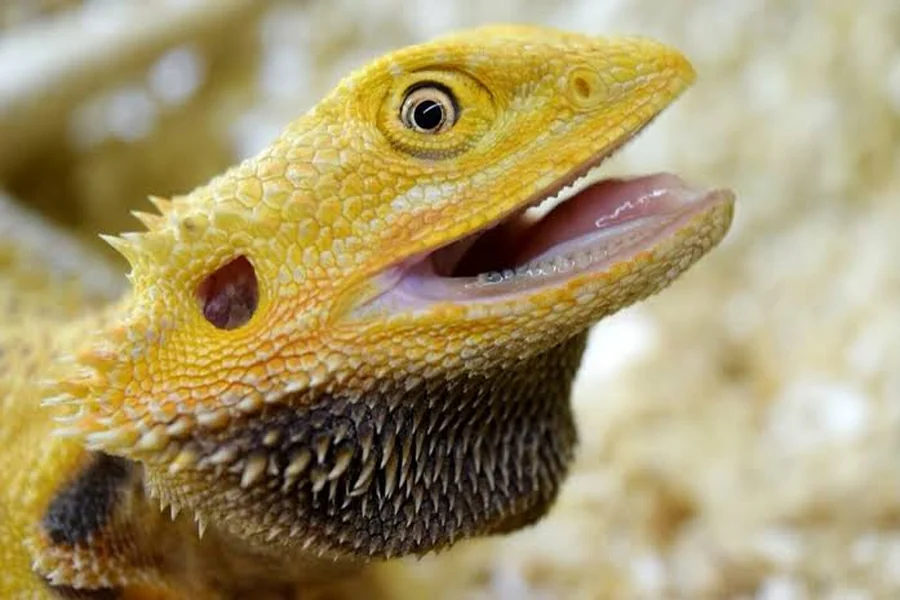
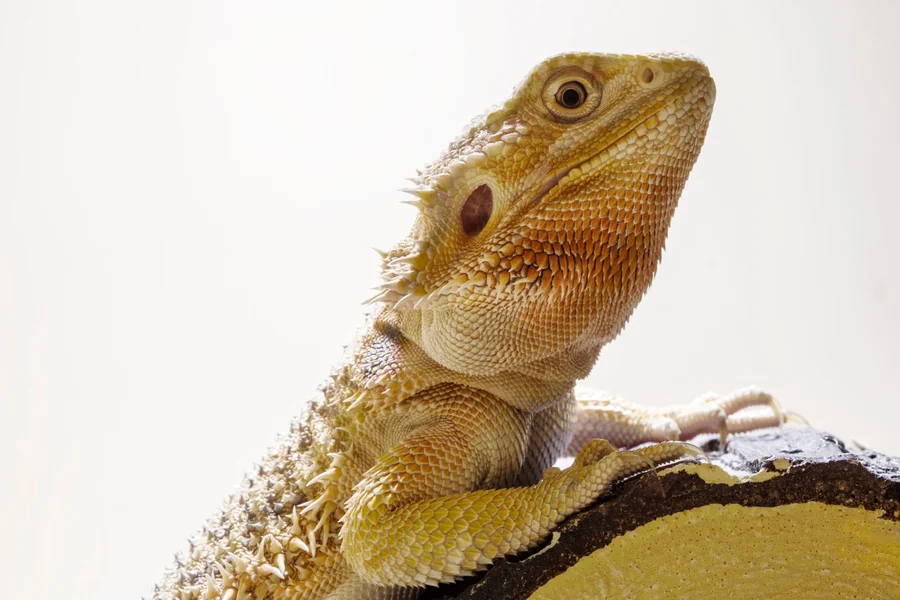
Pleurodont teeth are attached to the inner side of the jawbone. These teeth are loosely held and fall out easily. They grow back quickly too. Most common pet lizards — like bearded dragons and anoles — have pleurodont teeth.
Acrodont teeth are fused directly to the top of the jawbone. These teeth don’t fall out and don’t regrow once lost. Chameleons and agamid lizards have acrodont teeth. If they lose one, it’s gone for good.
This difference matters a lot if you own a pet lizard. A bearded dragon losing a tooth is no big deal. A chameleon losing one is a bigger problem.
Which Lizards Have the Strongest Teeth?
Not all lizard bites are equal. Here’s a comparison of some well-known species.
| Lizard Species | Tooth Type | Bite Strength | Risk to Humans |
| Komodo Dragon | Serrated, pleurodont | Very high | Dangerous — causes deep wounds |
| Monitor Lizard | Sharp, recurved | High | Can cause serious injury |
| Iguana | Small, serrated | Moderate | Can draw blood |
| Bearded Dragon | Small, pleurodont | Low | Rarely breaks skin |
| Leopard Gecko | Tiny, numerous | Very low | Almost no risk |
| Blue-Tongue Skink | Broad, flat | Moderate | Strong grip, rarely serious |
| Chameleon | Acrodont, tiny | Low | Mild pinch at most |
| Anole | Tiny, pleurodont | Very low | Barely felt |
Do All Lizards Have Teeth?
No — not all lizards have teeth. This surprises most people.
Some lizard species have evolved to eat food that doesn’t require teeth at all. Certain skink species and some other lizards have reduced dentition or very worn teeth with limited function. These lizards rely more on their tongue, jaw pressure, or swallowing whole.
That said, the vast majority of lizards do have teeth in some form. Even small species like the house gecko have rows of tiny teeth that help them grip insects before swallowing.
How Do Lizard Teeth Differ from Human Teeth?
This is where things get genuinely interesting. Human teeth and lizard teeth work on completely different systems.
Humans have two sets of teeth — baby teeth and adult teeth. Once adult teeth are gone, that’s it. We also have different tooth shapes for different jobs: incisors for cutting, molars for grinding.
Lizards don’t work like that. Most lizards with pleurodont teeth can regrow them throughout their life. They don’t have distinct tooth types in the same way humans do. Many lizards have teeth that are all roughly the same shape — called homodont dentition.
Here’s a side-by-side comparison:
| Feature | Humans | Lizards |
| Number of tooth sets | 2 (baby + adult) | Continuous replacement (most species) |
| Tooth variety | Incisors, canines, molars | Mostly uniform shape (homodont) |
| Attachment method | Rooted in sockets (thecodont) | Pleurodont or acrodont |
| Regrowth ability | None after adult teeth | Yes (pleurodont species) |
| Primary function | Chewing and processing food | Gripping and holding prey |
Do Lizards Have Teeth They Use for Venom?
It’s a very common question and a common error. Most venomous lizards don’t have fangs like snakes that they use to penetrate the skin and deliver venom.
The Gila monster, and the Mexican beaded lizard are two venomous lizard species. Featuring teeth with grooves in their lower jaw. Venom is injected into the wound through the openings in those grooves adjacent to the teeth when they bite and chew. It’s not a shot, it’s a seeping.
The Komodo dragon’s bite was believed to contain a lot of bacteria that inflicts infection. But later studies suggest that they also have venom glands in their lower jaw. Their teeth are also serrated, which inflicts huge amounts of damage on tissues.
Yes, some lizards have venom-delivering teeth. But not a clean, needle-like delivery like a venomous snake.
What Do Lizards Have Teeth Tell Us About Their Diet?
A lizard’s teeth are basically a map of what it eats. Biologists can look at tooth shape and make educated guesses about diet before even observing feeding behavior.
Sharp, pointed teeth → insect-eaters (insectivores). Think geckos and anoles.
Broad, flat, leaf-shaped teeth → plant-eaters (herbivores). Think iguanas.
Long, recurved teeth → meat-eaters (carnivores). Think monitor lizards.
Mixed tooth shapes → omnivores. Think bearded dragons, which eat both insects and vegetables.
This connection between tooth structure and diet is called dietary morphology. It’s a well-studied area of reptile biology. The teeth don’t lie.
Can a Lizard’s Bite Hurt You?
It depends on the species. Most small, commonly kept pet lizards — geckos, anoles, small skinks — can technically bite, but you’ll barely feel it. The teeth are too small to do damage.
Medium-sized lizards like bearded dragons or blue-tongue skinks have a stronger grip. A bite might pinch or even break the surface of the skin. It’s not dangerous, but it’s not pleasant either.
Large species are a different story entirely.
- Monitor lizards can cause deep lacerations. Their teeth are designed to hold onto prey.
- Iguanas have a surprisingly strong bite for their size. Their serrated teeth can cut skin easily.
- Komodo dragons are in a category of their own. A bite from a Komodo is a medical emergency.
If you handle lizards — wild or captive — knowing their tooth structure tells you a lot about the risk level.
Short Answers
| Question | Short Answer |
| Do lizards have teeth? | Yes, most lizards have teeth. Type and size vary by species and diet. |
| Can lizards bite humans? | Yes, lizards can bite. Most bites are harmless, but large species can cause injury. |
| Do geckos have teeth? | Yes, geckos have tiny teeth used mostly for gripping prey, not chewing. |
| Do iguanas have teeth? | Yes, iguanas have small, sharp teeth along their jaw edges, designed for tearing plants. |
| What kind of teeth do lizards have? | Lizards typically have pleurodont or acrodont teeth, depending on how they’re attached to the jaw. |
| Do Komodo dragons have teeth? | Yes, Komodo dragons have 60 serrated teeth that are replaced throughout their lifetime. |
| Can a lizard tooth hurt you? | Small lizards rarely cause damage. Large lizards like monitors can deliver a painful bite. |
| Do baby lizards have teeth? | Yes, most baby lizards hatch with teeth already formed and functional. |
Do Baby Lizards Have Teeth?
Yes. Most baby lizards hatch with their teeth already functional. Some hatchlings even have a temporary “egg tooth” — a small projection used to break out of the eggshell. This structure disappears shortly after hatching.
Once out of the egg, baby lizards are usually able to feed immediately. Their teeth, though tiny, are sharp enough to handle small insects right away.
Final Thoughts
So — do lizards have teeth? Yes, most of them do. And those teeth are more complex and varied than most people realize.
Lizard dentition shows an obvious story of their respective lifestyles from the minute bite of a house gecko to the serrated rows in the mouth of a Komodo dragon. Their teeth tell a story about what they eat, how they hunt and their role in the ecosystem.
When you’re a lizard pet owner, this is important to know about your lizard’s type of teeth so you can learn how your lizard feeds, the dangers from the teeth, and what to look for if you encounter a problem with your lizard’s teeth. Teeth are fascinating if you are only interested in reptiles for the sake of curiosity.
They could be straightforward. Their mouths are otherwise.
FAQs:
Q: Do lizards have teeth like humans?
A: No. Lizard teeth are simpler in shape, attached differently to the jaw, and most species can regrow them throughout life.
Q: Do house geckos have teeth?
A: Yes. House geckos have rows of very small teeth. They are too small to cause any real damage to humans.
Q: Can lizard bites get infected?
A: Yes. Any bite from an animal can introduce bacteria. Clean the wound immediately and watch for signs of infection.
Q: Do lizards bite hurt?
A: Lizard iguanas have a strong bite for their size. Their serrated teeth can break skin and cause bleeding.
Q: Do lizards have fangs?
A: Most lizards don’t have fangs. Gila monsters and Mexican beaded lizards have grooved teeth that channel venom, but these are not true fangs like those found in snakes.
Q: How many teeth does a lizard have?
A: It varies by species. Some lizards have just a few dozen teeth. Others, like monitor lizards, can have many more. Replacement teeth mean the count is always changing in pleurodont species.