
Explore Top 22 Quiet Animals in the World (With Images)
Did you know that some of the most fascinating creatures on our planet communicate without making a sound? In the realm of wildlife, Quiet Animals in the World often go unnoticed, yet they play crucial roles in their ecosystems. Understanding these silent beings not only deepens our appreciation for nature but also sheds light on the intricate ways life adapts. In this article, you’ll discover the diverse range of these quiet animals and learn why their subtle existences matter more than we might realize.
List of Quiet Animals in the World
Below is the list of silent animals in the world:
| Number of Animals | Animals that Are Quiet |
| 1 | Octopus |
| 2 | Butterfly |
| 3 | Turtles |
| 4 | Spiders |
| 5 | Rabbits |
| 6 | Worms |
| 7 | Lizards |
| 8 | Snow leopard |
| 9 | Jellyfish |
| 10 | Snakes |
| 11 | Snails |
| 12 | Crabs |
| 13 | Bat |
| 14 | Sharks |
| 15 | Giraffes |
| 16 | Sloths |
| 17 | Owls |
| 18 | Goldfish |
| 19 | Llama |
| 20 | Deer |
| 21 | Koala |
| 22 | Manatee |
Octopus
Scientific name: Octopus vulgaris
Class: Cephalopoda
Diet: Carnivore
The octopus, often regarded as a master of camouflage, possesses a surreal ability to transition through a kaleidoscope of colors and textures, effectively disappearing into its surroundings. This remarkable skill is not merely a defense mechanism against predators; it also highlights the octopus’s intricate relationship with its environment. By adjusting its appearance, it communicates with other cephalopods, conveying emotions or intentions in a silent language of hues and patterns that could rival the most vibrant artist’s palette.

Beyond their striking visual adaptations, octopuses are celebrated for their intelligence and problem-solving capabilities. They can navigate complex mazes, open jars, and even use tools — behaviors once believed to be exclusive to mammals. This cognitive prowess invites us to reconsider the boundaries of intelligence in the animal kingdom, prompting a deeper appreciation for how life’s quieter creatures possess profound wisdom and capabilities that often go unnoticed in our bustling world.
Butterfly
Scientific name: Danaus plexippus
Class: Insecta
Diet: Herbivore
Butterflies, often overlooked in their stillness, embody a profound quietude that speaks volumes in the delicate ecosystems they inhabit. With their vibrant wings fluttering silently through gardens and meadows, they serve as silent pollinators, quietly facilitating the dance of life among flowers. Each delicate landing is a testament to their role in nature, highlighting how the phenomena of beauty and existence can thrive in calmness.
Turtles
Scientific name: Testudines
Class: Reptilia
Diet: Omnivore
Turtles, often seen as the shy dwellers of aquatic and terrestrial realms, embody a unique blend of tranquility and resilience. Unlike many vibrant creatures of the wild, their quiet demeanor allows them to thrive in various ecosystems, providing a sense of calm to their surroundings. These ancient reptiles carry not just shells, but stories that span millions of years, witnessing the earth’s evolution while maintaining a steady, unhurried pace.
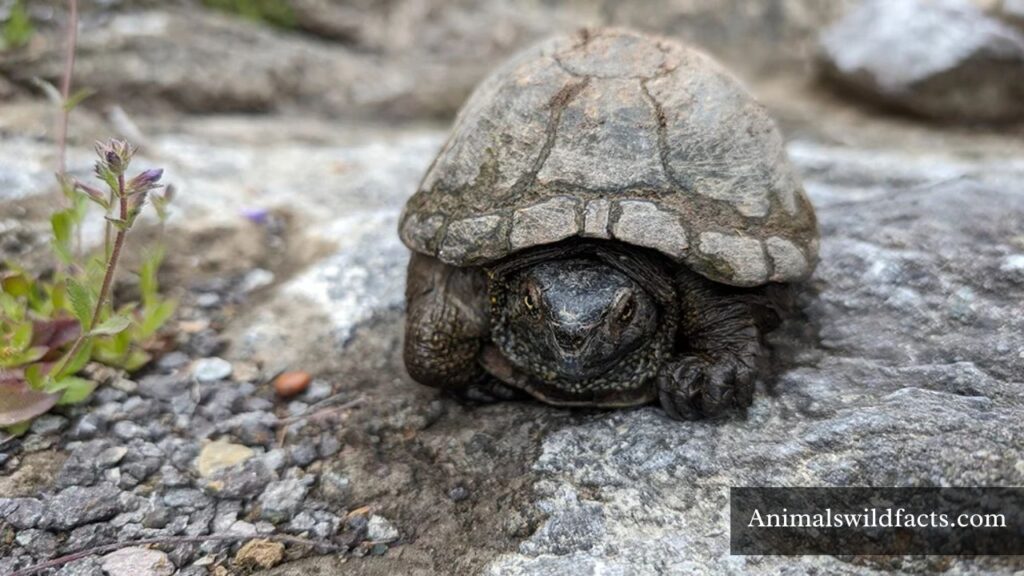
Their slow movements may lead observers to underestimate their intelligence. Turtles possess remarkable navigational skills, often traveling thousands of miles to return to their birthplaces. This instinctual drive speaks to a profound understanding of home and belonging, contrasting sharply with the chaotic speed of modern life.
Readmore: Explore Top 25 Most Energetic Animals.
Spiders
Scientific name: Araneae
Class: Arachnida
Diet: Carnivore
Spiders, often cast as the misunderstood villains of the animal kingdom, hold captivating secrets beneath their eight legs. While many fear their presence, these quiet architects create intricate webs that serve as both homes and hunting grounds. Each silk strand is a marvel of engineering, demonstrating an impressive balance of strength and elasticity, tailored to trap unsuspecting insects with utmost precision.
What’s particularly fascinating is a spider’s ability to adapt its hunting style based on its environment. Some, like the stealthy jumping spider, utilize acute vision and remarkable agility to pounce on prey rather than rely on webs. In contrast, others like orb-weavers exhibit a serene patience, waiting for their meals to become ensnared in their meticulously crafted nets. Spirited hunters or calm ambush artists, spiders embody an extraordinary resilience and diversity that enrich our ecosystems, quietly influencing the balance of nature without demanding the spotlight.
Rabbits
Scientific name: Oryctolagus cuniculus
Class: Mammalia
Diet: Herbivore
Rabbits are often overshadowed by their more vocal counterparts, yet they harbor a rich tapestry of silent communication. With their twitching noses and expressive ears, these gentle creatures convey emotions without a sound — each flick and wiggle tells a story. When a rabbit is content, it might perform a joyful leap known as a “binky,” a spontaneous display of pure bliss, illustrating that their quietude doesn’t equate to a lack of enthusiasm.

In their natural habitat, rabbits thrive on subtlety. Their muted behaviors, like grooming or nibbling on foliage, serve as both comfort and camouflage, allowing them to remain vigilant against predators. This silent existence fosters an almost meditative quality in their lives. Observing a rabbit engage in its routine can provide profound insights into the beauty of simplicity and the richness of being present in the moment. Their serene nature challenges us to appreciate life’s quieter aspects, reminding us that sometimes, the softest voices carry the deepest meanings.
Worms
Scientific name: Lumbricus terrestris
Class: Clitellata
Diet: Detritivore
Worms are nature’s unsung heroes, performing a vital role in soil health and ecosystem balance. Living largely beneath our feet, these quiet creatures are essential for breaking down organic matter, transforming it into nutrient-rich compost that supports plant life. Their unique anatomy, featuring a series of segments known as annuli, allows them to navigate through the earth with impressive agility, creating burrows that aerate the soil. This natural tilling process promotes water drainage and root growth, making worms indispensable for sustainable agriculture.
Yet, the true magic of worms lies in their symbiotic relationships with other organisms. They play host to myriad microorganisms, fostering a thriving community in the soil. By processing decaying material, they release enzymes that improve soil structure, enhancing bioavailability of nutrients for plants and microorganisms alike. In a world increasingly aware of environmental issues, recognizing the importance of these quiet yet powerful animals can shift our perspective on gardening and farming practices, steering us toward more eco-friendly approaches. Ultimately, the humble worm serves as a reminder of nature’s intricate web, where even the smallest beings can have monumental impacts.
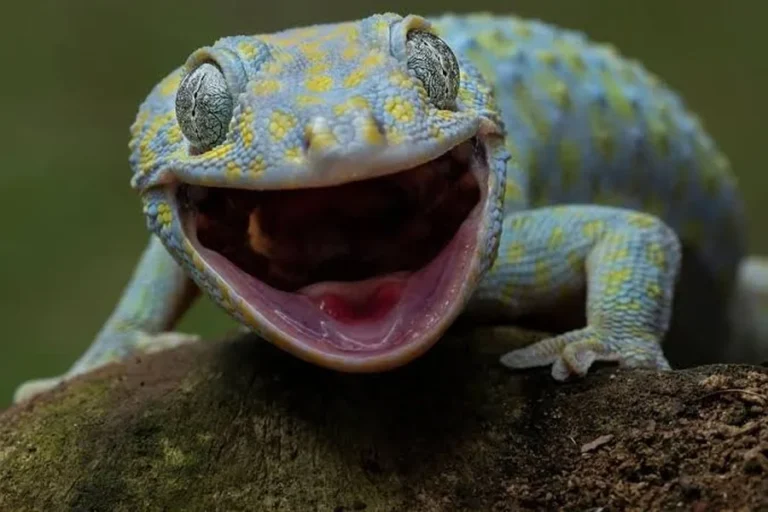
Lizards
Scientific name: Lacertilia
Class: Reptilia
Diet: Carnivore / Omnivore
Lizards are often overlooked in the realm of quiet animals, yet they possess remarkable adaptations that allow them to thrive in silence. Their physical attributes, such as the ability to blend seamlessly into their surroundings, provide them with a unique form of communication through camouflage rather than vocal sounds. This silent artistry enables them to evade predators and surprise unsuspecting prey, showcasing nature’s ingenious designs.

Moreover, many lizard species exhibit fascinating social behaviors, signaling their presence through body language and color changes rather than calls. For instance, the vibrant hues of a male anole during mating displays serve as a silent yet powerful invitation, captivating potential mates without a single sound. Observing these subtle interactions invites us to reconsider how we perceive communication in the animal kingdom, emphasizing the importance of non-verbal signals within ecosystems.
Snow leopard
Scientific name: Panthera uncia
Class: Mammalia
Diet: Carnivore
The snow leopard, often deemed the “ghost of the mountains,” captures the imagination not only for its elusive nature but also for its remarkable adaptations to one of the most inhospitable habitats on Earth. With its thick fur and long tail, this big cat is perfectly designed to navigate the rocky terrains of Central Asia, where temperatures can plummet. Its stealthy movements and silent pouncing technique have made it a master hunter, capable of taking down prey more than twice its size with astonishing precision.
Yet, beyond its physical prowess, the snow leopard embodies a deeper narrative of resilience amid a changing world. As climate change disrupts its mountainous habitat and human encroachment threatens its survival, the snow leopard stands as a symbol of conservation efforts. Organizations are working tirelessly to safeguard these magnificent creatures and their environment, highlighting the delicate balance of ecosystems that depend on their presence. Engaging with these beautiful animals inspires not just admiration but a profound responsibility to protect the wild places they inhabit.
Jellyfish
Scientific name: Aurelia aurita
Class: Scyphozoa
Diet: Carnivore
Jellyfish are fascinating creatures that float through the oceans, embodying a strange beauty. With their translucent bodies and ethereal movement, these silent, gelatinous beings are captivating yet often overlooked. They lack brains, hearts, and bones, yet they have existed for over 500 million years, adapting to their environments in remarkable ways. This longevity raises questions about resilience and survival, highlighting how these organisms navigate a world filled with challenges.
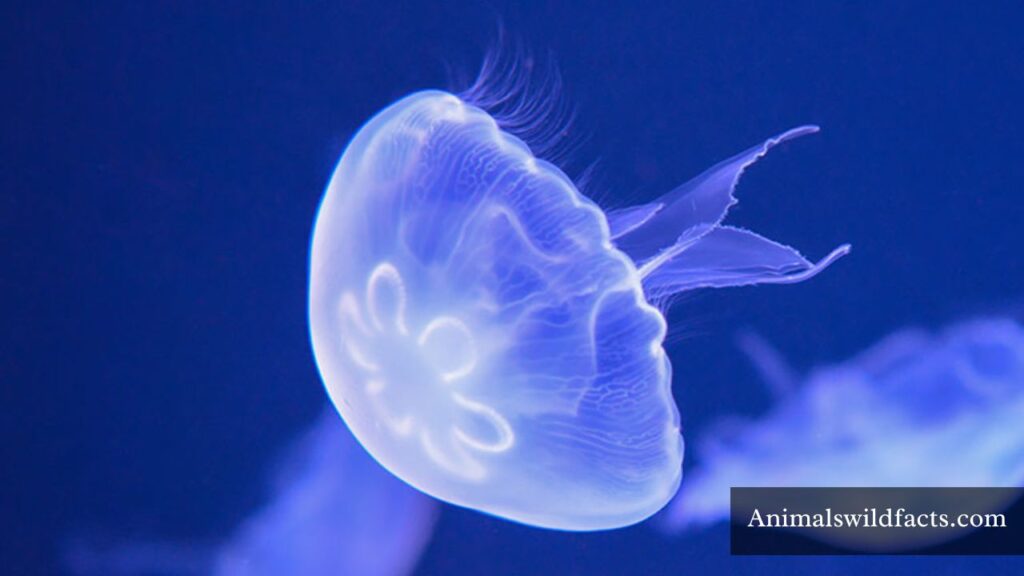
Their tranquil existence belies a complex life cycle, involving both a medusa phase and a polyp stage. Jellyfish can reproduce both sexually and asexually, displaying an extraordinary adaptability that allows them to thrive in diverse oceanic conditions. Some species even possess bioluminescent properties, creating visual displays that mesmerize wandering eyes, while serving as a defense mechanism against predators. In a world increasingly marred by environmental changes, jellyfish remind us of nature’s quiet tenacity.
Snakes
Scientific name: Serpentes
Class: Reptilia
Diet: Carnivore
In the realm of quiet animals, snakes stand out not just for their stealth but for their incredible adaptations. Unlike many vocal creatures, snakes communicate through body language and pheromones, crafting a silent dialogue that speaks volumes. Their ability to navigate the world without relying on sound reveals a unique evolutionary path, one that thrives in hush and shadow. For instance, the mesmerizing way a snake can blend seamlessly into its environment, becoming one with the foliage or sand, is a testament to its mastery of camouflage.
Interestingly, these reptiles also possess a form of social intelligence often overlooked. Contrary to the solitary stereotype, some snake species exhibit social behavior, forming communal dens or foraging in groups during certain seasons. This quiet camaraderie reveals a complex layer of interaction beneath their tranquil surface, challenging our perceptions of these often-misunderstood creatures. As guardians of ecosystems, snakes play an indispensable role in controlling rodent populations, silently balancing nature while remaining largely unseen.
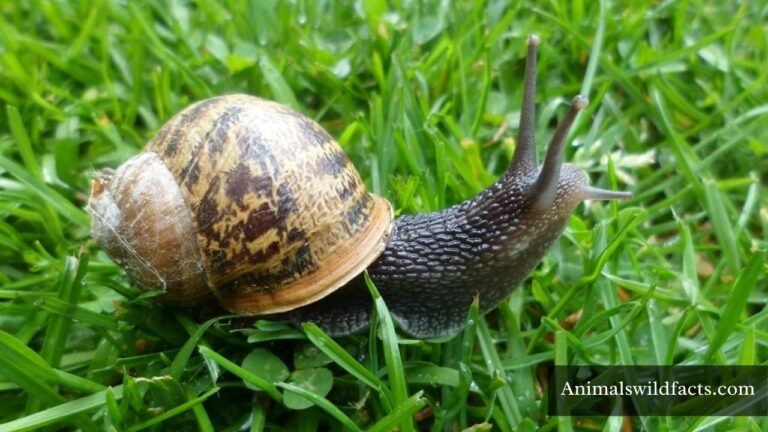
Snails
Scientific name: Helix aspersa
Class: Gastropoda
Diet: Herbivore
Snails, often overlooked in the animal kingdom, are a marvel of nature’s design. With their delicate, spiraled shells serving as portable homes, these mollusks demonstrate a fascinating blend of survival and adaptation. Unique among invertebrates, their ability to produce a protective mucus layer allows them to glide smoothly over various surfaces, making them masters of motion in their slow-paced world. This slimy secretion not only aids in locomotion but also plays a crucial role in hydration, enabling snails to thrive in environments where moisture is ephemeral.

Beyond their surface simplicity, snails harbor an intricate social structure that remains largely hidden from human observation. They communicate through a series of chemical signals, facilitating interactions that are far more complex than one might expect. This silent form of communication allows them to navigate their environments, find mates, and even mark territory. As ecologists increasingly recognize their role in ecosystems — acting as decomposers and soil enhancers — snails emerge as silent yet vital contributors to biodiversity, reminding us that life’s grand narrative often unfolds in the quiet moments.
You can also read: Explore Top 12 Animals That Sleep a Lot.
Crabs
Scientific name: Brachyura
Class: Malacostraca
Diet: Omnivore
Crabs, often overlooked in the animal kingdom, are a fascinating study in adaptation. With over 6,800 species, these ocean-dwelling crustaceans exhibit remarkable diversity in form and behavior. From the strikingly colorful blue crab to the elusive red rock crab that burrows into sandy shores, crabs are masters of camouflage and survival. Their ability to communicate using subtle body movements and pheromones adds a layer of complexity to their seemingly silent existence, revealing a rich social life hidden beneath the surface.
These quiet creatures are also crucial to their ecosystems. As scavengers, they play a vital role in nutrient cycling, breaking down organic material and feeding on detritus, which helps maintain the balance of their habitats. Moreover, their unique exoskeletons and molting process — not just a growth method but a strategic renewal — offer insights into resilience and adaptability. As climate change threatens marine life, crabs serve as vital indicators of environmental health, showcasing their capacity to thrive in various conditions. Their silent strength embodies nature’s understated brilliance, reminding us of the intricate connections that sustain life beneath the waves.
Bat
Scientific name: Chiroptera
Class: Mammalia
Diet: Omnivore / Insectivore / Frugivore
Bats are more than just creatures of the night; they are nature’s misunderstood marvels. While often associated with spooky folklore, these quiet mammals play vital roles in ecosystems. Unlike many other animals, bats communicate using a sophisticated form of echolocation rather than vocal sounds, navigating and hunting in absolute darkness with remarkable precision. This unique ability not only showcases their evolutionary adaptations but also highlights the delicate balance of their habitats, where they manage insect populations, ensuring healthier crops and reducing the need for chemical pesticides.

Moreover, the social structures within bat colonies reveal fascinating dynamics. Some species exhibit complex social behaviors, such as grooming and sharing food, which strengthen their community bonds. These interactions are essential for their survival, particularly during harsh seasons when resources are scarce.
Sharks
Scientific name: Selachimorpha
Class: Chondrichthyes
Diet: Carnivore
Sharks often conjure images of fierce predators, yet beneath their fearsome exterior lies a world of quiet complexity. These apex predators are masters of their environment, employing stealth and precision rather than sheer noise to hunt. They communicate subtly through body language and special sensory organs, allowing them to navigate the vast oceans with an understated grace. This silent efficiency is key not only to their survival but also to the intricate balance of marine ecosystems.
Interestingly, sharks possess an acute sensitivity to vibrations, using their lateral lines to detect even the faintest movements in the water. This ability allows them to pursue prey without the need for raucous displays or aggressive tactics. Instead, their approach can be likened to a carefully orchestrated dance — a blend of patience and precision that contributes to their mystique. By understanding the quieter, more deliberate side of sharks, we open ourselves to a deeper appreciation of these ancient creatures and their vital role in the ocean’s narrative.
Giraffes
Scientific name: Giraffa camelopardalis
Class: Mammalia
Diet: Herbivore
Giraffes are often characterized by their towering presence and striking, long-necked silhouette, but their quiet demeanor offers a fascinating contrast to their physical stature. Unlike many vocal animals in the animal kingdom, giraffes communicate subtly through body language and low-frequency infrasound, which is inaudible to the human ear. This silent communication plays a vital role in maintaining social bonds within their groups, allowing them to convey emotions and intentions without drawing attention from predators.
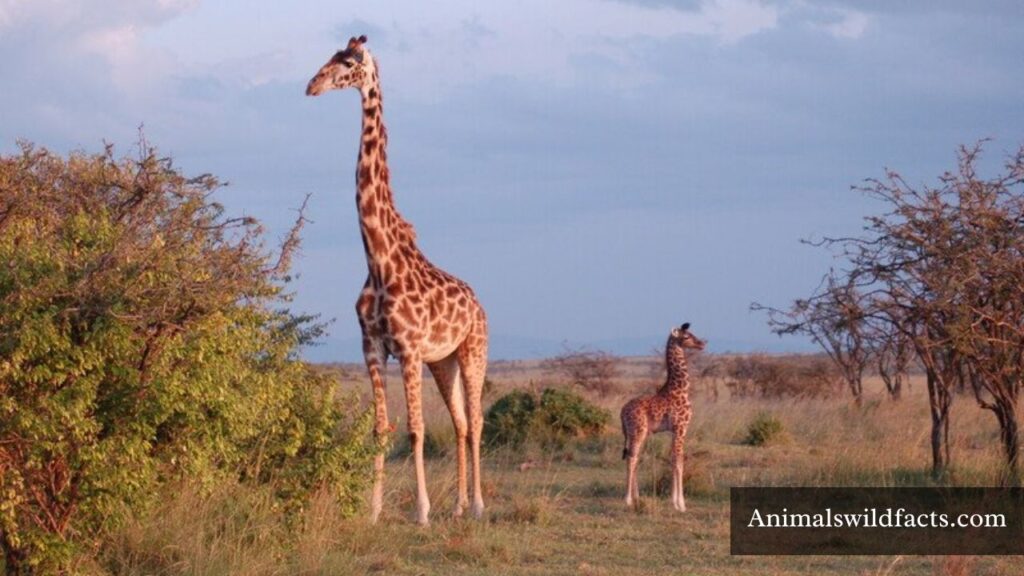
Their unique adaptations extend beyond mere silence; giraffes have a remarkable ability to go for long periods without drinking, thanks to their specialized diet of leaves, particularly acacia, which provides them with most of the necessary hydration. While this might seem leisurely, it reflects a deeper connection to their environment. The giraffe’s height allows it to access foliage that few other animals can reach, making it both a master of arboreal grazing and a symbol of resilience in the face of environmental challenges. By observing these gentle giants, we can appreciate not just their physical beauty but also their silent wisdom in navigating the complexities of survival in the wild.
Sloths
Scientific name: Bradypus variegatus
Class: Mammalia
Diet: Herbivore
Sloths are fascinating creatures not just for their slow-moving nature, but for their unique adaptations that highlight the beauty of a quiet existence. Their leisurely pace allows them to conserve energy, making their lives a delicate dance of survival in the dense canopies of Central and South America. Adapted to a diet primarily of leaves, sloths have a specialized digestive system that ferments food over a considerable period, sometimes up to a month, leading to an energy-efficient lifestyle that helps them evade predators. But there’s more to sloths than their famous sluggishness. Their slow movements and greenish fur, rich in algae, provide excellent camouflage against the backdrop of their rainforest home.
Owls
Scientific name: Strigiformes
Class: Aves
Diet: Carnivore
Owls, often emblematic of wisdom in various cultures, carry an air of mystique that captivates nature enthusiasts and casual observers alike. One of their most fascinating attributes is their nearly silent flight, achieved through specialized wing feathers that muffle sound. This adaptation allows them to approach prey stealthily, making them formidable nocturnal hunters. The unique structure of their feathers, designed to minimize turbulence as they glide, showcases nature’s extraordinary engineering skills.

Beyond their hunting prowess, owls are often misunderstood creatures of the night. While their haunting calls evoke a sense of solitude, they also play crucial roles in maintaining ecological balance. Owls regulate rodent populations, and their presence signals a healthy environment. Furthermore, they possess incredible vision and hearing, allowing them to navigate the darkness with astonishing precision. Observing an owl in its natural habitat invites us to reflect on the interplay of silence and sound in the animal kingdom, encouraging a deeper appreciation of the intricate web of life that exists beyond our bustling daytime world.
Goldfish
Scientific name: Carassius auratus
Class: Actinopterygii
Diet: Omnivore
Goldfish often evoke visions of tranquil aquariums, their gentle movements creating a serene atmosphere. Yet, beneath their placid exterior lies a fascinating world of behavior and intelligence. Contrary to the outdated belief that goldfish possess a mere three-second memory, research has revealed their capacity to learn and remember tasks for months. This adaptability showcases their potential for enrichment; goldfish can be trained to navigate mazes or perform simple tricks, inviting owners to engage with them in stimulating ways.
Moreover, goldfish exhibit a surprising social complexity. In their aquatic realm, they communicate through subtle body language and color changes, often forming bonds with their tank mates. Observing these interactions can be a mesmerizing experience, as each fish develops its personality — some are shy and reclusive, while others display bold and curious traits.
Llama
Scientific name: Lama glama
Class: Mammalia
Diet: Herbivore
lamas, often overshadowed by their more boisterous cousins like alpacas, possess a quiet charm that captivates those who take the time to observe them. Known for their gentle demeanor, these animals are not just serene companions but also serve as effective pack animals in mountainous regions. Their calm presence makes them ideal for therapy programs, where they provide comfort and emotional support, demonstrating the profound bond that can exist between humans and animals.

Interestingly, llamas communicate in subtle ways, using body language to express their feelings. A soft hum or a deep grumble replaces the loud calls typical of many other animals, allowing for a peaceful coexistence. This quiet nature fosters a unique environment, ideal for mindfulness and reflection, prompting many to consider how the calm energy of llamas might mirror our own need for tranquility in a busy world.
Deer
Scientific name: Cervidae
Class: Mammalia
Diet: Herbivore
Deer embody a unique blend of grace and subtlety in the animal kingdom. Often painted as mere symbols of the forest, these creatures possess a remarkable adaptability that allows them to thrive in a variety of habitats, from dense woodlands to urban outskirts. One fascinating aspect of deer behavior is their intricate communication system, which is largely non-verbal. They rely on body language and scent marking to convey messages about territory, mating readiness, and even alerting others to potential dangers. This silent language helps them navigate their environments with remarkable stealth, evading both predators and human interference.
Koala
Scientific name: Phascolarctos cinereus
Class: Mammalia
Diet: Herbivore
The koala, often perceived as the quintessential Australian icon, embodies a serene lifestyle that underscores the beauty of stillness in nature. Unlike many animals that vocalize to assert dominance or communicate urgency, koalas are remarkably quiet, choosing to express themselves through soft grunts and occasional bellows, mostly during mating season. This muted demeanor aligns perfectly with their leisurely existence, as they spend most of their time nestled in eucalyptus trees, consuming a diet primarily composed of leaves that few creatures dare to touch. Their slow metabolism and low-energy diet lead them to nap for up to 20 hours a day, making them the ultimate masters of relaxation.

What’s fascinating is that their unique lifestyle isn’t merely a result of their dietary restrictions but rather an adaptation to a habitat where competition for resources is minimal. Living in small, stable communities, koalas have evolved to thrive in an ecosystem where collaboration is key, allowing them to conserve energy instead of engaging in the frenetic behaviors exhibited by more active species.
Manatee
Scientific name: Trichechus manatus
Class: Mammalia
Diet: Herbivore
Manatees, often dubbed “sea cows,” embody tranquility as they glide gracefully through warm coastal waters. These gentle giants can weigh up to 1,200 pounds and stretch nearly 13 feet in length, yet their serene nature belies their size. Unlike many marine animals, manatees lack the speed and agility typically associated with their environment; instead, they prefer to slowly graze on aquatic vegetation, making them masters of the art of relaxation. This slow-paced lifestyle offers a fascinating contrast to the frenetic energy of ocean ecosystems, positioning them as symbols of calm in turbulent seas.
While their surface demeanor is peaceful, manatees are vital indicators of ecosystem health. As herbivores, they play a critical role in maintaining the balance of underwater flora, promoting the growth of seagrass that supports countless marine species. Their presence is often a sign of a thriving habitat, but they are also a reminder of the fragility of these environments; manatees face threats from habitat loss, boat collisions, and climate change. Observing these creatures in their natural habitat evokes a sense of connection not only to the animals themselves but also to the delicate ecosystems they inhabit, urging us to be stewards of our oceans.
Readmore: Explore Top 16 Stubborn Animals.
Conclusion
The diverse group of quiet animals across the globe plays a crucial role in maintaining ecological balance, often going unnoticed in the hustle and bustle of louder wildlife. These species demonstrate the power of silence and the clever strategies they employ for survival. Protecting their habitats is essential for the health of our planet, as each quiet creature contributes to the intricate web of life. By fostering awareness and advocating for conservation, we can ensure that future generations will also have the chance to marvel at these extraordinary beings. Join us in our mission to cherish and protect the gentle giants of the animal kingdom!
FAQs
What animals are quiet?
Many animals are known for their quiet nature, often blending into their surroundings with minimal noise. For example, reptiles like snakes and lizards tend to be silent, communicating primarily through body language rather than sounds. Insects, such as certain species of butterflies and moths, also fly without making much noise, relying on stealth to avoid predators. Among mammals, sloths are another example; they move slowly and make very little sound.
What animals are shy and quiet?
Many animals exhibit shy and quiet behaviors, often preferring to stay out of sight. For instance, rabbits are known for their timid nature. They tend to freeze or burrow when they sense danger, making them less visible and vocal. Similarly, certain species of deer, like the white-tailed deer, are elusive and prefer to stay in dense cover. On the aquatic side, many fish, such as the angelfish, can be shy and retreat to hiding spots when stressed. Their quiet demeanor often helps them avoid predators.
What animals are quiet and observant?
Several animals are known for their quiet and observant nature. For instance, owls are masters of silence. Their specialized feathers allow them to fly without making a sound, making them excellent hunters. They rely heavily on their keen eyesight and hearing, observing their surroundings before making a move. Another example is the deer. These animals are incredibly alert and often stand still for long periods, using their acute senses to detect potential threats. Their ability to blend into their environment makes them hard to spot, allowing them to observe while remaining unnoticed.
What is the quietest animal in the world?
The quietest animal in the world is generally considered to be the sloth, particularly the three-toed sloth. These creatures live a slow-paced life in the trees of Central and South America, and they rarely vocalize. Their low-energy lifestyle means they avoid the need for loud calls or sounds, making them almost silent in their natural habitat.
Is a doe a quiet animal?
Yes, a doe is generally a quiet animal. These female deer are known for their stealthy behavior, often relying on silence to avoid predators. While they can make soft sounds like bleats or grunts, they tend to communicate in subtle ways, using body language and scent marking instead.
In the wild, being quiet is advantageous for does, especially when they’re caring for their fawns. This helps them stay hidden and protect their young from threats.