Top 14 Animals with Long Necks (With Pictures)
In our exploration of Animals with Long Necks, we’ll delve into these fascinating creatures that have adapted their elongated necks for survival. Understanding their unique anatomy and behavior not only enhances our appreciation of biodiversity but also provides insights into evolution and habitat adaptations. Join us as we uncover the remarkable lives of these long-necked giants and why they matter in their ecosystems.
List of Animals with Long Necks
Below is the list of animals that have long necks:
- Ostriches
- Gerenuks
- Dromedary Camels
- Scarlet Ibis
- Alpacas
- Whooper swan
- Eastern Snake-Necked Turtle
- Giraffes
- Jabiru
- Flamingos
- Anhinga
- Llama
- Trumpeter Swan
- Emu
Ostriches
Scientific name: Struthio camelus
Class: Aves
Diet: Omnivore
Ostriches, the world’s largest birds, might shock some with their towering necks that can reach almost three feet in length. This remarkable anatomy not only contributes to their impressive stature but also serves several intriguing purposes. With their long necks, ostriches possess a superior vantage point in the savannah, allowing them to detect predators from afar. This adaptability is crucial in the wild, where being able to spot danger can mean the difference between life and death.
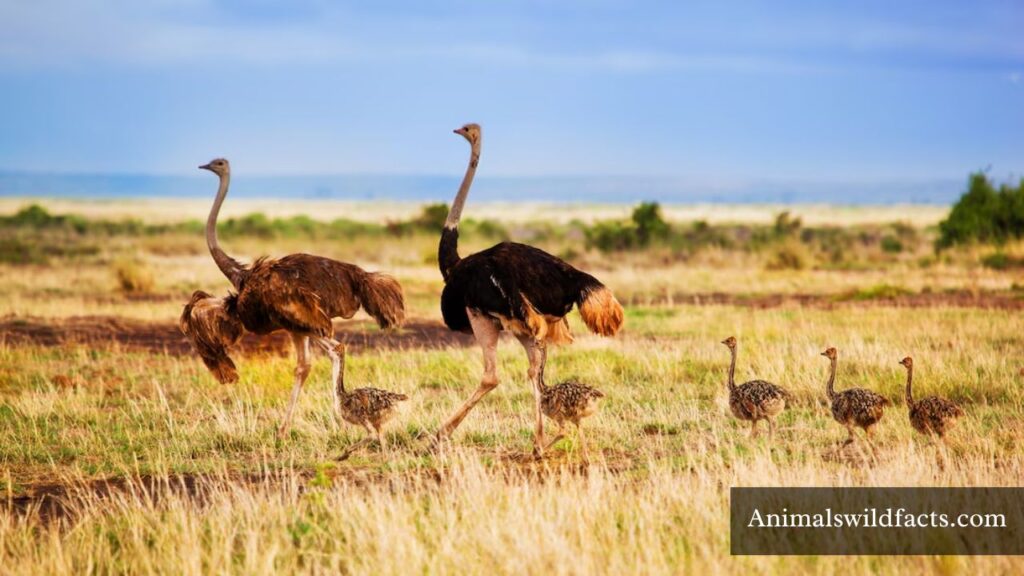
Moreover, their necks play a significant role in social interaction. When ostriches engage in courtship displays, their elongated necks allow for elaborate postures and movements that communicate readiness and vitality to potential mates. Far from being purely functional, these displays are a vibrant testament to the complexity of animal behavior. Interestingly, the ostrich’s long neck is a marvel of evolution, perfectly suited for a flightless bird that relies on speed and agility rather than altitude. As they sprint across the terrain, their unique physique embodies a fascinating blend of practicality and beauty in nature’s design.
Gerenuks
Scientific name: Litocranius walleri
Class: Mammalia
Diet: Herbivore
The gerenuk, often referred to as the “giraffe-necked antelope,” stands out in the savannah not just for its striking appearance, but also for its unique adaptations to a semi-arid environment. With its long, slender neck and elongated legs, the gerenuk can reach leaves and shoots high up on bushes that other grazers overlook. This remarkable feeding strategy allows them to thrive where competition for resources is fierce, showcasing nature’s ingenuity in resource allocation.
What’s truly fascinating about the gerenuk is its social behavior. Unlike many antelope species that form large herds, gerenuks are typically more solitary or found in small family groups. This lifestyle allows them to be more agile and less conspicuous, minimizing their chances of predation. Notably, when alarmed, they exhibit a striking stance — standing tall on their hind legs to survey their surroundings, transforming into a living statue that is both an exhilarating sight and a survival tactic.
Their unique morphology doesn’t just benefit nutrition; it also plays a role in mating rituals. Males use their necks in displays of dominance, stretching and strutting in a captivating dance that highlights their strength and vitality. This intriguing mix of elegance and practicality reveals the deeper connections between physical traits and behavioral adaptations in the animal kingdom, reminding us of the beauty of evolutionary design in the face of environmental challenges.
Dromedary Camels
Scientific name: Camelus dromedarius
Class: Mammalia
Diet: Herbivore
Dromedary camels, often recognized for their iconic single hump, also feature surprisingly long necks that serve multiple vital functions in their desert habitat. These elongated necks not only help them reach elevated foliage but also play a crucial role in social interactions within their herds. When competing for mates, males leverage their necks to exhibit dominance through impressive displays and physical contests — sometimes engaging in neck wrestling, a fascinating spectacle that reveals both strength and agility.

Moreover, the long necks of dromedary camels are adaptations to their arid environment, allowing them to spot potential predators from a distance and facilitating enhanced foraging. This elevated vantage point helps them locate water sources and patches of vegetation much more efficiently than other desert dwellers. Intriguingly, long necks are also a symbol of resilience; these camels can thrive in some of the harshest climates on Earth, embodying adaptability and survival in a rapidly changing world.
Readmore: Explore Top 20 Animals With Long Tail.
Scarlet Ibis
Scientific name: Eudocimus ruber
Class: Aves
Diet: Omnivore
The Scarlet Ibis, with its striking crimson plumage, is not just a visual marvel but also a master of adaptation. While its long neck allows it to forage in the shallow waters of wetlands, it isn’t simply a tool for feeding; it’s a remarkable feature that aids in social interaction. Like a dancer, the ibis uses its elongated neck to display and communicate with others in its flock, showcasing that beauty and utility often coexist in nature.
Moreover, this bird’s unique foraging strategy highlights an intriguing ecological relationship. With its long neck, the Scarlet Ibis can probe deeply into mud, uncovering hidden crustaceans and other delicacies that many other birds miss. This specialized feeding behavior not only benefits the bird but also plays a crucial role in maintaining the delicate ecosystem of its habitat by controlling prey populations and aerating the substrate.
Alpacas
Scientific name: Vicugna pacos
Class: Mammalia
Diet: Herbivore
Alpacas, often overshadowed by their llama relatives, boast an elegant neck that not only enhances their charm but also serves practical purposes. These majestic creatures possess a unique adaptability to their environment, allowing them to thrive in the high altitudes of the Andes Mountains. Their long necks provide an advantage when grazing on the nutritious grasses and shrubs found at varying heights, showcasing an evolutionary design that mirrors their natural habitat.
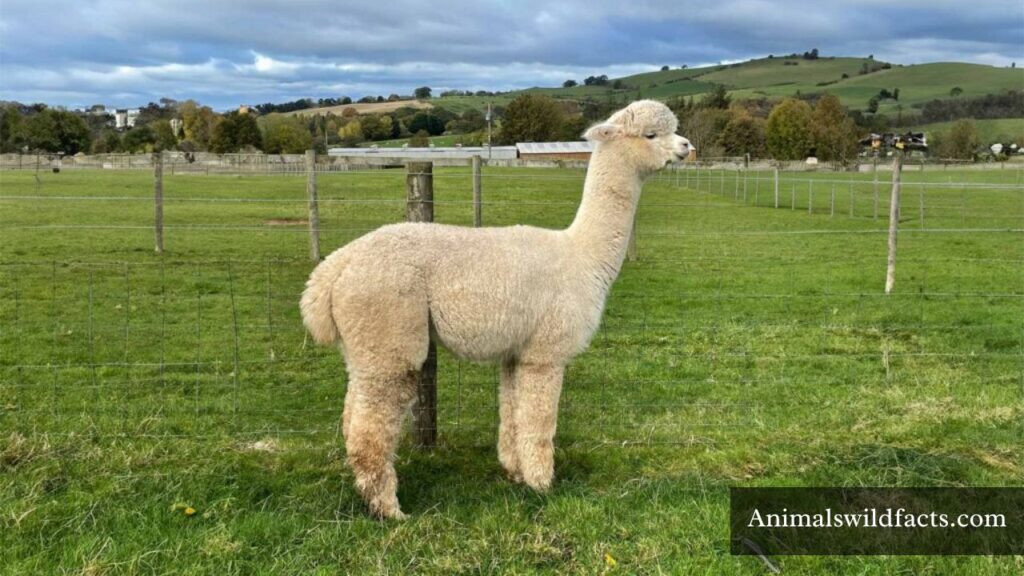
Beyond their physical attributes, alpacas exhibit impressive social behaviors that are often overlooked. They communicate through a series of vocalizations, each uniquely representing different emotions or intentions. Observing their interactions reveals an intricate social hierarchy, where their necks play a role in expressing dominance and submission within their herds.
Whooper swan
Scientific name: Cygnus cygnus
Class: Aves
Diet: Herbivore
The whooper swan, with its elegantly elongated neck, is a marvel of adaptation and beauty. This majestic bird, often seen gliding across serene lakes, showcases its long neck not just for aesthetics but as a vital tool for foraging. By reaching deep into the water, whooper swans can access aquatic plants and crustaceans that many other birds cannot, allowing them to thrive in environments where food sources might be scarce.
Beyond its practical benefits, the long neck also plays a critical role in social interactions. During courtship, the swans engage in synchronized movements, displaying their necks in a mesmerizing dance that strengthens pair bonds. This choreography is not merely for show; it communicates health and vitality, essential factors in attracting mates. Moreover, the whooper swan’s neck serves as a canvas for expression, allowing for subtle postural changes that convey messages within their social structure, reinforcing their status in the flock. In these ways, the swan’s long neck is a fascinating blend of form and function, showcasing the intricate balance of nature’s design.
Eastern Snake-Necked Turtle
Scientific name: Chelodina longicollis
Class: Reptilia
Diet: Carnivore
The Eastern Snake-Necked Turtle, with its unusually elongated neck, is a marvel of evolutionary adaptation. These fascinating reptiles, native to the freshwater habitats of eastern Australia, have developed their distinctive necks not just for show but as an efficient tool for survival. When in danger, they can stretch their necks out of their shell, resembling a snake and allowing for a swift retreat into the murky depths of their environment. This unique adaptation not only confounds predators but also aids them in reaching out for food, such as aquatic plants and small invertebrates.
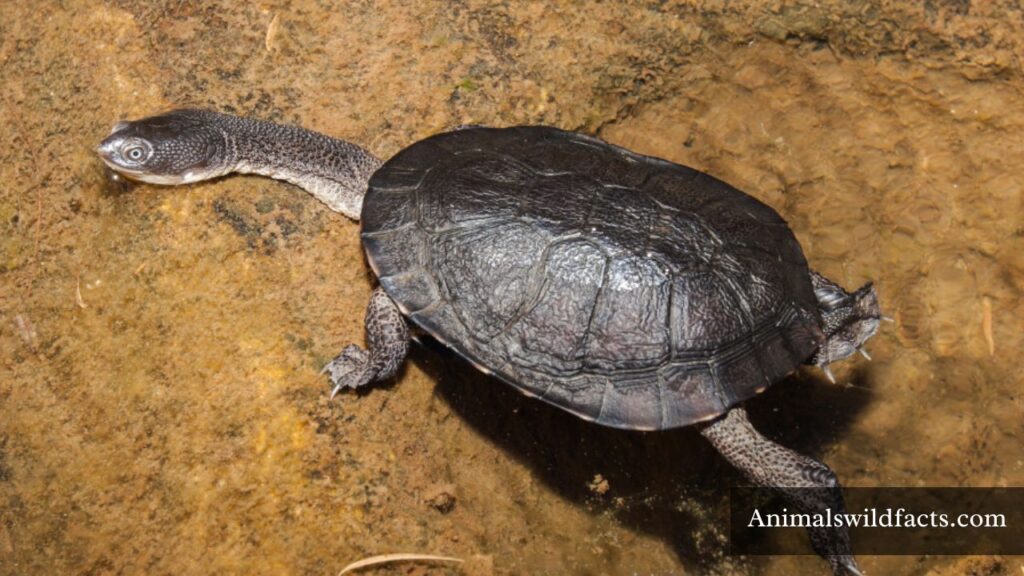
Unlike many other turtles that withdraw completely into their shells for protection, the Eastern Snake-Necked Turtle’s strategy emphasizes mobility and camouflage. By blending seamlessly into their surroundings, they provide themselves with two lines of defense: the ability to escape quickly while also remaining hidden from prying eyes.
Giraffes
Scientific name: Giraffa camelopardalis
Class: Mammalia
Diet: Herbivore
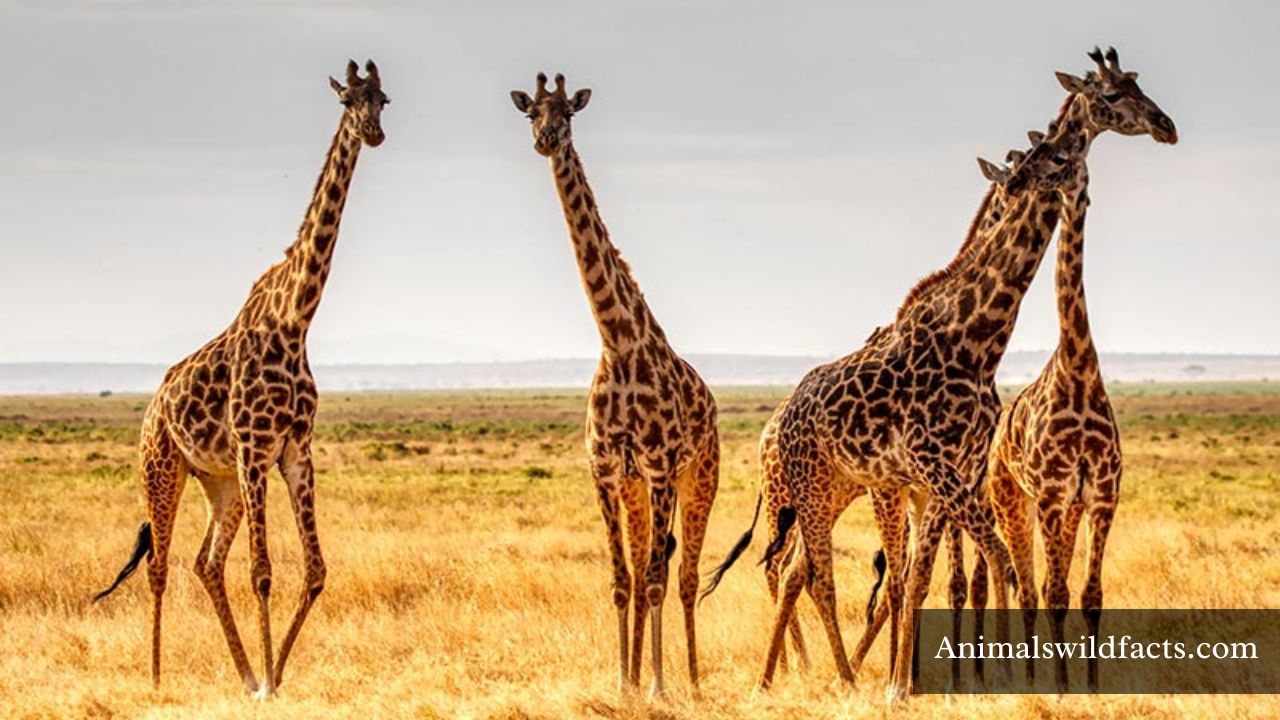
Giraffes are nature’s towering marvels, with necks that extend up to six feet — a feature that’s more than just for show. This incredible length allows them to browse treetops for foliage that many herbivores can’t reach, granting them an exclusive dining experience. However, their unique anatomy goes beyond mere height; it’s a fascinating case of evolutionary adaptation. The giraffe’s neck is composed of just seven elongated vertebrae, much like humans, but the sheer size of these bones illustrates an extraordinary evolutionary journey molded by their environment.
Socially, giraffes exhibit intriguing behaviors that are as tall as they are. Often seen in loosely bonded herds, they communicate through subtle movements and low-frequency sounds, showcasing a complex social structure that’s not immediately visible to the casual observer. Interestingly, researchers have noted that giraffes have a hierarchically structured social order, which may aid in their foraging strategies and predator avoidance. Their remarkable height also offers a panoramic view of the savannah, allowing them to spot potential threats and locate water sources from impressive distances, making them both formidable and graceful inhabitants of their ecosystems.
Jabiru
Scientific name: Jabiru mycteria
Class: Aves
Diet: Carnivore
The Jabiru, often mistaken for a stork, showcases an impressive long neck that serves not just for aesthetics but also for survival. With a wingspan reaching nearly 10 feet, this bird commands attention in its wetland habitats across Australia and parts of South America. What sets the Jabiru apart is its remarkable adaptability, capable of foraging in shallow waters for fish and amphibians, using its lengthy neck to probe deeper than other predators.
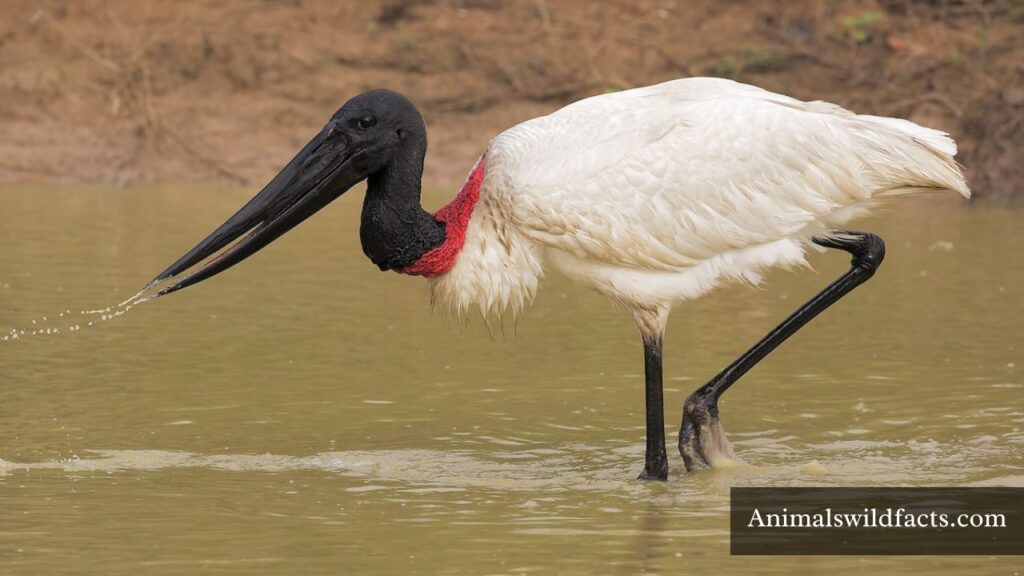
Interestingly, the Jabiru’s long neck also plays a crucial role in its courtship rituals. Mating displays involve an intricate dance, where pairs stretch their necks and engage in sweeping movements, creating a mesmerizing sight against the backdrop of their marshy homes. This unique behavior highlights not just the functionality of their elongated structure, but also its significance in social bonding and population dynamics.
Flamingos
Scientific name: Phoenicopterus roseus
Class: Aves
Diet: Omnivore
Flamingos are perhaps the most recognizable of long-necked animals, their elegant stature and striking pink plumage captivating observers worldwide. The unique structure of their necks, which can be up to 45 inches long, is not just for show; it serves a vital purpose in their feeding habits. By using their elongated necks, flamingos can forage in shallow waters, filtering food like algae and small crustaceans through their specialized beaks. This remarkable adaptation allows them to exploit ecological niches that many other birds cannot reach, making them fascinating subjects of study in evolutionary biology.
What may surprise you is that the vibrant colors of flamingos are closely tied to their diets. The algae and brine flies they consume are rich in carotenoids, pigments that influence their vibrant hues. Interestingly, their color can vary drastically based on their diet and environmental conditions, reminding us that even in the animal kingdom, beauty is deeply intertwined with survival. As social creatures, flamingos often gather in large flocks, creating breathtaking displays of synchronized movement, further emphasizing their unique adaptations in a dance of grace and resilience.
Anhinga
Scientific name: Anhinga anhinga
Class: Aves
Diet: Carnivore
The Anhinga, often dubbed the “snake bird” for its elongated neck and streamlined body, presents a compelling blend of grace and agility in the water. This remarkable bird, which can be found in freshwater lakes and wetlands across the Americas, uses its long neck like a spear, diving beneath the surface to catch fish with remarkable precision. What sets the Anhinga apart from other aquatic birds is its unique hunting style; it often submerges its body while leaving its neck above water, creating an almost primordial image reminiscent of a water dinosaur.
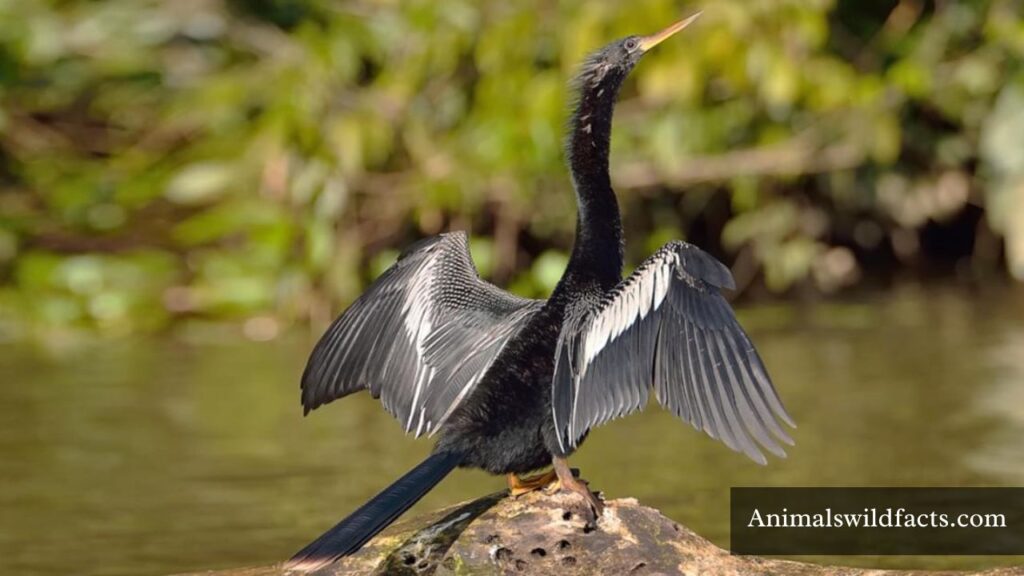
Beyond its hunting prowess, the Anhinga plays a vital role in its ecosystem. Its presence is a robust indicator of a healthy environment, as it thrives where water is clean and abundant. The bird also showcases fascinating social behaviors, often nesting communally with species like cormorants and herons. This cooperation not only enhances their breeding success but also highlights the intricate relationships within wetland habitats.
Llama
Scientific name: Lama glama
Class: Mammalia
Diet: Herbivore
The llama, often overshadowed by its more famous cousin, the alpaca, boasts a long neck that serves more purposes than mere aesthetics. This distinctive feature allows llamas to browse on foliage from taller shrubs and trees, giving them an advantage in the varied terrains of their native South American Andes. With their elongated necks, they can reach heights that other grazing animals struggle to explore, enriching their diets and enhancing their adaptability. This evolutionary trait is a testament to their survival in a rugged environment where competition for food is fierce.
Beyond practical feeding advantages, a llama’s long neck contributes to its captivating expressiveness. Known for their quirky personalities, llamas use body language and neck movements to communicate with each other and humans. They’ll often extend their necks to greet onlookers, or dart their heads playfully during social interactions, showcasing their intelligence and social structure. This unique ability to express curiosity and emotion through neck movements draws people in, revealing a depth of character that is both amusing and heartwarming.
Trumpeter Swan
Scientific name: Cygnus buccinator
Class: Aves
Diet: Herbivore
The Trumpeter Swan, with its elegantly elongated neck, showcases a stunning blend of grace and functionality. This majestic bird, the largest native swan in North America, uses its long neck not merely for beauty but as a practical tool in its quest for nourishment. By reaching deep into lakes and rivers, it forages for aquatic plants, demonstrating a remarkable adaptation that allows it to thrive in diverse habitats.
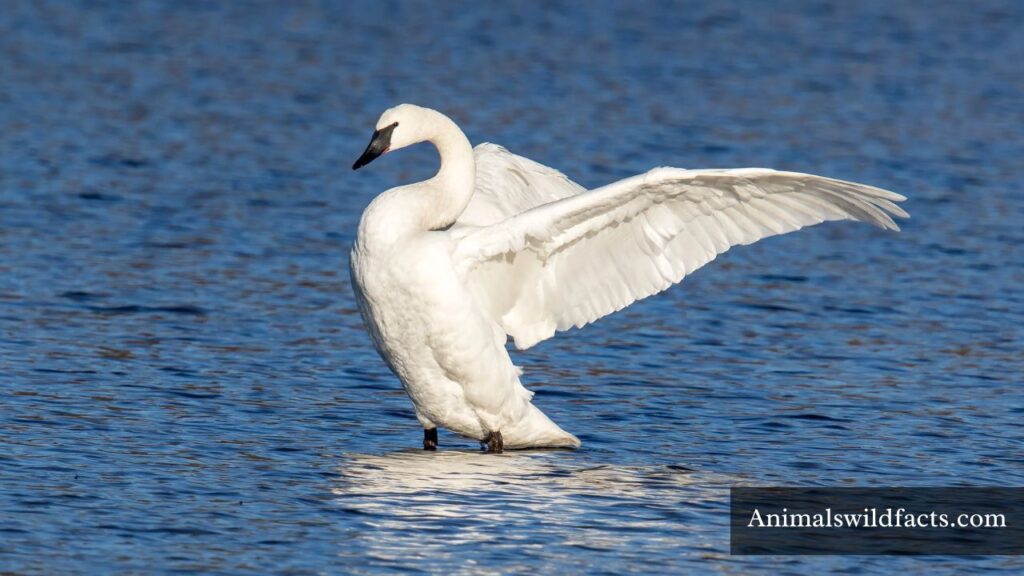
Beyond their physical attributes, Trumpeter Swans engage in a complex social structure that reflects the intricacies of their long-necked lifestyle. These birds are known for their strong pair bonds, often mating for life, and their necks play a role in their communication. Vocalizations, paired with elegant neck movements, serve as social signals — indicating territory, attracting mates, or warning of potential threats. Observing them in their natural habitat reveals not just the beauty of their long necks but also how these features contribute to a rich tapestry of behavior and interaction, inviting us to appreciate the deeper connections within the animal kingdom.
Emu
Scientific name: Dromaius novaehollandiae
Class: Aves
Diet: Omnivore
Emus, the large, flightless birds native to Australia, possess more than just a striking figure; their long necks serve as fascinating adaptive tools in their environment. Unlike giraffes, whose necks help them reach treetops, emus utilize their elongated necks to survey expansive landscapes for predators and food sources. This height advantage allows them to spot dangers from afar, providing a critical survival mechanism in the wild.
Moreover, the emu’s neck plays a key role in social interactions and communication. They have a unique vocalization system that utilizes the resonance of their long necks to produce low-frequency sounds, which can be heard over vast distances. This trait enhances their ability to communicate with mates and offspring, making them not just solitary foragers but also part of a complex social structure. Observing an emu’s graceful neck movements during courtship displays reveals an intricate dance, blending beauty with functionality, where every tilt and turn serves a purpose in attracting a partner.
Related article: Explore Top 15 Animals with Long Horns.
Final Thoughts
Animals with long necks, such as giraffes and ostriches, exhibit unique adaptations that have evolved over millions of years. These adaptations are not just for foraging and survival but also play crucial roles in social interactions and mating rituals. The incredible versatility of their necks allows them to thrive in diverse habitats, showcasing the wonders of evolutionary biology. By studying these remarkable creatures, we gain insight into the complexities of nature and the interconnection of ecosystems. Let’s continue to support conservation efforts to protect these extraordinary animals and their habitats for future generations.
FAQs
Which birds have a long neck?
Birds with long necks include species like the heron, flamingo, and ostrich. Herons are known for their graceful necks as they wade through shallow waters hunting for fish. Flamingos, with their distinctive pink coloring, also have long necks that help them filter feed in aquatic environments. Ostriches boast the longest necks of any bird, allowing them to spot predators from a distance. Other birds with notable necks include swans and geese, which elegantly extend their necks while foraging.
What animal has the longest neck?
The animal with the longest neck is the giraffe. Its neck can reach up to 6 feet long, allowing it to access leaves and branches high up in trees. This remarkable adaptation not only helps it feed but also plays a role in social interactions and mating rituals.
Which bird has the longest neck?
The bird with the longest neck is the ostrich. Its neck can reach up to 3 feet long, allowing it to have a good vantage point for spotting predators in the wild. This long neck also aids in foraging for food, as ostriches are primarily grazers, feeding on plants and seeds.