Top 11 Animals That Eat Honey (Images Included)
Did you know that honey isn’t just a sweet treat for humans? In fact, a surprising number of animals feast on this delightful substance, each employing their unique methods to access it. This article explores the fascinating world of animals that eat honey, showcasing their behaviors and adaptations. By understanding these creatures, we can gain insights into ecosystems and the role honey plays in the natural world.
List of Animals That Eat Honey
Below is the list of animals that like to eat honey:
| Number of Animals | Animals That Loves to Eat Honey |
| 1 | Chimpanzees |
| 2 | Bees |
| 3 | Small Hive Beetles |
| 4 | Martens |
| 5 | Honey Buzzards |
| 6 | Raccoons |
| 7 | Honey Ants |
| 8 | Bears |
| 9 | Honeyguides |
| 10 | Skunks |
| 11 | Honey Badgers |
Chimpanzees
Scientific name: Pan troglodytes
Class: Mammalia
Chimpanzees exhibit a remarkable zest for honey, and their methods of obtaining it are as fascinating as the creatures themselves. Equipped with impressive intelligence, these primates use tools such as sticks to extract honey from hives, showcasing their ability to manipulate the environment to meet their needs. This behavior not only highlights their problem-solving skills but also emphasizes the cultural aspect of their foraging techniques; different communities of chimpanzees have their unique methods, passed down through generations.
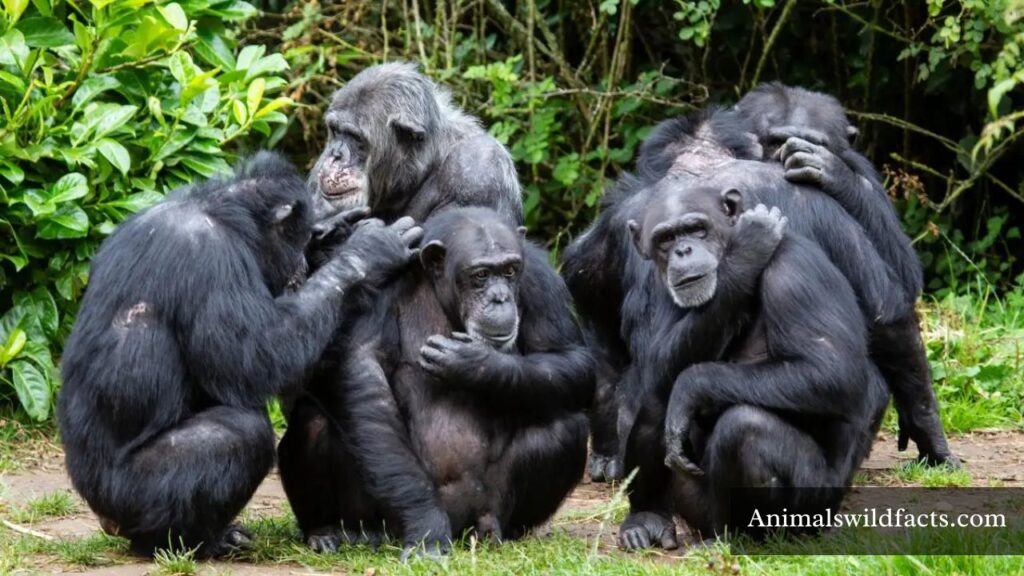
Moreover, their affinity for honey isn’t just about satisfying a sweet tooth. Honey is a high-energy food that provides essential nutrients, especially during times when other food sources may be scarce. The communal aspect of honey hunting also strengthens social bonds within chimpanzee groups, reinforcing teamwork and cooperation. Watching them share their sugary prize evokes a sense of connection and laughter, reminding us of the intricate social lives of these remarkably intelligent beings.
Bees
Class: Insecta
Bees play a vital role in the ecosystem, not just as honey producers but also as essential pollinators. Their exquisite dance communicates the location of flowering plants, reminding us that their value extends beyond the sweet treats they create. While we often see honey as a human delicacy, for bees, it’s a critical energy source, especially during the winter months. They meticulously gather nectar, transforming it through enzymatic processes into the thick, golden substance we all adore.
Interestingly, honey isn’t just a reward for bees; it fosters a unique social structure within the hive. Worker bees will foster camaraderie through the sharing of honey, reinforcing bonds and ensuring collective survival. This communal aspect underscores the importance of bees in maintaining ecological balance, highlighting that their relationship with honey is interwoven with their very existence.
Small Hive Beetles
Scientific name: Aethina tumida
Class: Insecta
These little insects, native to Africa but now found across various parts of the world, have developed a unique relationship with honeybee colonies. While they are often seen as pests, their habits offer surprising ecological insights. For instance, small hive beetles can also help control the population of bacteria and other pathogens in hives, showcasing the complexity of interactions within beekeeping environments.
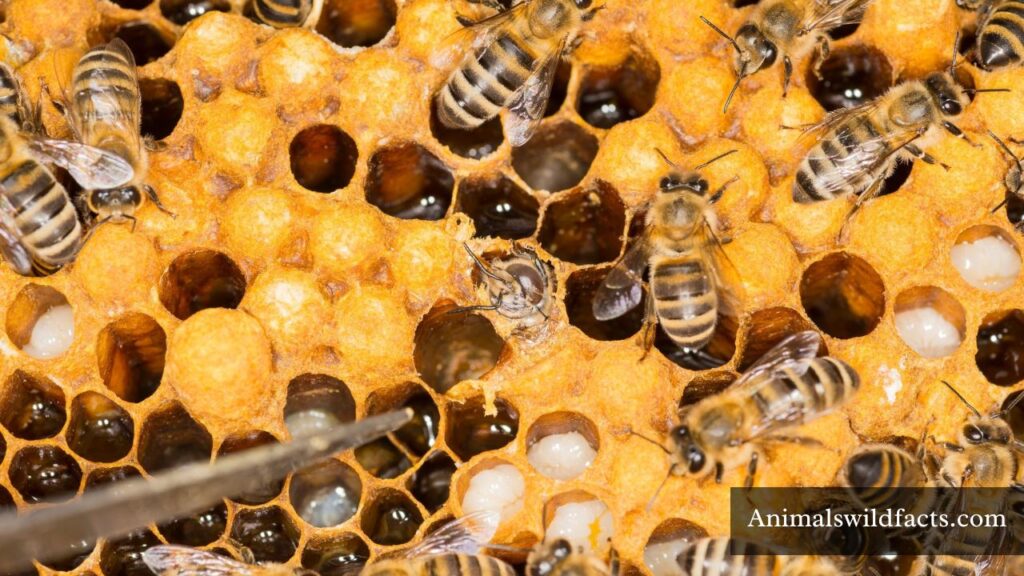
These beetles have evolved specialized behaviors to thrive in honeybee colonies. They seek out weak or stressed colonies, laying their eggs within the brood frames, where the larvae feed on honey and beeswax. This adaptation not only sustains the beetles but can inadvertently help beekeepers identify struggling colonies before more severe problems arise. Moreover, as small hive beetle larvae consume leftover honey and other organic matter, they contribute to the natural recycling process, ensuring that not a drop of sweetness goes to waste in the ecosystem.
Martens
Scientific name: Martes martes
Class: Mammalia
Martens, the agile and elusive members of the weasel family, possess a surprising penchant for honey. These small mammals, often found scampering through forests and mountainous areas, exhibit a remarkable adaptability that extends to their diets. While they primarily hunt small mammals and birds, their sweet tooth leads them to raid beehives, showcasing their resourcefulness and courage. Serving as both culinary adventurers and opportunistic foragers, martens demonstrate a unique behavior: they not only consume honey for its energy-rich benefits but also target the protein-packed bee larvae hidden within the combs.
Their ability to access high-altitude hives speaks volumes about their physical agility. With sharp claws and a clever approach, martens are undeterred by the protective swarms of bees, and their fur offers a surprising level of protection against stings. This remarkable relationship with honey transcends mere sustenance; it highlights the martens’ role in ecosystems as both hunters and foragers, ensuring the balance of local flora and fauna through their varied diet. Observing these creatures in action offers a glimpse into the intricate web of life, revealing how even the smallest players can significantly impact their environment.
Honey Buzzards
Scientific name: Pernis apivorus
Class: Aves
Honey buzzards are fascinating raptors that have adapted an unusual taste for sweetness. Unlike many birds of prey, these raptors possess a remarkable ability to locate honeybee nests, thanks to their keen eyesight and specific hunting techniques. With powerful feet and sharp talons, they deftly break into hives, enduring stings that might deter other animals. This honey-seeking behavior reflects an intricate relationship with the environment, as these birds play a crucial role in controlling bee populations while simultaneously benefiting from a high-energy food source.
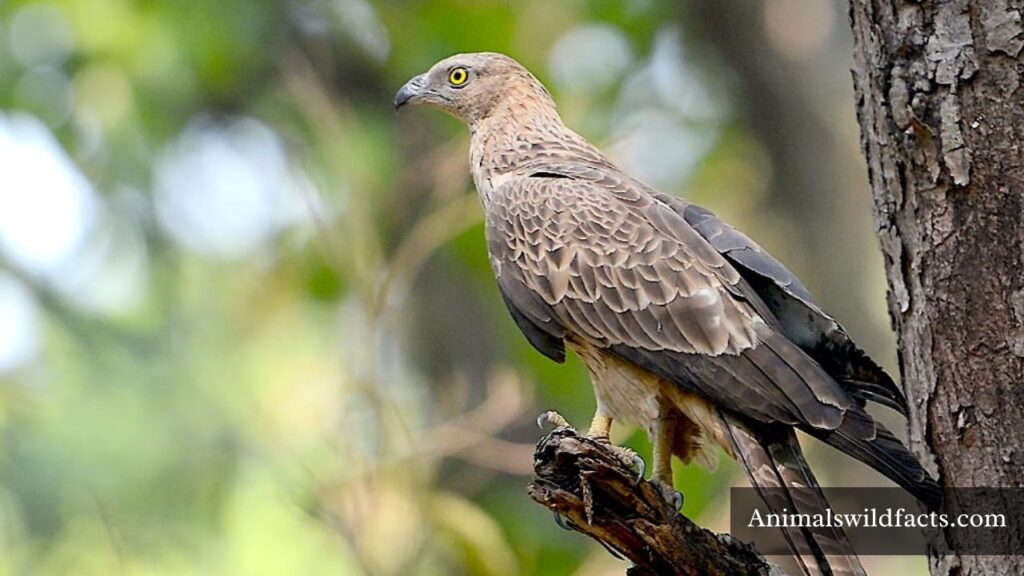
Their diet goes beyond honey; honey buzzards also consume bee larvae and combs, providing them with vital proteins and nutrients. This diverse diet not only ensures their survival but also highlights their adaptability to varying habitats across Europe, Asia, and Africa. Honey buzzards have developed a unique defensive strategy against the painful sting of bees: their feathers are surprisingly resistant to bites, allowing them to engage in this daring culinary pursuit with less risk.
Raccoons
Scientific name: Procyon lotor
Class: Mammalia
Raccoons, with their dexterous front paws and insatiable curiosity, are remarkable foragers. These masked bandits have developed an extraordinary taste for honey, which serves as a sweet reward for their cleverness and persistence. What sets them apart is not just their ability to raid beehives but also their refined technique. Raccoons dip their nimble paws into the honeycomb, savoring each mouthful while skillfully avoiding bee stings, showcasing a surprising level of intelligence and adaptability.
Interestingly, raccoons’ affinity for honey isn’t merely about the taste; it also plays a crucial role in their nutritional intake. Honey provides essential sugars that fuel their nocturnal adventures. Beyond their physical need, the pursuit of honey can be seen as part of their playful nature, turning what could be a mundane meal into a thrilling scavenger hunt.
Honey Ants
Scientific name: Myrmecocystus mexicanus
Class: Insecta
Honey ants are fascinating examples of resourceful behavior in the animal kingdom, showcasing a remarkable adaptation to their arid environments. These unique ants, particularly found in territories like Australia and the American Southwest, have developed a captivating symbiotic relationship with honey. Worker ants feed on sugary liquids, which they store in the crops of designated “repletes” — specialized ants that essentially become living honey pots. This adaptation not only ensures survival during harsh conditions but also creates a communal food source for the colony.
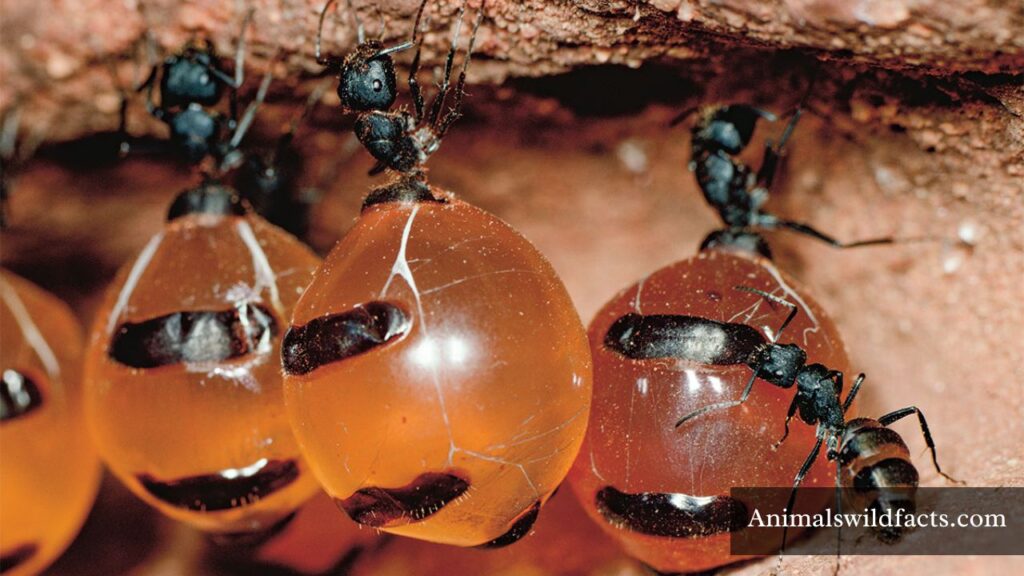
What sets honey ants apart is their incredible ability to transform their bodies into reservoirs of sustenance. When young ant colonies are faced with periods of drought, these repletes can be tapped by other workers, providing a lifeline for the entire community. This behavior highlights a profound level of cooperation and social structure, gesturing toward an almost communal mindset in a species often perceived as simple. The juxtaposition of vulnerability and resilience in honey ants invites us to reflect on the myriad ways animals adapt to their surroundings, often in ways that blur the lines between individual survival and collective well-being.
Bears
Scientific name: Ursus arctos
Class: Mammalia
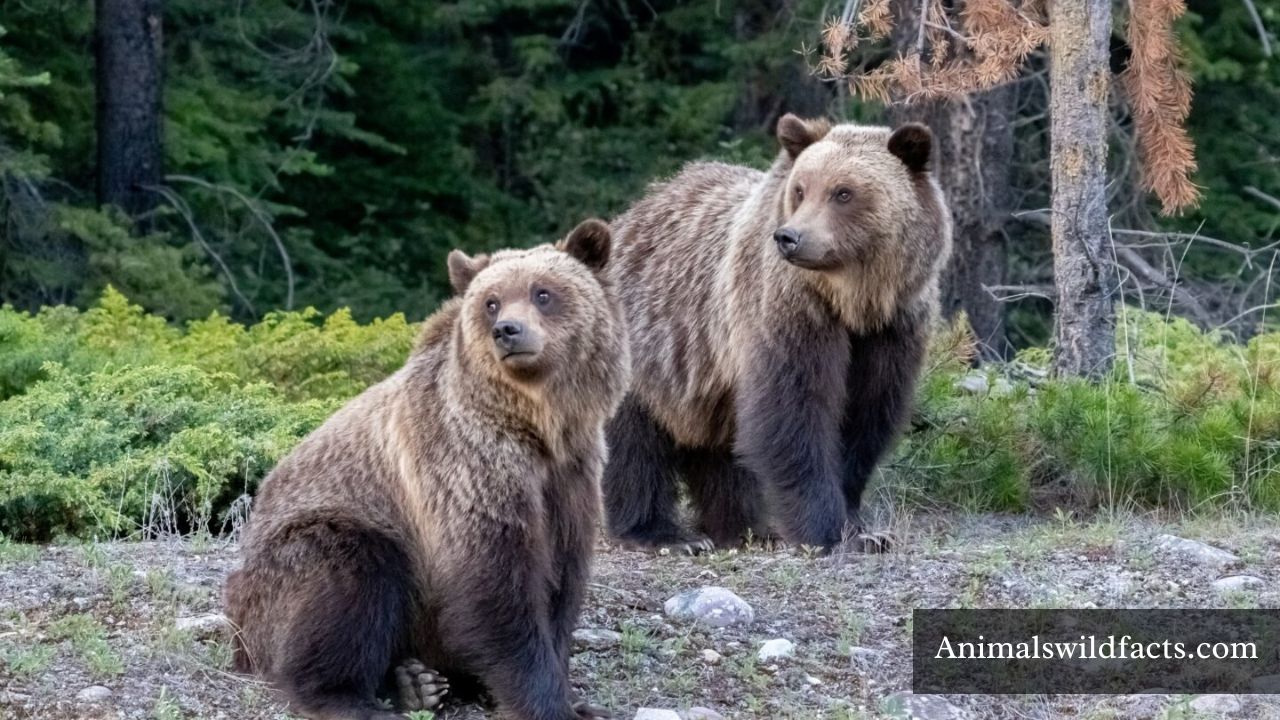
Bears are renowned for their insatiable appetite for honey, but their relationship with this golden treat goes beyond mere curiosity. Equipped with a remarkable sense of smell that can detect food from miles away, bears often pursue honeycomb with the same fervor as a treasure hunter seeks gems. This behavior is not just about satisfying hunger; it’s also a vital component of their diet, providing a rich source of calories that is crucial during the energy-intensive seasons of spring and summer.
Interestingly, the quest for honey demonstrates bears’ intelligence and adaptability. They use their powerful claws not only to break open hives but also to navigate the complexities of their environment. Observations show that bears can remember the locations of productive hives, returning to harvest honey year after year. This intelligence in foraging highlights their role as keystone species, influencing the health of ecosystems by promoting plant diversity and aiding in seed dispersal when they consume the bees and larvae found within.
Honeyguides
Scientific name: Indicator indicator
Class: Aves
Honeyguides are truly fascinating creatures, known for their unique relationship with honeybees. These birds possess a remarkable ability to locate beehives and lead larger mammals, like honey badgers or even humans, directly to their sweet treasure. The dance between species is not just about food; it’s a dynamic partnership where both parties benefit. Once the hive is raided, honeyguides feast on the leftover wax and bee larvae, making them efficient scavengers as well.
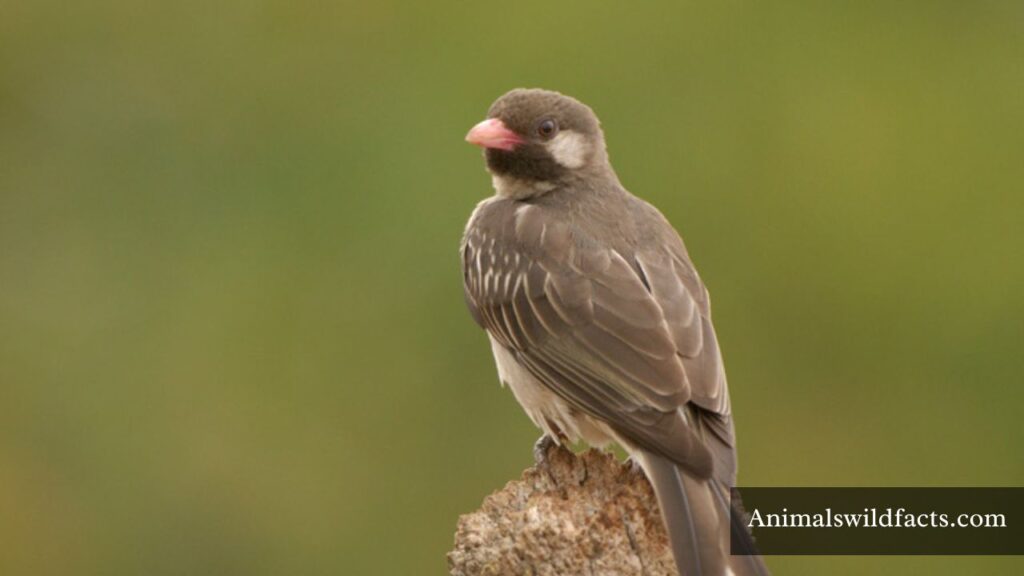
What sets honeyguides apart is their remarkable adaptability and intelligence. Studies have shown they can use varied vocalizations to communicate their discovery, employing specific calls that alert their partners to follow. This sophisticated behavior showcases an understanding of both cooperation and survival tactics, challenging traditional views on animal intelligence. Observing a honeyguide in action is witnessing a masterclass in interspecies collaboration, where evolution has fine-tuned these birds into expert honey hunters.
Skunks
Scientific name: Mephitis mephitis
Class: Mammalia
Skunks, often viewed as mere nuisances due to their notorious spray, are surprising connoisseurs of sweet treats, with honey ranking high on their list of favorite foods. These clever foragers demonstrate impressive adaptability; they can skillfully navigate their environment to locate beehives. Equipped with a penchant for exploration, skunks often raid hives for the sticky nectar, showcasing their resourcefulness and courage in the face of potential stings.
Their love for honey serves a dual purpose. Not only does it provide a vital source of energy, but it also allows skunks to indulge in the protein-rich larvae and bees they encounter during their sweet escapades.
Honey Badgers
Scientific name: Mellivora capensis
Class: Mammalia
Honey badgers, renowned for their fierce tenacity, epitomize resilience in the animal kingdom. These small but mighty creatures possess an extraordinary ability to hunt down honey, fearlessly confronting bees and boldly raiding hives. Their thick skin and loose subcutaneous layer grant them protection against stings, allowing them to dive headfirst into a swarm of angry insects with remarkable aplomb. This audacious approach not only reveals their physical prowess but also underscores an evolutionary adaptation that highlights their unique niche in the food chain.
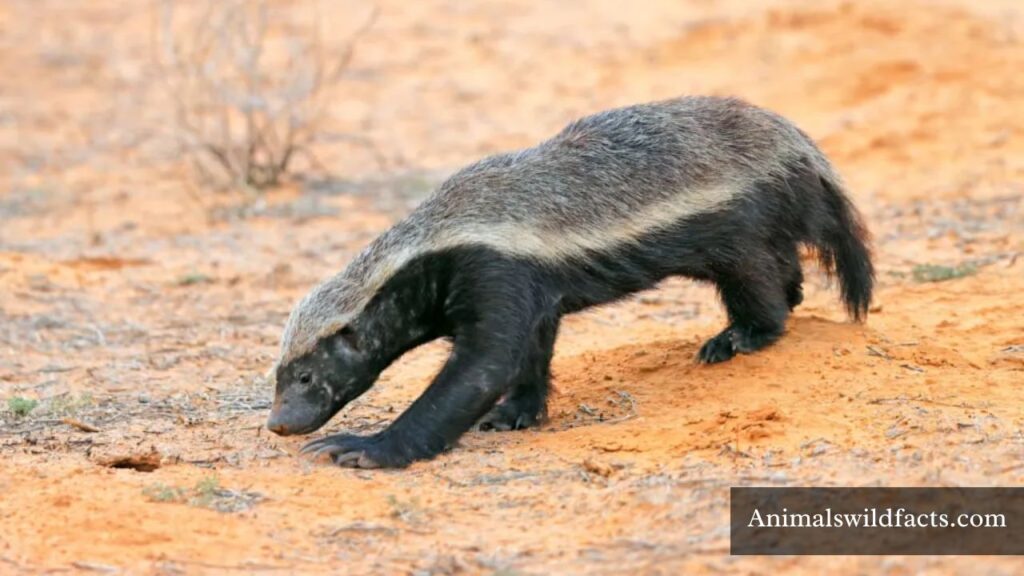
Honey badgers don’t just relish honey for its sweetness; they also benefit nutritionally from the rich protein found in bee larvae. This duality of purpose makes them master foragers, turning a seemingly simple task into a multi-faceted survival strategy. Moreover, their daring exploits can often spark awe and intrigue among other animals in their habitat, establishing them as unwitting trendsetters in the wild. By showcasing such bold behaviors, honey badgers not only feed themselves but also play a crucial ecological role, influencing the dynamics of their environment in profound ways. Their unapologetic attitude and unyielding spirit remind us that sometimes, the smallest creatures can have the biggest impact.
Readmore: Explore Top 25 Animals That Eat a Lot.
Final Thoughts
The diverse array of animals that consume honey highlights the interconnectedness of all life forms within our ecosystems. Each species, whether it be the industrious honeybee or the clever raccoon, plays a role in maintaining the delicate balance of nature. As we learn more about their behaviors and habits, we realize the significance of protecting these creatures and their environments. By fostering awareness and taking action against habitat destruction, we can help ensure that honey remains a staple for so many creatures. Join the effort to celebrate and protect our planet’s vital wildlife!
FAQs
What animal likes to eat honey?
Bears, especially honeybees, are well-known for their love of honey. Other animals that enjoy honey include raccoons, skunks, and certain birds like honeyguides. Some primates, like chimpanzees, will also seek out honey. Various insects, such as ants, may raid beehives for the sweet treat too.
What animal is known for its love of honey?
The animal most famously known for its love of honey is the bear. Particularly, species like the American black bear and the grizzly bear are often depicted raiding beehives for this sweet treat. Their strong sense of smell helps them locate honey, and their powerful claws allow them to access it despite the bees’ defenses.
Can a fox eat honey?
Yes, a fox can eat honey. While honey isn’t a primary food source for them, foxes are opportunistic feeders and will consume a variety of foods, including fruits and insects. If they come across a beehive or honey, they may nibble on it, especially if other food sources are scarce.
Do raccoons eat honey?
Yes, raccoons do eat honey! These curious creatures are omnivores and have a diverse diet that includes fruits, insects, and various snacks they can find in urban areas. Honey is appealing to them due to its sweetness and the energy it provides.
Can squirrels eat honey?
Yes, squirrels can eat honey, but it’s not a natural part of their diet. Honey is high in sugar and can provide a quick energy boost, but too much sugar isn’t great for them. While a little honey as an occasional treat is fine, it shouldn’t be a staple in their diet.