Top 14 Animals with Big Eyes (With Pictures)
Animals with big eyes not only captivate our imagination but often possess unique adaptations for survival in their environments. In this article, we’ll delve into the fascinating world of these creatures, exploring how their oversized peepers benefit them — whether it’s better night vision or enhanced hunting skills. Join us as we uncover the secrets behind these intriguing traits and what they reveal about the animal kingdom.
List of Animals with Big Eyes
Below is the list of big eyed animals in the world:
| Number of Animals | Names of Animals with Big Eyes |
| 1 | Slow Loris |
| 2 | Tree Frog |
| 3 | Sphynx Cat |
| 4 | Aye-aye |
| 5 | Giant Squid |
| 6 | Swordfish |
| 7 | Owl |
| 8 | Tarsier |
| 9 | Chameleon |
| 10 | Lemur |
| 11 | Bushbaby |
| 12 | Rabbit |
| 13 | Pygmy Marmoset |
| 14 | Ostrich |
Slow Loris
Scientific name: Nycticebus coucang
Class: Mammalia
Diet: Omnivore
The slow loris, a primate native to Southeast Asia, captivates with its enormous eyes that convey an almost enchanting innocence. These big eyes are not just for show; they are a vital adaptation for life in the dense, dimly lit forests where they dwell. With nocturnal habits, the slow loris relies on its exceptional night vision to navigate its arboreal habitat and locate its favorite food — fruit, nectar, and insects. The size of their eyes enhances their ability to see in low light, making them highly effective foragers under the cover of darkness.
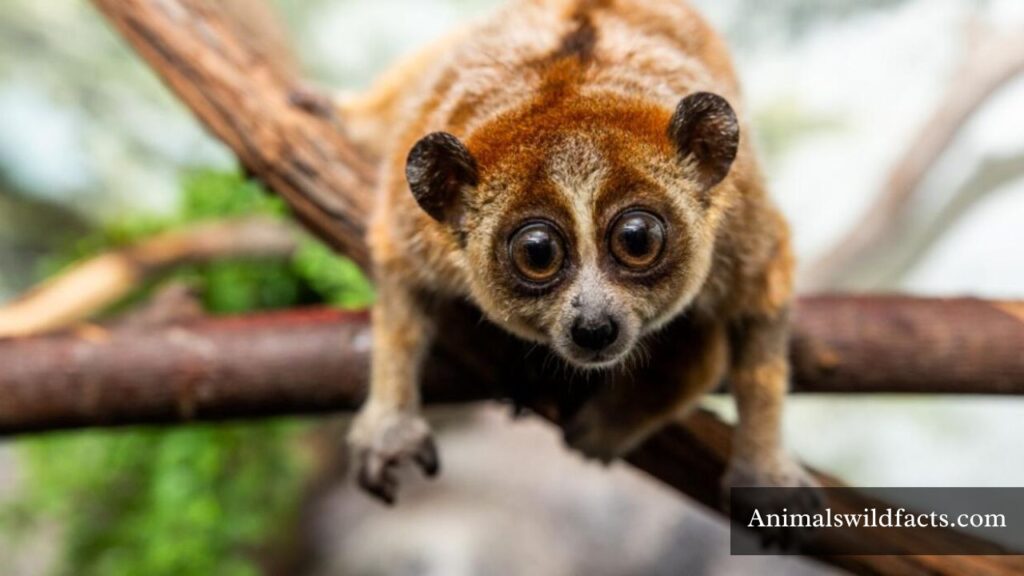
Beyond their visual prowess, slow lorises possess an intriguing blend of charm and danger. Unlike many other primates, they secrete toxins from their elbows, which they can transfer to their bites, rendering them both adorable and potentially perilous. This duality — being both a cute, wide-eyed creature and a fierce defender — adds layers to their persona, inviting curiosity and caution from those who encounter them. Unfortunately, their unique adaptations and endearing features have made them targets for the illegal pet trade, highlighting a critical need for conservation efforts to protect these extraordinary animals in their natural habitat.
Tree Frog
Class: Amphibia
Diet: Carnivore
The tree frog, a master of its arboreal domain, boasts eyes remarkably large for its size. These oversized orbs not only contribute to its endearing appearance but also serve a critical function in its survival. With a broader field of vision, the tree frog can easily spot predators lurking among the leaves or catch a glimpse of potential mates chirping from nearby branches. Their bulging eyes make them adept at spotting the slightest movement, ensuring they stay one step ahead in their lush environment.
Interestingly, the coloration of a tree frog’s eyes often mirrors the vibrant hues of its skin, creating a striking visual harmony. This adaptation goes beyond aesthetics; it acts as camouflage, allowing these amphibians to blend seamlessly into their surroundings. When perched on a bright green leaf, their eyes can appear to vanish against the foliage, making it harder for predators to focus on them.
Sphynx Cat
Class: Mammalia
Diet: Carnivore
The Sphynx cat is a fascinating creature, often drawing attention not just for its hairless body but for its strikingly large, expressive eyes. These orbs seem to invite you into their world, brimming with curiosity and intelligence. The contrast between the Sphynx’s bare skin and those oversized eyes creates an almost otherworldly appearance, making them captivating companions.

Beyond aesthetics, those big eyes hint at the Sphynx’s playful personality. They possess an innate mischief, making them known escape artists in search of adventure. Their visual acuity enhances their explorative nature, allowing these cats to navigate their surroundings with an uncanny awareness. It’s as if their eyes are mirrors reflecting a deep well of personality — each glance revealing snippets of their quirky charm and affectionate spirit. With the Sphynx, it’s hard not to get lost in those large, captivating windows to the soul!
You can also read: Explore Top 14 Animals with Long Necks.
Aye-aye
Scientific name: Daubentonia madagascariensis
Class: Mammalia
Diet: Omnivore
The aye-aye, a unique primate native to Madagascar, captivates with its otherworldly appearance, especially its oversized eyes. These large orbs are perfectly adapted for nocturnal life, enabling the aye-aye to navigate the dense, dimly lit forests with ease. Contrary to what one might think, their striking gaze isn’t just for show; it serves a critical function in their survival, helping them detect predators and find food in the shadows of night.
What sets the aye-aye apart further is its highly specialized foraging technique known as percussive foraging. With their elongated middle finger, they tap on tree trunks to locate insects hidden beneath the bark. Their keen eyesight plays a pivotal role in this process, allowing them to pinpoint tiny movements and vibrations otherwise undetectable. This extraordinary adaptation not only reveals the prowess of the aye-aye but also underscores the intricate connections between physical traits and environmental demands in the animal kingdom.
Giant Squid
Scientific name: Architeuthis dux
Class: Cephalopoda
Diet: Carnivore
The giant squid, an elusive inhabitant of the deep ocean, boasts eyes nearly the size of basketballs — an astounding adaptation for life in the darkness of the abyss. These massive orbs not only help the squid spot prey from great distances, but they also give it an uncanny ability to detect bioluminescence, the natural glow emitted by many marine organisms. This visual prowess is essential in a world where light rarely penetrates, allowing the giant squid to thrive in an environment thick with predators and competition.
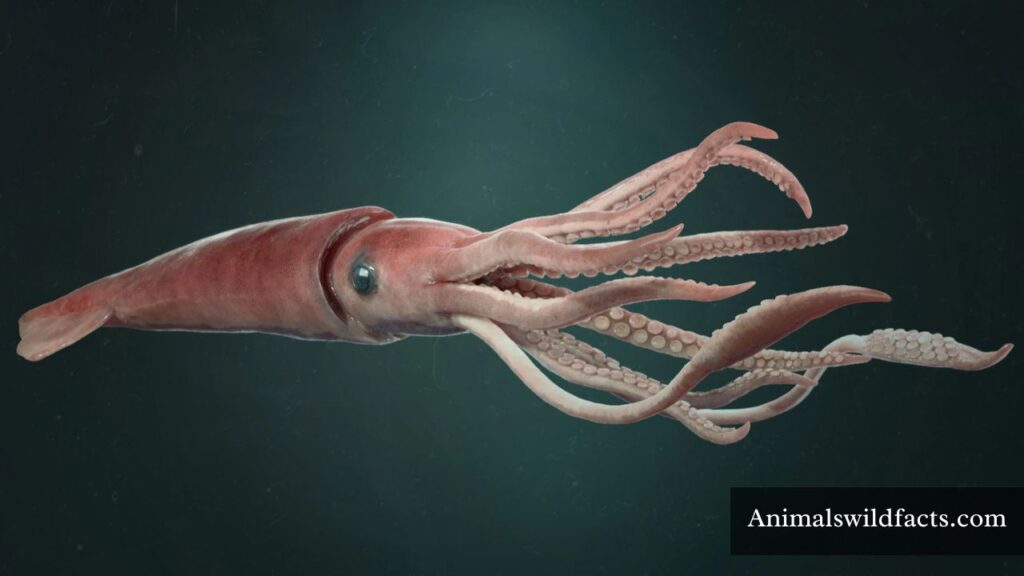
Interestingly, the size of the giant squid’s eyes is a testament to evolutionary necessity rather than mere size for spectacle. Researchers believe that larger eyes enhance the ability to gather scant light, making it possible to identify potential threats and opportunities. This adaptation is mirrored in other deep-sea creatures, highlighting a fascinating evolutionary trend where the challenges of the ocean’s depths shape the anatomy of its inhabitants. With their mysterious elusiveness and extraordinary features, giant squids remind us of the wonders that lie beneath the waves, continuously challenging our understanding of marine life.
Swordfish
Scientific name: Xiphias gladius
Class: Actinopterygii
Diet: Carnivore
The swordfish, known for its elongated bill and impressive size, also boasts remarkably large eyes that rival those of other deep-sea dwellers. These oversized orbs are not merely for show; they are finely tuned biological tools. Positioned to capture as much light as possible, the swordfish’s eyes enable it to thrive in the depths where sunlight barely penetrates. This adaptation is crucial for spotting prey, as their diet consists primarily of fast-moving fish and squid that often inhabit the dark, open waters.
Interestingly, the large eyes of the swordfish are also evidence of its predatory prowess. Researchers suggest that this adaptation aids in depth perception, allowing them to execute swift, precise strikes that are essential for catching agile prey. The unique structure of their eyes provides them with a broader field of vision, ensuring they are always aware of their surroundings. This visual acumen, combined with their powerful bodies, places swordfish at the top of the food chain in marine ecosystems, showcasing the intricate relationship between physical adaptations and survival strategies in the ocean’s depths.
Owl
Scientific name: Strigiformes
Class: Aves
Diet: Carnivore
The owl, often associated with wisdom and mystery, boasts some of the most intriguing eyes in the animal kingdom. Their disproportionately large eyes are not just for show; they serve a vital purpose. Adapted for low-light conditions, these substantial orbs allow owls to see exceptionally well during the twilight hours when most of their prey is most active. Their eyes are fixed in their sockets, meaning owls must turn their entire heads — up to 270 degrees — to get a full view of their surroundings. This unique adaptation not only aids in hunting but also enhances their ability to detect movement and gauge distances in dim light.
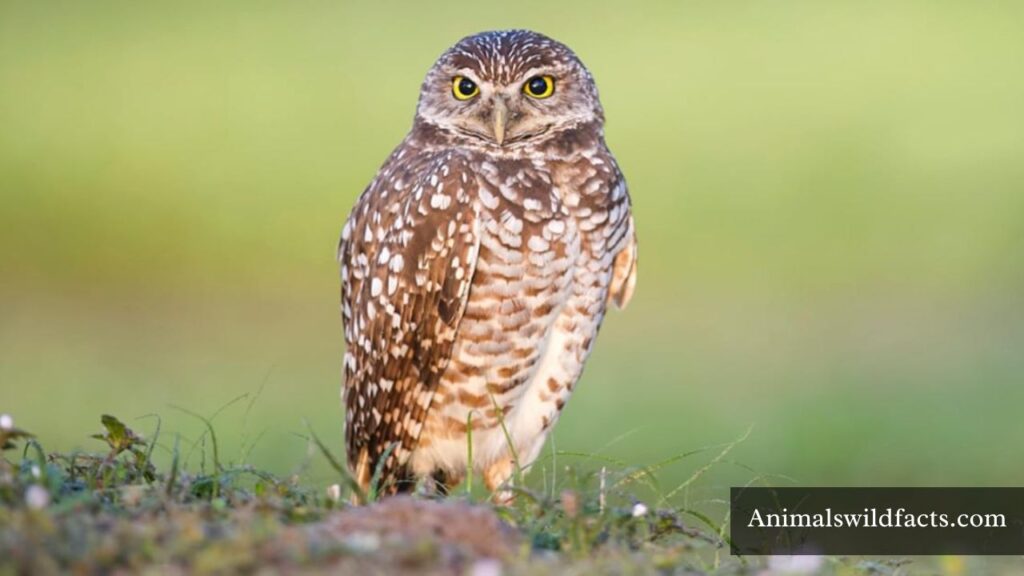
Furthermore, the rich volume of rod cells in an owl’s retina enables exceptional night vision, making them formidable nocturnal predators. Interestingly, the coloration of their eyes also plays a role; while yellow-eyed species tend to hunt mainly at night, those with darker eyes may be more active during the day. This adaptability highlights the nuanced relationship owls have with their environment and prey, showcasing the intricate dance of evolution that has fine-tuned their predatory skills. The allure of their big eyes goes beyond mere aesthetics — it’s a testament to their evolutionary journey, transforming them into some of nature’s most skilled hunters.
Tarsier
Scientific name: Tarsius
Class: Mammalia
Diet: Carnivore
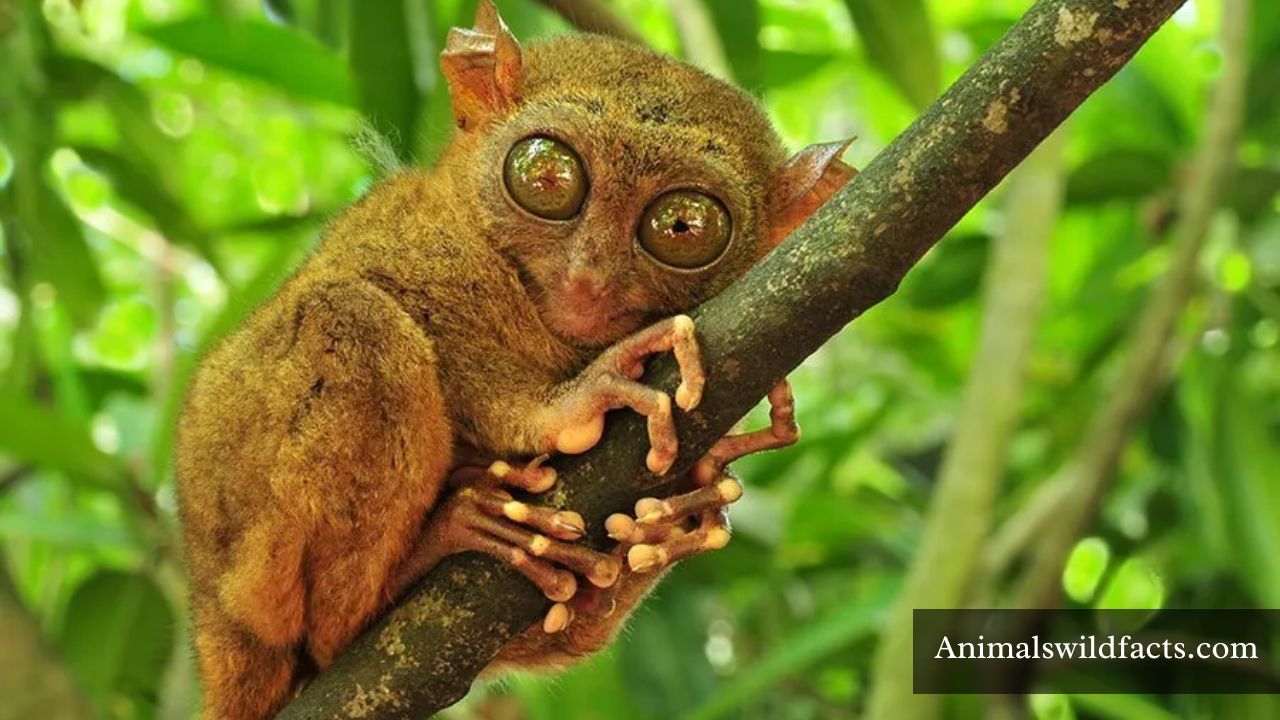
The tarsier, a small primate native to Southeast Asia, is renowned for its strikingly large eyes, which can measure over 16 millimeters in diameter — making them one of the largest relative to body size in the animal kingdom. These colossal peepers are not just for show; they provide crucial adaptations for their nocturnal lifestyle. With a keen ability to see in low light, tarsiers exhibit an extraordinary depth of field, allowing them to navigate their jungle habitats with precision, hunting for insects and small vertebrates under the cover of night.
Beyond their functionality, tarsiers evoke a sense of wonder and curiosity in those who encounter them. Their big eyes can express a wide range of emotions, captivating onlookers and stirring a deep empathy for these elusive creatures. Interestingly, unlike many primates, tarsiers are not highly social; they often prefer solitude, relying on their exceptional night vision to thrive in the shadows.
Readmore: Explore Top 20 Animals With Long Tail.
Chameleon
Scientific name: Chamaeleonidae
Class: Reptilia
Diet: Carnivore
Chameleons, with their strikingly large eyes, are a marvel of evolutionary adaptation. These fascinating reptiles possess a unique ability to move their eyes independently, allowing them to maintain a panoramic view of their surroundings. This extraordinary feature aids in spotting potential predators and prey, enhancing their survival in the wild. The large eyes, combined with their vibrant color-changing ability, make chameleons both visually stunning and highly effective hunters.
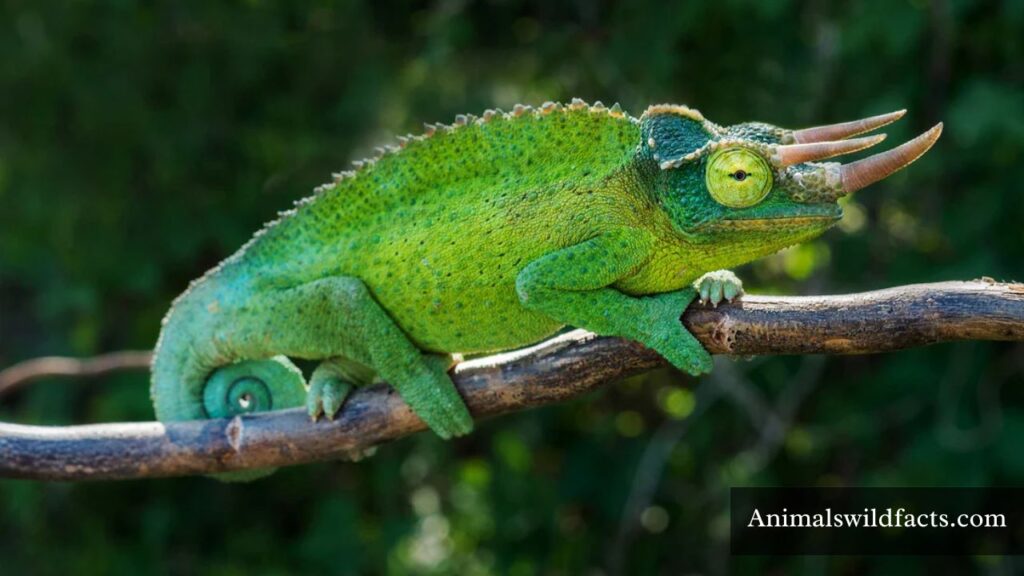
Beyond their impressive vision, chameleons exhibit an incredible range of behaviors influenced by their eyes. The size and position of their eyes help facilitate their specialized feeding technique, where they use their long, sticky tongues to capture insects from a distance. Interestingly, their eyes also play a vital role in communication; subtle movements can convey mood and intentions to other chameleons, adding a layer of social interaction to their otherwise solitary lives. This complexity showcases how adaptation transcends mere survival, weaving together aspects of behavior, ecology, and visual artistry in nature’s tapestry.
Lemur
Scientific name: Lemuroidea
Class: Mammalia
Diet: Omnivore
Lemurs, the enchanting primates native to Madagascar, are renowned for their enormous, expressive eyes that capture the essence of their playful and often elusive nature. These captivating features are not just for show; they serve a critical role in their nocturnal lifestyle. With their large eyes, lemurs possess an enhanced ability to see in low-light conditions, which helps them navigate the forest floor under the moonlight as they search for fruits and leaves, their primary food sources.
But the fascination with lemur eyes doesn’t end with their size. The prominent, often golden irises create an almost hypnotic gaze that can evoke a deep sense of connection with these creatures. This captivating appearance is complemented by their social dynamics; lemurs often communicate a wide range of emotions through their eye contact, from playful mischief to cautious curiosity. In a world increasingly disconnected from nature, the lemur’s gaze serves as a poignant reminder of the intricacies of wildlife, highlighting both the beauty of adaptation and the importance of conservation efforts to protect these remarkable animals and their habitats.
Bushbaby
Class: Mammalia
Diet: Omnivore
The bushbaby, or galago, is a fascinating nocturnal primate that captivates wildlife enthusiasts with its enormous eyes, adapted perfectly for nighttime exploration. These large orbs, which can be up to 50% of its face, allow the bushbaby to see in near-complete darkness, a remarkable evolutionary trait that makes it a master of its woodland habitat. This extraordinary vision is paired with a keen sense of hearing, enabling it to locate insects, fruit, and small vertebrates beneath the thick canopy of trees.
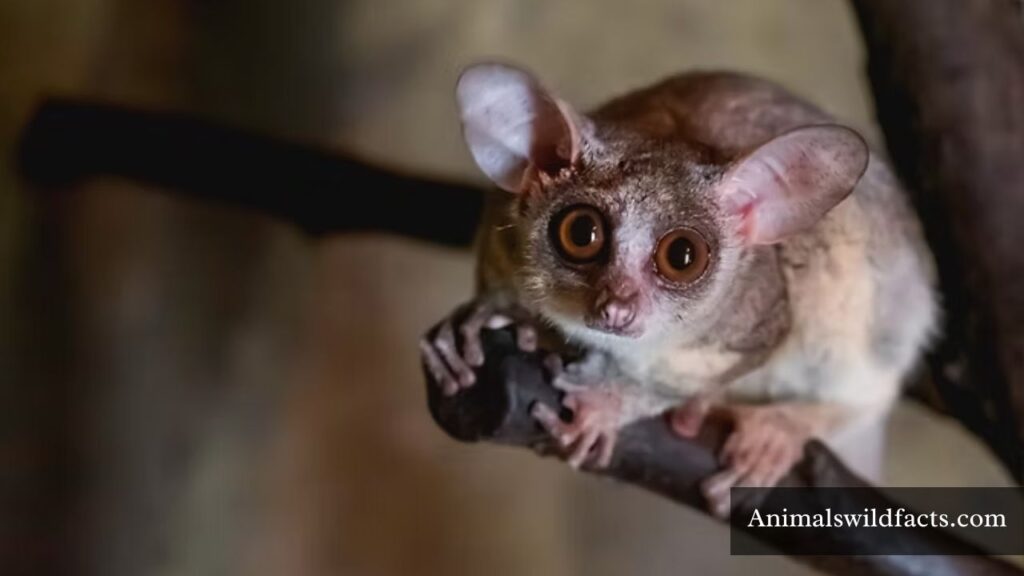
But the bushbaby’s big eyes symbolize more than just enhanced night vision; they embody a unique blend of vulnerability and agility. While their size may make them appear adorably quirky, these creatures are agile leapers, able to jump across distances equivalent to 10 times their body length, making survival in a predator-laden environment a thrilling endeavor. Their expressive gaze not only provides insights into their mood and social structures but also showcases the intricate balance of evolution, where physical adaptations meet behavioral strategies for survival.
Rabbit
Scientific name: Oryctolagus cuniculus
Class: Mammalia
Diet: Herbivore
Rabbits are often celebrated for their endearing floppy ears and twitching noses, but it’s their remarkably large eyes that truly capture our attention. These oversized orbs are not just a charming feature; they serve a critical evolutionary purpose. Positioned on the sides of their heads, a rabbit’s big eyes provide an almost panoramic view of their surroundings, allowing them to detect potential predators even from a distance. This strategic placement is a survival mechanism, enabling them to stay one step ahead in the wild.
The expressive nature of their eyes also offers a glimpse into their emotional world. When a rabbit is relaxed or content, its eyes appear bright and alert, conveying a sense of calm. In contrast, when threatened or frightened, their pupils dilate, betraying an instinctual response to danger. This ability to see in near-total darkness enhances their nocturnal lifestyle, granting them the advantage of twilight foraging while avoiding predators.
Pygmy Marmoset
Scientific name: Cebuella pygmaea
Class: Mammalia
Diet: Omnivore
The pygmy marmoset, often dubbed the “finger monkey,” captivates with its astonishingly large eyes, which serve more than just an adorable aesthetic. These expressive orbs are specially adapted for their rainforest habitat, allowing the tiny primates to see remarkably well in low light conditions. This nocturnal vision is essential for foraging at dusk, where their keen sight helps them spot insects and ripe fruits hidden beneath dense foliage.
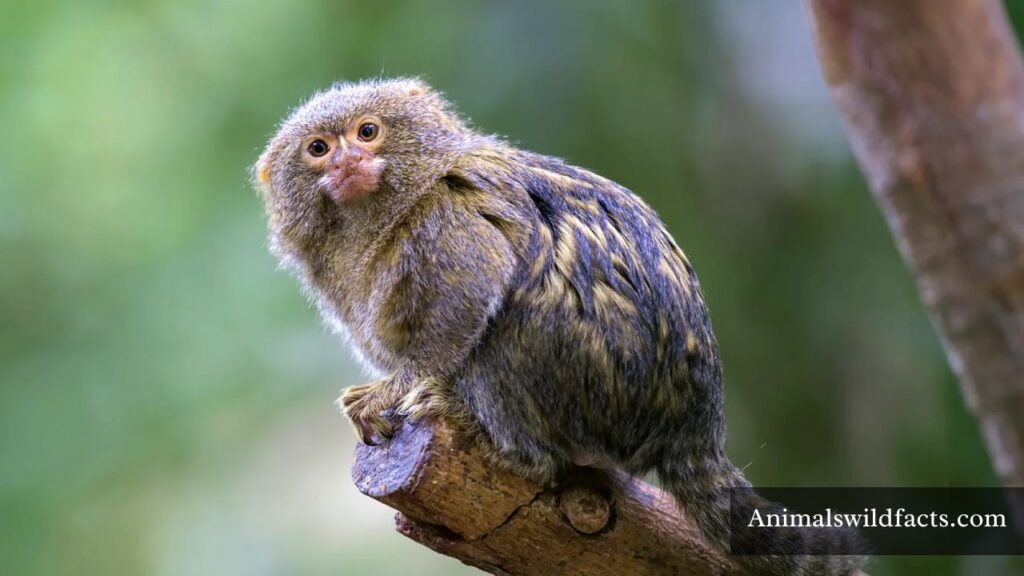
Beyond their striking appearance, these little creatures exhibit fascinating social behaviors that mirror their oversized peepers. Living in familial groups, pygmy marmosets communicate through a series of high-pitched calls and utilize their visual cues to coordinate activities within the troop. Their big eyes not only enhance their ability to navigate their intricate arboreal ecosystem but also play a crucial role in bonding and interacting with their kin.
Ostrich
Scientific name: Struthio camelus
Class: Aves
Diet: Omnivore
Ostriches, the world’s largest flightless birds, boast not only impressive stature but also remarkably large eyes, measuring about two inches in diameter. These colossal eyes serve a critical function in their survival, enhancing their ability to spot predators in the vast plains they inhabit. With the eye positioned high on their heads, ostriches can see a wide range without needing to move their bodies, providing a panoramic view that rivals that of any binoculars.
Beyond mere survival, the impressive size of their eyes reflects their unique behavioral adaptations. Unlike many birds, ostriches rely less on swift escapes and more on strategic movement; they can run at speeds exceeding 40 miles per hour. This high-speed evasion is complemented by their excellent vision, allowing them to detect threats from afar and respond accordingly.
Readmore: Explore Top 15 Animals with Long Horns.
Final Words
The allure of animals with big eyes goes beyond their cute appearance; it highlights the incredible ways nature has adapted to meet various survival challenges. These animals, with their large eyes, can navigate their worlds with extraordinary precision, whether hunting in the dark or spotting predators from afar. Their eye size often reflects their ecological roles, and understanding these relationships deepens our appreciation for biodiversity. As we learn more about these fascinating creatures, we should also consider the impact of human activity on their environments. Let’s commit to preserving these unique species and their habitats for generations to come.
FAQs
What animal has the biggest eyes?
The animal with the biggest eyes is the giant squid, which boasts eyes that can measure up to 10 inches (25 centimeters) in diameter. These massive eyes help it navigate the dark depths of the ocean, allowing the squid to detect light and movement in an environment with very little visibility. This adaptation is crucial for spotting predators and prey in the deep-sea habitat.
What is the cute animal with big eyes?
The tarsier is often considered the cutest animal with big eyes. These tiny primates, native to Southeast Asia, have enormous eyes that are perfectly adapted for their nocturnal lifestyle.
Which bird has huge eyes?
Owls are known for their huge, striking eyes. Their large eyes are adapted for low-light conditions, allowing them to see well at night. This feature is essential for their hunting strategy, as many owls are nocturnal predators.