Explore Top 16 Stubborn Animals (With Images)
Did you know that some animals can be so stubborn they defy their instincts? In the world of wildlife, “Stubborn Animals” aren’t just a figment of our imagination; they’re very real creatures that challenge our understanding of behavior and adaptability. This article explores why certain animals refuse to budge, offering insights that can deepen your appreciation for nature’s quirks. Prepare to discover surprising examples, learn about the science behind their behavior, and find out what stubbornness tells us about survival.
List of Stubborn Animals
Here is the list of stubborn animals in the world:
- Bulls
- Mules
- Camels
- Buffalo
- Horses
- Donkeys
- Raccoon
- Goats
- Llama
- Pig
- Cows
- Badger
- Terrier Dogs
- Cats
- Elephants
- Tortoises
Bulls
Scientific name: Bos taurus
Class: Mammalia
Diet: Herbivore
Bulls have long been synonymous with stubbornness, a characteristic that can be both fascinating and frustrating. Their renowned resistance often goes beyond mere defiance; it speaks to a deep-seated instinct for self-preservation. When faced with a perceived threat, a bull’s refusal to budge isn’t just an act of rebellion; it’s a savvy survival tactic. This innate behavior is rooted in their evolution, where standing one’s ground can mean the difference between life and death in the wild.
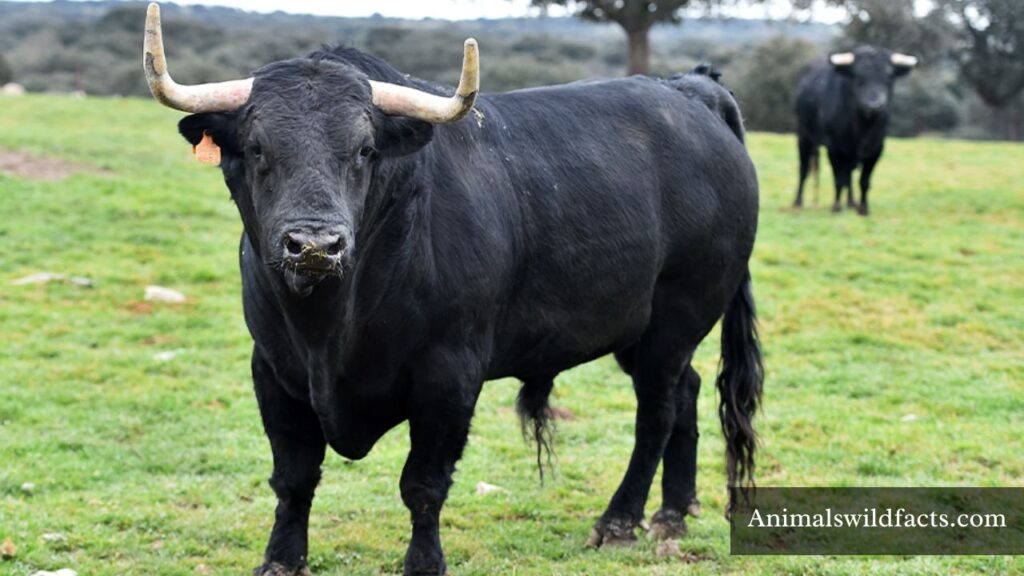
The stubbornness of bulls is not just an expression of aggression but can also highlight their intelligence. These animals are capable of making calculated decisions, weighing their options as they gauge the intentions of their handlers or the environment around them. For those who work closely with bulls, understanding this behavior can transform what is often seen as obstinacy into a form of communication. By recognizing the signs of a bull’s hesitance, caregivers can build trust, resulting in a more cooperative relationship that respects the animal’s instincts while promoting safety.
Mules
Scientific name: Equus mulus
Class: Mammalia
Diet: Herbivore
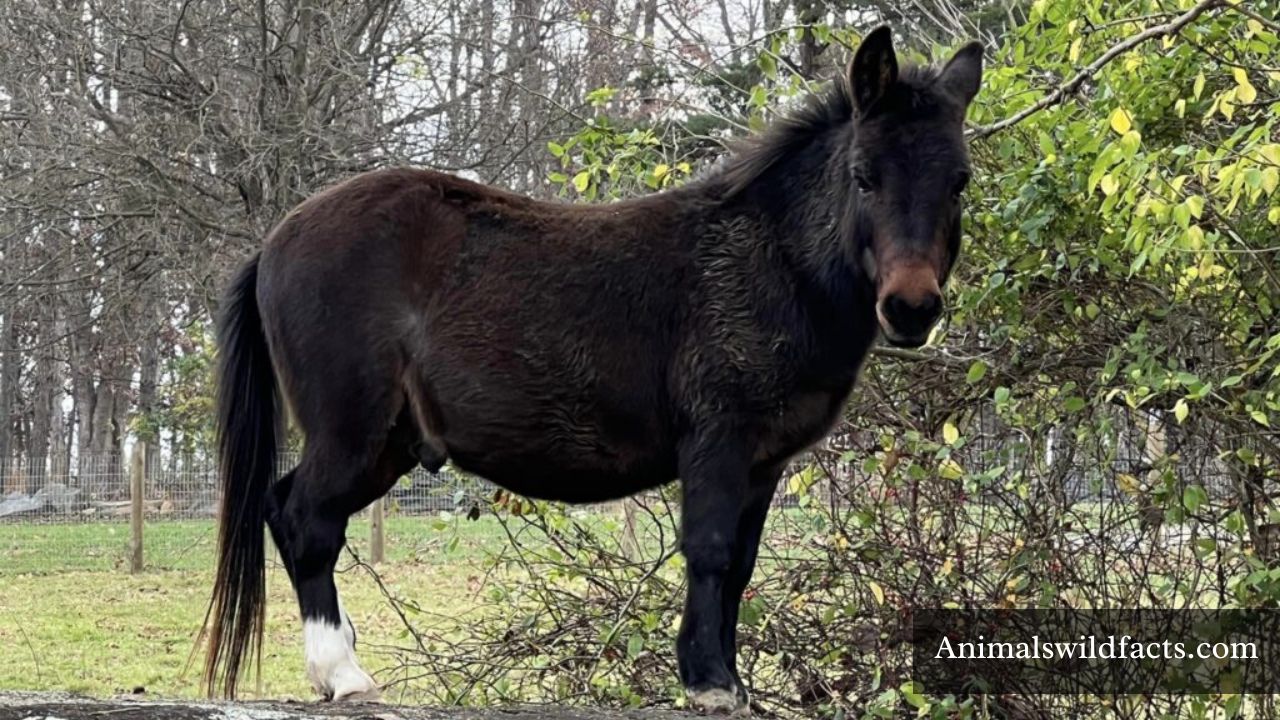
Mules, the hybrid offspring of a horse and a donkey, are often misunderstood and labeled as stubborn creatures. This reputation stems not from an inherent obstinacy but rather from their remarkable intelligence and strong will. Unlike their equine relatives, mules possess a keen sense of self-preservation, leading them to make decisions that might appear defiant. When faced with uncertainty or danger, a mule will take a stand, which can often be mistaken for a refusal to cooperate.
Their tenacity can be seen as a double-edged sword; it makes them reliable workers in harsher conditions where other animals might falter. For instance, mules are known for their sure-footedness in rugged terrains, making them invaluable companions for mountain trails and agricultural tasks. By understanding their behavior, we can appreciate their unique traits and learn to build trust rather than force compliance. This partnership fosters a deeper bond, allowing mules to showcase their true capabilities, challenging the stereotype of stubbornness and revealing a creature that thrives on respect and mutual understanding.
Camels
Scientific name: Camelus dromedarius / Camelus bactrianus
Class: Mammalia
Diet: Herbivore
Camels are often depicted as the quintessential stubborn animals, but this reputation warrants a deeper examination. Their seemingly obstinate nature is rooted in their incredible adaptability. In the harsh, arid environments where they thrive, camels have evolved to conserve energy and resources meticulously. When they decide to lie down and refuse to move, it’s not mere defiance; it’s a calculated strategy to deal with overwhelming circumstances, whether it’s extreme heat or fatigue.
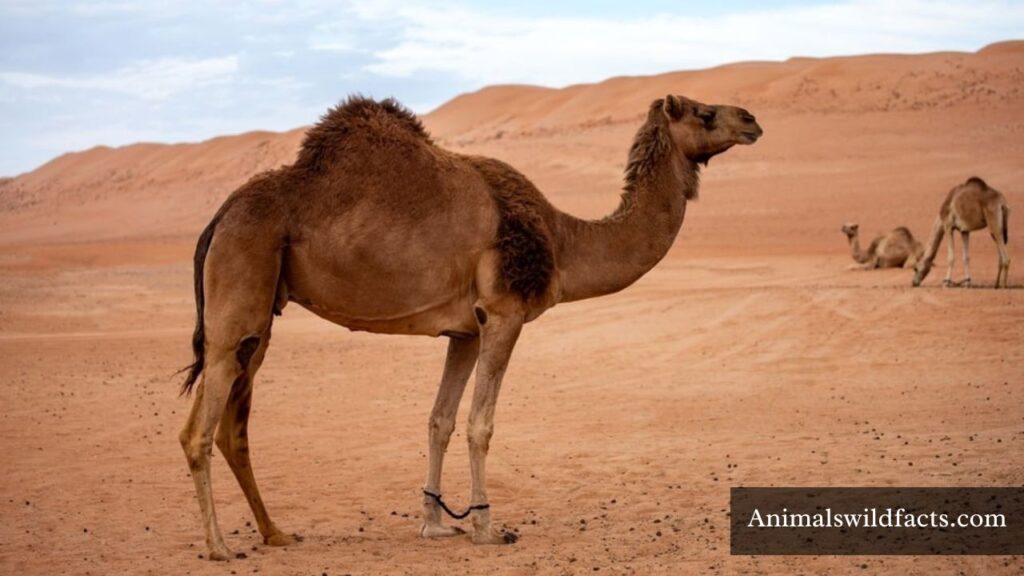
Moreover, camels possess a remarkable intelligence that often gets overshadowed by their willful demeanor. They can form strong bonds with their handlers and exhibit problem-solving skills that reveal an understanding of their surroundings. In Bedouin culture, camels have been considered valuable companions for generations, not just for their ability to endure long treks through deserts but for their keen awareness of the environment. This duality of stubbornness and intelligence makes the camel an extraordinary animal worthy of admiration, rather than a mere stereotype of obstinacy.
You can also read: Explore Top 25 Most Energetic Animals.
Buffalo
Scientific name: Bubalus bubalis
Class: Mammalia
Diet: Herbivore
Buffalo, often seen as the embodiment of tenacity, exhibits a unique blend of strength and stubbornness that captivates both wildlife enthusiasts and farmers alike. When faced with challenges, their slow, deliberate movements can almost seem like a refusal to engage, a characteristic that has earned them a reputation for being unyielding. This behavior isn’t merely obstinacy; it reflects a survival instinct honed over millennia. In the harsh landscapes they inhabit, buffalo weigh their options before charging ahead, embodying a wisdom that’s often overlooked.
Their herding behavior also illustrates a collective stubbornness. When threatened, buffalo will huddle together, using their size and strength to form an almost impenetrable wall. This defensive tactic speaks to their instinctual need for protection and solidarity. It’s as if they are saying, “Together, we withstand,” a testament to their deep-rooted social structures and loyalty to one another, further enhancing their image as formidable creatures. This combination of individual tenacity and communal strength serves as a poignant reminder that stubbornness can be both a protective mechanism and a powerful social force.
Horses
Scientific name: Equus ferus caballus
Class: Mammalia
Diet: Herbivore
Horses, often seen as symbols of grace and power, can also exhibit surprising stubbornness, particularly when faced with a challenge they find unnecessary or uncomfortable. This behavior isn’t sheer defiance; rather, it can stem from their highly sensitive nature and unique personality traits. A horse that plants its feet or refuses to move might be voicing concern about its surroundings, signaling a lack of trust in the situation or its rider. Understanding this perspective opens up a new dialogue between horse and handler, inviting empathy rather than frustration.
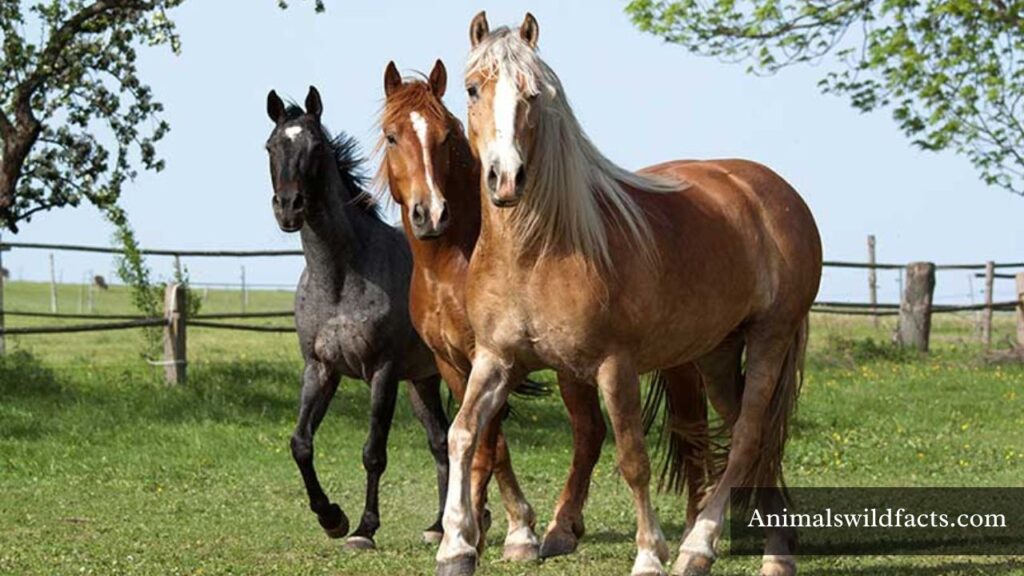
The bond between horse and human plays a crucial role in overcoming stubbornness. Horses are intelligent creatures, capable of forming deep emotional connections. Building trust through consistent training practices can transform a horse’s reluctance into eager participation. Unorthodox methods, like offering a favorite treat or engaging in playful activities, can also shift their mindset. This dynamic highlights the equine’s keen ability to respond to positive reinforcement, underscoring the importance of mutual respect and patience in forging strong partnerships. By recognizing and addressing the underlying causes of a horse’s stubborn behavior, we can cultivate a deeper understanding and strengthen our connection with these majestic animals.
Donkeys
Scientific name: Equus africanus asinus
Class: Mammalia
Diet: Herbivore
When we think of stubbornness, donkeys often come to mind, yet this perception neglects the animal’s incredible intelligence and strong sense of self-preservation. Donkeys are naturally cautious creatures that prioritize their safety over blind obedience. When a donkey refuses to move, it’s not mere obstinacy; it’s often a calculated decision rooted in instinct. This quality makes them exceptional guardians for livestock, as they assess threats before acting.
Moreover, donkeys have rich emotional lives that contribute to their behaviors. Their loyalty and deep bonds with humans and fellow animals often come across as stubbornness when they refuse to cooperate in stressful situations. Engaging with donkeys requires patience and understanding, as establishing trust can lead to a rewarding partnership. By recognizing their unique traits, we can transform our relationship with these often-misunderstood animals, appreciating the depth behind their seemingly stubborn façade.
Raccoon
Scientific name: Procyon lotor
Class: Mammalia
Diet: Omnivore
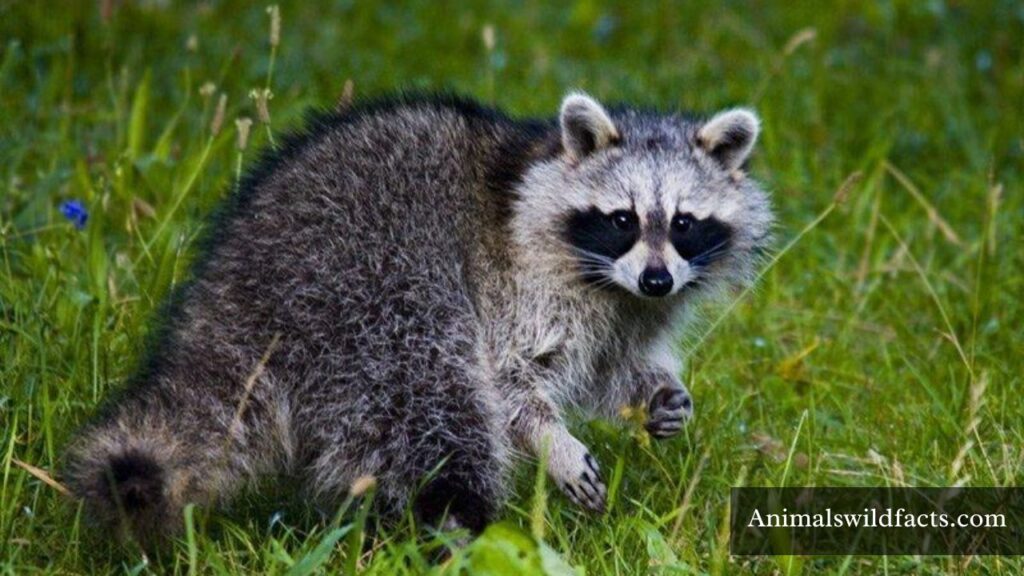
Raccoons are often the embodiment of stubbornness in the animal kingdom, exhibiting a remarkable blend of intellect and tenacity. Known for their dexterous front paws, these masked bandits approach challenges with an unyielding determination. Whether they’re attempting to open a trash can or navigating complex puzzles set up by researchers, raccoons demonstrate problem-solving skills that rival those of primates. This innate stubbornness serves them well in urban environments, where they’ve adapted to thrive despite human attempts to thwart their antics.
Goats
Scientific name: Capra aegagrus hircus
Class: Mammalia
Diet: Herbivore
Goats are often celebrated for their quirky personalities, but their stubbornness transcends mere entertainment. Known for their independent spirit, these animals have an innate ability to challenge authority, often testing the limits of their handlers. This defiance can manifest in various ways; whether it’s leaping over fences or refusing to follow a set path, goats exhibit a delightful mix of curiosity and tenacity. Their stubbornness isn’t just a nuisance, though — it’s an essential trait that contributes to their survival in the wild.
Furthermore, the way goats interact with their environment reveals an intelligence that goes beyond simple obstinance. They use their strong problem-solving skills to navigate and manipulate their surroundings, often outsmarting barriers designed to contain them. This intelligence, coupled with their stubborn undertones, invites us to consider a deeper connection with these creatures. Instead of viewing their behavior as merely rebellious, we might see it as a unique expression of their autonomy, reminding us that even in domestication, goats retain a vestige of their wild, untamed nature.
Llama
Scientific name: Lama glama
Class: Mammalia
Diet: Herbivore
Llamas are notorious for their stubborn streak, a trait that has both amused and exasperated their handlers. When faced with a situation they find unappealing — like leaving a comfortable patch of grass or descending a steep trail — these charming creatures won’t budge without a convincing motivation. This resistance is not just a display of defiance; it stems from their natural instinct to assess situations carefully. They rely on a “better safe than sorry” mindset that serves them well in the wild, making them more discerning than many other domesticated animals.
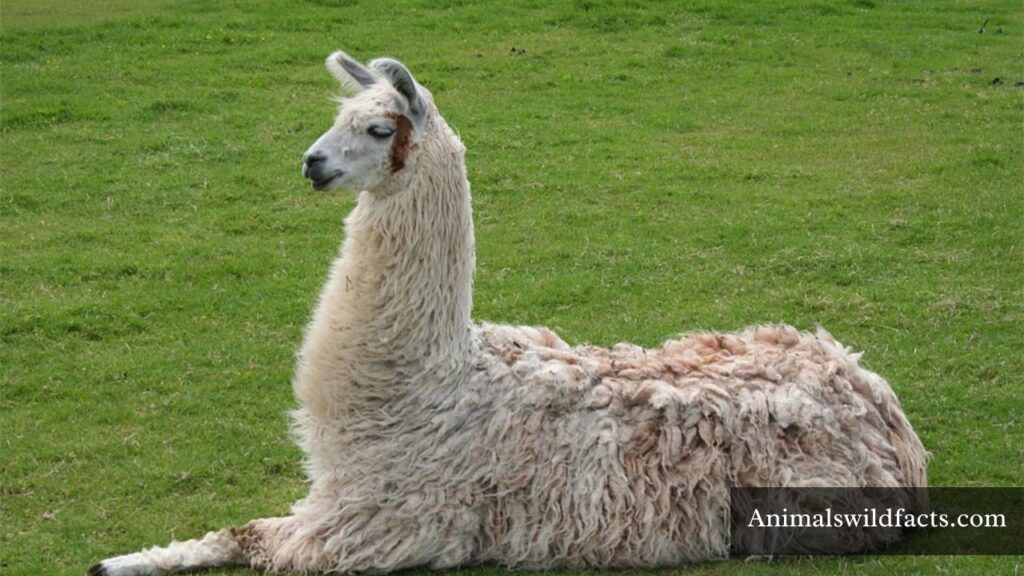
Interestingly, this stubbornness can be leveraged into positive training strategies. Handlers who coax llamas with patience and reward-based methods often find that these shifts not only build trust but also deepen the bond between animal and owner. Instead of forcing compliance, encouraging exploration and curiosity allows llamas to embrace new experiences at their own pace. This slow, deliberate approach reveals an unexpected side of their personalities; once persuaded, a llama can display remarkable intelligence and even a playful spirit. Ultimately, what seems like stubbornness may simply be a llama’s way of ensuring that it remains both safe and happy, reminding us that patience truly pays off in forging meaningful connections with these unique animals.
Readmore: Explore Top 22 Quiet Animals in the World.
Pig
Scientific name: Sus scrofa domesticus
Class: Mammalia
Diet: Omnivore
Pigs often get a bad rap for being stubborn, but this reputation overlooks their remarkable intelligence and adaptability. When they dig in their heels — quite literally — you might witness a captivating blend of determination and resourcefulness. Their strong-willed nature can sometimes be a strategic move; in the wild, a pig’s stubbornness helps it navigate through challenging terrains and protect itself from predators.
Curiously, pigs are problem-solvers, too. If they refuse to budge from a certain spot, it might be because they’ve spotted a hidden treat or are attempting to outsmart their surroundings. This behavior highlights their keen sense of observation and critical thinking skills. Engaging with a pig means appreciating its unique personality, where stubbornness is more than a mere obstacle; it becomes a fascinating lens through which we can understand their world.
Cows
Scientific name: Bos taurus
Class: Mammalia
Diet: Herbivore
Cows embody a unique blend of personality and resilience that often surprises those who view them merely as farm animals. Their stubbornness is not simply a refusal to move; it’s an expression of their complex social dynamics and individual temperament. When a cow digs in her hooves, she may be asserting her comfort zone — animals thrive on routine, and change can be particularly jarring. This behavior often reveals a deeper understanding of their surroundings, demonstrating that these creatures are not just passive participants but rather active thinkers in their own right.
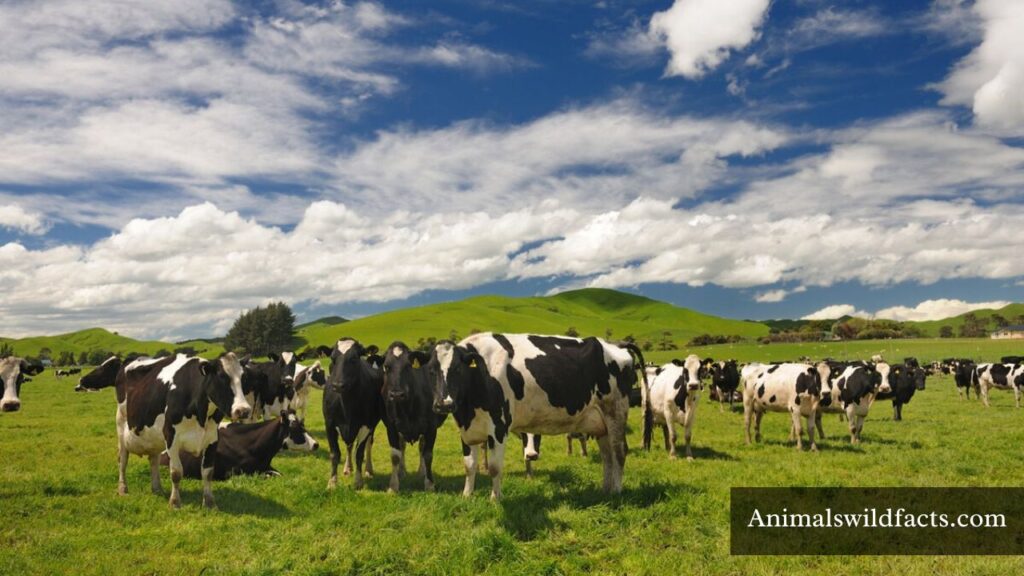
Cows possess an impressive memory, allowing them to remember both human faces and the layouts of their environments. This cognitive ability can sometimes come across as stubbornness; for instance, a cow may resist moving from a familiar patch of grass or a favorite sunbathing spot because she knows the risks associated with change. By recognizing their intelligence, we can begin to appreciate the gentle, yet firm nature of these animals.
Badger
Scientific name: Meles meles
Class: Mammalia
Diet: Omnivore
Badgers, with their stocky bodies and distinctive stripes, are the embodiment of stubbornness in the animal kingdom. Their tenacity is most vividly displayed when they face threats. Instead of fleeing, badgers often stand their ground, showcasing a fierce loyalty to their burrows and young. This courageous behavior not only emphasizes their relentless spirit but also highlights a deep-rooted instinct to protect their territory, making them fascinating subjects for study on animal behavior.
These nocturnal creatures are also known for their remarkable adaptability. Despite their reputation for stubbornness, badgers will often choose to dig new tunnels when faced with an obstacle or danger. This blend of resilience and creativity suggests that their stubbornness is not merely obstinate; rather, it’s a strategic approach to survival.
Terrier Dogs
Class: Mammalia
Diet: Omnivore
Terrier dogs are renowned for their unwavering determination, often leading to their reputation as stubborn companions. This tenacity, while sometimes frustrating for owners, is rooted in their history as working dogs. Bred for hunting and rodent control, terriers possess an intrinsic drive and a fierce independence that can challenge even the most seasoned trainers. Their intelligence is double-edged; they grasp commands quickly but are equally adept at testing boundaries, making every training session a dance of wills.
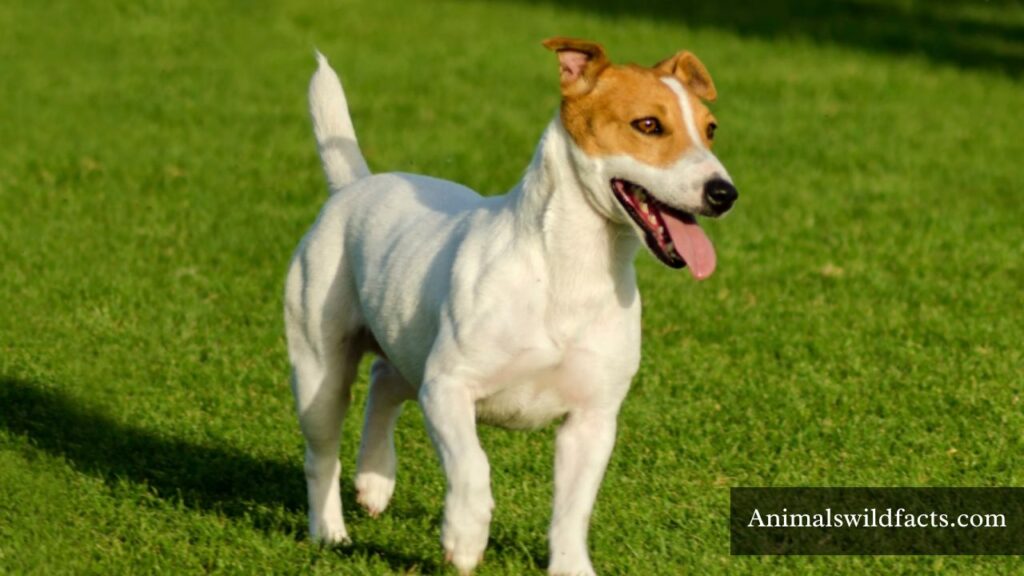
Moreover, each terrier breed showcases unique quirks that define their stubbornness. For instance, the Jack Russell Terrier embodies a boundless energy and zest for exploration, often prioritizing their own agenda over obedience. Meanwhile, the Bull Terrier, with its playful disposition, may refuse a command simply to engage in a game of fetch instead. Embracing these behaviors rather than viewing them as obstacles can transform the training experience into a fun-filled partnership, where the owner learns to communicate effectively and creatively with their stubborn yet spirited companions. Understanding that a terrier’s stubbornness is often just an expression of their vibrant personality can lead to a deeper bond, turning frustration into fond tales of adventure and camaraderie.
Cats
Scientific name: Felis catus
Class: Mammalia
Diet: Carnivore
Cats have long held the title of being one of the most notoriously stubborn pets, exhibiting a unique blend of independence and charm that often leaves their owners chuckling in frustration. A cat’s refusal to move from a warm spot — whether it’s a sunny windowsill or your lap — isn’t merely stubbornness; it’s a deep understanding of comfort and relaxation, showcasing their discerning nature.
The fascinating aspect of feline stubbornness lies in their powerful sense of agency. When a cat decides to ignore your call or engage in selective hearing, it’s not just defiance; it’s a profound expression of choice. They have an innate ability to assess situations based on their own whims, making every interaction a dialogue rather than a monologue. This dynamic enriches the bond between humans and their feline companions, as owners learn that patience and understanding are often far more effective than frustration and demands. T
Elephants
Scientific name: Loxodonta africana / Elephas maximus
Class: Mammalia
Diet: Herbivore
Elephants are often celebrated for their intelligence and deep social bonds, but they can also exhibit a stubbornness that surprises observers. When a decision is made — whether it’s not moving from a favored mud wallow or resisting the call of their herd to head back home — these magnificent giants stand firm. This tendency isn’t just a quirky personality trait; it reflects their problem-solving skills and strong sense of autonomy. In a world where their habitats are continually threatened, this stubbornness can actually serve as a form of self-preservation, allowing them to assert control over their environments.
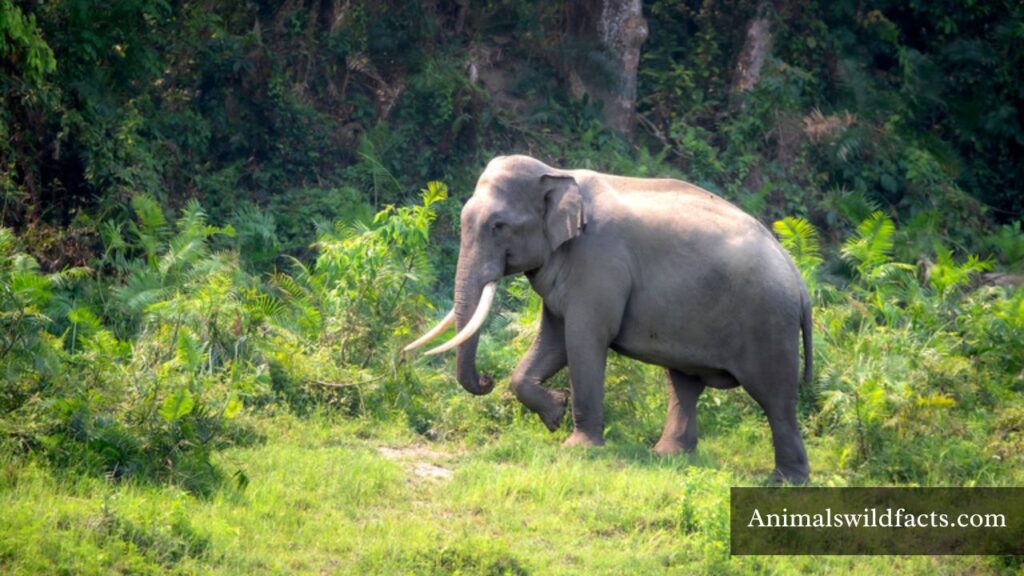
Moreover, this defiance plays a crucial role in their social structure. For instance, older matriarchs often display stubborn behavior when it comes to the safety of their herd. When they sense danger, they may refuse to follow the group’s impulse to flee, instead advocating for a more strategic retreat that benefits the entire family. This insight into their behavior challenges our perception of stubbornness as merely obstinacy; it highlights a layered complexity where insistence and wisdom coincide.
Tortoises
Class: Reptilia
Diet: Herbivore
Tortoises, often seen as the epitome of stubbornness, have a depth to their character that transcends their slow-paced reputation. When you observe their deliberate movements, they embody a profound sense of purpose. These creatures carry not just their homes on their backs, but also a significant evolutionary legacy that spans millions of years. Their methodical approach to life teaches us about patience and resilience — qualities often overlooked in today’s fast-paced world.
Interestingly, the stubbornness of tortoises is a survival mechanism. In the wild, their lethargic demeanor allows them to conserve energy during resource-scarce periods. Rather than darting around in search of food, they carefully assess their surroundings, making intelligent decisions about when and where to move. This innate wisdom highlights a remarkable trait — their ability to adapt and thrive within their environment, transforming what we often misconstrue as stubbornness into a strategy for longevity.
Readmore: Explore Top 18 Animals With Sharp Claws.
Conclusion
Stubborn animals often remind us of their strong will and independence, showcasing the complexities of their behaviors. Whether it’s a stubborn mule refusing to move or a cat that insists on its own terms, these creatures have a way of asserting their personalities. Understanding the reasons behind their obstinacy can help us build better relationships with them, improving training methods and enhancing the human-animal bond. As we navigate the challenges posed by these spirited animals, patience and empathy become essential tools. So, let’s cherish their unique traits and embrace the delightful quirks that make them who they are.
FAQs
Which animal is stubborn?
Many people consider donkeys to be one of the most stubborn animals. This reputation comes from their strong-willed nature. When they don’t want to move or comply, they can dig in their heels and resist. However, this behavior often stems from their intelligence and instinct to assess their surroundings before acting.
Is a goat a stubborn animal?
Yes, goats can be quite stubborn. They have a strong sense of independence and often prefer to do things on their own terms. When they decide they’re not interested in moving or following commands, they can be quite formidable in their refusal. However, this stubbornness can also be seen as a form of intelligence. Goats are curious and problem-solvers, which sometimes leads them to ignore instructions if they think there’s a better option available.
Which dog is very stubborn?
Bulldogs are often labeled as stubborn due to their independent nature. They can be quite set in their ways and may resist commands if they don’t see the point in following them. This can make training a challenge, requiring patience and consistent reinforcement.
Are pigs stubborn animals?
Yes, pigs can be quite stubborn animals. They are intelligent and curious, which means they often have their own ideas about what they want to do.
Are bulls stubborn?
Yes, bulls can be perceived as stubborn. They have strong personalities and often exhibit behaviors that suggest they don’t always want to comply with commands. This can be attributed to their natural instincts and dominance behaviors, which are essential in a herd hierarchy.