
Interesting Top 20 Most Docile Animals in the World (With Images)
In this article, we will explore the Most Docile Animals in the World, showcasing creatures that embody tranquility and grace. Understanding these animals not only highlights the beauty of nature but also reminds us of the importance of compassion in our interactions with wildlife. By the end, you’ll have a newfound appreciation for these peaceful beings and the vital roles they play in their ecosystems.
List of Most Docile Animals in the World
Below is the list of docile animals:
| Number of Animals | Names of Most Docile Animals |
| 1 | Cats |
| 2 | Dogs |
| 3 | Rabbits |
| 4 | Cow |
| 5 | Sheep |
| 6 | Llama |
| 7 | Guinea Pig |
| 8 | Manatee |
| 9 | Giant Tortoise |
| 10 | Domestic Goat |
| 11 | Horse |
| 12 | Doves |
| 13 | Swans |
| 14 | Dolphins |
| 15 | Elephants |
| 16 | Bats |
| 17 | Bearded Dragons |
| 18 | Capybara |
| 19 | Quokka |
| 20 | Deer |
Cats
Scientific Name: Felis catus
Class: Mammalia
Diet: Carnivore
Cats often embody an enchanting blend of independence and affection, making them one of the most docile companions in the animal kingdom. Unlike their more assertive counterparts, these feline friends thrive on subtlety. Their gentle purring can be an instant stress reliever, creating a serene ambiance that highlights their innate calming presence. This innate ability to soothe anxiety makes cats excellent candidates to be documented as an ESA. A cat’s docility shines through in its unique communication style, characterized by the delicate slow blink — a silent signal of trust and comfort that deepens the bond between pet and owner.

Moreover, the behavior of cats showcases a fascinating adaptability to home environments. Many breeds, such as the Ragdoll or Scottish Fold, display an irresistibly laid-back demeanor, often choosing to lounge around rather than engage in the high-energy antics seen in other pets. This tranquility allows them to harmonize with busy households, often becoming silent observers or affectionate lap warmers. As they curl up in sunlit corners, their graceful stillness invites a moment of mindfulness, reminding us of the power of companionship in fostering peace within bustling lives.
Dogs
Scientific Name: Canis lupus familiaris
Class: Mammalia
Diet: Omnivore
Dogs have long been hailed as humanity’s best friend, a title well-earned through millennia of companionship and cooperation. Their docility often stems from their unique social structures, mirroring human communities. This instinctual tendency to bond and cooperate allows dogs to navigate complex social environments, making them incredibly responsive to training and human emotions. The brain of a dog, particularly the areas that process social interactions, is highly developed, allowing them to read human cues with remarkable accuracy.
Moreover, different breeds showcase variations in docility — larger breeds like Newfoundlands and gentle giants often embody a serene temperament, while smaller breeds can equally surprise with their calm demeanor. Interestingly, the individual dog’s upbringing plays a critical role; a well-socialized puppy raised in a positive environment will typically display a more docile nature than one lacking early social experiences. This ability to adapt to family dynamics and environments makes dogs not just pets but integral members of our households, often providing emotional support and companionship that enriches lives in profound ways.
Rabbits
Scientific Name: Oryctolagus cuniculus
Class: Mammalia
Diet: Herbivore
Rabbits, often viewed as the quintessential pets, embody a blend of gentleness and playful curiosity. Their docile nature allows them to form deep bonds with humans, showcasing unique personalities that can range from shy to delightfully mischievous. Watching a rabbit binky — an exuberant leap and twist in the air — offers a glimpse into their joyful spirit, reminding us of the simple pleasures in life.

Beyond their playful antics, rabbits are highly social creatures that thrive on companionship. They communicate through subtle body language, using ear positions and twitches to express their emotions. This sensitivity makes them not just pets, but companions that reflect the energy of their surroundings. Providing a calm environment enriched with toys and tunnels can significantly enhance their well-being, transforming your home into a vibrant rabbit haven. With their quiet charm and affectionate nature, rabbits can inspire us to foster deeper connections and appreciate the quiet moments of joy in our daily lives.
You can also read: Explore Top 22 Chubby Animals in The World.
Cow
Scientific Name: Bos taurus
Class: Mammalia
Diet: Herbivore
Cows, often viewed as mere agricultural assets, possess a rich tapestry of social behaviors that render them some of the most docile creatures on the planet. Their strong sense of community is striking; cows form lasting friendships and exhibit empathy towards their peers. Research shows that when separated from companions, they display signs of stress, highlighting their emotional depth and social intelligence. The bonds they forge are not just fleeting; cows have been observed seeking out specific individuals within their herds for comfort and support.
Moreover, cows are remarkable in their ability to communicate non-verbally. Their body language, whether it’s a subtle shift of the ears or a gentle nudge, plays a significant role in expressing their feelings and desires. This communicative prowess reflects a level of complexity that often goes unnoticed in the mundane settings of farms. Interestingly, their docility has implications beyond their immediate environment; happy and stress-free cows are known to produce higher quality milk, positively affecting both agriculture and consumer health.
Sheep
Scientific Name: Ovis aries
Class: Mammalia
Diet: Herbivore
Sheep, often perceived as the quintessential symbol of docility, possess a surprisingly complex social structure and intelligence that challenges this stereotype. Within their flocks, these animals exhibit remarkable behaviors, such as forming strong bonds and displaying a keen awareness of their surroundings. Their ability to recognize individual faces — both human and ovine — illustrates a level of cognitive sophistication that speaks to their adaptability and communal nature.

Moreover, sheep communicate through a variety of vocalizations, each tailored to express different emotions or alert the flock to potential dangers. This social intelligence enriches their lives beyond mere survival, fostering a sense of community and cooperation that is vital for their safety.
Llama
Scientific Name: Lama glama
Class: Mammalia
Diet: Herbivore
Llamas are often celebrated for their gentle demeanor and striking appearance, making them not just adorable companions but also guardians of livestock. Interestingly, their calm nature stems from their social structure; llamas thrive in herds, relying on the company of others to feel secure. This social intelligence allows them to bond closely with humans and other animals, creating a symbiotic relationship that benefits both parties.
Beyond their docility, llamas possess a unique ability to read emotional cues. Their expressive faces and body language can mirror the feelings of those around them, making them excellent therapy animals. Whether in a petting zoo or a therapeutic setting, their serene presence encourages relaxation and connection, providing an unspoken comfort that few creatures can match. This remarkable blend of sociability and emotional intuition makes llamas not only delightful companions but also powerful allies in fostering human well-being.
Guinea Pig
Scientific Name: Cavia porcellus
Class: Mammalia
Diet: Herbivore
Guinea pigs, with their gentle demeanor and playful personalities, make for surprisingly enriching companions. These small creatures thrive on social interactions, not only with their fellow guinea pigs but also with their human caretakers. Their vocalizations, ranging from soft purrs to excited wheeks, create an engaging dialogue that fosters a unique bond.

Beyond their charming quirks, guinea pigs also serve as fantastic educational platforms for young pet owners. Their needs for regular handling and care cultivate responsibility and empathy in children, transforming a simple pet ownership experience into a valuable life lesson. Moreover, guinea pigs have a knack for brightening rooms with their unwavering cheerfulness, reminding us that companionship is often found in the simplest forms.
Also read: Explore Top 11 Animals with Big Noses.
Manatee
Scientific Name: Trichechus manatus
Class: Mammalia
Diet: Herbivore
Manatees, often dubbed “sea cows,” embody a serene grace that enchants those fortunate enough to encounter them. These gentle giants glide through warm coastal waters, their slow, deliberate movements inviting admiration and wonder. With a diet primarily consisting of seagrass, manatees play an unexpected yet crucial role in maintaining healthy marine ecosystems. By grazing on vegetation, they help prevent overgrowth, allowing light to penetrate water for other aquatic life forms to flourish.
What truly sets manatees apart, however, is their friendly temperament. Known for their inquisitive nature, these creatures have been observed approaching boats and swimmers with a gentle curiosity. Their docile demeanor fosters a unique bond with humans; many people return from encounters feeling a profound connection to these peaceful beings. As they navigate their watery world, manatees remind us of the importance of conservation, urging us to protect not just their habitats but the delicate balance of nature that sustains us all.
Giant Tortoise
Scientific Name: Chelonoidis nigra
Class: Reptilia
Diet: Herbivore
The giant tortoise embodies tranquility, moving through life at a leisurely pace that invites contemplation. Found primarily in the Galápagos Islands, these colossal creatures can live for over a century, serving as living symbols of resilience and endurance. Their docility is a survival mechanism; in the absence of natural predators, they have evolved to be remarkably gentle, relying on a slow but steady lifestyle to forage on the vegetation that sustains them.

Observing a giant tortoise in its habitat reveals an unexpected wisdom in its movements. Each deliberate step seems to echo the rhythm of the earth, reminding us of the importance of patience and mindfulness in our own hurried lives. Moreover, their social interactions are poignant; these turtles often engage in gentle “headbutting” displays, a form of social bonding rather than aggression, illustrating that even in the animal kingdom, cooperation can flourish over conflict.
Domestic Goat
Scientific Name: Capra hircus
Class: Mammalia
Diet: Herbivore
The domestic goat, renowned for its gentle demeanor and remarkable adaptability, often surprises those unfamiliar with its personality. These animals are not merely livestock; they are affectionate companions with a knack for forming strong bonds with their human caretakers. Many goat owners attest to their unique, playful antics, which can range from climbing to the highest point in the yard to engaging in spontaneous games of tag. This playful spirit makes them delightful companions and a source of joy for families, especially in rural settings.
Goats excel in their social structures, typically forming close-knit herds that prioritize cooperation and companionship. Their innate curiosity drives them to explore and interact, not just with their own kind but also with other species. This social nature can serve as an excellent tool for teaching kids responsibility and empathy, as caring for a goat offers lessons in trust and companionship. In essence, the domestic goat exemplifies the beauty of gentle resilience and playful intelligence — qualities that enrich our lives as much as they do their own.
Horse
Scientific Name: Equus ferus caballus
Class: Mammalia
Diet: Herbivore
Horses have long been celebrated not just for their strength and grace, but for their remarkably gentle nature. Their docility allows them to form deep bonds with humans, making them ideal companions in both work and leisure. These majestic animals respond to subtle cues, showcasing a keen sensitivity to their rider’s emotions — an aspect often overlooked. This unique ability fosters a communication that transcends words, creating a profound connection that can help heal emotional wounds.

Moreover, horses exhibit an incredible capacity for empathy, often mirroring the feelings of those around them. When in the presence of stressed or anxious individuals, they tend to calm and soothe, proving their role as therapeutic animals in various settings. This instinctual response elevates their status from mere companions to essential partners in emotional and physical rehabilitation.
Readmore: Explore Top 17 Clumsy Animals in The World.
Doves
Class: Aves
Diet: Herbivore
Doves, often associated with peace and love, are more than just symbols; they embody a serene presence that captivates many. Their gentle cooing, a hallmark of their serene nature, creates an auditory oasis in bustling environments, drawing the attention of both birdwatchers and casual observers alike. Unlike some other species that exhibit aggressive territorial behaviors, doves thrive in social settings, forming strong bonds with their mates and displaying remarkable parental care, making them a captivating choice for home environments.
What truly sets doves apart is their unique communication method. Beyond mere coos, these birds use a variety of sounds and subtle body language to express contentment, discomfort, or alarm. Their calm demeanor and soft interactions lend themselves well to an atmosphere of tranquility — qualities that many pet owners find appealing in domestic animals. In the wild, their flocking behavior offers an intriguing glimpse into their social structures, as they navigate the challenges of survival not through aggression, but through unity and cooperation.
Swans
Class: Aves
Diet: Herbivore
Swans are often celebrated for their ethereal beauty and graceful movements, but beneath their serene exterior lies a fascinating social structure that captivates observers. These elegant birds are not only monogamous, often forming lifelong pairs, but they also display remarkable loyalty to their mates and offspring. This bond fosters a nurturing environment that can be quite a spectacle, as both parents engage in protective behaviors, ensuring their cygnets are safe from potential threats.

Moreover, swans have a unique way of communicating their emotions through body language. Their posture, head movements, and even vocalizations can reveal a range of feelings from contentment to defensiveness. When approached with respect, these majestic creatures exhibit a curious calmness, allowing people to witness their natural behaviors up close. However, this tranquility quickly shifts if they feel their young are threatened, demonstrating that even the most docile animals have a fierce side — a reminder of the intricate balance between gentleness and instinctual protection in the animal kingdom.
Dolphins
Scientific Name: Delphinidae
Class: Mammalia
Diet: Carnivore
Dolphins, often hailed as the ocean’s most playful creatures, exemplify a harmonious blend of intelligence and sociability. Their ability to communicate through complex vocalizations and gestures is not just fascinating; it also highlights their strong social structures, reminiscent of human communities. In the wild, these highly social beings form pods that can consist of anywhere from a few individuals to over a hundred, showcasing their cooperative nature and deep emotional bonds.
Interestingly, dolphins also exhibit a remarkable capacity for empathy, a trait rarely found in the animal kingdom. They’ve been observed helping injured or sick members of their pod, sometimes even supporting them at the surface to breathe. This compassion extends to other species as well; there are numerous accounts of dolphins rescuing swimmers from danger or guiding lost sea animals to safety. These behaviors not only underscore their docility but also paint a picture of creatures who thrive on connection, leaving us to ponder the deeper emotions that underlie their friendly demeanor.
Elephants
Scientific name for African: Loxodonta africana
Scientific name for Asian: Elephas maximus
Class: Mammalia
Diet: Herbivore
Elephants, often regarded as the gentle giants of the animal kingdom, exhibit an astonishing blend of intelligence, emotional depth, and social complexity. These magnificent creatures form tight-knit family units, exhibiting behaviors that reflect empathy and compassion. Their ability to mourn for lost family members showcases not just their emotional richness but also their strong social bonds, which can rival human relationships in depth and significance.

Moreover, elephants possess remarkable communication skills, employing a range of vocalizations and body language to convey feelings and intentions. From low-frequency rumbles that can be heard over vast distances to gentle touches with their trunks, these creatures demonstrate a nuanced understanding of social cues. Their docility is often highlighted in how they respond to human interaction, demonstrating patience and curiosity when treated with respect.
Also read: Explore Top 16 Stubborn Animals.
Bats
Scientific Name: Order: Chiroptera
Class: Mammalia
Diet: Omnivore / Species-dependent
Bats often evoke images of eerie caves and dark skies, yet these remarkable creatures are surprisingly docile. Many people don’t realize that over 1,400 species of bats exist, and the vast majority are harmless, focusing on insects and fruits rather than seeking out human interaction. In fact, some bats play a crucial role in pollination and seed dispersal, promoting the health of ecosystems and agriculture.
What’s more intriguing is their social behavior; many bat species thrive in large colonies, showcasing a level of communal living that rivals some of our most cherished social animals. They use sophisticated echolocation to navigate and communicate, often leading to elaborate “chatter” among roost mates that can be mistaken for raucous celebration. This quiet network of communication not only fosters social bonds but also highlights the adaptability and intelligence of these creatures, making bats not just docile, but incredibly fascinating members of our animal kingdom.
Bearded Dragons
Scientific Name: Pogona vitticeps
Class: Reptilia
Diet: Omnivore
Bearded dragons, often regarded as one of the most docile reptiles, offer a fascinating glimpse into the world of exotic pets. Their calm demeanor and willingness to interact make them appealing companions for both novice and experienced keepers alike. These lizards not only tolerate handling but often seek it out, displaying a unique social behavior that sets them apart from many other reptiles. Their gentle nature allows them to form bonds with their caregivers, often perching contentedly on shoulders or exploring surroundings alongside them.
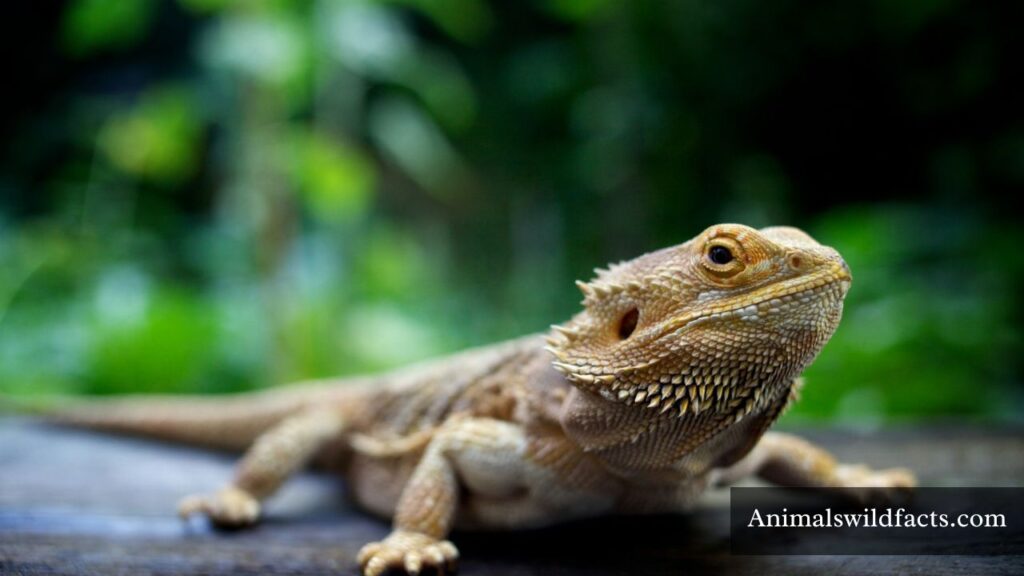
Beyond their affable personality, bearded dragons exhibit a range of behaviors that can be incredibly engaging to observe. They display a variety of colors and patterns, making each individual a visually stunning companion. Their ability to recognize their owners and respond to voice cues further adds to their charm, turning the experience of pet ownership into an interactive journey. This combination of temperament and intelligence makes them not just reptiles, but rather lively, engaging members of the family.
Capybara
Scientific Name: Hydrochoerus hydrochaeris
Class: Mammalia
Diet: Herbivore
Capybaras are nature’s gentle giants, exuding an aura of calm that captivates animal lovers worldwide. These social mammals, often found lounging by water bodies in South America, are remarkably adept at forming friendships, not just with their own kind but with a variety of species. Their laid-back demeanor invites curious interactions, leading many to describe them as the ultimate chill companion in the animal kingdom.
What makes capybaras particularly fascinating is their unique social structure. Living in groups, they communicate through a variety of sounds, ranging from barks to purrs, showcasing their emotional depth. Their relaxed nature also allows them to coexist peacefully with predators; encountering a capybara basking in the sun seems more like a serene meeting than a battle of survival. Embracing this simplicity, they remind us that sometimes the most docile creatures hold the most profound wisdom about living harmoniously with the world.
Quokka
Scientific Name: Setonix brachyurus
Class: Mammalia
Diet: Herbivore
The quokka, often dubbed the “happiest animal on Earth,” captivates visitors with its perpetual smile and friendly demeanor. Native to Australia, particularly on Rottnest Island, these small marsupials have a remarkable ability to adapt to their surroundings, showcasing a blend of curiosity and calmness that draws in social media fame. Unlike many wild animals, quokkas exhibit a gentle, approachable nature, making encounters with them an unforgettable experience.

Their docility goes beyond mere appearance; quokkas have a unique social structure that contributes to their serene behavior. Living in small groups, they engage in playful interactions, fostering a sense of community that reinforces their gentle spirit. While they are herbivorous and primarily nocturnal, it’s during the day that they truly enchant humans, often lounging leisurely in the sun, unconcerned by the presence of visitors snapping photos.
Deer
Scientific Name: Cervidae
Class: Mammalia
Diet: Herbivore
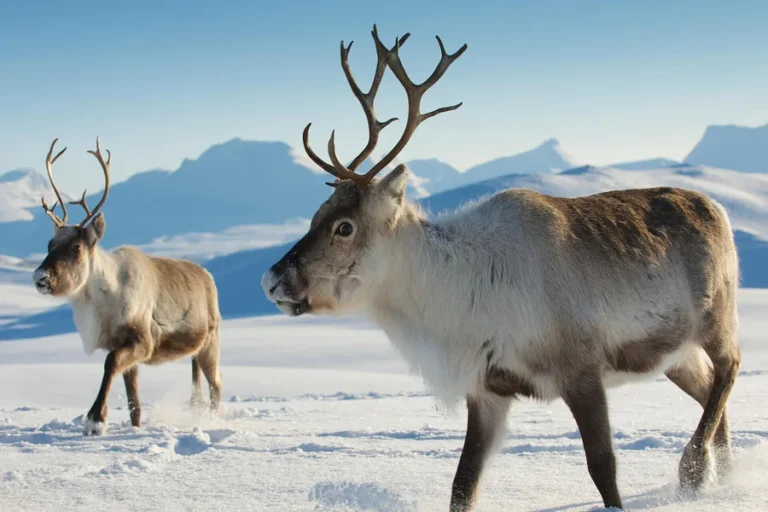
Deer, often seen gracefully navigating forests and meadows, embody a remarkable blend of elegance and gentleness that captivates nature enthusiasts. Their large, expressive eyes and slender limbs create an image of vulnerability, yet these creatures possess a surprising resilience. Often viewed as timid, deer have a unique ability to adapt to various environments — from lush woodlands to urban outskirts — showcasing their versatility as inhabitants of diverse ecosystems.
These docile creatures display social behaviors that mirror human camaraderie; they often form matriarchal groups led by older females, who impart crucial survival skills to fawns. While their initial response to threats is flight, their instinctual calm allows them to assess situations before taking action, a trait that illustrates a fascinating balance of caution and curiosity. Moreover, their interactions with the environment are subtle yet impactful; as browsers, they contribute to the health of plant populations, fostering biodiversity. In every graceful leap and gentle browse, deer remind us of the beauty inherent in coexistence with nature.
Readmore: Explore Top 27 Most Shy Animals.
Final Words
The most docile animals in the world offer us a glimpse into the peaceful coexistence we can foster with nature. From gentle giants like the manatee to the serene nature of rabbits and llama, these creatures remind us of the beauty in tranquility. Their calm demeanor not only makes them easier to care for but also creates opportunities for deeper connections between animals and humans. By understanding and appreciating these docile animals, we can promote empathy and stewardship for all wildlife. Let us celebrate and protect these gentle beings, ensuring a harmonious balance in our ecosystems.
FAQs
What is the most friendliest animal in the world?
When it comes to friendliness, dogs often steal the spotlight. Known as “man’s best friend,” dogs are incredibly loyal and tend to form strong bonds with humans. Their enthusiastic greetings and playful nature make them one of the most approachable animals.
What animal is strong but gentle?
One great example of an animal that is both strong and gentle is the elephant. These massive creatures are known for their incredible strength, capable of lifting heavy logs and pushing down trees. Yet, despite their size, they exhibit a gentle and nurturing nature, particularly towards their young and even other animals.
What is the chillest animal in the world?
The chillest animal in the world is often considered to be the sloth. These laid-back creatures spend most of their lives hanging from trees, moving at a leisurely pace. With their slow metabolism and relaxed lifestyle, sloths seem to embody the essence of relaxation.