Top 15 Animals That Live In Savannas: A Complete Wildlife Guide
There are also some representative wildlife on earth that can be found in savannas. Many people search for animals that live in savannas to understand how these species survive in hot, open grasslands with scattered trees. This handbook explains the wild animals, their lifestyle, the place they have lived in and how to survive within the natural landmark with simple and understandable words.
Savannas occur in Africa, South America, Australia as well as part of India. They have two main seasons. There is a long dry period and a short wet period. There is insufficient rainfall in comparison to forest. Grass dominates the land. Trees grow far apart. Animals need to live in heat, drought and predators.
A concise reference table of 15 popular species of savanna is provided below.
Table Of Top 15 Animals That Live In Savannas
| No. | Common Name | Scientific Name | Class | Diet |
| 1 | African Lion | Panthera leo | Mammalia | Carnivore |
| 2 | African Elephant | Loxodonta africana | Mammalia | Herbivore |
| 3 | Cheetah | Acinonyx jubatus | Mammalia | Carnivore |
| 4 | Plains Zebra | Equus quagga | Mammalia | Herbivore |
| 5 | Giraffe | Giraffa camelopardalis | Mammalia | Herbivore |
| 6 | Spotted Hyena | Crocuta crocuta | Mammalia | Carnivore |
| 7 | African Buffalo | Syncerus caffer | Mammalia | Herbivore |
| 8 | Warthog | Phacochoerus africanus | Mammalia | Omnivore |
| 9 | Ostrich | Struthio camelus | Aves | Omnivore |
| 10 | Meerkat | Suricata suricatta | Mammalia | Insectivore |
| 11 | Serval | Leptailurus serval | Mammalia | Carnivore |
| 12 | Secretary Bird | Sagittarius serpentarius | Aves | Carnivore |
| 13 | Impala | Aepyceros melampus | Mammalia | Herbivore |
| 14 | Nile Crocodile | Crocodylus niloticus | Reptilia | Carnivore |
| 15 | Aardvark | Orycteropus afer | Mammalia | Insectivore |
List Of Animals That Live In Savannas
1. African Lion
Scientific Name: Panthera leo
Class: Mammalia
Diet: Carnivore
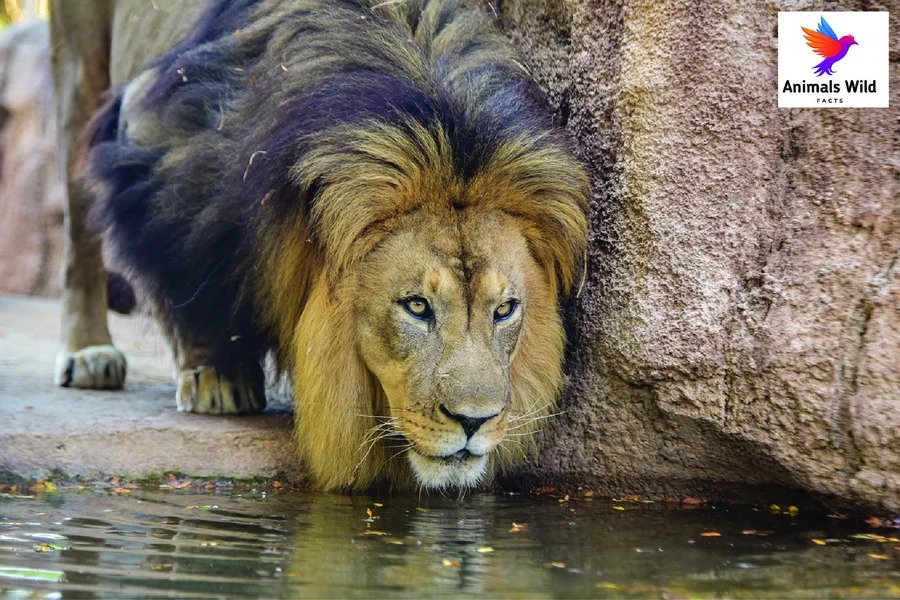
The African lion is one of the most recognized animals that live in savannas. It inhabits sub-Saharan Africa in open grasslands and light woodlands. Lion animals like places where there is water and herds.
Lions are social cats. They inhabit groups referred to as prides. A pride usually consists of connected females, their cubs as well as male adults in few numbers. Most of the hunting is performed by females. Their hunting involves hunting as a group. The usual feed is zebras, buffalo, and antelope.
Lions rest for most of the day. When it is colder they are in action. The ideal time of hunting is early morning and night. They can very well blend with dry grass because of their tawny coat. The habitat range maps indicate a high population of East Africa and a section of Southern Africa. Large numbers are supported by such protected parks as the Serengeti and Kruger.
The roar of a lion reaches a distance of 8 kilometers. It assists in protecting the territory and contacting the members of the pride. The male lions protect the borders of the territory. They denote zones using smell and sound. Cubs are born blind and they entirely rely on their mothers. There are higher chances of survival when more than one female rears young. Primary issues include destruction of habitats and fights with livestock farmers. Protected land and community collaboration are concerned by conservation programs.
The African lion is a major player as a leading predator. It regulates the population of herbivores and balances in the savanna ecosystem.
Fun Fact: A lion’s roar can be heard up to 8 kilometers away across open savanna plains.
2. African Elephant
Scientific Name: Loxodonta africana
Class: Mammalia
Diet: Herbivore
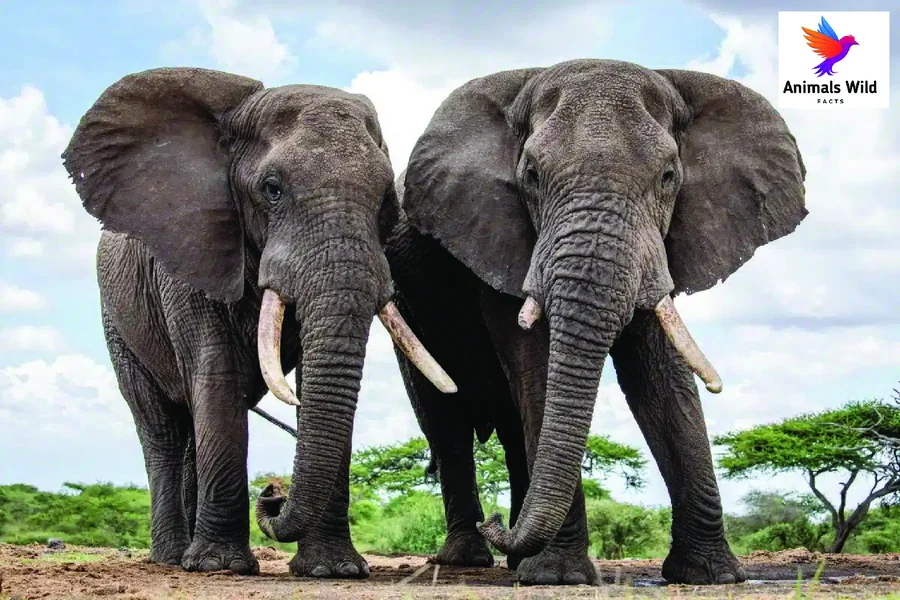
The African elephant is the largest land animal and one of the most important animals that live in savannas. It lives in the grasslands, the open woodlands, and along water bodies in sub-Saharan Africa. Elephants live in herds headed by a female. She tends to be the eldest woman. Mothers, calves and young males form herds. Male adults always tend to live alone or in groups of few bachelors. During the wet season, they feed on grasses. During the dry season they consume bark, the roots of leaves.
An elephant is able to feed on more than 100 kilograms of vegetation in a day. Their trunk is used to take food and to drink water. Habitat maps indicate extensive distribution of East and Southern Africa. There are high populations in Tanzania, Kenya as well as Botswana.
Elephants dig dry riverbeds, thus forming holes in water. This assists other species to survive the drought period. They also topple trees and this does not allow grassland to be replaced by woodlands. The communication occurs by low sounds. Such calls are long distance ground level calls. The members of the herd maintain communication even when separated. Calves are close to mothers as protection. Other females assist in care. This enhances the calf’s survival. Some of the significant threats are poaching of ivory and habitat fragmentation. Protection has been enhanced in the form of conservation areas and anti-poaching patrols.
Ecosystem engineers are African elephants. Their dietary habits pattern influences the savanna topography and maintains biodiversity.
Fun Fact: African elephants communicate using low-frequency sounds that can travel through the ground for long distances.
3. Cheetah
Scientific Name: Acinonyx jubatus
Class: Mammalia
Diet: Carnivore
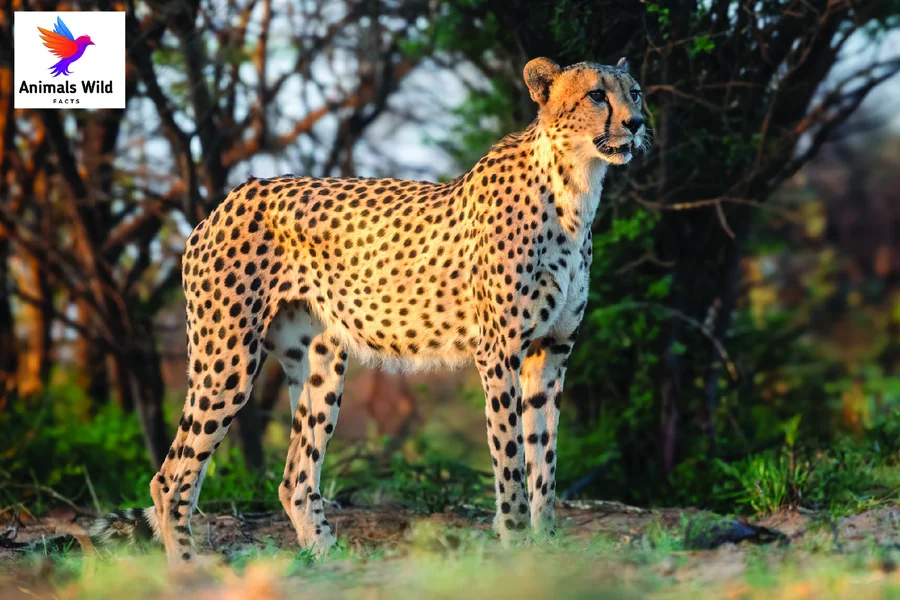
The cheetah is the fastest land animal and a well-known predator among animals that live in savannas. It likes open plains where it can see its prey at some distance.
Cheetahs are also fast creatures and not strong. They are mostly active all day to avoid the competition of the lions and hyenas. The duration of a pursuit can be under a minute. They are able to travel at a speed of 100 kilometers per hour at short intervals. They have the benefit of having a long tail and a slim body to balance them during high-speed turns. Under the eyes there is a mark of black tears and this lowers glare caused by the sun.
Cheetahs prefer to feed on small antelopes like impala and gazelle. It begins with a hunt that they need to consume before more powerful predatory species rob the carcass. Fragments of populations are represented in Eastern and Southern Africa by habitat maps. Part of Iran is still left with small groups. Cheetahs are predominantly solitary unlike the lions. Females raise cubs alone. Boys can also come into small coalitions with brothers. There is a high mortality rate of cubs. They are commonly attacked by lions and hyenas. In order to evade detection, mothers change cubs often.
The cheetahs need big spaces with minimal human activities. One of the threats is habitat loss. The conservation programs concentrate on the co-existence of farmlands and wildlife streams. The cheetah is useful in the regulation of medium-sized herbivores. The savanna ecosystem unique to its primacy is its speed and hunting way.
Fun Fact: The cheetah can accelerate from 0 to 60 kilometers per hour in just a few seconds during a hunt.
4. Plains Zebra
Scientific Name: Equus quagga
Class: Mammalia
Diet: Herbivore
The plains zebra is one of the most recognizable animals that live in savannas. It occurs over the open grasslands and lightly wooded lands in eastern and southern Africa. Zebras require spacious pastures and water. They occupy groups of families known as harems. A powerful stallion is the head of a number of females and their foals. Bachelor males are organized into loose groups. Migration is usually achieved through herds. Huge migrations are preceded by the fresh growth of grass and seasonal rains.
Zebras feed on grasses. They are able to chew upon coarse and dry grasses more than most of the herbivores. This enables them to feed on where others are unable. There is also the grazing of other species such as wildebeest that like shorter grass.
The zebras are uniquely striped. Scientists think that stripes aid the process of identification and can minimize insect bites. Predator confusion in movement can also occur when the stripes are moved in groups. Ecofilters depict high populations in Kenya, Tanzania, Botswana, Namibia. There are the groups which live in secluded reserves.
Zebras use the protection of group vigilance. In times of threats, they create a zigzag. They are able to kick with powerful hind legs. Among the large predators are lions and hyenas. Foals are able to rise in the shortest period of one hour after being born. In the vast landscapes early mobility is important to live. The plains Zebra is a significant component of the savanna ecosystem. Their grazing of hard grasses contributes to balance in the growth of plants and aids in the existence of the other forms of herbivores found throughout the area.
Fun Fact: No two zebras have the same stripe pattern, making each individual unique.
5. Giraffe
Scientific Name: Giraffa camelopardalis
Class: Mammalia
Diet: Herbivore
The giraffe is the tallest land animal and one of the most iconic animals that live in savannas. It occurs in open grasslands and dispersed woodland in sub-Saharan Africa. The acacia trees are closely associated with giraffes. They mainly feed on leaves, shoots as well as flowers of tall trees. Their neck is long and enables them to feed on food stuffs that are inaccessible by many other herbivores. The tongue has the prehensible tongue to strip the leaves off thorny branches.
Giraffes are loosely social animals. These groups change often. No universally set herd structure. Men also participate in necking competitions. To dominate they move their necks around. Populations are depicted by habitat maps in East Africa and some of Southern Africa. The stable groups are found in areas of conservation like the Serengeti and the Etosha.
Under short distances, giraffes have a speed of up to 60 kilometers per hour. Their height is an added advantage of detecting predators such as lions at early stages. Calves are most vulnerable. Powerful kicks are resorted to by mothers. A giraffe has a big and strong heart. It forces blood into the long neck of the brain. There are special valves that do not allow fainting when lowering the head.
Among the threats are the loss of habitat and poaching. A number of subspecies are now also threatened. The giraffes form a savanna by feeding on trees. This affects the growth of plants. The fact that the open spaces are formed by their feeding habit helps in providing to other wildlife allowing ecological balance.
Fun Fact: A giraffe’s heart can weigh over 11 kilograms to pump blood up its long neck.
6. Spotted Hyena
Scientific Name: Crocuta crocuta
Class: Mammalia
Diet: Carnivore
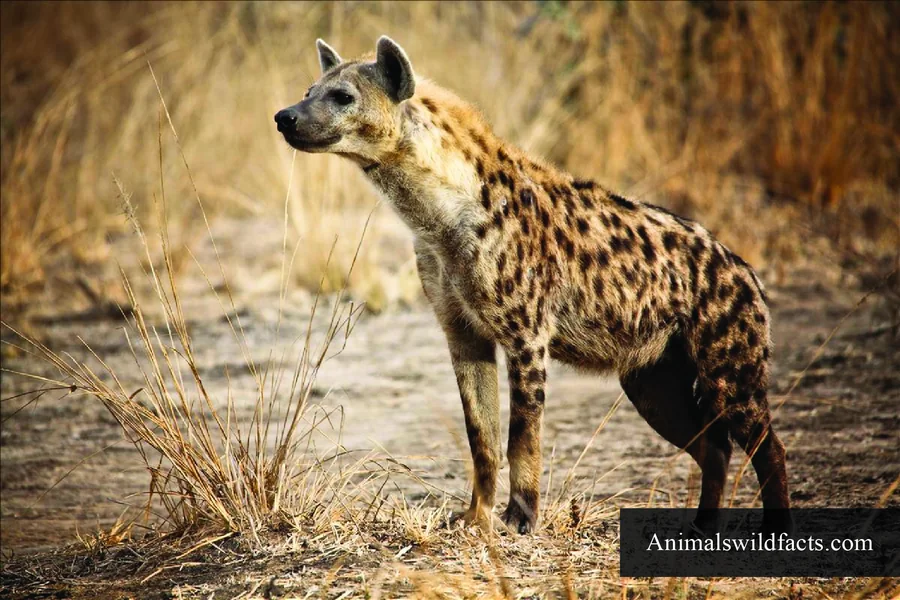
The spotted hyena is a powerful predator and scavenger among animals that live in savannas. It inhabits grasslands, open plains and woodland marginal areas across sub- Saharan Africa. Hyenas live in big social clusters referred to as clans. There are a maximum of 80 people belonging to a clan. There is a strict female-dominated male hierarchy. There is a lot of maternal flow of leadership.
They are skilled hunters. They do not just depend on scavenging, as it is commonly believed. Antelope, zebra and young wildebeest are consumed by hyenas. Their powerful jaws are able to crack the bone. This enables them to eat a carcass almost in totality. The strong populations depicted in habitat maps are found in East Africa and particularly in Tanzania and Kenya. They fit in the safe environment where the prey is high.
Whoop is a vocal communication of hyenas. These noises go far through plain open areas. Territory boundaries are also characterized by scent marking. They become active mostly during the night. Nevertheless, they can hunt during the day when there is no competition. Collaboration enhances the success of hunting. The cubs are born with open eyes and small teeth. They find it difficult to compete with each other even at a tender age. In many cases, one can survive by his or her rank in the clan.
Spotted hyenas are important in the health of ecosystems. They eat the carcass of animals thereby curbing the spread of diseases. Being hunters and scavengers, they are needed to balance prey populations as well as to stabilize the food web in the savanna.
Fun Fact: Spotted hyenas have one of the strongest bite forces among mammals relative to their size.
7. African Buffalo
Scientific Name: Syncerus caffer
Class: Mammalia
Diet: Herbivore
The African buffalo is a strong grazer and one of the most resilient animals that live in savannas. It occurs throughout sub- Saharan Africa in the grasslands, floodplains, as well as the open woodlands. Buffalo relies on water and hardly goes far out of reach of assured sources. They exist in massive herds containing dozens and hundreds of them. The life in the herd provides safety against predators. Lions are their main threat. Buffalo tend to protect themselves when they are attacked in a group. When danger comes, calves are encircled by adults.
Buffalo cattle feed predominately on grass. In the wet season they feed on new vegetation. During the dry season they turn to the grimmer grasses along the water. Their large muzzle assists them to cut high quantities fast. In East and Southern Africa, Habitat maps reveal high populations. Kruger and Serengeti are some of the protected parks, which have stable herds.
Both the sexes possess heavy curved horns. In adult male the horn bases are solid and constitute a shield known as boss. This organization assists in dominance fights. Buffalo speaks using the vocal sounds and the body posture. Experienced females normally herd the herd movement.
Calf – California is born through a lengthy gestation period and is able to stand shortly after birth. The closer a person is to the herd the higher the chances of survival. African buffalo affect the growth of grass by constant grazing. They are also contributing to the high predation by big predators. Their presence promotes the ecosystem equilibrium of savanna on the continent.
Fun Fact: African buffalo are known to defend herd members by circling back to confront predators.
8. Warthog
Scientific Name: Phacochoerus africanus
Class: Mammalia
Diet: Omnivore
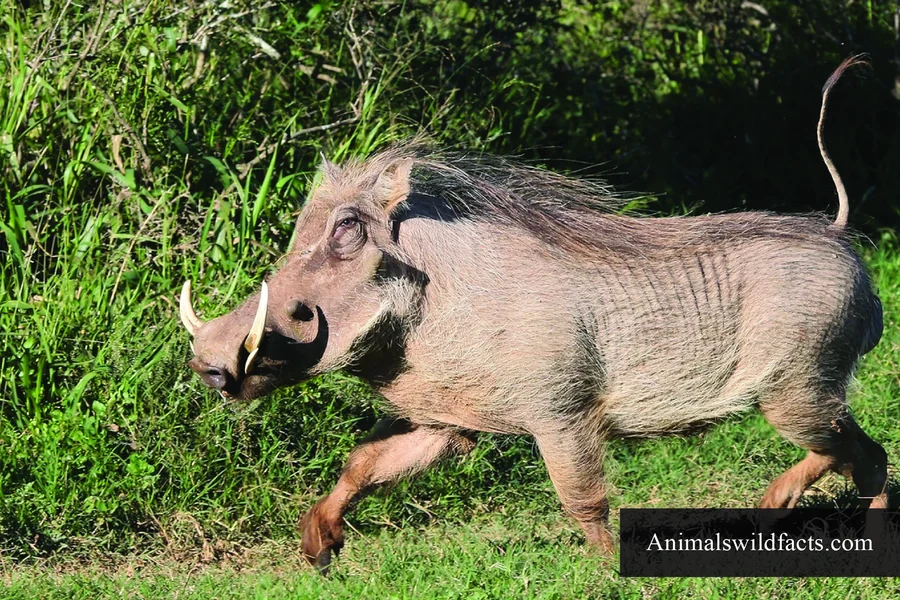
The warthog is a hardy pig species and a familiar sight among animals that live in savannas. It resides on ill-wooded open grass fields in much of sub-Saharan Africa. Warthogs like areas that have burrows and water. They are medium-sized mammals having curved tusks and pads on the face. The tusk is utilized to dig as well as defend. Warthogs are alert and fast notwithstanding their appearance.
Warthogs shun primarily on grasses. During grazing they are on their front knees. In dry seasons they bore roots and bulbs. When the latter is available, they can also consume insects and small animals. Ranges Habitat maps indicate a wide spread in East and Southern Africa. They adjust easily to reserved zones as well as agricultural shores.
Warthogs do not excavate their burrows. They seek shelter in aardvark holes which have been deserted. These holes ensure safety against predators and abject heat. In walking they frequently support themselves in so tusks outward. They are predators such as lions, leopards, cheetahs and hyenas. Their main defense is speed. They are able to move fast with the tails in the upright position and this enables the members of the group not to be invisible.
The warthogs are females that raise their piglets on the burrow. When young, they are kept in the shadows. The families tend to be small and stable. Warthogs contribute to the soil turnover by means of digging. Other species are later found in their deserted burrows. They are significant providers of savanna biodiversity and structure.
Fun Fact: Warthogs enter burrows backward so their tusks face outward for protection.
9. Ostrich
Scientific Name: Struthio camelus
Class: Aves
Diet: Omnivore
The ostrich is the largest living bird and one of the fastest animals that live in savannas. It inhabits desolate grasslands, half-arid regions, and free plains of the continent of Africa. Ostriches like having open areas where they can see well. They cannot fly. They instead use powerful legs to move. An ostrich is able to run at a speed of 70 kilometers per hour. Extensive walking gives us the possibility of walking on open land.
Ostriches are seed eaters, grass eaters, leaf eaters and insect eaters. They occasionally ingest tiny stones. These stones are used in whitening the food within the gizzard. Populations in East and South Africa are revealed by habitat maps. They can suit the drylands with sparse vegetation cover.
Ostriches inhabit small herds. One of the dominating females places eggs in another nest which has been scratched in the ground during the breeding season. A number of females can add eggs to the same nest. They are incubated by a male and dominant female in turns. They have good vision due to the size of their eyes. The predators including the lions, cheetahs should be spotted early on enhancing survival chances. Ostriches move at speed or kick toward the opponent when in jeopardy.
Chicks are able to walk soon after they hatch. They are not left alone, supervision is done by adults. In savannas, Ostriches affect seed dispersal. They, by eating the seeds and excretion, enable regeneration to happen. They provide variety in the open grassland ecosystems.
Fun Fact: An ostrich egg is the largest egg laid by any living bird species.
10. Meerkat
Scientific Name: Suricata suricatta
Class: Mammalia
Diet: Insectivore
The meerkat is a small social mammal and one of the most cooperative animals that live in savannas. It is indigenous to the southern part of Africa and in particular Botswana, Namibia as well as South Africa. The home of the meerkats is open grasslands and semi-arid savanna areas on sandy soils. They also dwell in systematic units known as mobs or clans. A team can consist of a maximum of 30 people. A pair of dominant animals tends to breed with others helping to raise young animals. Teamwork is the major survival.
The meat of the meerkats is composed chiefly of insects. Beetle, termite, spider and scorpion diggers. Small reptiles and eggs are also eaten by them. Razer sharp manicures aid them in digging. The strong population occurs in the Kalahari region as depicted in the habitat maps. Their favorite place is where they can burrow. They are shielded by underground tunnels against heat and predators.
As the rest of the foraging meerkats, a single meerkat is on watch. The sentinel is observant of danger like hawks or jackals. When danger threatens it gives a severe alarm signal. The group then runs for cover. Meerkats are active during the day period. They take their breakfast in the morning sun, and then go out to seek food. The breeding of the pups occurs underground and lasts several weeks. The elders of the group feed and protect them.
Meerkats help in checking the number of insects. They also aerate soil through their excavations. This will help in the growth of the plants and increase the ground structure. Their cooperation causes them to be one of the most researched small mammals in the African savannas.
Fun Fact: Meerkats take turns acting as sentinels to warn the group of approaching danger.
11. Serval
Scientific Name: Leptailurus serval
Class: Mammalia
Diet: Carnivore
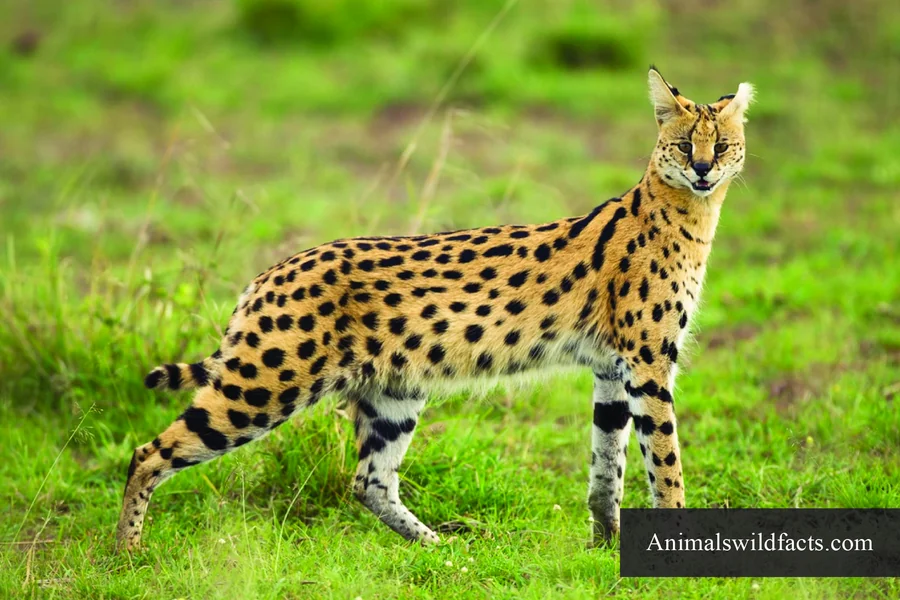
The serval is a medium-sized wild cat and one of the skilled hunters among animals that live in savannas. It is distributed in areas of sub-Saharan Africa in the grassland and wetland of tall vegetation. Servals are big eared with long legs. Their audition is of the finest order. They have the ability to spot small prey that run underground. Through this, they have an advantage over tall grass.
They mostly feed on rodents. They also feed on birds, frogs and insects. Servals pounce on prey using high pounce. The success rates are bigger in comparison with most other small cats. Widespread but scattered populations are depicted by habitat maps. They like covered lands around water bodies. The best hunting grounds lie in wet savannas.
Servals are solitary. They are scent-marking, and do not come too nearby unless they are copulating. Mostly night time or early morning. Females raise kittens alone. Youths are taught hunting through observing their mother. Life or death is based on the availability of food and a security zone.
Greater predators like hyenas and lions are included. Servals do not want to confront, they prefer to be mysterious. The serval controls the numbers of rodents. This minimizes the damage of crops around the human settlements. The threat to their numbers is habitat loss. The serval is an attentive felid that is an effective predator that is very accommodating to the balance of the savanna ecosystems unlike other felids which require extensive space to move about.
Fun Fact: A serval can leap over two meters into the air to catch birds in flight.
12. Secretary Bird
Scientific Name: Sagittarius serpentarius
Class: Aves
Diet: Carnivore
The secretary bird is a large terrestrial bird of prey and one of the most unusual animals that live in savannas. It lives in open grasslands and slight wooded plains in sub-Saharan Africa. It does not hunt birds like other raptors which are hunters who fly. The legs are long, which enables it to walk on grass steadily. It forages snakes, lizards, insects and little mammals. Snakes constitute a large portion of its food.
The secretary bird attacks its food through stamping with heavy feet. Snakes are eliminated before having the chance to retaliate with quick and accurate blows. Bites are defended against by thick leg scales. Populations are indicated in the East and South African habitat maps. They like large open areas where they move freely and they can see prey.
Secretary birds nest in large nests of trees or shrubs. It is common to see a pair staying together in multiple breeding seasons. Both parents care for chicks. They become active during the day. They have great eyesight that makes them notice prey at a long distance. They can fly when in danger, also, they like walking or running. Their name is probably derived out of head feathers which resemble the old writing quills. These feathers are crests on the back of the head.
The secretaries assist in the management of snakes in the savannas. This helps in maintenance of ecological balance as well as minimization of risk among other animals. Certain populations are impacted because of habitat loss and disturbance. The conservation initiatives are concerned with the protection of grassland and keeping the fertility areas of breeding animals under supervision.
Fun Fact: The secretary bird kills snakes by striking them repeatedly with powerful kicks.
13. Impala
Scientific Name: Aepyceros melampus
Class: Mammalia
Diet: Herbivore
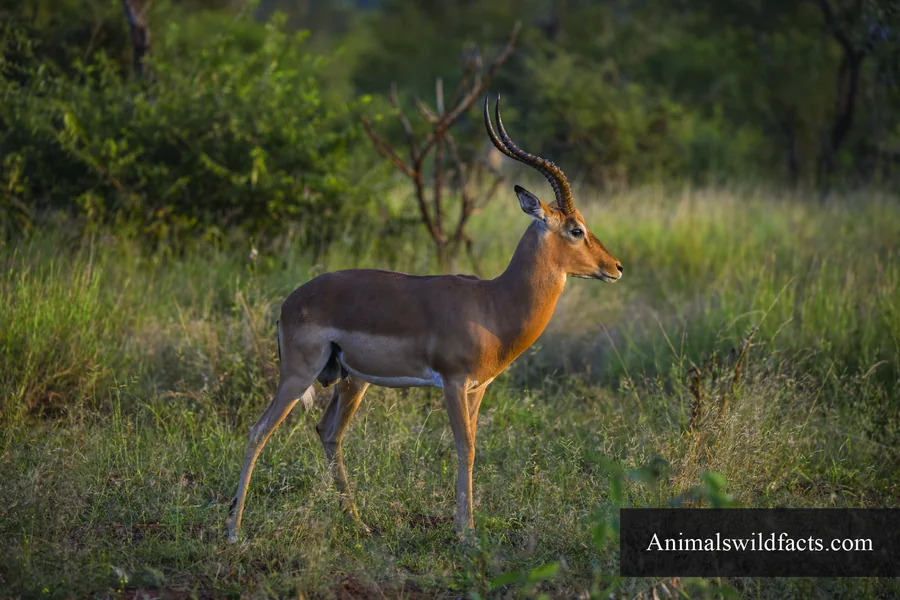
The impala is a medium sized antelope and one of the most adaptable animals that live in savannas. It happens extensively in the eastern and southern parts of Africa in grasslands and open woodlands around water.
Impalas are mixed feeders. In the wet season they feed on the fresh grass. Browning on leaves, shoots, and shrubs in the dry season. This adaptable diet enables survival in cases of change in food conditions. They reside in herds of up to two family groups to big seasonal groups. The breeding season is known as the period when males mark out their territories. They protect these spaces with exhibition and limited pursuits. Habitat maps indicate good populations in Kenya, Tanzania, Zimbabwe and South Africa. Their habitat is a shielded park with moderate rainfall.
Impalas are a deer that is fast and agile. Cheetahs leap high when they are threatened by the killer animals including lions, cheetahs, or wild dogs. These leaps may be three meters in length and more than ten meters in the distance. Women bear only one calf a year. The first weeks of the calves are spent in bushes. This lowers the predator recognition.
An important prey species involves impalas. They subsidize the populations of large carnivores in the savannas. Their grazing and browsing also affected the structure and growth of plants. Impalas are considered to be one of the most successful and abundant antelope species in African savanna forests today by adapting habits to feeding behaviour by season.
Fun Fact: Impalas can leap over 10 meters in a single bound when escaping predators.
14. Nile Crocodile
Scientific Name: Crocodylus niloticus
Class: Reptilia
Diet: Carnivore
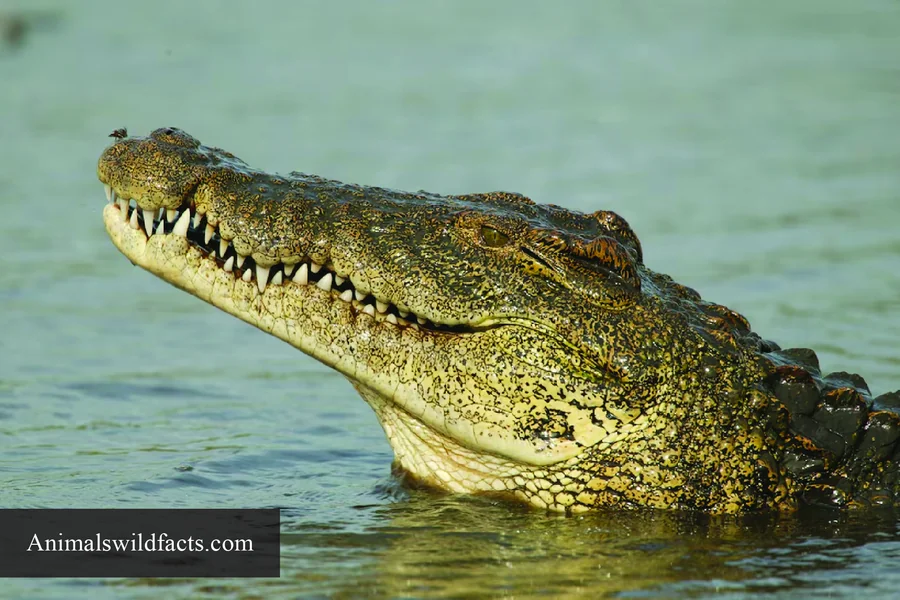
The Nile crocodile is a large aquatic reptile and one of the powerful animals that live in savannas. It occupies rivers, lakes and wetlands in sub-Saharan Africa. Sources of water in the savanna areas offer perfect habitat.
Nile crocodiles are ambushers. They sit by the edge of the water awaiting the arrival of the prey. They feed on fish, birds, and on antelope or occasionally large mammals, like the zebras or buffalo. Habitat maps are broadly distributed in eastern and southern Africa. In the protected rivers and in the larger river systems, there exist stable populations. They possess powerful jaws and pointed teeth which are meant to get hold of prey. Once they are caught they will tear flesh with a rolling motion.
Crocodiles cannot eat small pieces of food. Sunnings on riverbanks also are useful in controlling body heat. Being reptiles they depend on alien heat. The activities are determined by the temperature. Women deposited eggs in nests excavated in sandy land. They protect the nest when the nest is incubating. Once hatched the young may be suckled in the mouth of the mother to water. The birds and bigger fishes threaten young crocodiles. Few survive to adulthood.
The Nile crocodile generates a significance in the water ecosystems. It controls the population of fish and mammals around the water bodies. It is an integral element of savanna river systems though feared, it helps to bring appreciated ecologically balanced landscapes.
Fun Fact: Nile crocodiles can hold their breath underwater for over an hour while waiting for prey.
15. Aardvark
Scientific Name: Orycteropus afer
Class: Mammalia
Diet: Insectivore
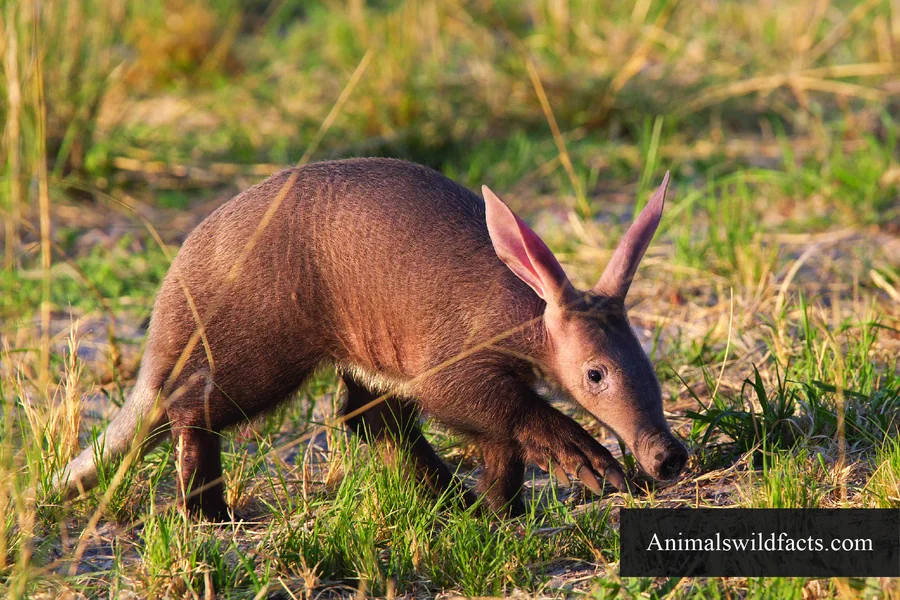
The aardvark is a nocturnal mammal and one of the lesser known animals that live in savannas. It exists in most parts of sub-Saharan Africa in grasslands and open woodlands that have soft soil.
Aardvarks feed predominantly on termites and ants. They look for colonies with the help of a strong sense of smell. Mighty bills shatter solid heaps. It has a long sticky tongue and it picks up insects. Habitat maps are disseminated widely but sparsely. They like places that they can dig and where insect populations do not fluctuate.
Aardvarks are solitary. In the daytime they keep in deep burrows underground. By night they come to browse through extensive territories. These holes offer protection against heat and enemies. Examples of predators are lions, leopards and hyenas. Aardvarks either dig at a high rate in case of danger or take shelter in burrows. Women tend to have a carnal birth of just one young per annum. The newborn remains in the burrow until it grows.
Later on, aardvark burrows serve as homes to other animals such as warthogs, porcupines as well as reptiles. This causes them to be significant ecosystem engineers. They control populations of termites and hence maintain soil balance. Their excavations also loosen soil and enhance mixing of nutrients. The aardvark, though uncommon, has a low maintenance role in the savanna and therefore promotes biodiversity due to its feeding and burrowing habits unique to it.
Fun Fact: Aardvarks can dig a new burrow in less than a night if threatened.
Other Animals That Live In Savannas
In addition to the 15 types of species that are generally known, there are numerous other animals that live in savannas and which hold significant ecological functions. The species might not be so well-known, but they add to the act of evenness of grasslands, predator-prey relations and plant development.
Smaller mammals are bat-eared foxes that feed on insects to reduce their population, and black backed jackal, which is an opportunistic hunter, scavenger, and preys on small animals. Bushbucks and reedbucks are the varieties of antelopes that feed on shrubs and tall grass that deliver food to the bigger predators.
There is also a richness of bird species. There are hornbills and larks, which feed on the insects, and seeds, and ground hornbills on the reptiles and the small mammals. Some birds such as bee-eaters and shrikes keep the insect populations in check, making the balance in the ecosystem.
Reptiles are present too. Monitor lizards and savanna snakes prey over insects, small mammals as well as amphibians, which favors the natural food pyramid. Toads and other amphibians breed in seasonal waterholes, which also serve as their food and population sources, as well as to cycle the nutrition.
Even invertebrates such as termites and beetles are very crucial. Termites recycle plants and aerate soil, as well as beetles recycle animal waste, filling the ground.
These minor creatures combined demonstrate that the savanna is a very intertwined area. All species, small insects and huge mammals, contribute to the maintenance of the health and balance of this unique ecosystem.
Final Words
Savannas are not merely open grasslands. They are living organisms that are constituted by heat, rain, movement, and living. The animals that live in savannas depend on each other in direct and simple ways. Grazers shape plant growth. Consumers regulate the number of herbivores. Burrowing animals enhance soil. The river species regulate aquatic life.
All the animals in this guide are involved. Lions serve as predators. Elephants transform scenery. Large carnivores are fed on impalas. Aardvarks make cocoons on behalf of the other species. Even small insect predators affect the equilibrium in the ecosystem. There is nothing that stands singular in the savanna.
These environments are also strained. Growing farms, roads, fencing, and poaching wildlife occupy less space. Conservation areas help. So does communal involvement. The survival of the long term is based on preserving migration routes, water sources and the natural grasslands.
Understanding animals that live in savannas is the first step toward protecting them. Once we get to know the way they move, feed and even interact, we get to see the system as one.
The savanna is not empty land. It is active. It is connected. It is among the most significant wild lands on earth.
By preserving it you preserve the future of such species.
FAQs:
What are the animals in the savannas?
Animals that live in savannas include lions, elephants, cheetahs, zebras, giraffes, hyenas, buffalo, warthogs, ostriches, meerkats, servals, secretary birds, impalas, Nile crocodiles & aardvarks. The plants live in the open grasslands receiving seasonal rainfall with isolated trees.
What is a savanna habitat?
A savanna is a tropical or subtropical grassland ecosystem that has sparsely spaced trees and has a distinctive wet and dry season. It favors the big grazers, predators, birds and reptiles. Majority of savannas are located in Africa, South America, Australia and some parts of India.
What enables animals to survive in the savanna?
Animals are surviving in the savanna because of being adapted to the heat, drought and predators. Many migrate to follow rain. Others are night creatures so as to escape daytime heat. Herbivores work out to be good grazers. The predators depend on speed, teamwork or disguise. Burrowing animals do not expose themselves to the rigorous temperature in the field.
What is so significant about savannas in the context of wildlife?
The significance of savannas is that it allows high levels of biodiversity. They offer the home to giant herbivores and predators of the highest order. The grazing activities keep the plants balanced. Savannas have river systems that sustain the reptiles and the birds.
What is the fastest animal at the savanna?
The quickest animal that inhabits savannas is the cheetah. During hunts of antelope in open grasslands it can speed up to 100 kilometers per hour shortly.
What is the biggest savannah animal?
The African elephant is the biggest land animal in the Savanna. It may weigh more than 6,000 kilograms and eats large portions of vegetation a day.