Can Cats Eat Bananas? The Honest Answer Vets Want You to Know
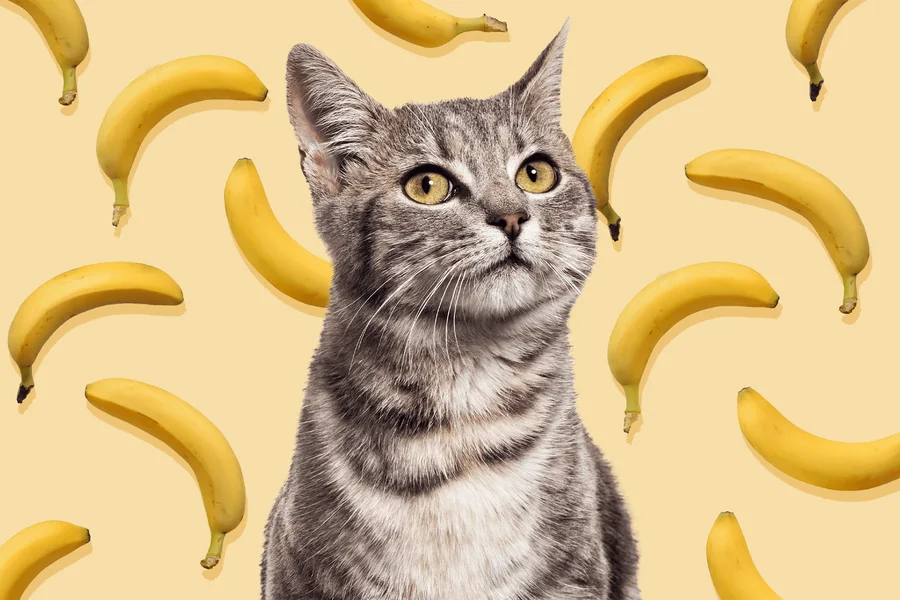
Bananas are one of the most common fruits in any home. So it makes sense that at some point, you’ve probably wondered: can cats eat bananas? Perhaps your cat sniffed one. Perhaps they took a morsel from your meal. Whatever you do, you want a true answer — not a “maybe.”
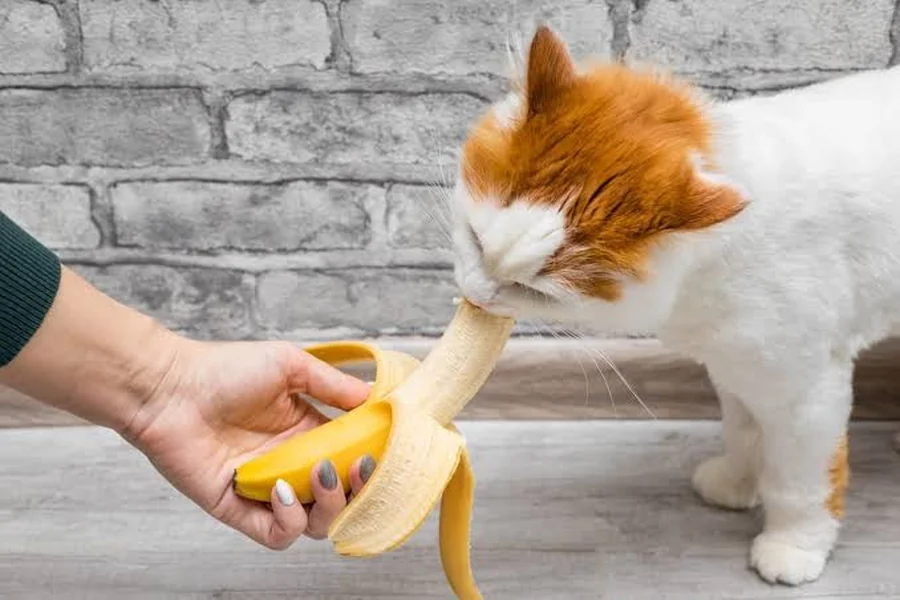
Yes, cats can eat bananas; however, only in small quantities and not on a regular basis. Bananas are not poisonous to cats. But this doesn’t mean that they are good to feed your cat. It is a matter of more to this than just yes or no & the details actually do count.
Let’s get to the point.
Can Cats Eat Bananas? The Short Answer
Can cats eat bananas? The ASPCA reports that bananas are safe for cats. If your cat ate part of something by mistake, you don’t have to worry. But cats are obligated carnivores. Their bodies are built to run on protein and fat — not fruit sugars and fiber.
There are a lot of natural sugars in bananas. Cats don’t like sugar and can develop digestive problems from it, in the long run it may lead to obesity and diabetes. Although a small amount will not make your cat sick, bananas are not a cat’s necessary food.
Why Cats Don’t Actually Need Bananas
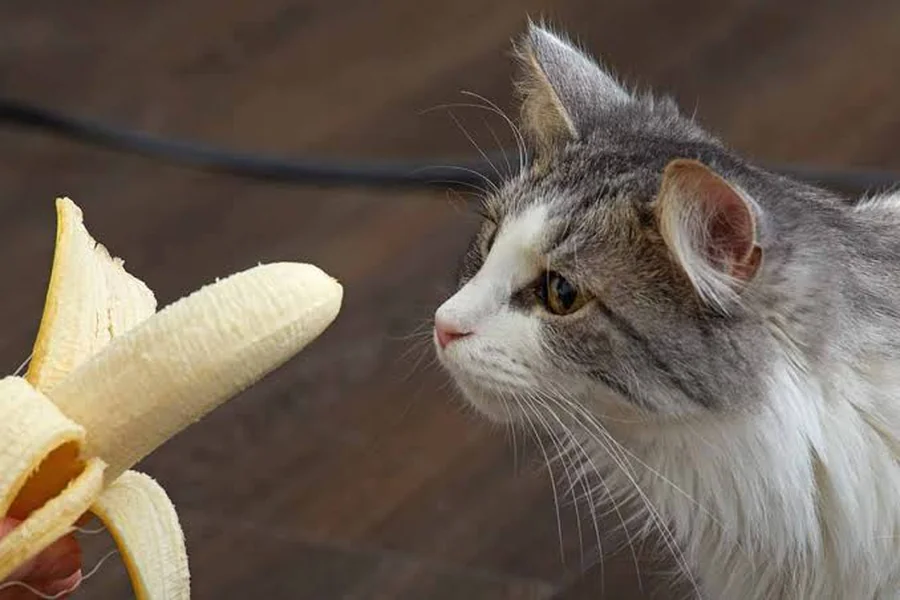
All other articles tend to gloss over this. Cats don’t have a sweet taste receptor. They literally can’t taste sugar like humans. If your cat was interested in a banana, it is likely that the smell or the texture is what caught her attention, rather than the taste.
Cats receive no nutrients from bananas that they are unable to obtain in their regular diet more importantly. The potassium in bananas is quite impressive but a cat on a well-balanced commercial diet will receive sufficient potassium. Bananas contain fiber, which can lead to diarrhea for some cats. There is no reason for the carbs in a cat’s diet.
So the question isn’t merely ‘can cats eat bananas’ but ‘should they?’. The truth of the matter is, no, not really.
What Happens If a Cat Eats Too Much Banana
A bite here and there is unlikely to cause harm. But feeding your cat banana regularly — or in large amounts — can lead to real problems.
Short-term effects:
- Upset stomach
- Loose stools or diarrhea
- Vomiting
- Bloating or gas
Long-term effects with regular feeding:
- Weight gain
- Increased risk of Type 2 diabetes in cats
- Tooth decay from sugar exposure
- Nutritional imbalance if banana replaces real cat food
Cats with existing health conditions like diabetes, kidney disease, or pancreatitis should never eat bananas. If your cat has any chronic health issues, talk to your vet before introducing any human food.
Read More: How High Can a Golden Eagle Fly
Can Cats Eat Banana Peels?
No. This one should be obvious: Don’t let your cat eat banana peels.
Banana peelings are not poisonous but difficult to digest. The texture and fibrous material can cause digestive blockages — especially in smaller cats. Some cats will chew on a peel out of curiosity. If it does, keep an eye on it for vomiting or discomfiture. If symptoms last more than 24 hours, call your vet.
Moreover, conventional banana peels may also be contaminated with residue from pesticides. The fact that that’s a very good reason to send the peel to the trash.
Can Cats Eat Banana Bread or Banana Chips?
No — and it gets even more serious from here.
Cats can’t eat these ingredients in banana bread. Sugar, butter and sometimes the artificial sweetener xylitol (used in some recipes) are all detrimental. Xylitol is particularly harmful. Cats will suffer a significant drop in blood sugar with just a few bites and liver damage may result.
The chips are made by dehydrating bananas and then seasoning them with additional sugar and salt. Banana chips contain a lot more sugar than their fresh counterparts. Cats cannot tolerate large quantities of salt.
Look at ingredients if the cat has eaten banana bread or banana chips. However, if xylitol is mentioned, call the vet or ASPCA Animal Poison Control Center immediately.
How to Safely Give Your Cat a Banana (If You Really Want To)
If your cat is curious and you want to let them try a tiny piece, here’s how to do it without causing problems:
- Use only fresh, ripe banana — nothing processed, flavored, or baked
- Remove the peel completely
- Cut a piece no larger than your thumbnail — that’s the maximum
- Offer it once, and watch for any reaction over the next few hours
- Don’t make it a habit — once in a while is fine, weekly is not
If your cat shows no interest, that’s actually the normal response. Most cats won’t be drawn to bananas at all. Cats who do show interest are usually just reacting to something unfamiliar.
Read More: Life Expectancy for Poodles
🍌 Banana vs. Other Cat-Safe Fruits — Comparison Table
| Fruit | Safe for Cats? | Risk Level | Notes |
| Banana | Yes (tiny amount) | Low–Medium | High sugar, no nutritional benefit |
| Blueberries | Yes | Low | Antioxidants, okay as rare treat |
| Watermelon (seedless) | Yes | Low | Mostly water, no seeds or rind |
| Cantaloupe | Yes | Low | High water content, occasional treat |
| Grapes | NO | Severe | Toxic — can cause kidney failure |
| Raisins | NO | Severe | Same toxicity as grapes |
| Citrus fruits | No | Medium | Causes GI upset and irritation |
| Apple (no seeds) | Yes | Low | Seeds contain cyanide — always remove |
| Cherries | NO | Severe | Pits, leaves, and stem are toxic |
| Banana peel | No | Medium | Digestive blockage risk |
What Do Vets Actually Say About Cats and Bananas?
Most vets place bananas in the “not harmful in tiny amounts, but not recommended” category. The concern isn’t acute toxicity — it’s the long-term impact of feeding cats foods that don’t align with their biology.
Feline nutrition experts consistently point out that treats of any kind — including fruit — should make up no more than 10% of a cat’s daily caloric intake. For a cat eating roughly 200 calories a day, that’s about 20 calories from treats. One small piece of banana has around 5–8 calories. So if your cat eats a bite, that’s technically within range.
The bigger issue is behavioral. If you start giving your cat bananas regularly, they may start expecting human food. That can lead to begging, refusal of regular cat food, and eventually a diet that’s nutritionally incomplete.
Bottom line from vets: a bite of banana won’t hurt your cat. Making it a habit might.
Quick Answers
| Questions | Short Answer |
| Can cats eat bananas? | Yes, bananas are non-toxic to cats, but high sugar content makes them an unhealthy regular treat. |
| Are bananas good for cats? | No. Cats gain no real nutritional benefit from bananas. They’re obligate carnivores. |
| Can cats eat banana peels? | No. Banana peels are difficult to digest and may cause vomiting or blockages in cats. |
| How much banana can a cat eat? | One or two small bites occasionally is the max. No more than 10% of daily calories. |
| Why do some cats like bananas? | Cats may be curious about texture or smell. They can’t taste sweetness, so it’s not the flavor. |
| Can kittens eat bananas? | No. Kittens need a protein-rich diet. Bananas offer no benefit and may cause digestive upset. |
| What fruits can cats eat? | Cats can eat small amounts of watermelon (seedless), blueberries, and cantaloupe as occasional treats. |
| Can cats be allergic to bananas? | Yes. Some cats show allergic reactions. Watch for vomiting, itching, or swelling after eating a banana. |
Signs Your Cat Reacted Badly to Banana
Watch for these symptoms after your cat eats banana:
- Vomiting within 1–2 hours
- Soft stools or diarrhea
- Lethargy or change in behavior
- Swelling around the mouth or face (possible allergy)
- Excessive licking or scratching
Mild digestive upset usually resolves on its own within 24 hours. If symptoms last longer — or if your cat shows signs of an allergic reaction — contact your vet.
Read More: What Is the Loudest Sound
Final Word:
Yes — but barely, and rarely.
Can cats eat bananas and survive? Absolutely. Can cats eat bananas and thrive? Not really. Bananas offer cats no nutritional value they can’t already get from proper cat food. The sugar content is a real concern. The peel is a digestive hazard. And processed banana products can be outright dangerous.
If your cat snags a small piece off your counter, don’t stress. But don’t make it part of their routine. Your cat’s diet should be built around high-protein, species-appropriate food. Bananas can occasionally exist on the edges — nothing more.
When in doubt, ask your vet. They know your cat’s health history and can give you advice tailored to your specific animal.
FAQs:
Q: Can cats eat bananas every day?
No. Daily banana feeding can contribute to weight gain, digestive problems, and elevated blood sugar in cats. Keep it occasional.
Q: My cat ate a banana. Should I call a vet?
If it was just a small piece of plain banana, monitor for digestive upset. If they ate banana bread, chips, or anything with xylitol — call your vet immediately.
Q: Do cats like the taste of bananas?
Cats can’t taste sweetness, so the appeal isn’t flavor. If your cat is curious, it’s likely the smell or texture drawing them in.
Q: Can cats eat frozen bananas?
A plain frozen banana slice is the same as a fresh one nutritionally — so the same rules apply. A tiny piece occasionally is fine. No added sugar, no flavoring.
Q: Are there better treats than bananas for cats?
Yes. Cooked plain chicken, cooked salmon, or commercial cat treats designed for feline nutrition are all far better options than fruit.