
Top 13 Small Monkey Breeds In The World (With Images)
These tiny primates are not just adorable companions; they play significant roles in their ecosystems and highlight the incredible diversity of the monkey world. In this article, we will explore various small monkey breeds, discussing their unique characteristics and caring needs, ensuring you gain a comprehensive understanding whether you’re a potential pet owner or simply a curious reader.
List of Small Monkey Breeds
Below is the list of smallest monkey breeds in the world:
| Number of Monkeys | Smallest Monkey Breeds |
| 1 | Common Marmoset |
| 2 | Squirrel Monkey |
| 3 | Talapoin Monkey |
| 4 | Graells’s Tamarin |
| 5 | Pygmy Marmoset |
| 6 | Tarsiers |
| 7 | Golden Lion Tamarin |
| 8 | Night Monkey |
| 9 | Cotton‑Top Tamarin |
| 10 | Silvery Marmoset |
| 11 | Red-handed Tamarin |
| 12 | Dusky Titi |
| 13 | Capuchin Monkey |
Common Marmoset
Scientific name: Callithrix jacchus
Size: 18–23 cm body length; tail 28–35 cm
Weight: 250–350 g
The Common Marmoset, a petite primate native to the lush canopies of South America, captures the hearts of many with its expressive eyes and playful demeanor. These social creatures thrive in groups, exhibiting an intricate hierarchy that fosters strong bonds and cooperative behavior. Their unique vocalizations, which range from trills to chirps, not only facilitate communication but also reflect complex social dynamics. Observing a group of Common Marmosets can feel like watching a lively drama unfold in the treetops, revealing both their intelligence and adaptability.

Interestingly, their dietary habits underscore their ecological importance, as they primarily consume insects and tree sap, contributing to the health of their forest habitat. Their agility in navigating trees makes them adept foragers, and researchers are only beginning to understand the environmental cues that dictate their foraging behavior. Moreover, the rising popularity of these small monkeys as pets has sparked conversations about the ethical implications of keeping such social animals in isolation. It’s crucial to recognize that the well-being of the Common Marmoset depends not only on their physical care but also on the social structures they thrive within.
Squirrel Monkey
Scientific name: Saimiri sciureus
Size: 25–35 cm body length; tail 35–42 cm
Weight: 500–1,100 g
Squirrel monkeys are among the most playful and agile of the small monkey breeds, known for their striking yellow and black fur and expressive faces. Their lively nature and inquisitive behavior make them fascinating companions, providing endless entertainment for those fortunate enough to observe them. They thrive on social interaction, often forming tight-knit family groups that reinforce the importance of community and cooperation in their day-to-day lives. Watching them leap and swing through the trees is a reminder of the incredible acrobatics these small primates are capable of, reflecting their adaptive prowess in the wild.

Beyond their playful antics, squirrel monkeys exhibit a complex range of vocalizations that serve as both communication and expression of emotion. This rich array of sounds underscores their intelligence and social structure, offering insights into how they navigate their environment and relationships. Moreover, their diet is a reflection of their adaptability; primarily frugivorous, they also consume insects and small vertebrates, showcasing a flexible dietary approach that allows them to thrive in diverse habitats.
Talapoin Monkey
Scientific name: Miopithecus talapoin
Size: 32–45 cm body length
The Talapoin monkey, a charming little primate native to the swamps and forests of Central Africa, often flies under the radar compared to more widely known species. What makes these monkeys truly captivating is their unique social structure and adaptability. Living in groups that can range from 4 to 30 individuals, they engage in intricate social interactions, highlighting their strong communal bonds. Their small size, typically weighing only about 4 to 10 pounds, allows them to navigate the dense foliage with impressive agility, making them adept foragers among the rich biodiversity of their habitats.

Another fascinating aspect of the Talapoin monkey is its vocal repertoire. They possess an array of sounds that serve various purposes, from alerting the group of potential threats to coordinating movement during foraging. This intricate communication system underscores the intelligence and social complexity of these small primates. While they are not currently classified as endangered, habitat loss poses a significant threat to their populations, reminding us of the delicate balance existing within these vibrant ecosystems. By raising awareness and appreciating the Talapoin monkey’s unique traits, we contribute to the broader conservation efforts necessary to protect these enchanting creatures and their habitats.
Graells’s Tamarin
Scientific name: Leontocebus graellsi
Size: 20–28 cm body length; tail around 30–42 cm
Weight: 300–500 g
The Graells’s Tamarin, a small primate native to the lush, tropical forests of Bolivia, is a true marvel of biodiversity. With its striking appearance characterized by a mix of golden and black fur, this tiny monkey captures the hearts of nature enthusiasts and researchers alike. Often spotted flitting through the canopy, Graells’s Tamarins thrive in family groups, showcasing complex social behaviors that highlight their intelligence and adaptability. Their chatter fills the air, a delightful symphony that underscores their vibrant community life.

What sets the Graells’s Tamarin apart is not just its aesthetic appeal but its crucial role in ecosystem health. As an adept seed disperser, these little monkeys help maintain the delicate balance of their habitat, ensuring the regeneration of myriad plant species. Unfortunately, habitat loss due to deforestation poses a significant threat to their survival, sparking conservation efforts aimed at preserving both their natural environment and social structures.
Pygmy Marmoset
Scientific name: Cebuella pygmaea
The Pygmy Marmoset, often hailed as the world’s smallest monkey, packs an astonishing amount of charm into its tiny frame. Typically weighing around 3.5 ounces and measuring just under 5 inches long, these little wonders are marvels of evolution. Their quirky personality traits, combined with expressive faces, make them endearing companions in the wild and increasingly popular exotic pets. However, interested owners must carefully consider their social needs and habitat requirements, as these social creatures thrive in groups and can become stressed in isolation.
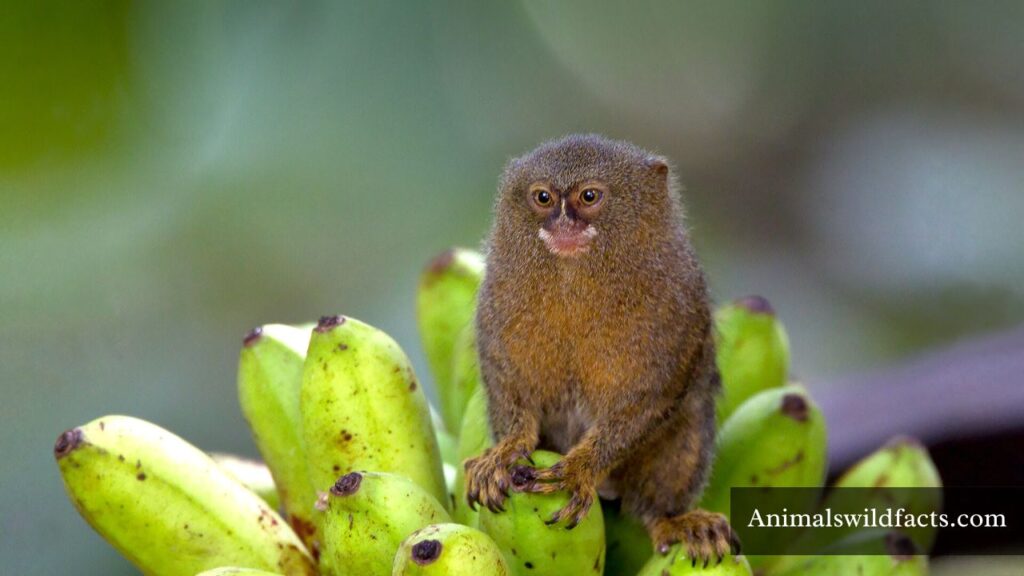
In their natural environment, Pygmy Marmosets engage in fascinating behaviors. They exhibit remarkable agility while leaping between branches, thanks to their strong, claw-like toes, which allow them to cling to tree bark effortlessly. Their unique communication methods, including an array of vocalizations and physical gestures, add depth to their social interactions. These monkeys also play a crucial role in their ecosystem; they contribute to seed dispersal, helping to maintain the biodiversity of their rainforest habitat.
Tarsiers
Size: 9–16 cm body length; tail 20–25 cm
Weight: 80–160 g
Tarsiers, with their large, expressive eyes and distinctively long fingers, are among the most fascinating small primates. These nocturnal creatures, native to Southeast Asia, possess an extraordinary ability to rotate their heads almost completely around — a feature that helps them spot the tiniest insects and other prey in the dense foliage of their forest habitats. Unlike many other monkeys, tarsiers rely heavily on their acute sense of hearing and the ability to leap remarkable distances, showcasing their impressive agility in navigating the treetops.
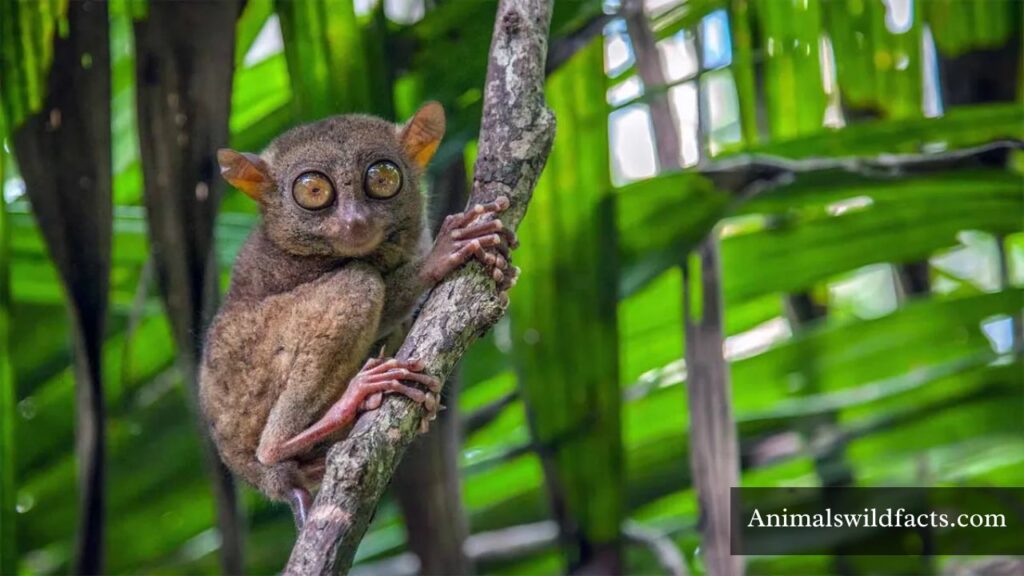
What sets tarsiers apart is not just their physical attributes but also their unique social behavior. Living in small family groups, they communicate through a series of high-pitched vocalizations and employ complex grooming rituals to strengthen social bonds. This social structure enhances their survival, allowing them to effectively hunt and protect each other from potential predators. Moreover, conservation efforts are vital for tarsiers, as their habitats are increasingly threatened by deforestation and human encroachment, reminding us of the importance of preserving these remarkable beings for future generations.
Golden Lion Tamarin
Scientific name: Leontopithecus rosalia
Size: 20–34 cm body; tail 32–40 cm
Weight: 450–800 g
The Golden Lion Tamarin is not only a visual marvel with its vibrant orange-yellow fur and distinctive mane, but it also embodies a unique blend of social behavior and ecological significance. Native to the Atlantic coastal forests of Brazil, these small primates play a crucial role in their ecosystem as seed dispersers, aiding in forest regeneration. Their arboreal lifestyle means they navigate through complex canopies, showcasing remarkable agility and teamwork with family groups, which can consist of up to six individuals.

What’s especially fascinating about Golden Lion Tamarins is their strong social structure, which leans heavily on cooperation. They rely on vocal communication, employing a range of chirps and whistles to maintain group cohesion and alert others to potential threats. The relationship they forge with their young is equally compelling; they invest significant time in nurturing their offspring, teaching them essential survival skills through playful interactions.
Night Monkey
Scientific name: Genus Aotus
Size: 24–37 cm body length
Weight: 700–1,200 g
The night monkey, or owl monkey, is an intriguing small primate native to Central and South America. These unique creatures are the only truly nocturnal monkeys, brilliantly adapted to their lifestyle with large eyes that enhance their night vision. What’s fascinating is their social structure; they’re known for forming strong pair bonds, often mating for life. This monogamous trait sets them apart in the primate world and highlights their deep social connections, which can offer insights into primate evolution and social behavior.

In addition to their captivating social dynamics, night monkeys possess a remarkable vocal range. Their calls, which resonate through the canopy at night, serve various functions, from territory marking to strengthening bonds with their mates. Conservationists are particularly concerned with this species due to habitat loss and illegal pet trade. Preserving their natural habitats not only protects the night monkeys but also the intricate ecosystems they inhabit, making them a vital component of their environment.
Cotton‑Top Tamarin
Scientific name: Saguinus oedipus
Size: 20–26 cm body; tail 33–41 cm
Weight: 410–450 g
The Cotton-Top Tamarin is a fascinating small monkey breed distinguished by its striking white crown of fur, which resembles a tufted hairstyle fit for a rock star. Originating from the tropical forests of Colombia, these agile primates engage in acrobatic displays that are as much a delight to watch as they are crucial for their survival. Their rich social structure, formed by tight-knit family units, showcases a unique level of communication through a variety of chirps and whistles, demonstrating their intricate social dynamics.
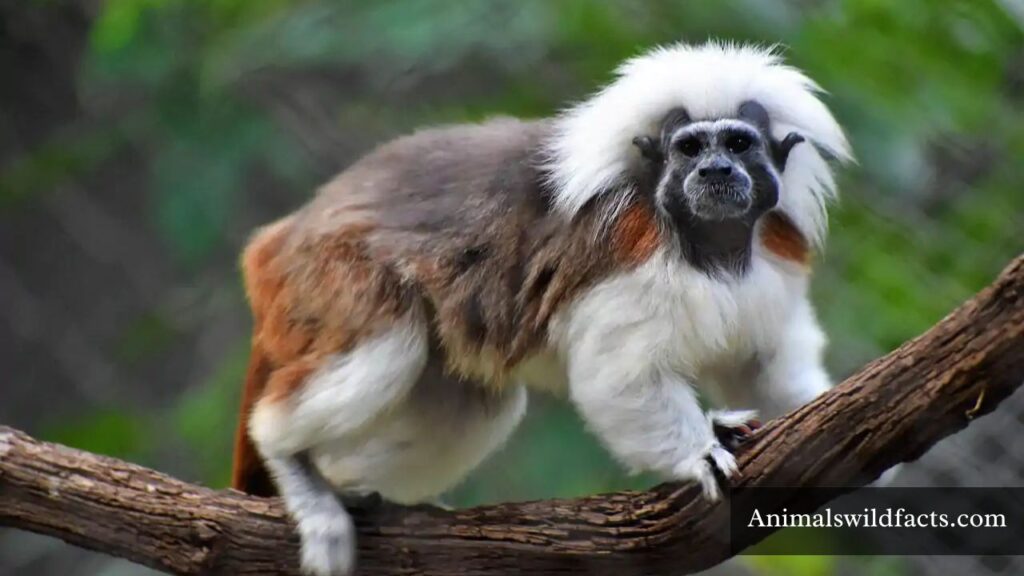
Conservation efforts for the Cotton-Top Tamarin illuminate the fragility of their existence, as habitat loss and the illegal pet trade pose significant threats. Engaging in ecotourism initiatives not only helps protect their precious environment but also offers locals sustainable economic opportunities. Observing these playful creatures in the wild reminds us of the delicate balance of ecosystems and reinforces the responsibility we share in preserving biodiversity.
Silvery Marmoset
Scientific name: Mico argentatus
Size: 18–25 cm body; tail 30–36 cm
Weight: 300–400 g
The Silvery Marmoset, a petite primate native to the lush canopies of the Brazilian rainforest, enchants with its striking silver fur and expressive eyes. This small monkey breed thrives in social communities, often seen bounding effortlessly between branches in search of insects and fruits. These vibrant creatures communicate using an array of vocalizations, showcasing their complex social structures that mirror the dynamics of their environment.
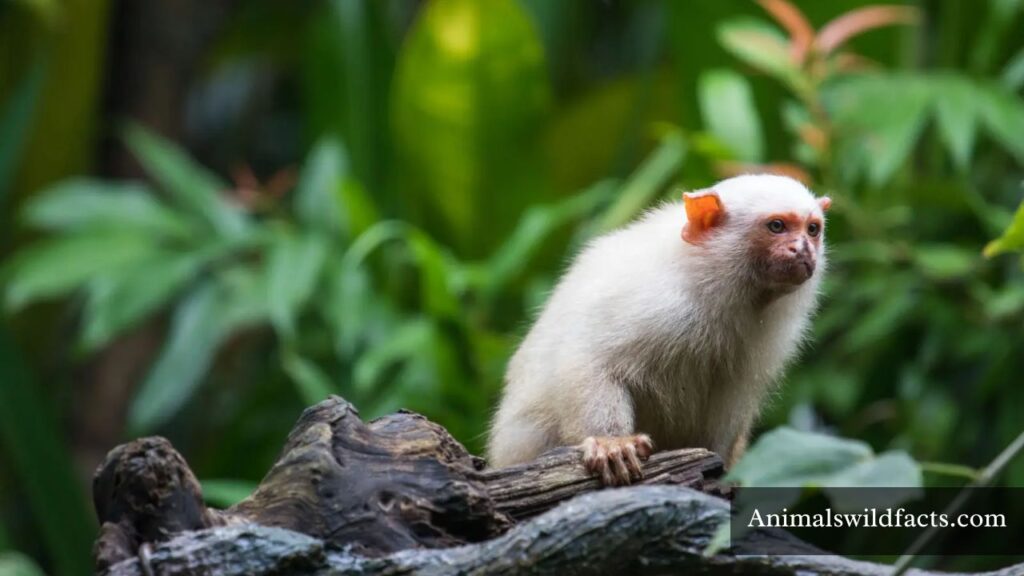
In addition to their captivating appearance and social interactions, Silvery Marmosets play a crucial role in their ecosystem. As adept foragers, they aid in seed dispersal, contributing to the regeneration of the forest.
Red-handed Tamarin
Scientific name: Saguinus midas
Size: 20–28 cm body; tail 31–44 cm
Weight: 400–550 g
The red-handed tamarin, a strikingly small primate native to the forests of South America, captivates both researchers and wildlife enthusiasts alike with its vibrant appearance and intriguing behaviors. Characterized by its bright orange limbs and distinctive black body, this monkey isn’t just a feast for the eyes but also a vital player in its ecosystem. With social structures that emphasize cooperation and communication, red-handed tamarins exhibit complex interactions that showcase their intelligence and adaptability in navigating the challenges of their arboreal habitat.
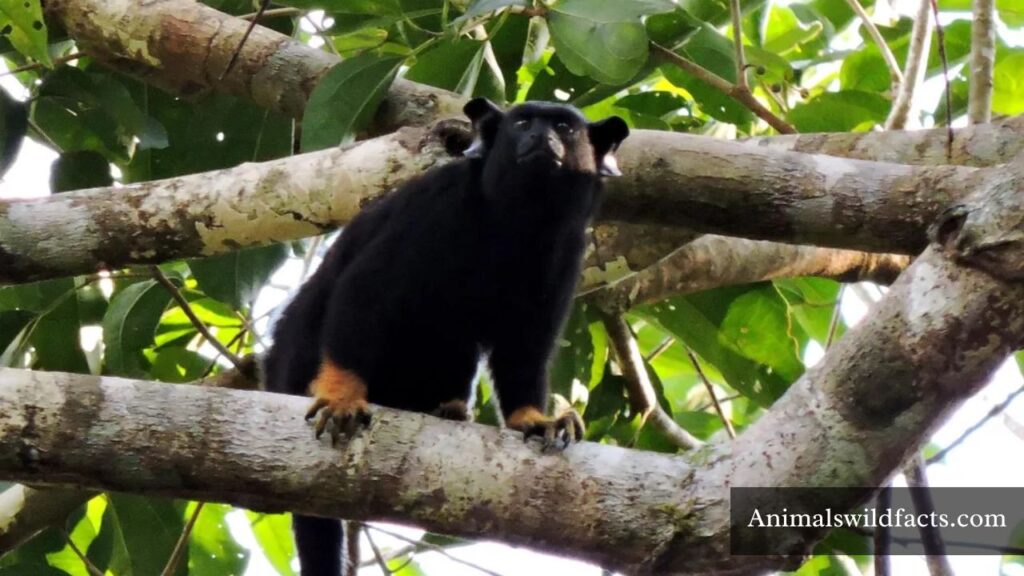
Life high up in the canopy often necessitates ingenious foraging strategies, and the red-handed tamarin excels in this regard. They primarily feed on fruits, insects, and small vertebrates, employing an agile and acrobatic approach to reach their food sources. Remarkably, they often work in concert with other species, such as capuchins, to spot predators and locate food — a testament to their highly evolved social intelligence. This symbiotic relationship not only enriches their own survival but also highlights the interconnectedness of rainforest species, emphasizing the importance of maintaining biodiversity for thriving ecosystems.
Dusky Titi
Scientific name: Callicebus moloch
Size: 28–39 cm body
Weight: 800–1,200 g
The Dusky Titi, a small monkey native to the dense forests of South America, is a marvel of adaptability and social behavior. These charming primates, typically weighing around 3 to 4 pounds, exhibit a lush, dark fur that serves as excellent camouflage among the foliage. What sets the Dusky Titi apart is their unique bond with one another; they are known for their strong pair bonds and affectionate interactions, often seen grooming and embracing each other. This tight-knit social structure highlights not only their need for companionship but also their sophisticated communication skills through a variety of vocalizations.
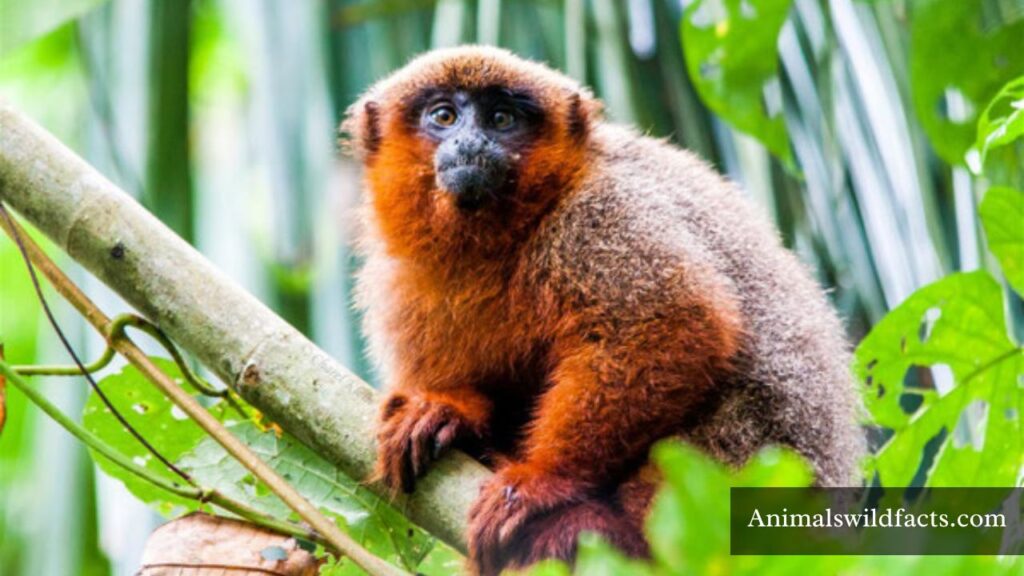
These monkeys primarily thrive in the canopies, where they skillfully navigate through branches using their prehensile tails. Their diet mainly consists of fruits and leaves, showcasing their role as vital seed dispersers in their habitat. Yet, the Dusky Titi faces significant threats from deforestation and habitat loss, raising concerns about their future. Conservation efforts are crucial to maintaining their populations and safeguarding their natural environment.
Capuchin Monkey
Size: 30–56 cm body; tail 30–55 cm
Weight: 1.3–4.8 kg
Capuchin monkeys, with their expressive faces and agile movements, hold a special place in the hearts of both pet enthusiasts and wildlife lovers alike. These small primates, native to Central and South America, possess remarkable intelligence, which allows them to solve complex problems and utilize tools — behaviors that have drawn scientific interest. Interestingly, their social dynamics reveal a level of empathy and cooperation that challenges preconceived notions about animal behavior.

In captivity, capuchins can develop strong bonds with their human caretakers, often showcasing playful and affectionate personalities. However, potential owners should approach with caution; these monkeys require immense mental stimulation and social interaction to thrive. Beyond the cuteness factor, it’s crucial to consider their ethical implications in captivity. The growing concern about the pet trade and habitat loss highlights the need for responsible stewardship — something that potential adopters must deeply contemplate before bringing one of these captivating creatures into their home.
Final Thoughts
Small monkey breeds offer a fascinating glimpse into the diversity of the primate world. From the playful marmosets to the charming tamarins, these tiny creatures captivate not only through their size but also their unique behaviors and social structures. Each breed brings its own set of characteristics and care needs, making them appealing choices for both pet owners and conservation enthusiasts alike.
However, it is crucial to remember the importance of responsible ownership and the conservation of their natural habitats. As we explore the world of small monkeys further, let’s make a commitment to promote their well-being and protect their environments.
FAQs
What is the smallest breed of monkey?
The smallest breed of monkey is the pygmy marmoset. These tiny primates typically weigh around 3.5 ounces and measure about 5 to 6 inches long, excluding their tails, which can be nearly twice their body length. Found in the rainforests of South America, particularly in the Amazon basin, they thrive in dense foliage.
What is the best small monkey as a pet?
When considering a small monkey as a pet, a popular choice is the capuchin monkey. These monkeys are intelligent, social, and can form strong bonds with their owners. However, they require a lot of attention and mental stimulation, so be prepared for the commitment. You’ll need to provide a spacious environment and various toys to keep them engaged.