Animals That Live in Caves: 10 Strange Survivors You Won’t Believe Exist
Animals that live in caves survive where most life gives up. No sunlight. Food is scarce. The air remains cool and humid. But bats, fish, birds and even snakes find home in the dark spaces. Some never leave. Others only sleep there. This is a guided tour of 10 cave animals and their scientific names, class and diet. You will also discover where they are found and how they locate food in the dark.
What Are Cave Animals Called?
Scientists sort cave animals into three groups based on how much time they spend underground.
- Troglobites live only in caves. They often lack color and sight. Examples are the olm and the Texas blind salamander.
- Troglophiles live in caves but can also live outside. Cave crickets and some crayfish fit here.
- Trogloxenes use caves for shelter but leave to feed. Most bats and oilbirds belong in this group.
Animals That Live in Caves: Quick List
Below is the list of animals covered in this guide.
| Number | Cave Animal |
| 1 | Mexican Free-Tailed Bat |
| 2 | Common Vampire Bat |
| 3 | Olm |
| 4 | Mexican Tetra (Blind Cavefish) |
| 5 | Texas Blind Salamander |
| 6 | Southern Cave Crayfish |
| 7 | Cave Cricket |
| 8 | Oilbird |
| 9 | Edible-Nest Swiftlet |
| 10 | Cave Racer |
Detailed Look at Animals That Live in Caves
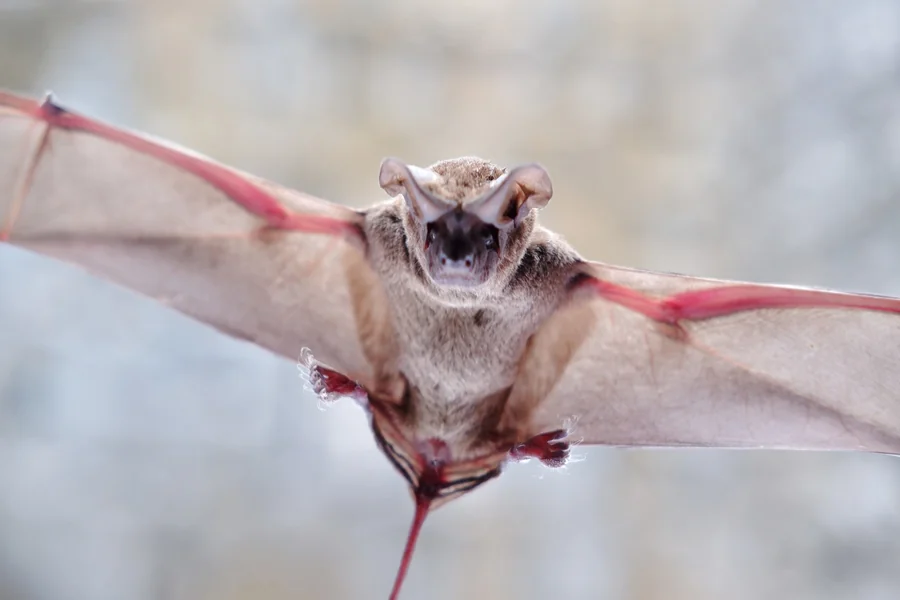
Mexican Free-Tailed Bat
Scientific Name: Tadarida brasiliensis
Class: Mammalia
Diet: Insectivore
Bracken Cave in Texas holds about 15 million of these bats. This makes it one of the biggest bat colonies on this planet. Mexican free-tailed bats are found throughout the southern United States and as far south as South America. During the day they sleep inside caves. They emerge in great numbers at dusk. Each bat eats up to half its body weight in insects a night. A lot of those bugs are pests of crops. This is a real saving to the farmers. The females come together in warm caves to give birth. There is one pup per mother, and the mother is able to identify her pup by scent and sound amongst millions of other pups. That achievement remains a surprise to the scientists. These bats are swift fliers, too. In level flight some attain speeds of almost 100 mi/hr. In winter they move south to Mexico. They are most threatened by cave loss and disturbance. One loud flight can cause a hive to leave its roost. To view them, look at them from afar at dusk. Safe viewing programs are available at many parks.
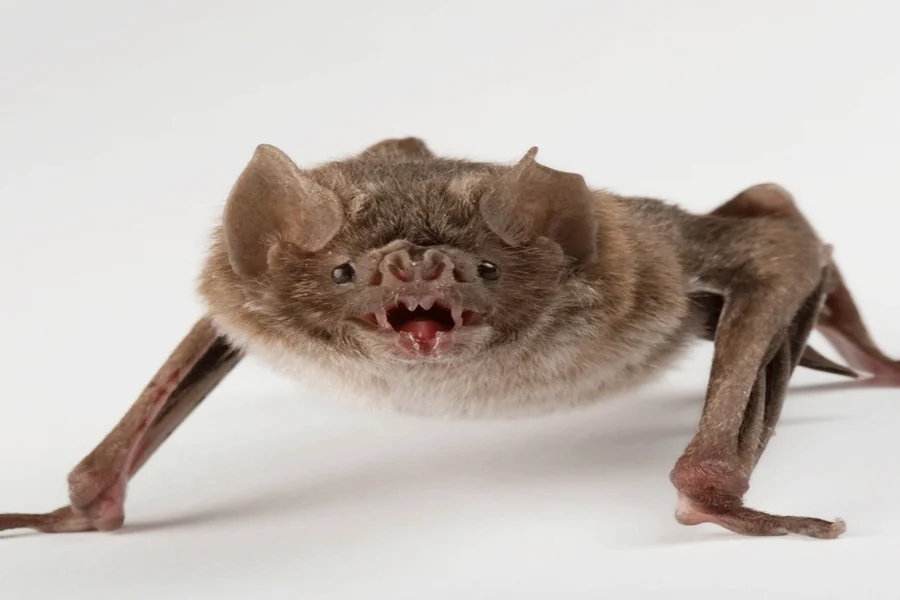
Common Vampire Bat
Scientific Name: Desmodus rotundus
Class: Mammalia
Diet: Sanguivore (blood feeder)
Vampire bats sound scary but the facts are more interesting. The common vampire bat is found from Mexico to northern Argentina. Its roosting place is in the hole of trees, old mines and caves. Colonies can be small (a few bats) or large (several hundred). It goes out at night to search for livestock or animals to feed on when they are sleeping. It falls near and walks on all fours. This bat is among the few that can run, and even hop. It has heat sensors on its nose to detect blood-rich skin. It then cuts a small incision with its sharp teeth. Doesn’t let blood clot in its saliva. It takes approximately 20 minutes to eat a meal. Bats will starve in about 2 days if they miss a meal. So they share. A blood-filled stomach will be regurgitated by a fed bat to feed a hungry roostmate. This is a rare example of inter-species sharing of food items. Bites seldom harm the host. Rabies is the greater risk. This is the reason why health teams keep a close watch on such colonies.
Olm
Scientific Name: Proteus anguinus
Class: Amphibia
Diet: Carnivore
The olm is a cave salamander from the Dinaric Alps in Europe. It inhabits dark underground waters of Slovenia, Croatia and surrounding countries. It was once referred to as “the baby dragon.” They are pale pink in color with a thin long body. It is very tiny with red gills on its head and very small legs. It hides its eyes under the skin which limits its ability to see. It uses a sense of smell and sense of touch instead. It is also able to detect weak electric signals from prey. The olm feeds on snails, shrimp and small insects. Slow moving and requires little energy. Up to ten years without a meal, a life span of some olms. The species is believed to have a lifespan of up to 100 years. This is a long time for a little critter. The breeding age of Olms is 14 years. A few populations give birth to live young. Water pollution and low flows put the olm at risk. Its caves and springs are protected by local groups.
Mexican Tetra (Blind Cavefish)
Scientific Name: Astyanax mexicanus
Class: Actinopterygii
Diet: Omnivore
The Mexican tetra comes in two forms. One lives in rivers, it has eyes. The other is found in caves in north-east Mexico and does not exist there. They’re both the same species. The blind cavefish is a common name for the cave form. Eyes are the first thing young fish have. Some eyes then retract and skin covers the eyes. The fish also lose their color. They are pale silver or pink in colour. In the dark they rely on a lateral line. This line detects small changes in the water pressure. It allows them to look for food and to not collide with walls. Cave tetras feed on bat feces, small crustaceans and bits of plants. There is not much food around so they get fat easily. They also don’t sleep as much as river fish. Researchers are studying these fish to gain insight into the process by which eyes are lost over time. Their genes also help research on diabetes and sleep. They are also sold in pet shops. Loss of water at wild cave sites due to wells and farming.
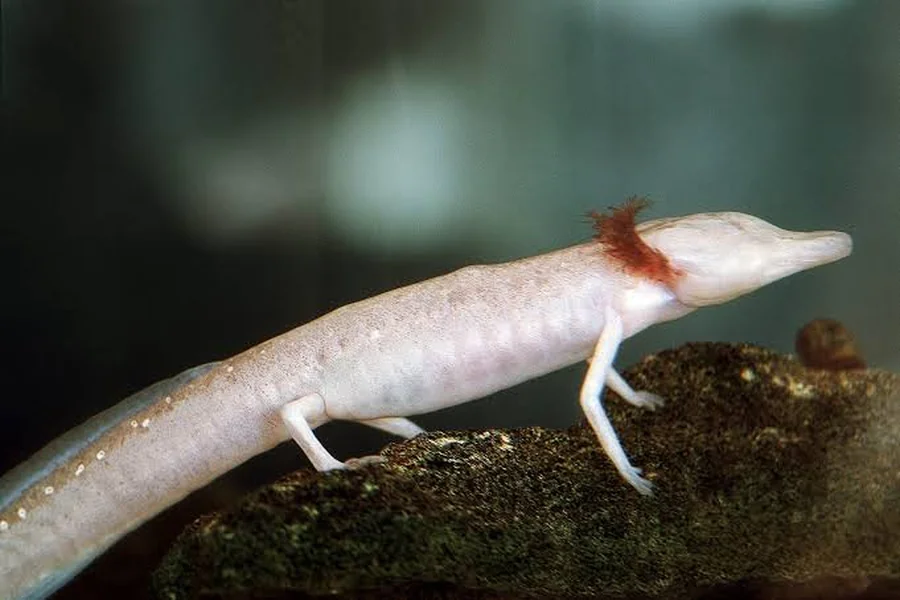
Texas Blind Salamander
Scientific Name: Eurycea rathbuni
Class: Amphibia
Diet: Carnivore
Deep under San Marcos in Texas lives a salamander that has never seen light. The Edwards Aquifer is the home of the Texas blind salamander. It makes its home in a water-filled maze of cracks and caves. It was discovered in 1896 when a well was dug. It is rare to see one alive. The adults are about five inches long. White body and a flat head with a wide snout. Very small dark circles are seen under the eyes. Red gills remain on its neck for its entire life. The salamander does not get out of water. It hunts by feel, small snails and shrimp. It can also detect any water movement nearby. It is poorly known in its breeding habits. The primary threats are water pumping and pollution. Droughts can cause aquifer declines to occur rapidly. According to U.S. law, the species is endangered. Conservation of the aquifer ensures the protection of this animal, as well as the drinking water of numerous people.
Southern Cave Crayfish
Scientific Name: Orconectes australis
Class: Malacostraca
Diet: Omnivore
The southern cave crayfish lives in caves across the southeastern United States. Alabama and Tennessee hold many of its streams. It lives in slow cold water in total darkness. Its body is pale and almost see-through. The eyes are small and do not work well. Long antennae and thin legs do the sensing instead. They pick up touch and chemicals in the water. This crayfish eats whatever drifts in. Bat droppings, dead insects, fungus and plant scraps all make a meal. Food is rare in caves. So the crayfish burns energy slowly. It grows slowly too. Cave crayfish often outlive river crayfish by years. Females carry their eggs under the tail until they hatch. Runoff from roads and farms is the biggest worry. One polluted stream can wipe out a local group. They also serve as food for other cave animals. They hold a key spot in the cave food web. Careful visitors can help by not dumping waste or washing gear near cave streams.
Cave Cricket
Scientific Name: Rhaphidophoridae (family)
Class: Insecta
Diet: Omnivore
Cave crickets look like spiders with humped backs. They belong to the family Rhaphidophoridae. Hundreds of species live across many parts of the world. Many live in caves and some live in hollow logs or basements. They have no wings so they cannot chirp. Their antennae can be several times longer than their bodies. The antennae work as touch and smell sensors in the dark. Their hind legs are long and strong. A startled cricket can jump a long way. Most cave crickets rest in the dark by day. At night they leave the cave to feed. They eat fungi, dead insects and plant bits. Then they return to the roost. Their droppings feed many tiny cave animals. Some beetles and mites gain from this supply. In many caves crickets are a main link between the surface and the dark zone. Without them some cave food webs would struggle. A few species are rare and protected.
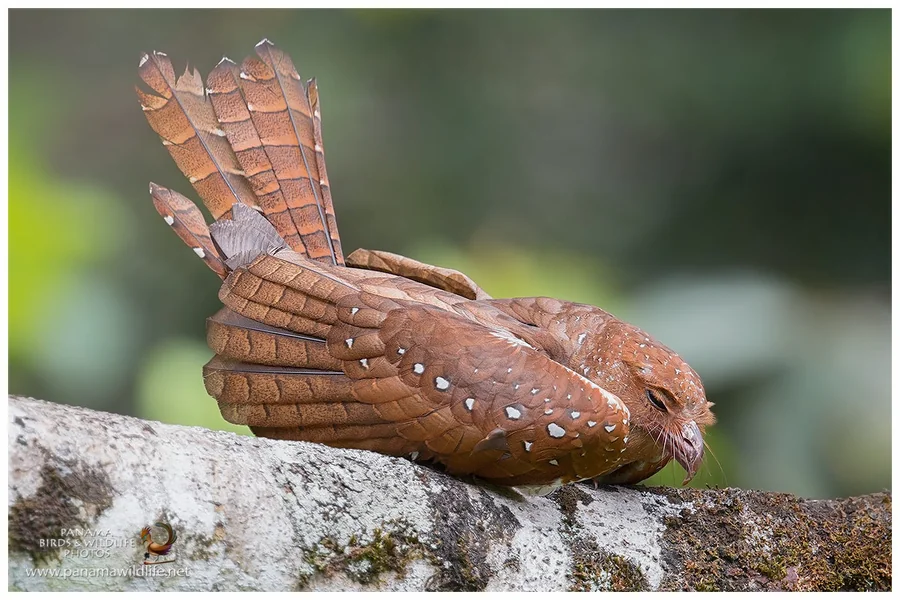
Oilbird
Scientific Name: Steatornis caripensis
Class: Aves
Diet: Frugivore
The oilbird is the only bird of its kind. It is active at night and it eats fruit. It lives in northern South America and on the island of Trinidad. Colonies nest on ledges deep inside caves. Some caves hold hundreds of birds. The oilbird has large eyes for dim light. Inside a cave it uses clicks to find its way. This is called echolocation. Few birds can do it. At dusk the birds fly out and travel far to find fruit. They favor oil palm and laurel fruits. They find trees by smell. They pluck fruit on the wing and swallow it whole. Seeds return to the forest in droppings. This helps new trees grow. The chicks grow very fat. Local people once boiled the chicks to make oil. That gave the bird its name. Today some caves are protected. Trinidad’s Dunstan Cave is a well-known viewing site. Visit with a guide and keep lights low.
Edible-Nest Swiftlet
Scientific Name: Aerodramus fuciphagus
Class: Aves
Diet: Insectivore
Edible-nest swiftlets live in caves and buildings across Southeast Asia. They are small brown birds with fast wings. They catch flying insects in mid-air. At dusk they return to the cave to roost. In the dark they use clicks to find the way. Their clicks are loud enough for people to hear. The nest is the famous part. Swiftlets build it mostly from saliva. The strands harden into a small cup on the cave wall. A nest takes around a month to finish. People harvest these nests for bird’s nest soup. The trade is worth a lot of money in parts of Asia. Heavy harvest has cut wild numbers in some caves. Many farmers now build bird houses to draw the swiftlets. This eases pressure on cave colonies. It also brings new problems such as noise and disease risk. Niah and Gomantong caves in Borneo are well-known nesting sites. Rules there limit when nests can be taken.
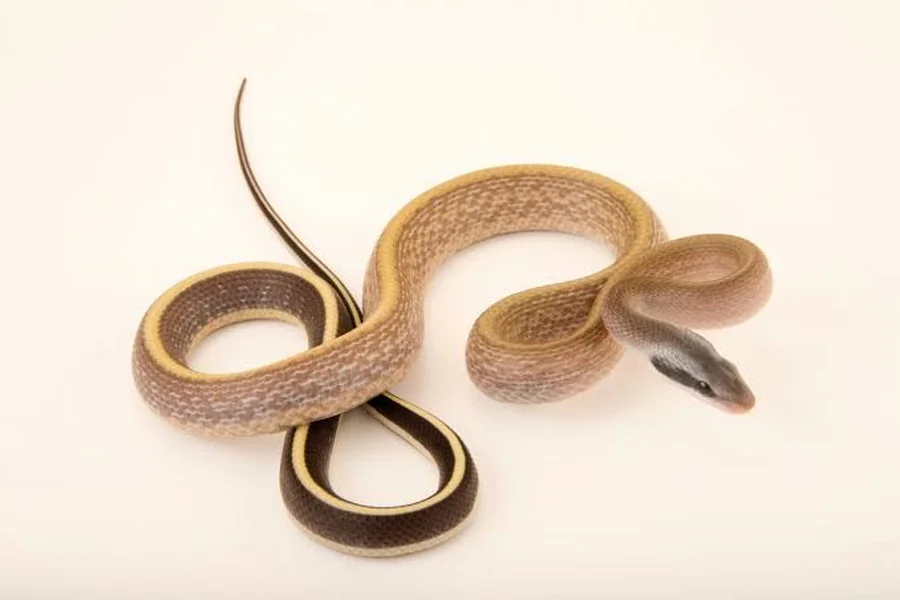
Cave Racer
Scientific Name: Elaphe taeniura
Class: Reptilia
Diet: Carnivore
The cave racer is a long slim snake that hunts bats. It lives in parts of Southeast Asia and southern China. You can find it in forests, rocky hills and limestone caves. Adults grow about two meters long. The body is olive to brown with a pale belly. It has no venom. It kills by squeezing. Inside caves the snake climbs walls with ease. At dusk it hangs from ledges near the cave mouth. Then it waits for bats to fly past. A quick strike snatches one from the air. The snake also eats swiftlets and nestlings. Outside the cave it takes rats and other small prey. People often fear this snake but it tends to avoid them. A cave with bats and nests gives it steady meals. They are one of the main predators in these caves. Limestone quarrying and forest loss are cutting its range. Protecting cave sites helps this snake and its prey.
Why Cave Animals Matter
Cave animals matter because they control pests, spread seeds, feed cave food webs and show how healthy groundwater is. They also help scientists study aging, vision loss and disease. Many live nowhere else on Earth. When a cave species disappears, it is gone for good.
1. They Control Pests
Bats leave caves at dusk to eat insects. A single colony can eat tons of insects in one night. Many of those insects harm crops. Farmers save money on pesticides because of this. Studies put the value of bats to farms in the billions of dollars each year.
2. They Spread Seeds
Oilbirds fly far to find fruit. Seeds pass through them and land in new places. This helps forests regrow. Some bats also carry pollen between plants as they feed. Agave plants rely on them.
3. They Feed the Cave Food Web
Caves have no sunlight and no plants. So the food comes from outside. Bat droppings and cricket droppings bring energy underground. Fungi, beetles, crayfish and fish all live off it. Remove the bats and the whole chain weakens.
4. They Show Water Quality
Many cave animals live in groundwater. They are very sensitive to pollution. The Texas blind salamander is a good example. If it declines, the aquifer is likely in trouble. That water supplies drinking water for many people.
5. They Help Science and Medicine
The Mexican tetra helps researchers study eye loss, sleep and diabetes. The olm helps them study long life. Bats carry viruses without getting sick. Scientists study how their bodies manage this. Cave microbes are also a source of new antibiotic compounds.
6. They Support Local Income
Swiftlet nests are a major trade in parts of Southeast Asia. Bat caves draw tourists too. Parks in Texas run evening bat viewings. This gives communities a reason to protect caves.
7. They Are Rare
Many cave species live in one cave or one spring. They cannot move if their home is damaged. This makes them some of the most at-risk animals on Earth.
Cave Animals at a Glance (Habitat Map Table)
| Animal | Class | Diet | Main Region |
| Mexican Free-Tailed Bat | Mammalia | Insectivore | Southern USA to South America |
| Common Vampire Bat | Mammalia | Sanguivore | Mexico to northern Argentina |
| Olm | Amphibia | Carnivore | Dinaric Alps, Europe |
| Mexican Tetra | Actinopterygii | Omnivore | Northeastern Mexico |
| Texas Blind Salamander | Amphibia | Carnivore | Edwards Aquifer, Texas |
| Southern Cave Crayfish | Malacostraca | Omnivore | Southeastern USA |
| Cave Cricket | Insecta | Omnivore | Many regions worldwide |
| Oilbird | Aves | Frugivore | Northern South America, Trinidad |
| Edible-Nest Swiftlet | Aves | Insectivore | Southeast Asia |
| Cave Racer | Reptilia | Carnivore | Southeast Asia, southern China |
More Animals That Live in Caves
Here are 10 more cave animals. Each one has its scientific name, class, diet and a short description.
- Grey Bat (Myotis grisescens) | Mammalia | Insectivore
Most of the population uses just a handful of caves in the southeastern United States. That makes the species easy to harm. - Little Brown Bat (Myotis lucifugus) | Mammalia | Insectivore
It hibernates in caves all winter. White-nose syndrome has killed millions of these bats in North America. - Cave Salamander (Eurycea lucifuga) | Amphibia | Carnivore
This orange salamander has black spots and a long tail. It lives near cave entrances in the eastern and central United States. - Southern Cavefish (Typhlichthys subterraneus) | Actinopterygii | Carnivore
A pale fish with tiny eyes. It lives in cave streams and eats small crustaceans. - Alabama Cave Shrimp (Palaemonias alabamae) | Malacostraca | Omnivore
A tiny pale shrimp found in just a few caves in northern Alabama. It is listed as endangered. - Waitomo Glowworm (Arachnocampa luminosa) | Insecta | Carnivore
The larvae glow blue-green to lure insects. They hang sticky threads from the ceiling of New Zealand caves. - Tasmanian Cave Spider (Hickmania troglodytes) | Arachnida | Carnivore
A large pale spider that lives in Tasmanian caves. It builds sticky webs on the cave ceiling. - Cave Swallow (Petrochelidon fulva) | Aves | Insectivore
It builds mud nests on cave walls and in sinkholes. You can find it in Texas, Mexico and the Caribbean. - Barn Owl (Tyto alba) | Aves | Carnivore
It roosts in caves and cliffs. It hunts rats and mice at night using sharp hearing. - Cave Cricket Relatives: Camel Crickets (Ceuthophilus genus) | Insecta | Omnivore
These wingless crickets rest in cave mouths and leave at night to feed. Their droppings feed other cave life.
Final Thoughts
Cave life is tough but it works. Each animal on this list found a way to live without sunlight. Some lost their eyes. Some learned to click their way through the dark. Others share food to get through lean days. Most animals that live in caves are also easy to harm. A bit of pollution or one careless visit can undo years of survival. If you explore caves, stay quiet and take only photos. Small choices help these animals keep their dark homes.
FAQs:
What animals live in caves?
Bats, cave crickets, blind salamanders, cavefish, crayfish, oilbirds, swiftlets and some snakes live in caves. Some stay for life. Others use caves for sleep and shelter.
What are animals that live in caves called?
They are called cave dwellers. Scientists use three terms: troglobites live only in caves, troglophiles live in and out of caves, and trogloxenes visit caves for shelter.
Why are many cave animals blind?
Eyes use energy and give no benefit in total darkness. Over many generations cave animals lose sight and gain stronger touch, smell and pressure senses.
What do cave animals eat?
Most eat bat droppings, fungi, dead insects and small prey that wash in. Predators like cave racers hunt bats and birds.
Which cave animal lives the longest?
The olm may live around 100 years. That is far longer than most amphibians.