Explore Facts About Badgers in Maine
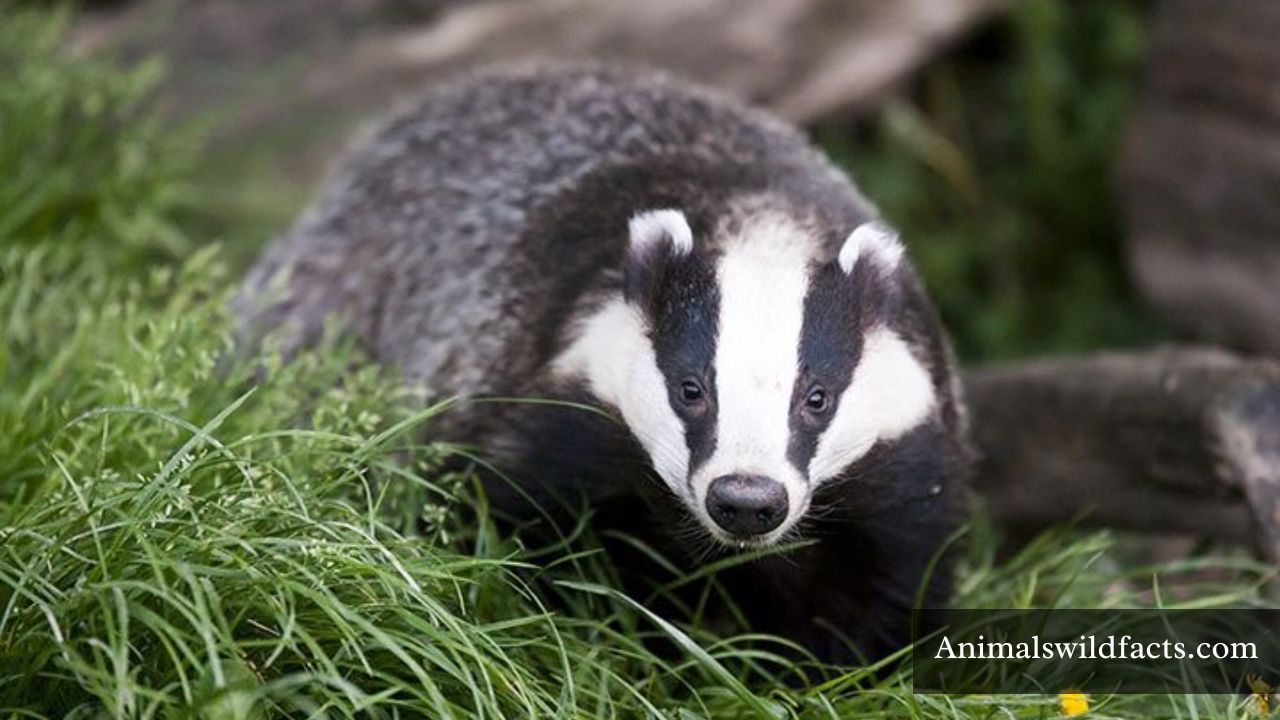
Did you know that badgers, often thought to be exclusive to the American West, actually roam the forests of Maine? While these elusive creatures may not be a common sight, their unique behaviors and habitats play a crucial role in our ecosystem. In this article, we’ll uncover the surprising presence of badgers in Maine, explore their significance, and discuss how their conservation impacts local biodiversity. By the end, you’ll gain a deeper appreciation for these fascinating animals and understand why protecting them is essential.
Are there badgers in Maine?
Contrary to popular belief, badgers are not a common sight in Maine. While these robust creatures are often associated with the Midwest and parts of the West in the U.S., their presence in the Pine Tree State is virtually nonexistent. Sightings are rare, and reports generally indicate that any badgers observed are likely wanderers from neighboring regions. This absence highlights a curious aspect of Maine’s ecology, where the climate and landscape favor a different set of native wildlife.

The state’s golden fields and dense forests are home to many fascinating species, making them a priority for conservation. Efforts to understand and maintain the delicate balance of Maine’s ecosystems focus on protecting native animals that thrive in this environment. As we explore Maine’s wildlife, we uncover stories of the elusive fisher, the enchanting moose, and countless bird species that call the state home.
Badgers In Maine
- Habitat
- Colour
- Diet
- Reproduction
- Predators
- Size, Lifespan And Weight
Habitat
Maine’s diverse ecosystems provide an ideal backdrop for badgers, with their habitats often found in sandy, gritty soils that facilitate easy burrowing. These elusive creatures are typically drawn to open grasslands, agricultural fields, and the edges of woodlands, where they can thrive amidst a blend of vegetation. Their burrows, intricate networks of tunnels, not only serve as homes but also as strategic vantage points for hunting small rodents and insects.

Interestingly, the presence of badgers can have a ripple effect on the local ecosystem. By aerating the soil through their digging, they enhance the growth of plants, which in turn benefits a variety of other wildlife. Observers may be surprised to learn that badgers are also known to coexist with other burrowing animals, often sharing their subterranean spaces, creating a dynamic community underground. This fascinating behavior underscores the interdependence of species within Maine’s natural habitats.
Colour
Badgers in Maine are often cloaked in a striking blend of muted browns and grays, which perfectly camouflages them in the state’s diverse habitats. Their thick fur, flecked with lighter and darker shades, not only provides protection from the elements but also serves as an essential element of their hunting strategy. As nocturnal creatures, these badgers often remain hidden during the day, blending seamlessly into the underbrush or rocky outcrops, allowing them to ambush small mammals, their primary prey.
Interestingly, the seasonal shifts in Maine’s landscape also influence how these animals appear. In winter, their fur can appear darker, absorbing more heat from the limited sunlight, while in summer, the lighter hues may help to reflect the intense sun, showcasing nature’s adaptation for survival. Observing a badger in the wild evokes a sense of the rugged beauty of Maine’s wilderness — a juxtaposition of their formidable strength and gentle coloration, drawing attention to the complexities of their role within the ecosystem.
Diet
In Maine, badgers exhibit a diverse diet that reflects their opportunistic foraging habits. While they primarily hunt small mammals such as rodents, their palate extends to include a variety of insects, reptiles, and even fruit during the warmer months. This adaptability not only showcases their role as an ecological balance keeper but also emphasizes their unique behavioral traits; badgers are known to dig up vole tunnels, demonstrating remarkable ingenuity in securing food in tightly hidden spaces.
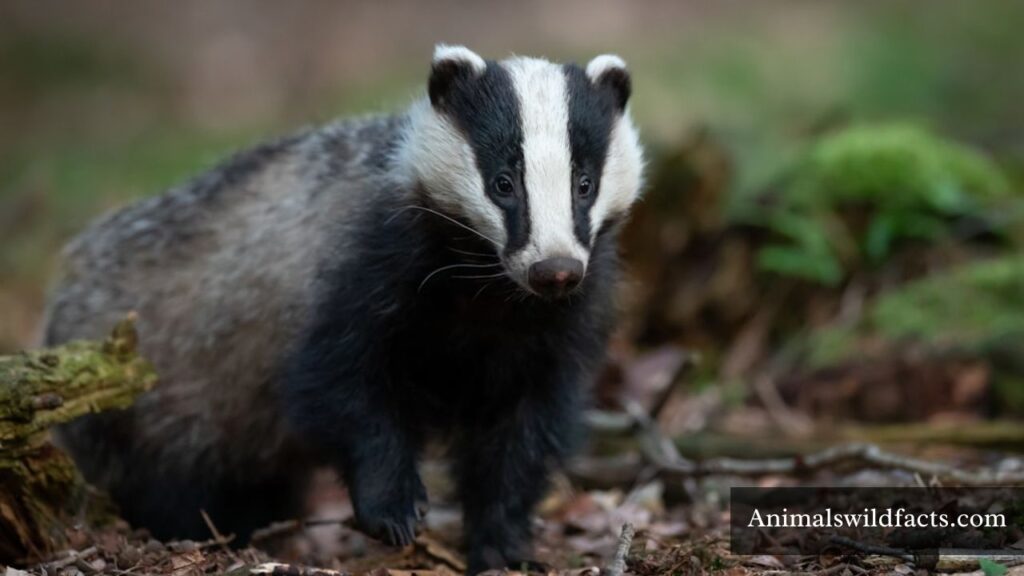
What’s particularly fascinating is their impact on the environment. As they forage, badgers aerate the soil, which improves planting conditions for other flora and promotes a healthier ecosystem. Their food choices also influence prey populations, making them a crucial element in maintaining the delicate balance of Maine’s wildlife.
Reproduction
Reproduction in badgers, particularly in Maine, presents a fascinating glimpse into the complexities of wildlife adaptation. Badgers typically breed between late winter and early spring, with a unique delay in implantation known as delayed fertilization. This strategy allows female badgers to time the birth of their young in sync with the availability of food resources, ensuring that their progeny have the best chance of survival during the critical early months. As spring emerges, the female seeks out a suitable den, often a burrow she has excavated herself, providing a secure environment for raising her kits.
Once the kits are born, typically numbering between one to five, the mother becomes fiercely protective, restricting their initial outings to ensure their safety. This nurturing phase is critical as the young badgers grow rapidly, developing their foraging skills and social behaviors. The sight of playful kits emerging from their den in the late spring sunshine not only warms the hearts of observers but also highlights the interconnectedness of Maine’s ecosystems. As they frolic in their natural habitat, these young badgers are learning vital survival skills, ensuring the continuity of their lineage in the rugged terrain of Maine.
Predators
Badgers in Maine are often overshadowed by more charismatic wildlife, yet they play a vital role as formidable predators in the ecosystem. These sturdy, stocky mammals thrive in diverse habitats, from fields to forests, showcasing their adaptability. With powerful claws designed for digging, badgers can unearth a variety of prey, from rodents to insects, efficiently controlling animal populations and promoting a healthier balance in their environment.
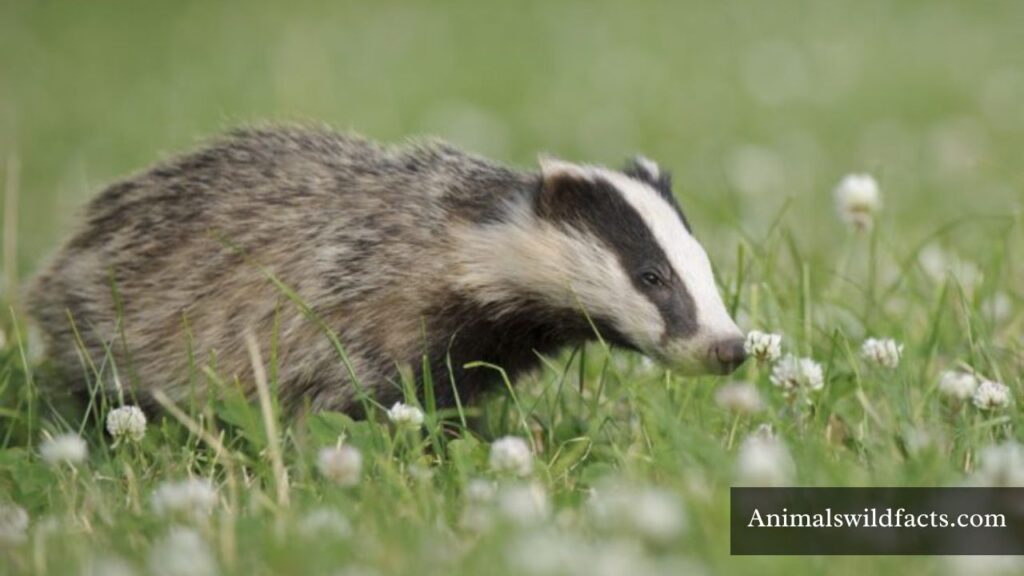
Interestingly, their nocturnal habits add an air of mystery to their predatory prowess. While many might envision a silent hunter, badgers are known for their aggressive behavior when threatened, showcasing a boldness that belies their size. This tenacity allows them to compete effectively with larger predators in Maine, establishing them as significant players in the food web. Observing a badger in action offers a glimpse into the delicate dance of nature, revealing not just a hunter, but a crucial component of the state’s biodiversity.
Size, Lifespan And Weight
Badgers in Maine are fascinating creatures, often overlooked due to their elusive nature. Typically averaging about 24 to 30 inches in length, these impressive mammals possess a stout body and short legs, creating an intriguing profile that blends speed and agility with a robust build. Weighing anywhere from 15 to 30 pounds, Maine’s badgers exhibit sexual dimorphism, with males generally larger than females. This size advantage aids them in territorial disputes and during the mating season, showcasing the importance of physicality in their survival.
In terms of lifespan, badgers in the wild can live around 5 to 7 years, although some individuals have been known to reach up to 14 years when conditions are favorable. Their longevity is often influenced by factors such as habitat quality, food availability, and predation risks. Badgers’ burrowing behavior not only helps them evade predators but also creates a complex underground network that serves other wildlife.
Readmore: Explore Can Wolves Purr?
Conclusion
Badgers play a vital role in Maine’s ecosystems, contributing to soil health and pest control. Although their populations face challenges due to habitat loss and human activities, conservation efforts can help ensure their future. Understanding their behaviors and habitats is crucial for fostering coexistence between humans and these fascinating creatures. By supporting local wildlife initiatives and promoting awareness, we can help protect badgers and their environments. Let us commit to preserving Maine’s natural heritage for generations to come.
FAQs
Are there badgers in the state of Maine?
Yes, there are badgers in the state of Maine, although they are not particularly common. They are primarily found in the western and southern regions of the state. Badgers prefer open landscapes, like fields and grasslands, where they can dig for their main food source — small mammals like ground squirrels and rodents.
What animal is Maine known for?
Maine is well-known for its moose, which are iconic to the state’s wilderness. These large mammals roam freely through the forests, especially in the northern regions.
What large predators live in Maine?
Maine is home to several large predators, with the American black bear being one of the most notable. These bears thrive in the state’s diverse habitats, including forests and mountainous areas.