

Facts About Kangaroos: How Strong is a Kangaroo?
Have you ever thought about how a creature the size of a kangaroo can display such astounding feats of strength and agility? In “How Strong is a Kangaroo?”, we will explore the remarkable physical attributes that contribute to their powerful kicks and impressive jumps. This article aims to inform readers about the significance of kangaroo strength in their natural habitat and the implications for ecosystems at large. Join us as we analyze the unique adaptations that make kangaroos some of the strongest animals in the animal kingdom.
How Strong is a Kangaroo?
Scientific Name: Macropus
Class: Mammalia
Diet: Herbivore
Kangaroos are often underestimated in terms of their physical prowess, yet they possess remarkable strength and agility. A fully grown male kangaroo, or a “boom” as they’re colloquially called, can weigh over 200 pounds and reach heights of nearly 8 feet when standing upright. Their powerful hind legs are not just built for impressive leaps; with the capability to hop at speeds up to 35 miles per hour, they rival many athletes in terms of raw speed. Interestingly, their muscular tails can act as a third leg, providing balance and support when they execute swift turns or quick maneuvers.
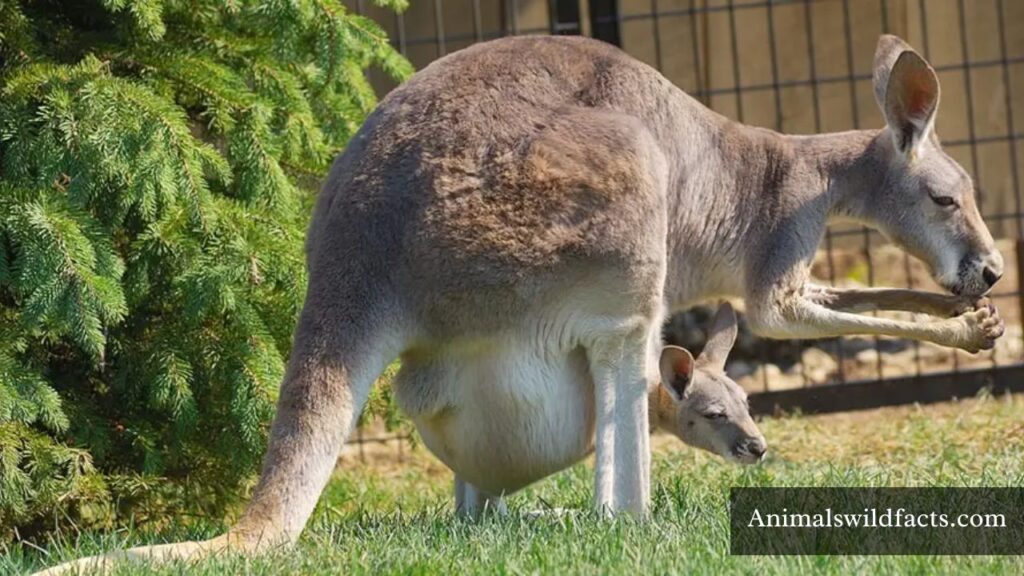
Furthermore, the unique structure of a kangaroo’s body aids in its strength. Their elongated tendons store energy much like a spring, allowing them to cover great distances with minimal effort. This biomechanical efficiency is not just for show; in a surprising twist, kangaroos are known to use their formidable back legs defensively, striking out with a force that can deter even the most determined predator. In essence, a kangaroo is not merely a creature of the outback but a natural marvel, equipped with a blend of strength, speed, and agility that fascinates both scientists and wildlife enthusiasts alike.
Kangaroo Bite Force
Kangaroos, often celebrated for their incredible jumping ability and strong hind legs, also possess a surprisingly potent bite force that is often overlooked. Research suggests that the bite strength of a kangaroo can reach up to 300 Newtons, which is comparable to that of a medium-sized dog. This formidable bite serves multiple purposes: from stripping leaves off tough vegetation to defending against predators. Their incisors are uniquely adapted to grip and tear, providing them with an edge in their challenging Australian habitat.
Interestingly, while kangaroos are generally seen as gentle herbivores, their bite can be a powerful deterrent when threatened. In encounters with humans, a kangaroo’s bite can prove to be startlingly aggressive. It’s a reminder that despite their iconic status as symbols of Australia’s delicate wildlife, kangaroos possess an innate ability to defend themselves, bridging the gap between the serene image of these creatures and the raw realities of survival. This duality adds a fascinating layer to their biology, highlighting the evolutionary adaptations that make them both gentle grazers and formidable defenders.
How Fast Can Kangaroos Run?
Kangaroos are surprisingly efficient sprinters, capable of reaching speeds up to 40 miles per hour for short bursts. Their unique mode of locomotion — bounding on powerful hind legs — allows them to cover large distances quickly, making them extraordinary travelers across the vast Australian outback. This remarkable speed isn’t just for show; it serves as an adaptive advantage, helping them evade predators in their natural habitat.
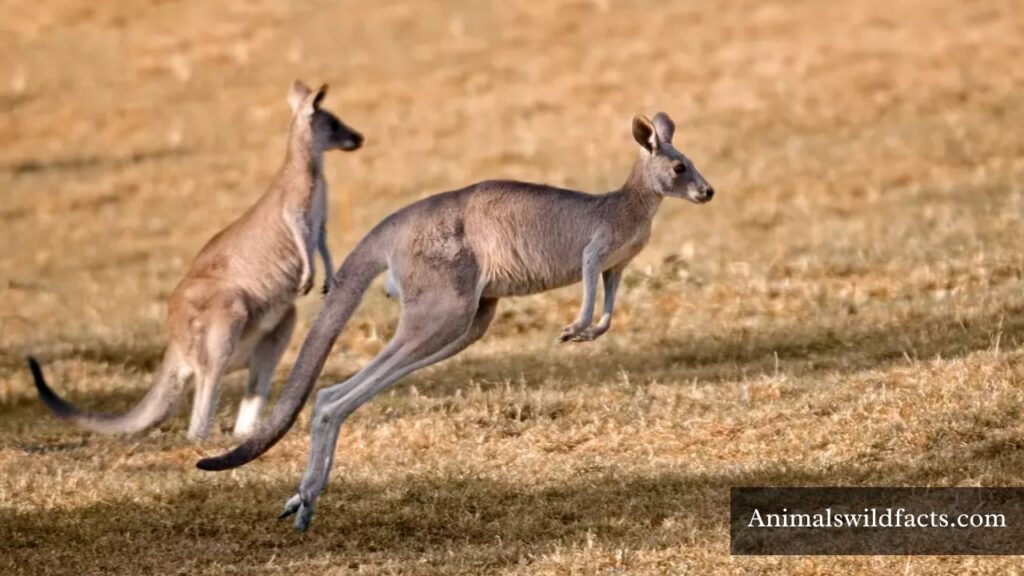
Interestingly, the energy-efficient design of a kangaroo’s movement allows these animals to travel long distances without tiring quickly. Their elastic tendons store energy, releasing it with each leap, which helps sustain speeds of around 15 miles per hour over extended periods. This natural endurance makes kangaroos not only sprinting champions but also perseverant long-distance runners, redefining our understanding of speed in the animal kingdom. The juxtaposition of agility and stamina illustrates the kangaroo’s unique adaptations, highlighting how evolution shapes fitness in diverse environments.
How Strong Is A Kangaroo Kick?
A kangaroo kick is not just a playful gesture; it’s a powerful display of strength rooted in the animal’s unique biology. With powerful hind legs designed for jumping, kangaroos can deliver kicks that exert tremendous force — up to 800 pounds! This strength is essential, as it allows them to defend themselves against predators and establish dominance within their social groups.
What’s intriguing is the mechanics behind that kicking power. The large quadriceps muscles and elastic tendons work in harmony, allowing for explosive energy release. When a kangaroo kicks, the sheer speed and precision can leave an opponent stunned, often sending them flying backward. A single swift kick can be a pivotal point in a confrontation, showcasing not just raw power but also the artistry of their natural instinct for survival.
How strong is a kangaroos tail?
The strength of a kangaroo’s tail is nothing short of remarkable, serving as a multifunctional limb that contributes to the animal’s agility and balance. Composed of highly muscular tissue, the tail can support the kangaroo’s weight while it engages in powerful leaps, enabling it to travel distances of up to 30 feet in a single bound. This tail isn’t just a counterbalance; it’s also a critical tool for steering and stabilizing during high-speed maneuvers, allowing kangaroos to navigate their often rugged Australian environments with ease.

Moreover, the tail plays a vital role in communication and social interaction among kangaroos. When they’re engaged in playful sparring or establishing dominance, you’ll notice their tails swaying and snapping, adding an extra layer to their body language. This adaptability underscores the tail’s dual purpose, combining physical prowess with social nuance, illustrating the complexity of kangaroo behavior.
Kangaroo vs Gorilla
Gorillas, with their massive muscles and robust upper body, can bench press an estimate of 1,800 pounds. This powerful physique is designed for both mobility in the dense forests of Africa and territorial displays, demonstrating their dominance within social hierarchies. Their muscular arms are perfect for climbing and foraging, showcasing a strength that combines agility and brute force.
In contrast, kangaroos possess a unique power in their hind legs, capable of delivering a kick that can exert up to 1,200 pounds of force — enough to fend off predators effectively. These powerful legs also allow kangaroos to cover great distances with remarkable speed and agility, making them extraordinary athletes in their own right. While gorillas exhibit strength through muscle mass and physical dominance, kangaroos leverage their specialized limbs for both survival and showcasing their strength in dynamic, fast-paced movements.
How Strong Are Kangaroos Compared To Humans?
Kangaroos are remarkable athletes, showcasing strength and agility that can significantly surpass those of the average human. With powerful hind legs, a kangaroo can leap over heights up to ten feet and cover distances of over 30 feet in a single bound. This incredible jumping ability stems from their unique muscular structure, which includes large, well-developed thigh muscles that provide the explosive power needed for such astounding feats. In comparison, the average human could only dream of reaching such heights or distances without the aid of technology.
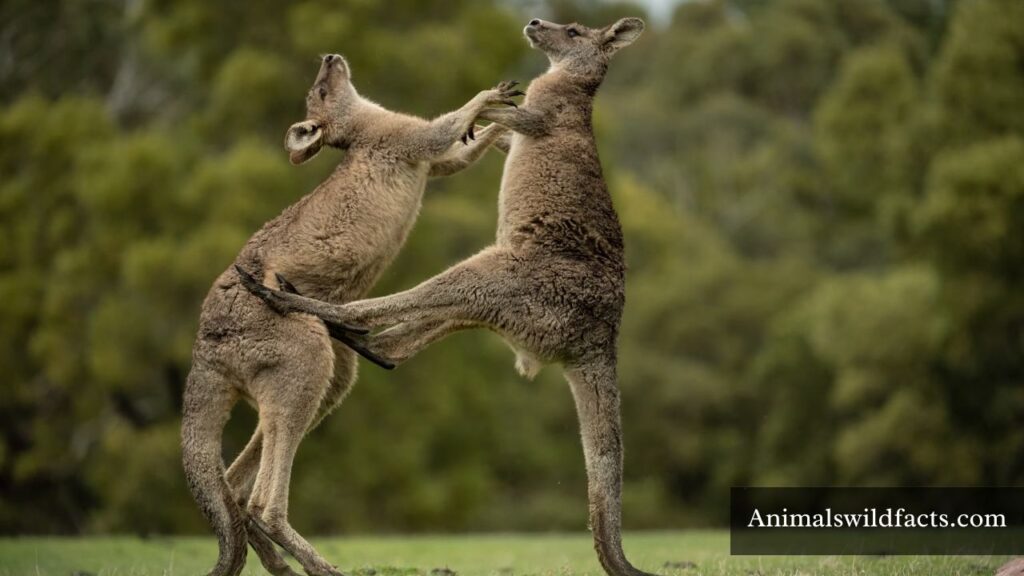
Moreover, when it comes to raw physical strength, the strong forelimbs of a kangaroo enable it to deliver astonishing kicks, capable of inflicting serious injury if threatened. Adult male kangaroos, or “boomers,” can weigh up to 200 pounds, giving them a significant strength advantage over humans. Their combination of speed, power, and durability make them not just remarkable jumpers but also formidable opponents in their natural habitats. In essence, while humans may excel in intellect and creativity, kangaroos dominate in the physical domain, offering a fascinating look into the diverse adaptations of wildlife.
Readmore: Explore Top 25 Most Energetic Animals.
Conclusion
Kangaroos exhibit remarkable strength that stems from their powerful hind legs, enabling them to leap great distances and reach impressive speeds. Their muscular build not only aids in mobility but also plays a crucial role in self-defense against predators. These mammals showcase incredible endurance, allowing them to travel vast distances in search of food and water. The strength of kangaroos is not just physical; it also reflects their adaptability to the harsh Australian landscape. Understanding the strength of these unique creatures inspires us to advocate for their conservation and the protection of their natural habitats.
FAQs
What is the kangaroo kick force?
The kangaroo kick force refers to the powerful and unique way kangaroos use their hind legs for locomotion and defense. When a kangaroo kicks, it can generate a significant amount of force due to the strong muscles in its legs. Estimates suggest that a kangaroo can exert a kick force of over 800 pounds, which enables them to defend themselves from predators and, during territorial disputes, ward off intruders.
What is the speed of a kangaroo?
Kangaroos are impressively fast animals. They can reach speeds of up to 40 miles per hour in short bursts. This speed helps them escape predators in the wild.