
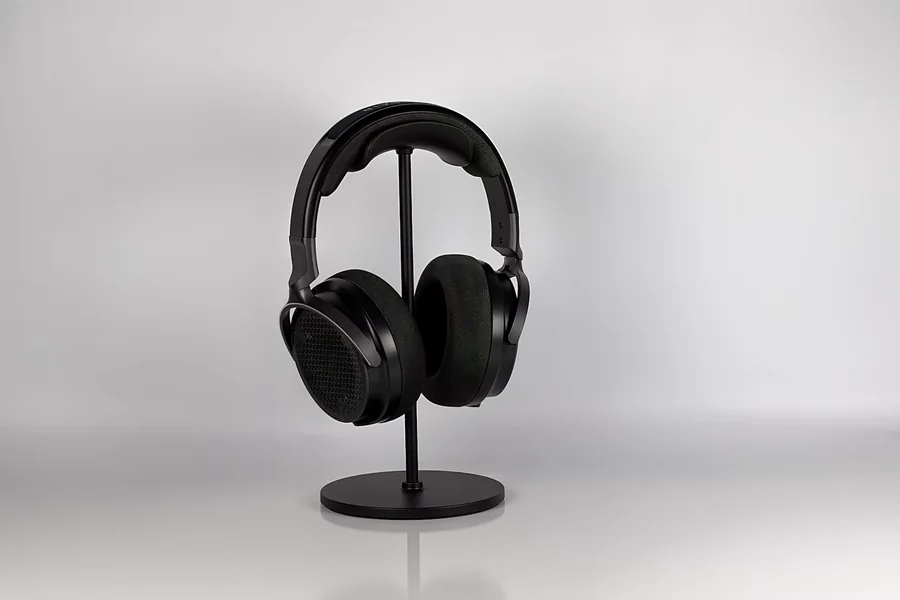
Choosing the Right Headset for a Better Gaming Experience
Gaming has become a popular form of entertainment for people of different ages and skill levels. A good setup can make long gaming sessions more enjoyable, with audio playing a major role in how players experience their favourite titles. Clear sound helps players follow conversations, notice movement, hear effects, and stay connected with teammates. For many gamers, a headset offers a practical way to bring these features together without adding extra equipment to a desk.
A wireless gaming headset gives players the freedom to move without being tied to a computer or console by a cable. This design can create a cleaner gaming area and provide greater flexibility during use. Since different players have different preferences, headset selection often comes down to comfort, sound quality, battery life, microphone performance, and device compatibility.
Why Wireless Headsets Appeal to Gamers
Cable-free gaming audio can make a setup feel less restricted. A player can move around a desk, adjust their seating position, or step away from the screen without having to deal with a cable stretching across the area. This can be useful for people who switch between gaming, watching videos, and chatting with friends.
A wireless connection can work across a range of gaming platforms, depending on the headset design. Some models are made for computers, consoles, or mobile devices, with certain products supporting several platforms. Checking compatibility before buying helps prevent problems after purchase.
Wireless headsets can come in different designs, from compact models with a simple appearance to larger options built around extended gaming sessions. The right choice often reflects the player’s equipment, habits, and preferred style.
Comfort Matters During Long Sessions
A headset can sound excellent yet still become uncomfortable after extended use. Weight, ear cup size, headband padding, and material can all affect how it feels. A model that presses too firmly around the ears may become tiring during a long gaming session.
Soft ear cushions can provide a more pleasant fit, and an adjustable headband allows the headset to sit securely on different head sizes. Lightweight construction can reduce pressure during extended play. Players who wear glasses may need to pay close attention to clamping pressure around the sides of the head.
Comfort can be difficult to judge from appearance alone. Product measurements, user feedback, and the shape of the ear cups can give shoppers a better idea of how a headset may feel during regular use.
Sound Quality and Game Audio
Game audio can add depth to an experience. Footsteps, vehicle sounds, background effects, dialogue, and music each contribute to what a player hears during a session. A headset with balanced sound can help these elements remain clear without making one part of the audio overpower another.
Bass can provide impact during action-heavy games, yet excessive bass may make voices or smaller sound details harder to hear. Clear mid-range audio can help with dialogue and communication. Higher frequencies can bring out small details such as footsteps or environmental effects.
Different game genres may benefit from different sound preferences. Competitive players may favour clear directional audio, whereas someone who mainly plays story-driven games may place greater value on rich music and dialogue.
A Reliable Microphone for Team Communication
Communication has become a regular part of many multiplayer games. A built-in microphone allows players to speak with teammates without purchasing a separate device. Voice clarity can make group communication easier, especially during fast matches where short instructions need to be understood quickly.
Microphone placement can affect voice quality. Flip-to-mute designs can make it easy to silence the microphone during conversations away from the game. Some headsets provide adjustable microphone arms, giving users more control over positioning.
A good microphone does not need to sound studio-quality for gaming. Clear speech, low background noise, and simple controls can provide what most players need for everyday team communication.
Battery Life and Charging
Battery life becomes an important part of the wireless experience. A headset with limited battery capacity may require frequent charging, which can interrupt gaming sessions. Longer battery life gives players more freedom between charges.
Charging methods vary by model. USB charging is common and can make it convenient to recharge a headset from a computer, console, or compatible power adapter. Some models provide quick charging, giving users extra playtime after a short charging period.
Players who spend several hours gaming each day may benefit from checking the estimated battery duration before making a purchase. A headset that matches their usual gaming schedule can reduce interruptions.
Connection Stability
A stable wireless connection helps keep audio and voice communication consistent. Wireless headsets may use different connection methods, with some relying on a dedicated USB receiver and others using Bluetooth. Each method can serve a different purpose.
A dedicated receiver is often designed for gaming and may provide a direct connection between the headset and gaming device. Bluetooth can be useful for phones, tablets, and other compatible equipment. Some headsets support more than one connection type, giving users greater flexibility.
Connection range can matter for players who move around during use. The physical layout of a room, nearby electronic equipment, and the headset design can affect wireless performance.
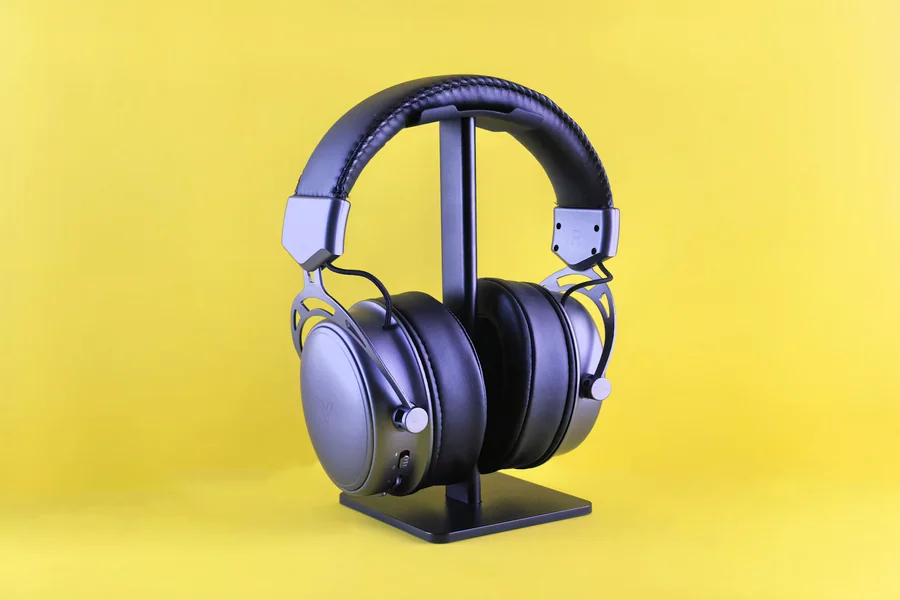
Matching the Headset to the Gaming Setup
The best headset is not always the most expensive option. Players can find useful models across different price ranges, with features varying from basic audio and microphone support to advanced controls and multi-device connectivity.
A buyer can begin by identifying the devices used for gaming, the typical session length, preferred sound style, and need for voice chat. From there, comfort, battery life, connection type, and microphone quality can help narrow the selection.
A wireless gaming headset can suit players who want fewer cables and greater freedom around their gaming area. The right model should fit the player’s routine rather than simply offering the largest number of features.
Final Thoughts
A gaming headset can shape how a player hears and communicates during every session. Wireless models offer freedom from cables, making them appealing for clean setups and flexible use. Comfort, sound quality, microphone performance, battery life, and connection stability all have a place in the buying decision.
Players who focus on their own habits can find a headset that feels comfortable, sounds clear, and works well with their preferred gaming devices. A balanced choice can provide reliable audio for competitive matches, casual games, online conversations, and everyday entertainment.