Maximizing Efficiency with Construction Equipment Rental Software
In the construction industry, managing machinery effectively is key to maintaining productivity and meeting project deadlines. As equipment rental becomes an integral part of many construction projects, leveraging technology through construction equipment rental software has emerged as an essential business strategy. This article explores how such software solutions can maximise efficiency, reduce costs, and improve overall asset management in construction firms.
The Role of Equipment Rental in Construction Projects
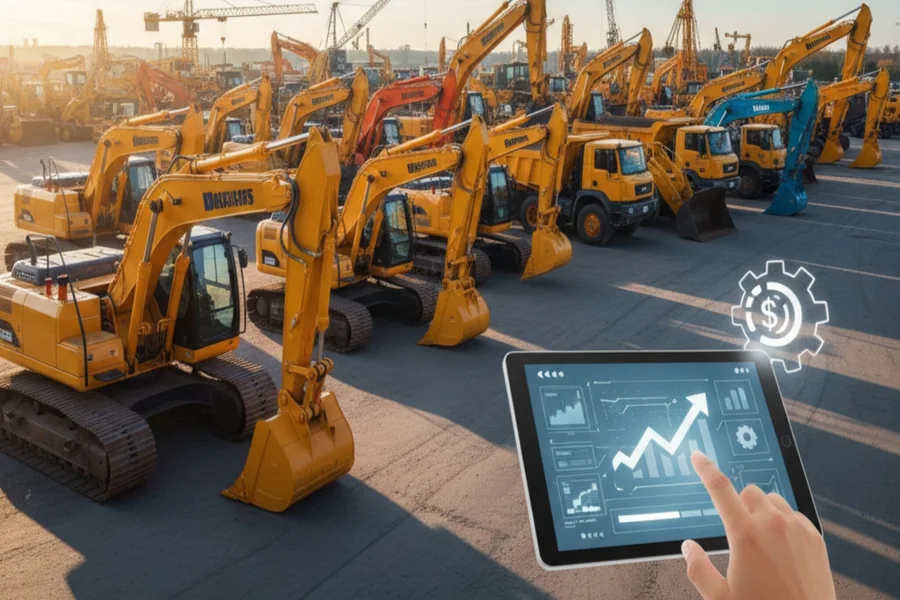
Construction projects often require a diverse range of equipment, from excavators and bulldozers to cranes and loaders. Purchasing all necessary machinery outright can be prohibitively expensive, especially for smaller or medium-sized enterprises. Renting equipment offers flexibility and access to the latest technology without committing to large capital expenses. However, managing rentals effectively poses challenges such as scheduling, tracking, and maintenance.
To address these challenges, many companies have begun implementing specialised tools like construction equipment rental software. These platforms streamline the rental process, ensuring the right equipment is available when required and reducing downtime caused by mismanagement.
Understanding Construction Equipment Rental Software
Construction equipment rental software is a digital tool designed to manage the full lifecycle of equipment rentals. It helps businesses track inventory, monitor equipment condition, schedule rentals and returns, generate invoices, and maintain comprehensive records. The software centralises data, providing visibility into operations at all levels.
By integrating these functions, rental software allows rental firms and construction companies to optimise utilisation rates of equipment, plan maintenance proactively, and reduce administrative overhead.
Key Features of Construction Equipment Rental Software
Typical capabilities of construction equipment rental software include inventory management, order processing, maintenance scheduling, asset tracking through GPS, customer management, and reporting analytics. Advanced systems may also offer integration with accounting software and mobile applications for field use.
The availability of these features can significantly improve operational efficiency, ensuring equipment is rented out and returned on time, and that maintenance is performed promptly to avoid breakdowns.
Benefits of Using Construction Equipment Rental Software
Implementing construction equipment rental software offers numerous advantages:
1. Enhanced Equipment Utilisation
Software tools provide real-time insights into equipment status and availability. Businesses can monitor which machines are underutilised and adjust rental schedules accordingly, maximising return on investment. Efficient scheduling prevents idle time and overlaps, which can delay projects.
2. Improved Maintenance Management
Regular maintenance is crucial to extending the lifespan of machinery and ensuring safety. Construction equipment rental software supports maintenance tracking by automating reminders for inspections, servicing, and repairs. This proactive approach minimises breakdowns and reduces costly downtime.
3. Streamlined Administrative Tasks
Manual record-keeping and invoicing can be time-consuming and error-prone. Rental software automates many administrative processes including rental agreements, billing, and reporting, freeing staff to focus on more value-added activities. It also improves accuracy and compliance.
4. Better Customer Service
With comprehensive data management, businesses can respond more effectively to customer inquiries about availability and rental terms. This transparency builds trust and can enhance client retention.
5. Data-Driven Decision Making
Analytical tools within rental software help identify trends, costs, and profitability per asset. Operators can make informed decisions about fleet expansion, disposal, or rental rates based on concrete data instead of estimations.
Implementing Construction Equipment Rental Software
Transitioning to a software-based system requires careful planning. Companies should assess their current processes and identify bottlenecks where a digital solution would provide the most benefit. Choosing a reputable provider that offers scalable solutions tailored to the construction industry is also crucial.
Construction equipment rental software providers typically offer demos and customer support to facilitate smooth adoption. Training employees adequately ensures that the software’s capabilities are fully utilised from the outset.
Challenges and Considerations
While software implementation brings benefits, challenges exist. There may be initial resistance from staff accustomed to traditional methods. The cost of software licences and integration could be a concern for smaller firms.
Additionally, data security and cloud storage options need to be evaluated carefully. It is important to select software with robust security measures to protect sensitive business information.
Future Trends in Equipment Rental Software
Advancements in technology such as the Internet of Things (IoT) and telematics are increasingly integrated into rental software. These technologies enable real-time machine health monitoring, predictive maintenance, and more accurate usage tracking. Incorporating artificial intelligence (AI) may further optimise scheduling and resource allocation in the near future.
Conclusion
In an industry where time and resource management are critical, adopting construction equipment rental software provides a competitive advantage. It enhances operational efficiency, reduces costs, and improves asset management. As construction projects become more complex and equipment intensive, integrating such software solutions will likely become standard practice for rental companies and contractors alike.
For firms seeking to streamline their equipment rental processes and increase profitability, exploring construction equipment rental software is a vital step towards maximising efficiency in operations.