Are There Crocodiles in Georgia? Here’s What Actually Lives in the Swamps
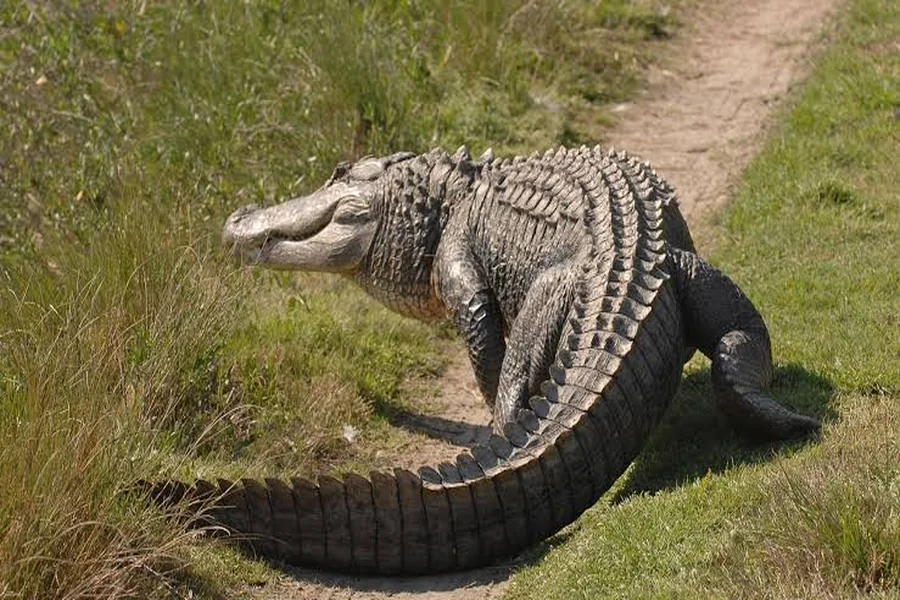
If you’ve ever paddled through a Georgia swamp and spotted a pair of eyes peeking above the water, you probably asked yourself: are there crocodiles in Georgia? It’s a legitimate question. Yes, it’s brief and to the point: No, there are no wild crocodiles in Georgia. The one you see is an American alligator and there are a lot of them.
To avoid any confusion, let’s explore what is actually swimming in Georgia’s waters.
Are There Crocodiles in Georgia? The Direct Answer
There aren’t any crocodiles in Georgia. An alligator is NOT found in GA! Crocodiles are not found in the United States, except for the extremely southern region of Florida where salt water and fresh water meet. Wild crocodiles are not a part of Georgia’s climate and habitats.
Therefore, when someone says that they saw a “crocodile” in a Georgia pond or river, they are probably referring to an alligator. It’s an occurrence that happens often.
Why People Mix Up Alligators and Crocodiles
At first sight alligators and crocodiles are alike. They both have long bodies, thick tails and rows of sharp teeth. They are both under the water with only their eyes and nose visible. This is an easy thing to do, particularly from a distance.
But once you know what to look for, telling them apart gets simple.
| Feature | Alligator | Crocodile |
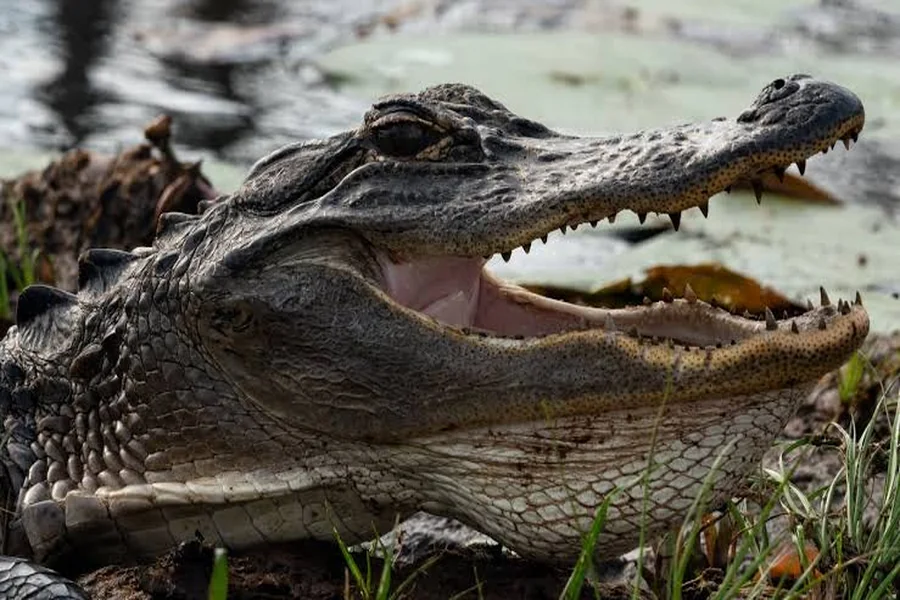
| Snout shape | Broad and rounded | Narrow and pointed |
| Teeth when mouth closed | Mostly hidden | Bottom teeth stick out |
| Color | Dark, almost black | Lighter, olive or tan |
| Preferred water | Freshwater | Saltwater or brackish water |
| Found in Georgia | Yes | No |
The snout is the easiest way to tell them apart. Alligators have a wide, U-shaped snout. Crocodiles have a narrow, V-shaped snout. If you remember nothing else, remember that shape.
Where Alligators Actually Live in Georgia
There are an estimated 200,000 alligators in Georgia, and most of them are located south of the fall line. This line goes approximately from Columbus to Macon and to Augusta. To the south of that line, the weather remains warm enough for alligators to breed and flourish all year round.
The largest is in the Okefenokee Swamp. This vast wetland is estimated to be home to 10,000 to 13,000 alligators alone, and spans almost 400,000 acres. That’s one swamp that’s home for thousands of animals.
Natural populations of alligators decrease rapidly north of the fall line. Eggs will not hatch and survive during the cold winter. A gator is seen near Atlanta occasionally, but this is typically when a pet becomes too big to keep at home.
Does Georgia Have Any Crocodile Sightings at All?
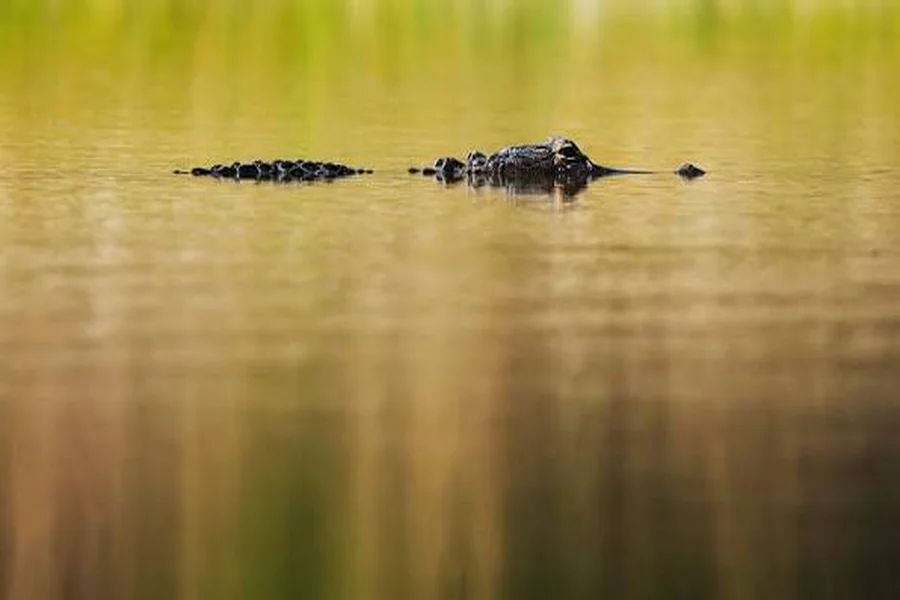
There have been virtually no reports of wild crocodiles in Georgia. Crocodiles require salt water or brackish coastal environment, and Georgia’s coast is not the correct habitat for the crocodiles the same way as South Florida. When a “crocodile” is spotted in Georgia, it is almost always an alligator.
This is also the case for the vast majority of the Southeast, except for Florida. It’s an Alabama, South Carolina, Louisiana, Mississippi, and Georgia story. The native reptile is not a crocodile, but an alligator.
A Quick History of Georgia’s Alligators
Georgia wasn’t always home to so many alligators. Hunting was a major threat in the 1950s and 1960s, bringing the population to the brink. The state and federal government intervened and granted alligators full legal protection.
That protection worked. As of the 1980s, the population has recovered to the extent that alligators have been removed from the endangered list and reclassified. Listed today as “threatened due to similarity of appearance,” they are basically still afforded some legal protection because they look like other crocodile species throughout the world that are still endangered.
So, Georgia’s alligator comeback is among the top wildlife recovery stories in the nation.
Are Alligators Dangerous in Georgia?
When attacks do occur they are rare, and can be dangerous. Alligators tend to stay away from people and noise and activity. Generally, the trouble begins when people feed them. When a fed alligator loses its fear of man and begins to take food from him. That’s where things start to get dicey.
If you spend time near to Georgia water, here are a few basic rules:
- Do not feed an alligator at any time, from a distance or not!
- Do not allow pets or small children to go too close to the water’s edge.
- Be aware of any warning signs posted by lakes and swamps
- Remember to keep all gillies away!
- Avoid swimming at dawn/dusk in known alligator habitat when they are most active.
So long as you follow those basics, the chances of an encounter going wrong are near to zero.
Quick Answers
| Question | Short Answer |
| Are there crocodiles in Georgia? | No, Georgia has no wild crocodile population. Only American alligators live there. |
| What states have crocodiles? | Only the southern tip of Florida has wild American crocodiles in the U.S. |
| How many alligators live in Georgia? | Around 200,000 alligators live across Georgia, mostly south of the fall line. |
| Where is the biggest alligator population in Georgia? | The Okefenokee Swamp holds an estimated 10,000 to 13,000 alligators. |
| Can alligators live in cold weather? | No, alligators need warm climates to breed, which limits them to southern Georgia. |
| How do you tell an alligator from a crocodile? | Alligators have wide, rounded snouts. Crocodiles have narrow, pointed snouts. |
| Are Georgia alligators dangerous to humans? | They can be, but attacks are rare if people avoid feeding them and keep distance. |
Alligators as Part of the Ecosystem
There’s more to avoid than alligators. In fact, they assist in maintaining the health of Georgia’s wetlands. During dry spells, alligators dig out deep holes in the mud that fill with water. During times when water is scarce, these “gator holes” are vital for the survival of fish, turtles and other animals.
They also help to keep smaller reptile and rodent populations in check. This swamp system would be very different without alligators.
The Bottom Line
So, are there crocodiles in Georgia?
No. This is an alligator, and Georgia has a lot of them; there are around 200,000 alligators in Georgia, primarily in the southern half of the state. Crocodiles prefer South Florida’s saltwater environments and have not established themselves in Georgia’s swamps and rivers.
There’s no need to use the crocodile theory next time you see something floating with only its eyes above the surface at a Georgia lake or wetland. It will definitely be a gator, and you’ll now know how to spot it.
FAQs:
Q: Is it legal to own an alligator in Georgia?
A: Georgia requires a permit to keep an alligator as a pet. Most private ownership without proper licensing is not allowed.
Q: What should I do if I see an alligator near my home?
A: Keep your distance and report it to Georgia’s Department of Natural Resources if it seems to be a nuisance animal.
Q: Do alligators attack boats in Georgia?
A: This is extremely rare. Alligators generally avoid boats and only react if they feel cornered or provoked.
Q: Is the Okefenokee Swamp safe to visit?
A: Yes, as long as visitors stay in designated areas, follow ranger guidance, and don’t approach the alligators.
Q: Are baby alligators found outside of southern Georgia?
A: Rarely. Natural reproduction mostly happens south of the fall line where temperatures stay warm enough.