How Many Legs Do Roaches Have — And Why Does It Make Them So Hard to Kill?
You flip on the kitchen light at 2am. Something dark shoots across the counter faster than your eyes can track. Before you even react, it is gone — vanished into a crack you did not know existed.
That is a cockroach doing what cockroaches do best. And a big part of that speed, that agility, that almost supernatural ability to escape — comes down to its legs.
So how many legs do roaches have? The answer is six. But that number alone does not tell you much. What those six legs can do is what makes the cockroach one of the most resilient creatures alive today. They can sprint at speeds equivalent to 200 mph scaled to human size. They can scale glass walls. They can sense you coming before you even see them.
Understanding how many legs does a cockroach have — and how each one works — gives you a real picture of why these insects have outlasted dinosaurs, survived every major extinction event, and still show up in your bathroom at midnight like they own the place.
Let us get into it.
How Many Legs Do Roaches Have?
Have you ever seen one of those cockroaches scuttle across your kitchen floor? If you have, you know that they are quick. But how many legs do roaches have as they are running away from you? There are six legs on a cockroach. This is the rule for every insect and roaches are no exception. One of the reasons why roaches are so tricky to catch, corner, or kill is because of these 6 legs.
The Short Answer First
| Question | Answer |
| How many legs do roaches have? | 6 legs |
| What class of animal are they? | Insect (Class Insecta) |
| How fast can they run? | Up to 3 miles per hour |
| Do baby roaches have 6 legs too? | Yes, from the moment they hatch |
| Can a roach survive without a leg? | Yes, legs can regenerate in nymphs |
Why Six Legs?
Cockroaches belong to the order Blattodea and the class Insecta. Every true insect has three pairs of jointed legs — that is six legs total. This is one of the defining characteristics that separates insects from spiders (8 legs), centipedes (30+), and other arthropods.
So when someone asks how many legs do roaches have, the simple answer is always six. But those six legs are far more complex than they look.
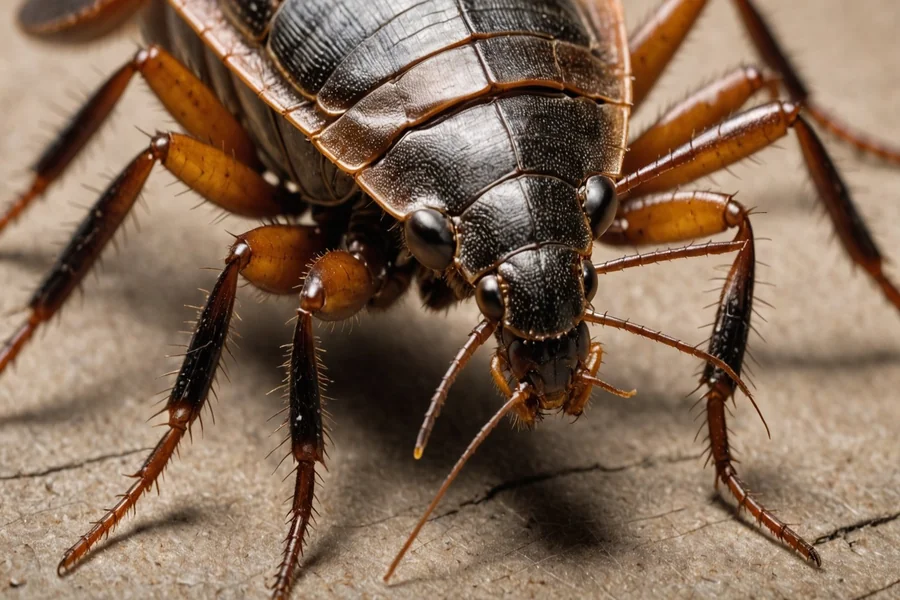
Each leg is divided into five main segments:
- Coxa — connects the leg to the thorax
- Trochanter — a small joint segment
- Femur — the upper “thigh” area
- Tibia — the long lower section
- Tarsus — the foot, which has five sub-segments and tiny claws
Those claws are the reason roaches can walk on walls and ceilings without falling. The pads between the claws create surface adhesion. It is genuinely impressive engineering for a creature most people want gone.
The Tripod Gait: Why Those Six Legs Are Terrifying
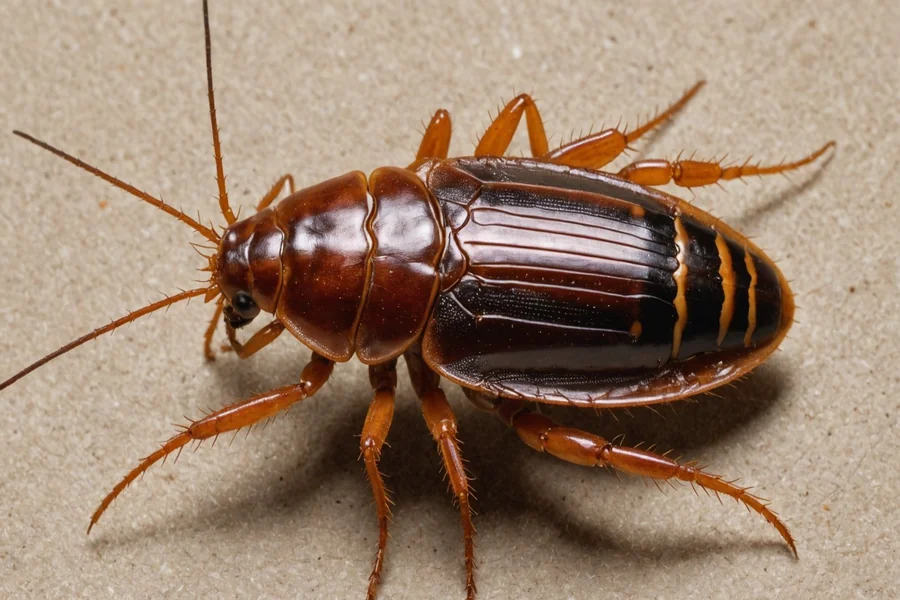
Here is something most people do not know. When a cockroach runs, it does not move all six legs at once. It uses what scientists call a tripod gait.
At any given moment, three legs are on the ground and three are in the air. The front and back leg on one side move together with the middle leg on the opposite side. This creates a natural tripod at all times — which means the roach is always balanced and never stumbles.
This is why roaches seem almost impossible to step on. By the time your foot comes down, they have already switched gaits and moved in a completely different direction. At top speed, some roach species run at nearly 50 body lengths per second. Scale that to human size and you are looking at speeds equivalent to over 200 mph.
Knowing how many legs do roaches have is one thing. Understanding what they do with those legs is another story entirely.
Where Are the Six Legs Located?
All six legs are attached to the thorax — the middle section of the roach’s body, right behind the head. The thorax has three segments:
- Prothorax — front segment, holds the first pair of legs
- Mesothorax — middle segment, holds the second pair
- Metathorax — rear segment, holds the third pair
The legs are evenly spaced along both sides of the body. This arrangement gives the roach excellent lateral balance and helps it fit through tight spaces at full speed. Roaches can compress their bodies significantly and still run — those six legs keep moving without missing a beat.
Do All Roach Species Have 6 Legs?
Yes. Every species of cockroach — and there are over 4,500 known species — has six legs. Whether you are looking at a small German cockroach (common in kitchens), a large American cockroach (the ones that fly), or a giant Madagascar hissing cockroach, they all follow the same blueprint.
Six legs. Every single time.
The legs may differ in size and thickness across species. Larger roaches tend to have longer, more powerful legs. But the count never changes.
Can Roaches Regenerate Legs?
This is where things get interesting. Adult cockroaches cannot regrow lost legs. If a fully grown roach loses a limb — from a predator attack or a near-miss with a shoe — that leg is gone for good.
But nymphs (juvenile cockroaches) are a different story. During their molting stages, young roaches can partially regenerate a lost leg. Each time a nymph molts its exoskeleton, the new limb that grows in is closer to a full-sized leg. After a few molts, the leg may be almost fully functional again.
This is one more reason why roaches are so resilient. They are hard to permanently damage.
Read More: Long Nosed Leopard Lizard
Roach Legs vs. Other Common Pests
| Pest | Number of Legs | Leg Type |
| Cockroach | 6 | Jointed insect legs |
| Spider | 8 | Jointed arachnid legs |
| Centipede | 30+ | One pair per body segment |
| Ant | 6 | Jointed insect legs |
| Bed bug | 6 | Jointed insect legs |
| Millipede | 60–400 | Two pairs per body segment |
Roaches share their six-legged design with many other household pests. But their specific leg structure — combined with their body flexibility and speed — makes them uniquely hard to deal with.
How Roach Legs Help Them Survive
A cockroach has 6 legs that can run but do much more. Every leg is more than just for walking around, it has several survival purposes:
- Speed and escape The alternating tripod gait gives roaches near-instant acceleration. They are able to accelerate from a standstill to full speed in milliseconds.
- Climbing The adhesive pads and claws on each foot let roaches scale smooth walls, glass, and even ceilings. They are able to hang upside without the need for effort.
- Sensory input Roach legs are covered in tiny sensory hairs called setae. These sense vibrations, air flow and the texture of a surface. A roach can see you coming before you can see it.
- Grooming Roaches groom themselves constantly. Use their front legs to clean their antennae and face by removing each antenna from the notch on the front leg joint. Dirty antennae would hamper their way of navigating.
- Self-righting When a roach gets flipped onto its back, it uses all six legs together to rock, grip, and flip itself upright again. A number of species may even utilize their wings to help.
Quick Answers
| Question | Answer |
| How many legs do roaches have? | Cockroaches have exactly 6 legs, arranged in three pairs along their thorax. |
| Do cockroaches have more legs than other insects? | No. Like all insects, cockroaches have exactly 6 legs — no more, no less. |
| How many legs does a baby cockroach have? | Baby cockroaches (nymphs) hatch with 6 legs just like adult roaches. |
| Can a cockroach walk with fewer legs? | Yes. Cockroaches can move effectively even after losing one or two legs. |
| Why do roaches move so fast with only 6 legs? | Their legs work in alternating tripod patterns, making movement extremely fast and stable. |
What Happens When a Roach Loses a Leg?
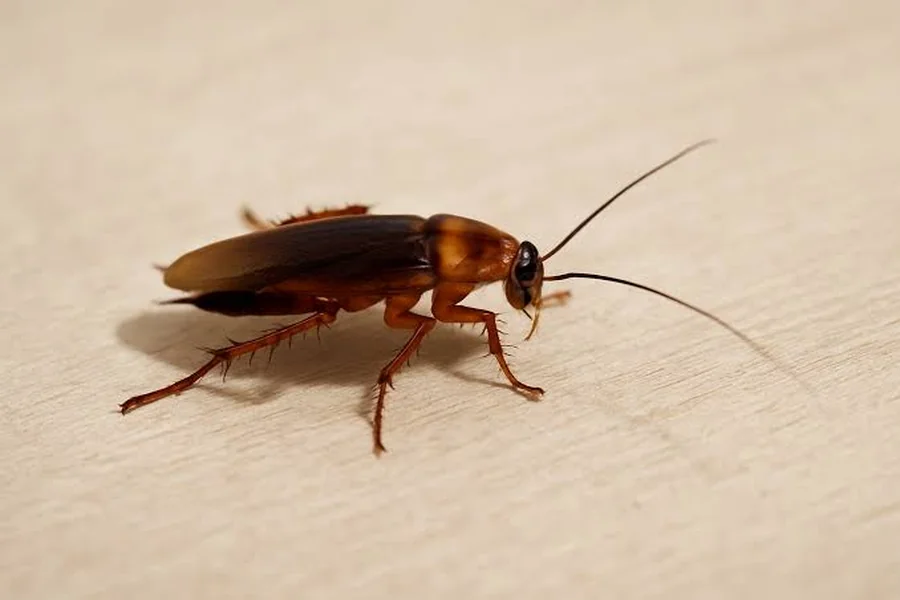
When an adult cockroach loses one leg, it adapts quickly. Research has shown that roaches automatically adjust their gait to compensate for the missing limb. They shift more weight to the remaining legs and slightly alter their movement pattern.
A roach with five legs can still run fast. A roach with four legs is slower but still mobile. Even a roach missing multiple legs can survive for some time, depending on food access and environment.
This adaptability is part of why professional pest control is often needed. Roaches are not easily stopped by mild injury.
Read More: What Is the Loudest Sound
Key Anatomy Summary
| Body Part | Details |
| Number of legs | 6 |
| Leg attachment point | Thorax (3 segments) |
| Foot structure | 5 tarsal segments + adhesive pads + claws |
| Leg function | Running, climbing, sensing, grooming |
| Gait type | Alternating tripod |
| Can legs regenerate? | Yes in nymphs. No in adults. |
Final Thought
So — how many legs do roaches have? Six. Always six. But those six legs carry some remarkable engineering inside them. Every part of a roach’s legs is structured for survival from their sensory hairs to their adhesive pads, their tripod gait to their wall climbing claws.
It is for this reason that they are one of the most studied insects on earth. One of the most annoying to deal with in your home.
When you notice roaches on a frequent basis, it’s time to take action. One roach is indicative of more roaches. They’ll move with their legs, the answer is whether we move faster?
FAQs:
Q: How many legs do roaches have?
A: Cockroaches have 6 legs. All insects have six legs, and roaches are no different.
Q: Do cockroach legs grow back?
A: Only in nymphs (juveniles). Adult cockroaches cannot regenerate lost legs, but young roaches can partially regrow them during molting.
Q: Why do roaches run so fast?
A: They use an alternating tripod gait — three legs on the ground at all times — which gives them constant balance and near-instant acceleration.
Q: How are cockroach legs different from spider legs?
A: Cockroaches have 6 legs. Spiders have 8. Both have jointed legs, but they belong to completely different animal classes.
Q: Can cockroaches walk on walls because of their legs?
A: Yes. Each roach foot has adhesive pads and tiny claws that grip smooth surfaces, allowing them to walk vertically and even upside down.
Q: Are all 6 legs the same on a cockroach?
A: Not exactly. The front, middle, and rear legs are slightly different in shape and size, each suited to a specific movement role during running and climbing.