Archaeospheniscus Wimani — The Forgotten Antarctic Penguin That Rewrites Penguin History
Antarctica was not the frozen landscape as it is today, but rather was very different before emperor penguins arrived. Forests were on the continent. It featured warm shorelines. It also had penguins that science has yet to come to terms with. Among them was Archaeospheniscus wimani, one of the penguins. It is a name few people are familiar with. This is no surprise. It does not have a document. No viral photo. No spot in a zoo. However, this diminutive Eocene species holds the answers to the questions that researchers have been pondering for decades. When did the penguins evolve? At what age did they cease flying? What did the original penguin colonies resemble? Archaeospheniscus wimani alone does not provide an answer to all those questions. However, its bones, taken from the rocks in a remote Antarctic island, advance the conversation in significant ways. This article details out everything that has been known about this species. Its size. Its fossils. Its position on the penguin family tree. Why it is still important millions of years after it vanished.
What Is Archaeospheniscus Wimani?
Penguins did not look the way they do today, at all. Today, science is piecing together the species that once roamed Antarctica millions of years ago. One of them is Archaeospheniscus wimani. An extinct penguin species that lived in the Middle to Late Eocene period between approximately 34–50 million years ago. It was found as a fossil in the La Meseta Formation on Seymour Island near the Antarctic Peninsula. It was first described in 1953 by Brian J. Marples. He originally placed it in its own genus called Notodyptes. In 1971, George Gaylord Simpson transferred it to Archaeospheniscus, a genus, due to the similarities of the bones. Wimani is a reference to Carl Wiman. He was a Swedish paleontologist who did early work on classifying prehistoric penguins. Archaeospheniscus wimani is now one of the most primitive of its genus, and a pivotal link in the evolutionary history of penguins.
Archaeospheniscus Wimani: Size and Physical Features
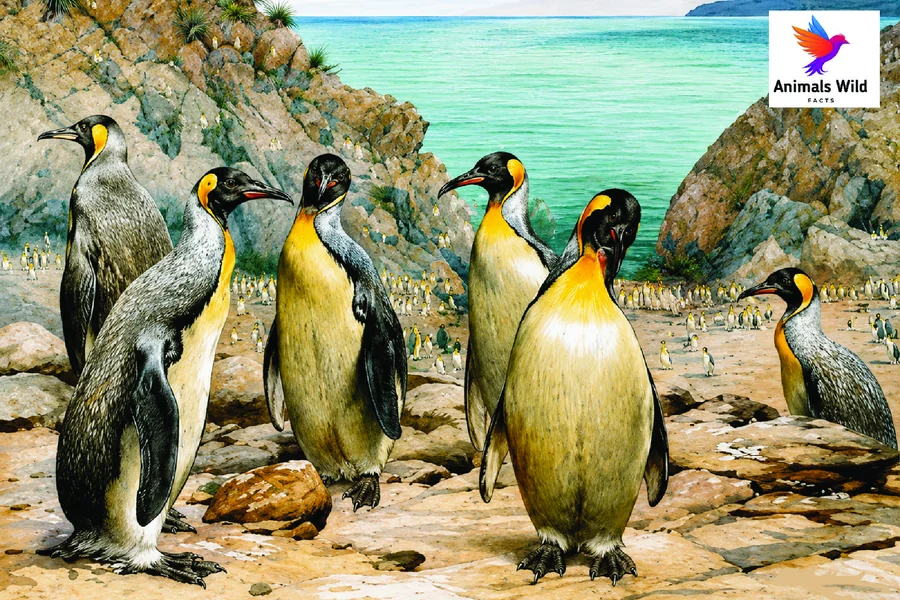
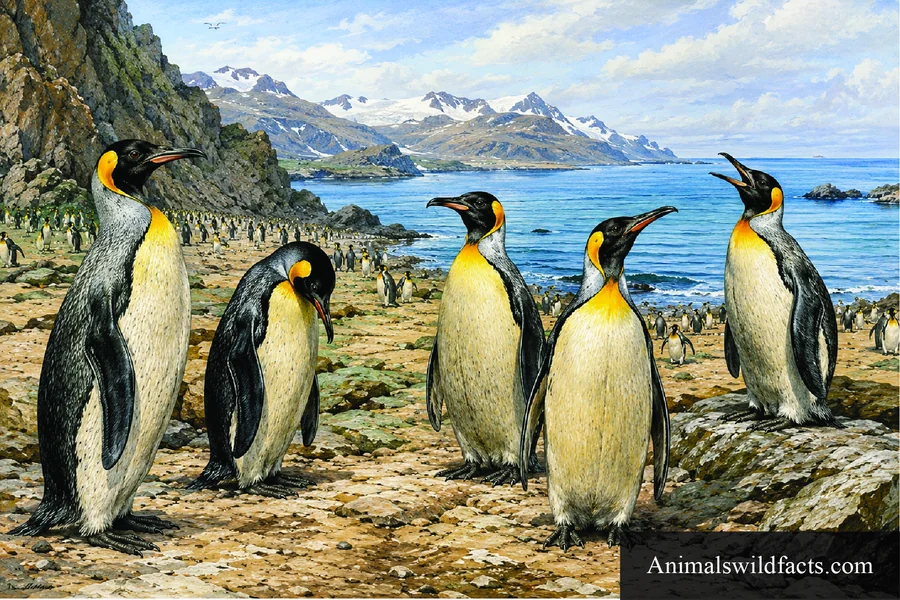
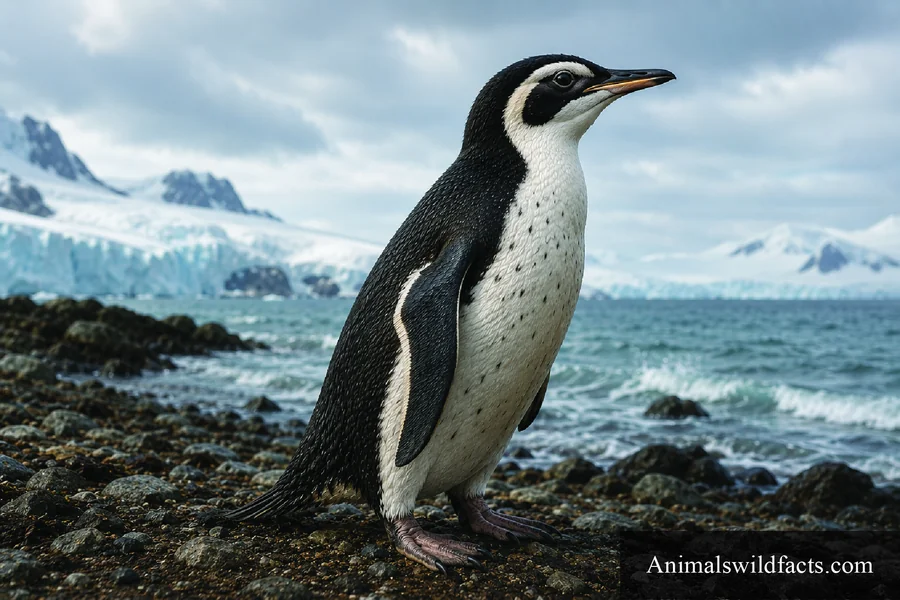
Archaeospheniscus wimani is smaller than all of its relatives. It was the smallest member of the Archaeospheniscus genus. It was 75-85cm in height. This is about 30 to 33 inches. Imagine a modern gentoo penguin. That provides you with a close comparison.
Its two sibling species — Archaeospheniscus lowei and Archaeospheniscus lopdelli — were much bigger. Both grew up to be the same size as the emperor penguin. However Archaeospheniscus wimani retained its compactness.
It is the humerus bone in particular that is of special interest to researchers. The humerus of this genus was still quite slender. It was in an intermediate form between the normal shape of bird wings and the thick flattened flippers seen in the modern penguin. That is an important clue to scientists. These penguins were on the move. They were evolving from their flying ancestors to become flippers.
| Feature | Detail |
| Height | 75–85 cm (30–33 in) |
| Size comparison | Similar to a gentoo penguin |
| Time period | Middle to Late Eocene (34–50 MYA) |
| Location found | Seymour Island, Antarctica |
| Formation | La Meseta / Submeseta Formation |
| Named by | Brian J. Marples (1953) |
| Named after | Carl Wiman |
| Classification | Family Spheniscidae, Genus Archaeospheniscus |
Where Were Archaeospheniscus Wimani Fossils Found?
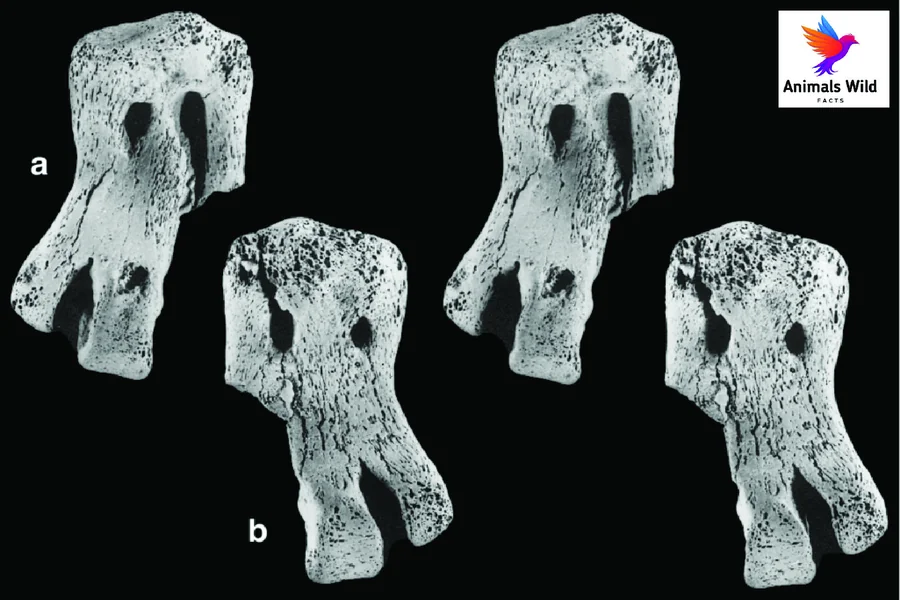
The only place where any remains of Archaeospheniscus wimani are known. It is on Seymour Island. It is located close to the eastern coast of the Antarctic Peninsula. The fossils were embedded in the La Meseta Formation and its upper part called the Submeseta Formation.
This formation isn’t a coincidence. It is one of the world’s best fossil localities for Eocene penguins. Over the past few decades, thousands of penguin bones have been excavated from these beds. Seymour Island is rich in the number of penguin taxa found in the Eocene anywhere in the world. The island has yielded fossils of more than 10 known species, including some of the tallest penguins ever.
The fossils of Archaeospheniscus wimani consist mostly of partial tarsometatarsi. It’s the long bone in the lower leg and foot. The tarsometatarsi are important to penguin paleontology. In most instances they are the single bone that is utilized for identification and classification of fossil penguin species. These bones were recovered by the members of the Falkland Islands Dependencies Survey on expeditions in the early 1950s from Archaeospheniscus wimani.
Read Also: Animals With Claws
Why Does Archaeospheniscus Wimani Matter to Science?
A species known only from fragmentary remains of leg bones can be overlooked. Archaeospheniscus wimani, however, has much to offer in terms of scientific interest.
First of all, it is the oldest member of its genus. Both of the other Archaeospheniscus species, lowei and lopdelli, are Late Oligocene (27-28 million years) in age. They were found in New Zealand. The oldest dates are pushed 6-22 million years back by Archaeospheniscus wimani. That gap matters. It indicates that this penguin family had existed, and diversified, before Antarctica had broken away from other southern land masses, in a much warmer climate, during the Eocene.
Second, penguin evolution over the genus is seen in the transition in the humerus shape. Penguins of today have a flat and dense flipper bone. The flying birds have a light hollow one. In the middle is Archaeospheniscus. The study of these bones enables researchers to know how and when penguins lost their ability to fly and became totally aquatic.
Third, the discovery site provides context. The middle to late Eocene was an era of great change in the Southern Hemisphere. The continent of Antarctica was slowly drifting away from other continents. The Antarctic Circumpolar Current was starting to develop. The world was warming up. The penguins that live on Seymour Island (such as Archaeospheniscus wimani) provide direct evidence of life’s response to those changes.
The Genus Archaeospheniscus: Three Species Compared
Archaeospheniscus wimani did not exist in isolation. It belonged to a genus with two other species. Here is how they compare:
| Species | Size | Location | Time Period |
| A. wimani | ~75–85 cm (gentoo-sized) | Seymour Island, Antarctica | Middle–Late Eocene (34–50 MYA) |
| A. lowei | ~85–115 cm (king-to-emperor sized) | Duntroon, New Zealand | Late Oligocene (27–28 MYA) |
| A. lopdelli | ~emperor penguin sized | Duntroon, New Zealand | Late Oligocene (27–28 MYA) |
All three are known from fragmentary fossils. The genus falls within the subfamily Palaeeudyptinae, a group of large prehistoric penguins. A. lowei is the type species. A. lopdelli was named after a person who helped recover the New Zealand fossils. Archaeospheniscus wimani remains the smallest and oldest of the three.
Eocene Penguins of Seymour Island
Archaeospheniscus wimani wasn’t the only bird that lived on Seymour Island. The Eocene strata have yielded dozens of species of penguins in the area. Some were giants. Anthropornis nordenskjoeldi could have been the largest penguin to ever inhabit Antarctica. There were also other large species from the same formation, such as Palaeeudyptes klekowskii.
Smaller ones were also present. All four species, Delphinornis larseni, Delphinornis gracilis, Marambiornis exilis and Mesetaornis polaris, are from the same site. This indicates that Seymour Island in the Eocene contained a rich penguin fauna. The various species of different sizes were probably playing different ecological niches. Consider it an ancient penguins hotspot.
This diversity was made possible by the climate during that time. The Eocene period of the Antarctic was warmer than now. It had forests. Its coast was a temperate one. There were ideal conditions for a diversity of species to flourish. These species were lost as the climate became colder and ice cover increased. Archaeospheniscus wimani was one of them.
Read Also: Fluke vs Flounder
Taxonomic History and Reclassification
It has been christened with several different names, all of which have been Archaeospheniscus wimani. Described in 1953 by Marples who placed it in a new genus called Notodyptes. He regarded it as being too distinct to be considered a part of the same genre. However, in 1971 Simpson re-read the material and felt otherwise. He identified the shape, the presence of vascular openings and the length of the tarsometatarsal shaft as the more similar features and proposed that the tarsometatarsal morphology, including these characters, is more closely related to Archaeospheniscus. So, he folded Notodyptes into Archaeospheniscus and the species was renamed to Archaeospheniscus wimani.
This is a very common form of re-classification that is found in the fossil study. If you are dealing with partial skeletons, then varying interpretations can be drawn by different researchers. Subsequent revisions by Piotr Jadwiszczak in 2006 added to the taxonomy of Eocene Antarctic penguins. His careful study of the shape of the tarsometatarsus in several dozen specimens was helpful in figuring out which species were attached to which tarsometatarsus. This work proved Archaeospheniscus wimani was located where it was and provided some background information on its place in the penguin family tree.
Final Thoughts
Archaeospheniscus wimani might not be as well known as T. rex or a woolly mammoth. But it matters. It provides scientists with a firsthand glimpse of penguin evolution 34 to 50 million years ago. It demonstrates that there was a rich and varied penguin life once in Antarctica. And it tells me that the penguin story is much older and much stranger than I knew.
Each bone found in the frozen ground of Seymour Island contributes to the tale. The first chapter’s title is Archaeospheniscus wimani. There are more waiting to be discovered.
FAQs:
Q: Is Archaeospheniscus wimani related to modern penguins?
A: Yes. It belongs to the same family (Spheniscidae) but it is a stem lineage meaning it split off before modern penguin groups formed.
Q: Can we see Archaeospheniscus wimani in any museum?
A: Some fossil material is held in research institutions in Poland and Argentina. Public display depends on the institution.
Q: Did Archaeospheniscus wimani fly?
A: No. Its wing bones show a transitional shape between flying birds and modern flippered penguins. It was already flightless.
Q: How many bones of Archaeospheniscus wimani have been found?
A: A fair number of bones are known. Most are tarsometatarsi which are key bones used to identify fossil penguin species.
Q: Why did Archaeospheniscus wimani go extinct?
A: Likely due to climate cooling during the late Eocene. As Antarctica grew colder and ice expanded many warm-adapted species disappeared.
Q: Is the Colossus penguin still alive?
No. The Colossus penguin (Palaeeudyptes klekowskii) is extinct. It lived during the Eocene epoch around 37–40 million years ago in Antarctica.