
How to Open Clam Without Wrecking It (The Method That Actually Works)
Ever get to the kitchen counter holding a knife in one hand and a clam in the other and wonder why it won’t budge? You’re not alone. Opening clams is one of those kitchen skills that seems like it’s a difficult task until you see how to do it. Then it clicks. It takes you through all of the methods that work, including the traditional knife method and a heat shortcut that requires no tools.
At the end of the day you’ll be able to open clam without shredding the meat or letting the liquid brine escape. Let’s get into it.
What Does It Mean to Open Clam?
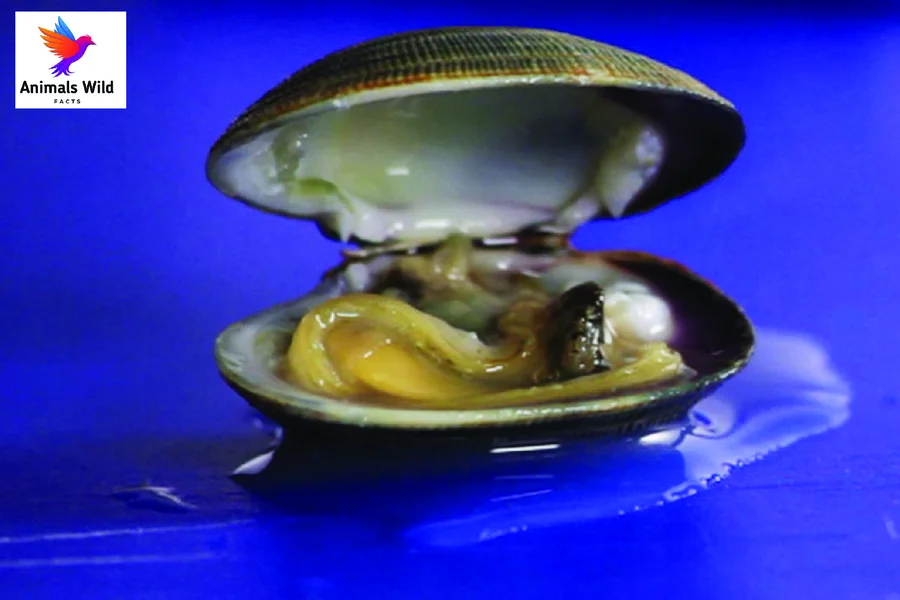
Open clam refers to opening the clam shells by cutting into the adductor muscle, which is the muscle responsible for closing the shells. A clam knife cuts between the shells, breaks the muscles, and separates the meat without breaking the natural juices. Once mastered, the whole process will take only 20 to 40 seconds.
That’s the short answer. The extended response has a little bit of biology in it. The clam’s hinge is held securely with one strong muscle and the front is held securely by another strong muscle. So long as you don’t cut both, that shell will remain locked. But brute force will not be of any service to you. Technique will.
Tools You Need to Open a Clam
You don’t need much. Here’s the full list:
| Tool | Purpose | Required? |
| Clam knife | Slides between shells and cuts the muscle | Yes (for raw method) |
| Kitchen towel | Protects your hand and improves grip | Yes |
| Bowl | Catches the clam liquor | Recommended |
| Stiff brush | Scrubs sand and grit off the shell | Recommended |
| Ice or freezer access | Relaxes the clam before opening | Optional |
One warning before we go further. A clam knife is not an oyster knife. An oyster knife has a thick pointed tip built for prying. A clam knife has a thin flat blade built for sliding. Use the right one and the job gets twice as easy.
How to Open Clam Step by Step (Raw Method)
This is the method raw bars use. Follow these steps in order:
- Chill the clams first. Place them in the freezer for 10 to 15 minutes. Cold relaxes the muscles, so the shell opens with less resistance.
- Scrub the shells. Run each clam under cold water and brush off sand. Grit on the outside ends up inside if you skip this.
- Hold the clam in a towel. Cup it in your non-dominant hand with the hinge pressed into your palm. The towel guards against slips.
- Slide the blade between the shells. Work the clam knife into the seam at the front edge, opposite the hinge. Wiggle gently. Don’t stab.
- Cut the first muscle. Once the blade slips in, sweep it along the top shell to sever the muscle holding it.
- Twist and open. Pop the top shell off, then run the blade under the meat to free it from the bottom shell.
- Save the liquor. Tilt the shell over a bowl so the juice drains in. That liquid carries most of the flavor.
Do this over a bowl every single time. The liquor is liquid gold for chowders, pasta sauces, and mignonette pairings.
Read Also: Long Nosed Leopard Lizard
Why Your Clam Won’t Open
In case the knife doesn’t slide in, then the clams are putting up a fight, which is quite usual. Apply constant pressure to the seam of the shell and gently rock the blade to allow it access. The muscle gets exhausted very quickly. If a clam stays open after touching it, discard the clam because it is already dead.
How to Open a Clam Without a Knife
No clam knife? No problem. The goal is to let it heat itself.
The steam method: Place one inch of water, broth or wine in a pot. Bring it to a boil. Place the clams in, cover and steam for 5-8 minutes. When the flesh is cooked, the shells will break on their own. If the clam does not open after 10 minutes, it is bad and should be thrown away.
The freezer method: Place the clams in the freezer until they are frozen solid and then thaw in the refrigerator. The muscle tension is broken by the freeze-thaw and you can pry the shells apart with a butter knife. This is best suited for clams that are being cooked or added to cooked dishes as it slightly changes the texture of the clams.
The microwave approach: Put clams on a plate and cook for 30 seconds at a time in the microwave. The majority will open in the 60-90 second period. Quick but patchy, used as a last resort.
| Method | Time | Best For | Raw or Cooked Result |
| Knife (raw) | 30 sec per clam | Raw bars, clams casino | Raw |
| Steaming | 5–8 min | Pasta, chowder, broth dishes | Cooked |
| Freezing | Several hours | Stuffed clams, fritters | Semi-raw |
| Microwave | 1–2 min | Emergencies only | Cooked |
How to Pick Clams Worth Opening
The best technique in the world can’t fix a bad clam. Here’s what to check at the market:
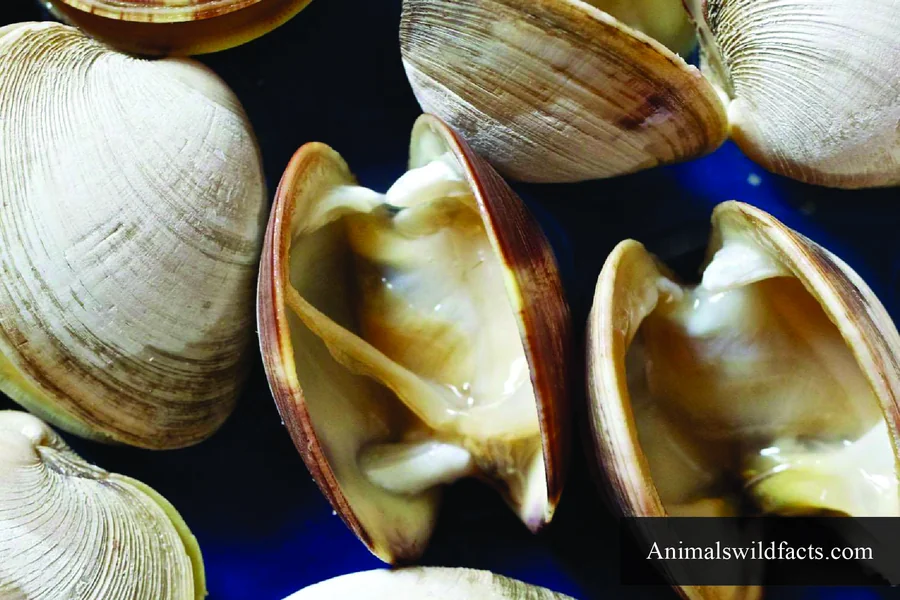
- Closed shells. Live clams stay shut or close when tapped. An open clam that won’t respond is dead. Skip it.
- Heavy for their size. A good clam feels dense because it’s full of liquor. A light one dried out.
- Clean ocean smell. Fresh clams smell like saltwater. Anything sour or fishy means trouble.
- Intact shells. Cracks and chips let bacteria in. Pass on damaged ones.
Store live clams in the fridge in a bowl covered with a damp towel. Never seal them in plastic or submerge them in tap water. Both suffocate the clam. Used this way, they keep for two to three days.
Common Mistakes When You Open Clam
Most beginners make the same handful of errors. Here’s what trips people up and how to fix it:
Prying at the hinge. The hinge is the strongest point on the shell. Always enter at the front seam where the shells meet with the least resistance.
Using a paring knife. Thin kitchen knives snap under sideways pressure and that’s how hands get cut. A real clam knife costs under ten dollars and lasts decades.
Skipping the chill. A room-temperature clam grips its shell hard. Fifteen minutes in the freezer cuts your effort in half.
Dumping the liquor. That cloudy juice has a concentrated clam flavor. Strain it through a fine sieve to remove grit, then add it back to whatever you’re cooking.
Rushing the purge. Clams hold sand. Soak them in cold salted water for 20 minutes to an hour before opening, and they’ll spit most of it out.
Read More: Life Expectancy for Poodles
What to Make Once the Clam Is Open
Now for the fun part. An open clam is a blank canvas. For a raw littleneck on the half shell, all the lemon and possibly a pinch of hot sauce are required. If you like clams casino, you’ll love a broiler run with garlic butter and breadcrumbs, Cherrystones loves it! Steamers are added directly to linguine, with white wine, garlic and parsley. And the big ones—quahogs—are chopped in New England chowder, adding the liquor to the base.
Size matters here. Littlenecks are the smallest and tender (best raw). Cherrystones are good conductors of heat and are found in the middle. Quahogs are the largest and hardest, and should be cooked rather than eaten raw, and then chopped. Pair the right clam with the right recipe and the dishes get better!

Safety Notes Before You Eat
Raw shellfish is a bit of a risk, so the following guidelines can be used: Purchase clams from a licensed clam vendor who has harvest tags. Store in the fridge until you are ready to use in the kitchen. If possible, open and consume raw clams on the day they are purchased. However, individuals with compromised immune systems, liver problems, or pregnant women should limit themselves to fully cooked clams. Nearly all the risk is eliminated if cooked to 145° F.
Finally: If in any doubt throw it out. Better not to eat one questionable clam.
Final Thoughts
Open clam is a five-minute lesson and a lifetime skill. Cool down the clam, put the clam in a towel, and slice along the joint using the knife to remove the muscle. It is easy! As soon as you become familiar with the movements, you will be able to prepare up to a dozen clams before the guests have consumed their first drink.
The most unfavorable scenario will be a damaged but delicious clam used for pasta. The best scenario will be learning a neat party trick and getting the freshest fish you ever had.
FAQs:
How to open a clam?
Chill the clam in the freezer for 15 minutes, hold it in a towel, and slide a clam knife into the seam opposite the hinge. Sweep the blade along the top shell to cut the muscle, then twist open. The whole process takes about 30 seconds.
Can you open a clam without a knife?
Yes. Steam clams in one inch of boiling liquid for 5 to 8 minutes and the shells open on their own. You can also freeze and thaw them, which relaxes the muscle enough to pry the shells apart by hand.
Why won’t my clam open?
A live clam keeps its shells locked with two strong adductor muscles. Apply steady pressure at the front seam with a clam knife and the muscle gives way. If a cooked clam never opens after 10 minutes of steaming, discard it.
Is an open clam safe to eat?
A raw clam that sits open and won’t close when tapped is dead and unsafe. A clam that opens during cooking is perfectly safe. The rule flips depending on whether heat was applied.
How long does it take to open a clam?
With a clam knife, 20 to 40 seconds per clam once you learn the grip. Steaming a full batch takes 5 to 8 minutes.
What’s the difference between a clam knife and an oyster knife?
A clam knife has a thin flat blade made for sliding between shells. An oyster knife has a thick pointed tip made for prying at the hinge. They are not interchangeable.