Ram Goat Guide: The Mistakes That Cost Farmers Money (And How to Avoid Them)
Most people buy a ram goat and learn the hard lessons later. The animal smells strong. It tests fences. It needs a different diet than the rest of your herd. And the term itself confuses a lot of buyers.
This guide fixes that. You’ll learn what a ram goat is and how to choose one. You’ll also learn how to feed, house & keep it healthy. Every section is short and direct, so you can find your answer fast.
What Is a Ram Goat?
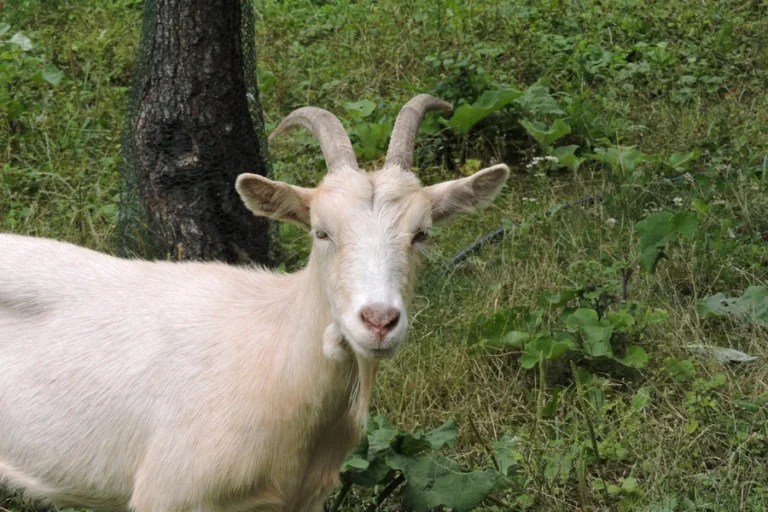
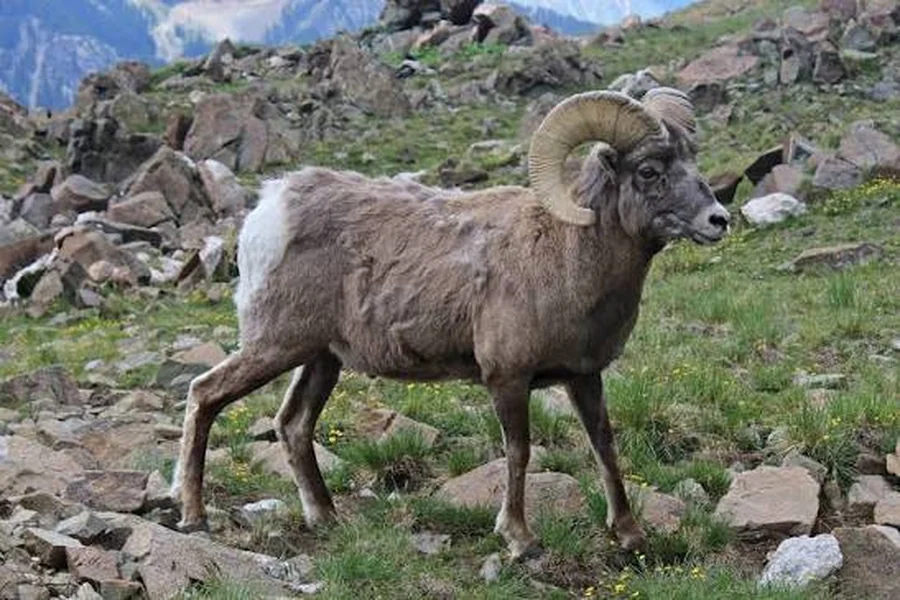
A ram goat is a common name for an adult male goat. It is also known as a buck or billy goat to farmers. In many places the term ram is applied generically. As you may have guessed, a ram is a male sheep. In markets and farms everywhere in the Caribbean, South Asia and Africa, however, “ram goat” is the common term for an intact male goat.
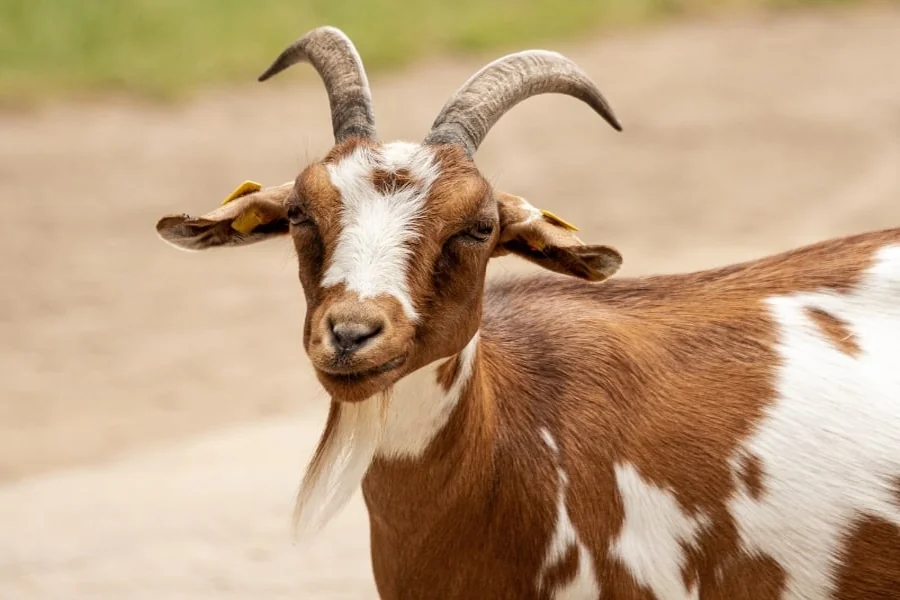
Simply put, a ram goat is an adult male goat that has not been castrated. It is kept as a broodstock and/or for meat. A male castrated to prevent the development of sperm is a wether.
This one fact is of importance, since the animal’s purpose dictates what you purchase. A breeding Ram Goat should be well-built and well-bred. Fast growth and a solid frame are important in a meat ram goat.
Ram Goat vs Buck vs Billy vs Wether
Names change by region. This table clears it up.
| Term | Animal | Meaning |
| Ram goat | Goat | Informal name for an intact male goat |
| Buck | Goat | Standard farming term for an intact male goat |
| Billy goat | Goat | Common everyday term for a male goat |
| Wether | Goat | Castrated male goat |
| Ram | Sheep | Intact male sheep, not a goat |
| Kid | Goat | Young goat of either sex |
If you’re buying from a seller, ask what they mean. A clear answer saves you from buying the wrong animal.
Key Traits of a Ram Goat
A ram goat looks and acts differently from a doe or a wether. Here’s what to expect.
| Trait | What You’ll See |
| Size | Larger and heavier than does of the same breed |
| Neck | Thick and muscular, especially in the breeding season |
| Horns | Often larger and wider, if not removed |
| Smell | Strong odor from scent glands and urine |
| Behavior | More pushy and loud during the rut |
| Beard | Usually fuller |
| Fertility | Can breed from about 4 to 6 months old |
The smell surprises new owners. Bucks have scent glands near the horns. They also urinate on their own beards and legs during the rut. It’s normal. It’s also how they signal.
Popular Ram Goat Breeds
Breed affects size, growth, and purpose. Here are common choices.
| Breed | Typical Use | Average Adult Weight* |
| Boer | Meat | 90 to 135 kg |
| Kalahari Red | Meat | 80 to 110 kg |
| Nubian | Meat and milk lines | 80 to 125 kg |
| Saanen | Milk lines | 80 to 120 kg |
| Jamnapari | Meat and milk lines | 70 to 90 kg |
| Black Bengal | Meat and skin | 20 to 30 kg |
*Weights vary by feed, age, and bloodline.
Pick the breed based on your goal. If you want meat, look at Boer or Kalahari Red. If you want to improve milk in your herd, a buck from a strong dairy line helps. If you have limited space and a small budget, a smaller breed can work well.
How to Choose a Healthy Ram Goat
Don’t buy on looks alone. Use this checklist.
- Check the legs. They should be straight and strong. Avoid animals that walk stiff or limp.
- Look at the eyes. They should be bright and clear. Pull the lower eyelid down. Pale pink or white means anemia.
- Feel the body. You want firm muscle and a clear spine. A bony animal may carry worms.
- Inspect the testicles. Both should be present and even. They should feel firm and move freely.
- Check the teeth and jaw. The jaw should line up. Poor bite hurts feeding.
- Watch the coat. It should be smooth and clean. Rough hair can signal parasites or poor nutrition.
- Ask for records. Request age, parentage, vaccine history, and any past health problems.
Buy from a farm with a clean record when you can. Ask to see the dam and sire if the seller has them. Good genetics pass to every kid your ram goat sires.
What Does a Ram Goat Eat?
A ram goat eats mostly forage. Grass, hay, and browse should make up the bulk of the diet. Grain is a supplement. It is not the base.
| Feed | Role | Notes |
| Good hay or pasture | Main diet | Aim for about 2 to 4 percent of body weight daily |
| Browse (leaves, shrubs) | Natural diet | Goats prefer to browse over grazing low grass |
| Grain or pellets | Extra energy | Increase before breeding season only |
| Loose minerals | Essential | Use a goat-specific mix with copper |
| Clean water | Essential | Change daily and keep buckets clean |
| Salt | Support | Keep it available at all times |
Watch the grain. Too much grain in a male goat can cause urinary stones. This is a serious problem. It blocks the urinary tract and can kill the animal. Keep the calcium-to-phosphorus ratio near 2 to 1. Avoid heavy grain feeding when your ram goat is not working.
Use goat minerals. Goats need copper. Sheep minerals have little or none because sheep are sensitive to it. Don’t swap them.
Housing and Fencing
A ram goat needs a secure pen. Bucks push hard and climb when they are nearby.
- Fence height: Use at least 1.2 meters (4 feet). Taller is safer.
- Fence strength: Woven wire or cattle panels hold better than light mesh.
- Shelter: Give a dry, roofed area with no drafts. Goats hate wet ground.
- Space: Allow about 2 to 3 square meters of indoor space per adult.
- Separation: Keep the ram goat away from outside breeding time. Place the pen at least a few meters from the doe area. Distance cuts down on shouting and fence fights.
Many farmers keep a buck with a wether as a companion. Goats do better with company. A lonely buck gets stressed and noisy.
Breeding Basics
A healthy ram goat can breed young. But early breeding hurts growth. Wait until the animal is at least 8 to 10 months old and in good condition.
| Item | Guide |
| First use | 8 to 10 months, if well grown |
| Does per mature buck | About 20 to 30 per season |
| Does per young buck | About 10 to 15 per season |
| Gestation | About 150 days |
| Breeding season | Fall in many regions, year-round in some tropical areas |
| Useful breeding life | Often 5 to 8 years |
Prepare the buck first. Give him good feed about 6 to 8 weeks before the season. Check his body condition. Trim his hooves. Deworm if needed. A thin buck breeds poorly.
Watch him during the season. Bucks often lose weight during the rut because they eat less. Offer extra feed and clean water.
Health Care Schedule
Routine care keeps your ram goat in working shape. Talk to a local vet for exact products and timing in your area.
| Task | Frequency | Purpose |
| Vaccination (CD&T) | Yearly or as advised | Protects against clostridial diseases and tetanus |
| Hoof trimming | Every 6 to 8 weeks | Prevents lameness and foot rot |
| Parasite check | Regular, using eye color or fecal tests | Catches worms early |
| Body condition scoring | Monthly | Spots weight loss fast |
| Mineral check | Ongoing | Prevents deficiency |
| Pre-breeding exam | Once a year | Confirms fertility and health |
Signs of trouble:
- Not eating for a day or more
- Pale eyelids
- Straining to urinate
- Swollen jaw
- Limping
- Coughing or nasal discharge
Call a vet right away if your ram goat strains to urinate. That can mean a blockage. Time matters.
How to Handle the Smell and Rut Behavior
The odor is the top complaint. It cannot be taken away but it can be controlled.
- Pen placement: Put the pen downwind and away from living spaces.
- Keep beds dry: Change wet straw frequently.
- Disbudding or dehorning: Ask a vet about it. Horns do damage to other animals and humans.
- Respect his space: A ram goat in rut can charge. Don’t back away from him. Avoid play fighting with him. That teaches him that you’re his enemy.
- Move calmly: Use a halter or a short lead when handling.
Don’t leave kids alone with a buck. Any animal, even a quiet one, can bite.
Buying Tips and Common Mistakes
Before you buy:
- Decide on your goal first. Breeding and meat need different animals.
- Quarantine any new animal for two to four weeks.
- Ask a vet to inspect the animal if you can.
- Compare prices from more than one seller.
- Check local rules for moving livestock.
Mistakes to avoid:
- Buying the cheapest animal with no records
- Feeding too much grain
- Keeping a buck with weak fencing
- Breeding too young
- Skipping quarantine
- Ignoring hoof care
- Using sheep mineral for goats
- Housing a single buck with no companion
Each one costs money. Some cost the animal.
Final Thoughts
A ram goat can improve your herd fast. A good one passes on growth, build and health to every kid! A bad one passes problems equally quickly.
Begin with the end in mind. Choose the appropriate breed. Examine the animal thoroughly prior to the purchase. Start with forage and observe grain. Create Secure fencing. Follow good hoof care and health monitoring practices.
If you do these, your goat will be worthy of being kept on your farm.
FAQs:
What is a ram goat?
A ram goat is an informal name for an intact adult male goat. Most farmers call it a buck or a billy goat.
Is a ram goat the same as a ram?
No. A ram is a male sheep. A ram goat is a male goat. The names get mixed up in everyday speech.
Why does a ram goat smell so strong?
Bucks have scent glands near the horns. They also urinate on their own beards and legs during the rut.
At what age can a ram goat breed?
A buck can become fertile at 4 to 6 months. Most farmers wait until 8 to 10 months so growth isn’t stunted.
What should a ram goat eat?
Mostly hay, pasture, and browse. Add a goat mineral mix and clean water. Limit grain to prevent urinary stones.
How long does a ram goat live?
Most goats live 10 to 15 years. A buck is usually most useful for breeding between ages 2 and 8.
Can a ram goat live alone?
It can but it shouldn’t. Goats are social animals. A wether or another goat makes a good companion.
How tall should the fence be?
At least 1.2 meters. A taller, sturdier fence works better for bucks.