Animals That Live Underground: 16 Hidden Diggers That Will Surprise You
Animals that live underground dig burrows, tunnels and dens to find food and stay safe. Some spend their whole lives below the surface. Others use burrows to rest, raise young or escape heat. This guide covers 16 of them. You will see what they eat, where they live and one fun fact about each.
What Does Living Underground Mean?
An underground animal is a species that digs or uses tunnels for shelter, food or breeding. Scientists group these animals in three ways:
- Fossorial: built for digging and spends most of its time below ground. Example: the mole.
- Subterranean: lives its whole life underground. Example: the naked mole-rat.
- Part-time burrowers: dig or borrow burrows for rest and safety. Example: the fennec fox.
Why Underground Animals Matter
Underground animals do more than hide in holes. They shape the land above them. Here is why they matter.
- They improve soil. Earthworms, moles and gophers mix and loosen the ground. Air and water reach plant roots more easily. Worm casts add nutrients.
- They help plants grow. Prairie dogs and pocket gophers turn over soil and spread seeds. New plants often grow in the disturbed ground.
- They build homes for others. Gopher tortoise burrows shelter hundreds of species. Aardvark and prairie dog holes house snakes, owls and warthogs. When one animal digs, many others gain.
- They control pests. Moles eat grubs and worms. Aardvarks eat termites. Armadillos eat insects. This keeps insect numbers in check.
- They feed other animals. Rabbits, prairie dogs and cicadas are food for hawks, foxes, snakes and birds. Many predators depend on them.
- They help with water. Tunnels let rain soak into dry ground. This lowers runoff and helps refill groundwater.
- They help science. Naked mole-rats help researchers study aging and cancer. Their bodies handle low oxygen and pain in unusual ways.
- They signal healthy land. A high worm count points to good soil. Falling numbers of prairie dogs or gopher tortoises can warn of land loss or disease.
List of Animals That Live Underground
Below is the list of animals that live in burrows, tunnels and dens:
| Number | Name of Animal |
| 1 | Naked Mole-Rat |
| 2 | European Mole |
| 3 | Aardvark |
| 4 | Black-Tailed Prairie Dog |
| 5 | Common Wombat |
| 6 | Meerkat |
| 7 | Nine-Banded Armadillo |
| 8 | Cape Golden Mole |
| 9 | European Rabbit |
| 10 | European Badger |
| 11 | Fennec Fox |
| 12 | Burrowing Owl |
| 13 | Common Earthworm |
| 14 | Periodical Cicada |
| 15 | European Mole Cricket |
| 16 | Marsupial Mole |
Detailed Look at Animals That Live Underground
Naked Mole-Rat
Scientific Name: Heterocephalus glaber
Class: Mammalia
Diet: Herbivore
Meet the naked mole-rat. It looks odd, but it lives like a champ. This small rodent digs tunnel systems across the dry lands of Kenya, Ethiopia and Somalia. A single colony can hold up to 300 animals. One queen breeds. The rest work. Some dig. Some guards. Some carry food back to the nest. Workers form digging chains. One animal cuts the soil with its front teeth. The next one kicks the dirt back. Their lips close behind their teeth, so they can chew soil without swallowing it. Tubers are their main food. One large tuber can feed a colony for months. A large colony can dig over two miles of tunnels. Here is the fun part. Naked mole-rats do not feel acid pain on their skin. They also live past 30 years, which is rare for a rodent this size. Scientists study them for clues about aging and cancer. The air in their tunnels is low in oxygen. They handle it well. Few mammals can say the same.
European Mole
Scientific Name: Talpa europaea
Class: Mammalia
Diet: Insectivore
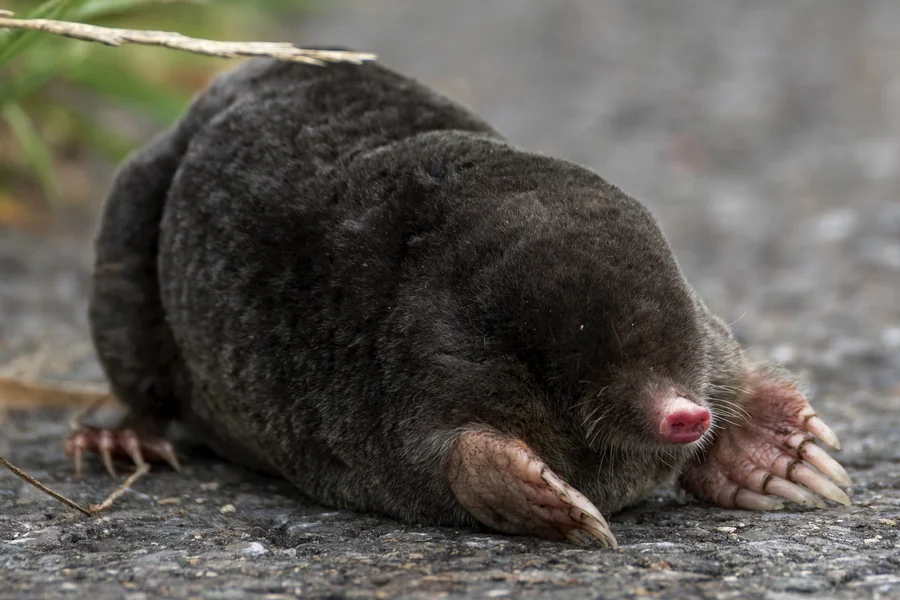
European moles live nearly their entire lives underground. Occurs throughout Europe and parts of Asia in fields, woods and gardens. It has wide front paws like shovels. The velvety fur is flat on either side. This allows the mole to re-enter the system without any problems. Sight is poor and eyes are small. Real work is done by smell and touch. Moles are not rats or mice. They are one of a group of insect-eating birds. An earthworm is a food consumed by a mole. It sucks out the head of a worm and will make it live in a store. There are some stores that have hundreds of worms. Later the mole comes back to have them. It’s saliva contains a paralyzing toxin. Molehills on the lawn are piles of soil that are pushed up off the tunnel. Every mole’s burrow is a separate system and is occupied by just one mole. Mole tunnels may be long and extend many metres. It must eat often. A mole will not live more than one day without food. Gardeners don’t find it pleasant to deal with the mess. The aerated soil is beneficial to farmers.
Aardvark
Scientific Name: Orycteropus afer
Class: Mammalia
Diet: Insectivore
The aardvark is a night digger from sub-Saharan Africa. Its name means earth pig in Afrikaans. It is not a pig. It has no close living relatives. After dark it walks the savanna and sniffs out termite mounds. It rips the mound open with strong front claws. Then it licks up the insects with a sticky tongue that can reach about 30 centimeters. One aardvark can eat tens of thousands of termites in a night. By day it rests in a burrow. The burrow can run over 10 meters and has several chambers. It digs fast. It can bury itself in minutes if a threat shows up. Other animals use its old burrows. Warthogs, hyenas, porcupines and snakes all move in. That makes the aardvark an ecosystem builder. Its range is wide but it keeps a low profile. Most people never see one. Hunting and habitat loss affect some local groups. Aardvarks live alone and meet only to mate. A mother raises one young at a time.
Black-Tailed Prairie Dog
Scientific Name: Cynomys ludovicianus
Class: Mammalia
Diet: Herbivore
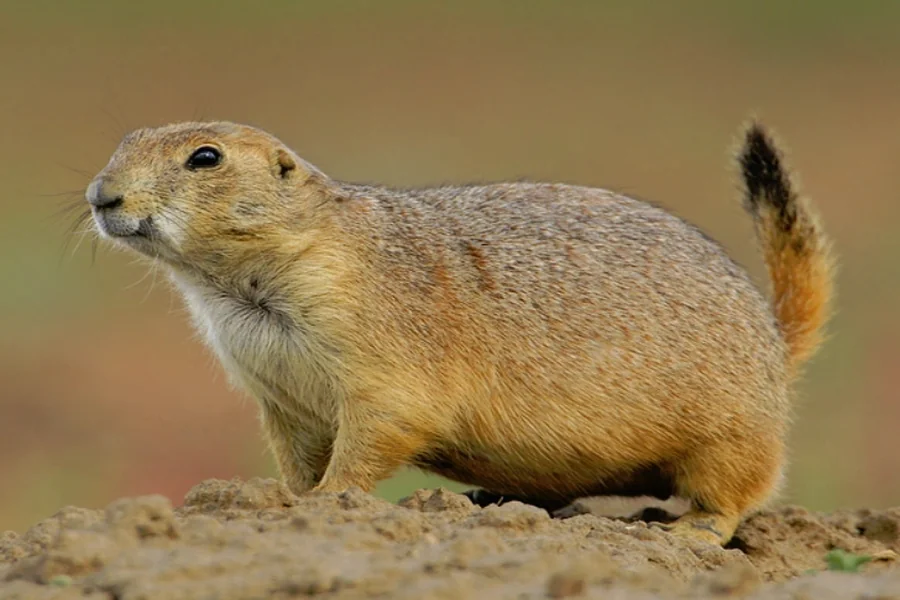
Prairie dogs build towns under the Great Plains of North America. A town can cover hundreds of acres and hold thousands of animals. Each burrow has a mound at the entrance. The mound works as a lookout post and keeps rain out. Below ground the tunnel drops down and then branches into rooms. Some rooms are for sleeping and some are for raising pups. Family groups called coteries share the space. Members greet each other with a touch of the nose and teeth. Prairie dogs bark when a hawk or coyote shows up. Studies suggest the calls carry details about the size and color of the threat. That is rare in the animal world. They eat grasses and roots. Their digging mixes the soil and helps new plants grow. Burrowing owls and black-footed ferrets use their holes too. Disease and land use have wiped out most of their old range. Plague is a major risk for them. A pup stays in the burrow for about six weeks before it comes up.
Common Wombat
Scientific Name: Vombatus ursinus
Class: Mammalia
Diet: Herbivore
The common wombat is a stocky digger from southeastern Australia. Lives in forests and hills of Victoria, New South Wales and Tasmania. The nest burrow can be up to 20 m long, leading to a nest chamber. There’s no need for strong claws; there’s also a hard rump. Rump is composed of hard cartilage. If a predator comes into the tunnel the wombat presses its ass against the tunnel. Can bear down on the roof and the wall and immobilize an attacker. The droppings of wombats are cube shaped. They pile them up, marking out territory. The pouch is backwards facing to prevent dirt getting in during the digging. Wombats eat grass, roots and bark. They are slow but can run at up to 40 km per hour for short periods of time. The majority of the activity occurs during the nighttime. A wombat may have several burrows and go to each one in turn. Wild groups are severely at risk from mange. The weight of adults is 20-35 kg. A joey remains in the pouch for many months. Wombats are marsupials.
Meerkat
Scientific Name: Suricata suricatta
Class: Mammalia
Diet: Insectivore
Meerkats are found in the dry areas of Southern Africa. They are found in the Kalahari Desert in Botswana, Namibia and South Africa. If a group is large enough, they are considered a mob. The capacity of a mob is 20 or more animals. They have a burrow system with multiple entrances and rooms. The tunnels remain cooler than the surface. This limits the impact of the heat of the desert. Everyday begins with sunbathing at the hole of the burrow. Then the mob goes out to forage. One meerkat watches on a high point and gazes up at the sky. It will alert with a loud cry if a hawk or snake is present. Rest shot for nearest hole. Meerkats eat insects, scorpions and small reptiles. Pups learn how to deal with scorpions from adults. The mob’s helpers take care of the pups. Meerkats have long claws for moving sand and can move a lot of sand quickly. They can shut their ears to prevent sand from entering. The Sentry post rotates during the day. Ground squirrels and mongooses can coexist in burrows.
Nine-Banded Armadillo
Scientific Name: Dasypus novemcinctus
Class: Mammalia
Diet: Insectivore
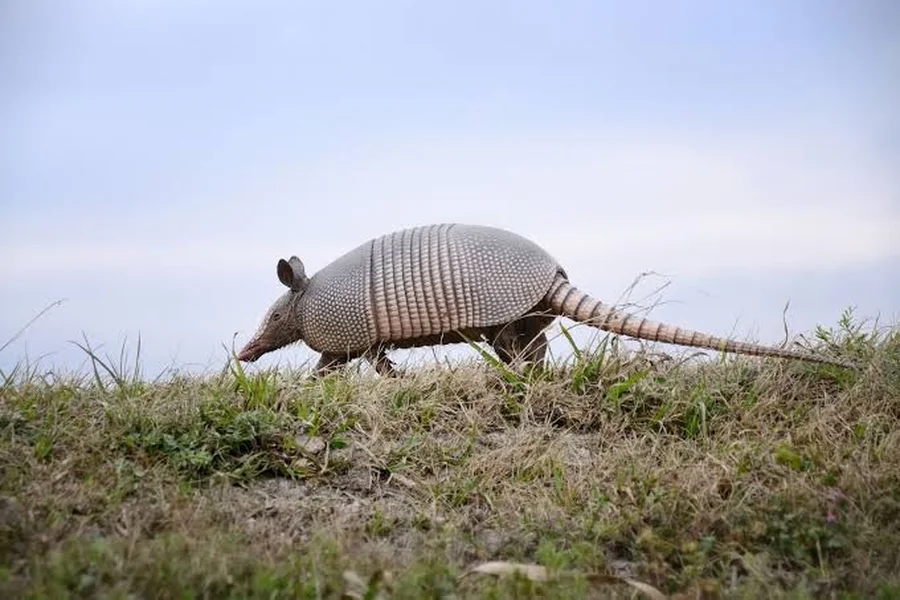
The nine banded armadillo is more of a digger than a walker. It extends from the southern U.S. to Argentina. It has claws on its front feet with which to open burrows and tear into soil for food. Multiple burrows can be used by a single animal. During the day, it lives in the ground. It hunts for food with its nose to the ground at dusk. Feeds on insects, grubs, worms and other small prey. Its sense of smell is strong but its sight is weak. I’ll tell you two strange things. A startled Armadillo can jump up to a metre straight up. It can also hold its breath for up to 6 minutes. That will allow it to cross a stream on the bottom. They have four identical young from one egg. The shell is bony plates covered in skin. The majority of armadillos will not roll into a ball. Only the three-colored type does. These are struck by cars in many cases due to the jump reflex. People should avoid touching wild armadillos, as they may carry the leprosy bacteria.
Cape Golden Mole
Scientific Name: Chrysochloris asiatica
Class: Mammalia
Diet: Insectivore
Golden moles are small diggers from southern Africa. The Cape golden mole is found on the South African coast in sandy soil. It is blind. Its skin is covering its eyes. It searches for prey by picking up vibrations in the soil. It has a big middle ear that is sensitive to low frequencies. Thick claw on each front foot is like a pick. Swims in loose sand just below the surface and creates a raised ridge. The fur sheds sand and has a metallic shine. It is nocturnal and looks for insects and worms. Golden moles are not true moles. Elephants and aardvarks are their closest relatives. They can also chill down their bodies to conserve energy if food runs low. Several species are in danger due to mining and agriculture. A golden mole’s life is solitary. Deepens its burrow for resting and shallow burrow for hunting. They are followed by scientists based on their surface ridges. Very few people ever do see one alive. Their tunnels also allow the rain to seep into dry soil.
European Rabbit
Scientific Name: Oryctolagus cuniculus
Class: Mammalia
Diet: Herbivore
The European rabbit is the original source of most pet and farm rabbits. In the wild it lives in warrens. A warren is a maze of tunnels with many exits. It can hold dozens of rabbits. A doe digs a separate nest burrow to give birth. She lines it with fur and grass. Then she seals the entrance with soil. She returns once a night to feed the kits for a few minutes. This keeps predators from finding the nest. Rabbits spend the day underground and feed at dawn and dusk. They eat grass and herbs. They also re-eat soft droppings to get more nutrients. This is normal. The species began in the Iberian Peninsula. People later spread it to Australia and other places. In Australia it became a major pest. Diseases such as myxomatosis have cut numbers in many places. Rabbits thump the ground to warn the group. Other animals use abandoned warrens. Most wild rabbits live only a year or two.
European Badger
Scientific Name: Meles meles
Class: Mammalia
Diet: Omnivore
European badgers live in setts. A sett is a large burrow system with many tunnels and rooms. Some setts are hundreds of years old. Clans pass them down and keep adding to them. A big sett can have dozens of entrances. Badgers sleep underground by day. They come out at night to feed. Earthworms make up most of the menu. On wet nights one badger can eat hundreds. They also eat fruit, insects, small mammals and roots. In winter they spend more time below ground and live off fat reserves. They do not truly hibernate. Badgers keep their setts tidy. They drag out old bedding to air it. They bring in fresh grass and leaves. They dig separate latrine pits away from the beds. Clans range from a few animals to a dozen or more. The black and white face stripes make them easy to spot. Cubs are born underground in early spring. Their range spans Europe and parts of Asia.
Fennec Fox
Scientific Name: Vulpes zerda
Class: Mammalia
Diet: Omnivore
The fennec fox is the smallest fox in the world. It lives in the Sahara and nearby deserts of North Africa. Its ears can grow 15 centimeters long. They release heat and help it hear prey moving under the sand. By day the fennec stays in a den. It digs the den in soft sand. A den can have several entrances and tunnels. Family groups share it. The air below ground is cooler than the air outside. This helps the fox save water. At night it hunts insects, small rodents, eggs and lizards. It also eats plants and fruit. Furry feet protect its paws from hot sand. Pale fur reflects sunlight and keeps the fox warm on cold nights. A fennec can go long periods without drinking. It gets water from food. Pups stay in the den for several weeks. Litters usually hold two to five pups. Fennecs live in groups of up to ten. They can leap about 70 centimeters high.
Burrowing Owl
Scientific Name: Athene cunicularia
Class: Aves
Diet: Carnivore
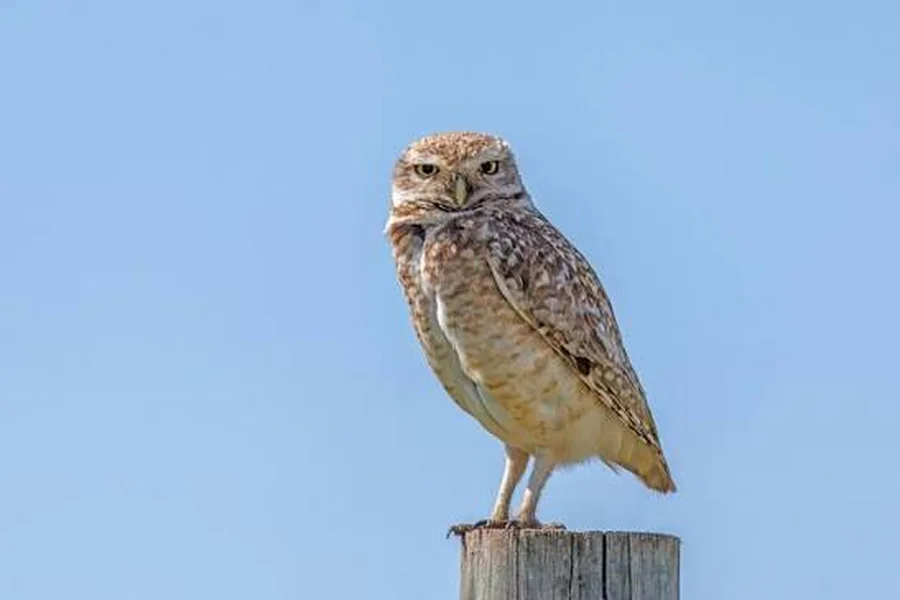
Most owls nest in trees. The burrowing owl nests in the ground. It lives in open grassland and farmland across the Americas. Often it moves into a burrow dug by a prairie dog or ground squirrel. It can also dig its own. Long legs let it run across the ground. It stands upright on the mound at the burrow entrance and watches. The owl is active at dusk and dawn but also hunts in daylight. It eats insects, small rodents, lizards and birds. Some owls line the tunnel entrance with animal dung. Researchers think this attracts beetles that the owl eats. Chicks hiss in a way that sounds a bit like a rattlesnake. Scientists still debate whether this is mimicry. Pairs often stay together for the breeding season. Burrow loss is the main threat in many areas. The owl is small and stands about 25 centimeters tall. Females lay up to ten eggs in the nest chamber. Both parents guard the burrow.
Common Earthworm
Scientific Name: Lumbricus terrestris
Class: Clitellata
Diet: Detritivore
The silent laborers of the land are earthworms. The nightcrawler is found in gardens, fields and woods throughout Europe and has been introduced to North America. It makes vertical burrows up to two metres deep. It brings leaves down into the burrows at night. Then it eats them. Its body has no legs or eyes. It is pushed through the soil by muscles. The walls have little bristles which hold them. Its faeces are called worm casts. They contain nutrients which plants need. The burrows provide air and water to the roots. Charles Darwin studied worms for years, and wrote a book about them. He discovered that over time they bind up large amounts of soil. A worm’s body is its means of breathing. Requires moist soil. Worms may be driven to the surface due to heavy rain. They are consumed by birds, moles and badgers. Each worm has both male and female organs. Two worms are left to mate. The length of a nightcrawler is approximately 20cm. A high worm count is considered a good indicator of good soil health.
Periodical Cicada
Scientific Name: Magicicada
Class: Insecta
Diet: Herbivore
Most cicadas spend far more time underground than in the air. Periodical cicadas of eastern North America live below ground for 13 or 17 years. The young are called nymphs. They hatch from eggs laid in tree twigs and drop to the ground. They dig down and attach to tree roots. There they feed on sap for years. They molt several times as they grow. When the year arrives and the soil warms to about 18 degrees Celsius they climb out. Millions can appear at once. They shed their skins on trees and fences. Adults live about four to six weeks. Males sing to attract mates. The mass emergence floods predators with food. Enough cicadas survive to continue the cycle. Birds, squirrels and fish all feed on them. The dead adults break down and feed the soil. Scientists map each brood by region and year so people can predict the next emergence. A brood in your area may not appear again for over a decade.
European Mole Cricket
Scientific Name: Gryllotalpa gryllotalpa
Class: Insecta
Diet: Omnivore
The European mole cricket resembles a small tank with wings. Found throughout Europe and nearby areas growing in moist soil near rivers and meadows. It has wide, shovel-shaped front legs. It is with these that it burrows tunnels just below the surface. It has a subterranean lifestyle. It will fly at night to find mates. A burrow with a horn shaped entrance is dug by the male. He sings inside it. The shape helps to amplify the sound, which helps females to detect it from a distance. The female digs a nest chamber and incubates the eggs. Mole crickets feed on the roots, insects and worms. Damaged lawns and crops can be found by farmers and gardeners. The song is a continuous trill that can be heard at dusk. They can swim too. Numbers have been reduced where drainage has occurred in parts of Europe. Immature (nymph) specimens resemble adult specimens but are smaller and lack wings. The overwintered insect is found in deep soil. They are their family of crickets. Adults reach a length of 4-5 cm.
Marsupial Mole
Scientific Name: Notoryctes typhlops
Class: Mammalia
Diet: Insectivore
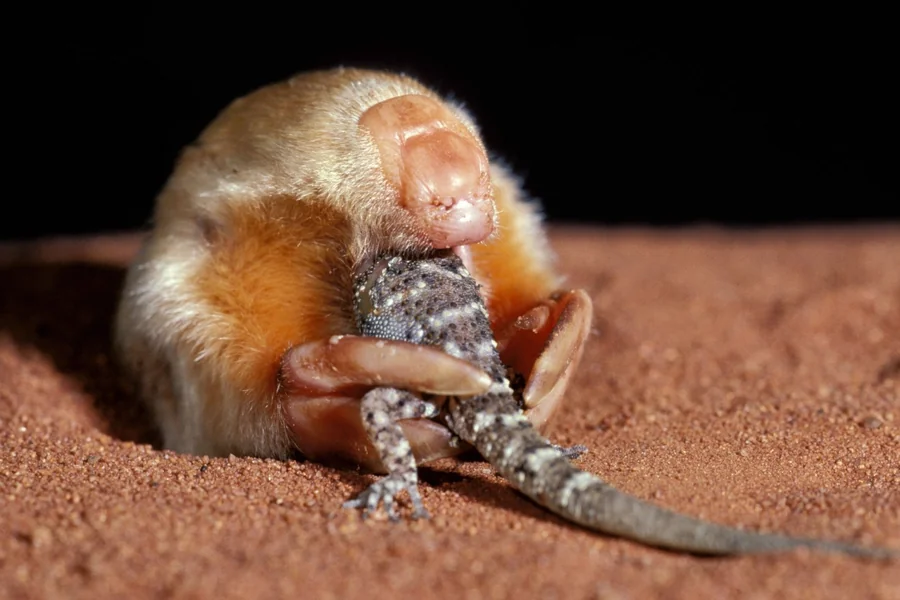
The marsupial mole is one of the least seen animals in Australia. It lives in the sandy deserts of the central and western parts of the country. It looks like a golden mole but belongs to a different group. Both evolved similar bodies because both dig. The marsupial mole is a pouched mammal. Its eyes are tiny and covered by skin. Large flat claws on its front feet scoop sand. It swims through sand instead of keeping a permanent tunnel. The sand collapses behind it. It sometimes comes up after rain. It eats insect larvae, ants and small reptiles. The female has a pouch that opens backward. Sightings are rare. Indigenous ranger groups help track it by its sand trails. Fire and feral cats may be threats. It is only about 12 to 16 centimeters long. It has a leathery shield on its nose that helps it push through sand. It lives alone. Scientists know little about how it breeds. Its fur is pale and silky.
Habitat Snapshot by Region
| Animal | Where It Lives | Underground Home | Diet |
| Naked Mole-Rat | East Africa | Colony tunnels | Tubers |
| European Mole | Europe, Asia | Tunnel network | Earthworms |
| Aardvark | Sub-Saharan Africa | Deep burrow | Termites |
| Prairie Dog | North American plains | Town of burrows | Grasses |
| Common Wombat | Southeast Australia | Long burrow | Grass, roots |
| Meerkat | Kalahari region | Shared burrow | Insects |
| Nine-Banded Armadillo | Americas | Burrow | Insects, grubs |
| Cape Golden Mole | South Africa | Sand tunnels | Insects |
| European Rabbit | Europe, Australia | Warren | Grass, herbs |
| European Badger | Europe, Asia | Sett | Earthworms, fruit |
| Fennec Fox | Sahara | Sand den | Insects, plants |
| Burrowing Owl | Americas | Ground burrow | Insects, rodents |
| Common Earthworm | Europe, North America | Vertical burrow | Leaves, soil matter |
| Periodical Cicada | Eastern North America | Root zone | Root sap |
| European Mole Cricket | Europe, nearby regions | Shallow tunnels | Roots, insects |
| Marsupial Mole | Australian deserts | Sand | Larvae, ants |
More Animals That Live Underground
- Plains Pocket Gopher (Thomomys bottae): A small rodent from North America. It digs long tunnel systems and carries food in fur-lined cheek pouches.
- Blind Mole-Rat (Spalax): A rodent from the Middle East and Southeast Europe. Skin covers its eyes. It butts the tunnel roof with its head to dig.
- Groundhog (Marmota monax): Also called a woodchuck. It digs deep burrows with several exits and hibernates in them through winter.
- Giant Armadillo (Priodontes maximus): The largest armadillo, found in South America. It digs big burrows with its huge front claws. Other animals use them later.
- Southern Hairy-Nosed Wombat (Lasiorhinus latifrons): A wombat from the dry lands of South Australia. It lives in large warrens shared by many animals.
- Olm (Proteus anguinus): A pale, blind salamander from the caves of southern Europe. It lives in dark underground waters and can go years without food.
- Caecilian (order Gymnophiona): A legless amphibian that looks like a worm. It burrows in damp soil across the tropics and uses smell to find prey.
- Spadefoot Toad (Scaphiopus): A North American toad with a hard spade on each hind foot. It digs backward into the soil and stays buried for months in dry weather.
- Gopher Tortoise (Gopherus polyphemus): A reptile from the southeastern United States. Its burrow can run over 10 feet deep and shelters more than 300 other species.
- Trapdoor Spider (family Ctenizidae): A spider that digs a silk-lined burrow with a hinged lid. It waits inside and grabs prey that walks past.
- Termites (order Blattodea, infraorder Isoptera): Insects that build huge colonies with tunnels and chambers in the soil. Some species also build mounds above ground.
- Leafcutter Ants (Atta): Ants from Central and South America. They dig underground nests with fungus gardens that feed the whole colony.
I can expand any of these into the full 150 to 200 word format with scientific name, class and diet. Just tell me which ones you want.
Final Thoughts
Life below ground is common in the wild. These animals that live underground dig for shelter, food and safety. Some work as teams. Others live alone. All of them alter the landscape in which they live. They transport air and water through the soil in their tunnels. They inhabited the old burrows which provide habitat for other species. A lot of people are endangered by farming, mining or disease. Conservation of grassland, forest and desert conserves them. The next time you go for a stroll through a field, keep in mind that life could be just under your feet.
FAQs:
Which animals dig homes below the ground?
Moles, naked mole-rats, wombats, aardvarks, prairie dogs, meerkats, badgers and armadillos all dig burrows or tunnels. Rabbits, foxes and some owls also use underground dens for rest and shelter.
Why do animals make homes underground?
Burrows give shelter from heat, cold and predators. The temperature stays steady below the surface. Many species also use burrows as a safe place to raise their young.
What is a burrowing animal called?
A burrowing animal is called fossorial. This word describes species built for digging and living mostly underground. Moles and golden moles are good examples.
Which mammals live in underground colonies?
Naked mole-rats and prairie dogs live in large underground colonies. Meerkats and rabbits also share burrow systems in groups.
What do underground animals eat?
Most eat insects, worms, roots or tubers. Moles eat earthworms. Aardvarks eat termites. Naked mole-rats eat tubers. Wombats eat grass and roots.
Can animals see underground?
Most have poor sight or none at all. Moles have tiny eyes. Golden moles have skin over theirs. They use smell, touch and vibration to find food and move around.