Can Female Bettas Share a Tank? Exploring Compatibility and Tank Conditions
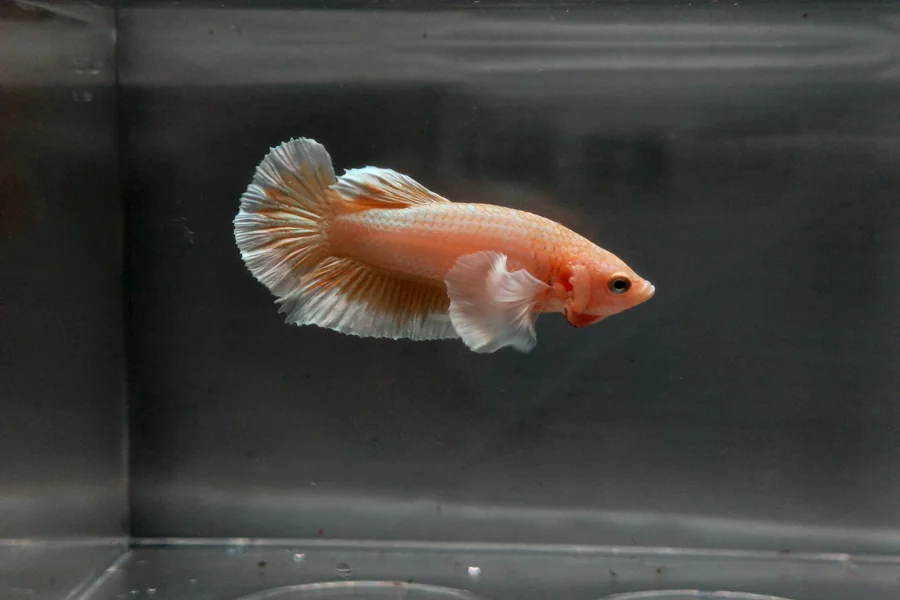
Female bettas are sometimes considered easier to keep together than males, but shared housing still comes with risks. The question “can female bettas live together” does not have a simple yes or no answer. Some female bettas tolerate one another, while others display territorial behavior that makes group housing unsuitable.
A group of female bettas kept in one aquarium is commonly known as a betta sorority. For those wondering whether can female bettas share a tank, the setup has become popular among aquarium keepers who enjoy watching different colors and personalities in one tank. Even so, a sorority requires careful planning, suitable tank conditions, and regular observation.
Can Female Bettas Live Together?
Yes, some female bettas can live together under suitable conditions. This does not mean every group will remain peaceful.
Individual temperament has a significant influence on compatibility. One female might largely ignore other fish, while another might repeatedly chase or nip them. A group that appears calm during the first few days might also develop problems later.
Female bettas can establish social boundaries within a shared aquarium. Some chasing or flaring might occur while those boundaries develop. Persistent chasing, biting, or cornering is a different matter and requires attention.
Why Female Bettas Sometimes Fight
Territorial behavior is one of the main reasons female bettas struggle in shared tanks. In a small or open aquarium, several fish have limited opportunities to avoid one another.
Repeated encounters become more likely when there are few hiding areas or when one fish controls a large section of the tank. A weaker fish might spend much of its time trying to escape another female, creating ongoing stress.
Competition around food is another potential source of conflict. If every fish gathers in the same location at feeding time, a more assertive female might prevent another fish from getting enough food.
Tank Size Makes a Difference
The aquarium needs enough room for several fish to move around without constant contact. A small tank offers limited space for retreat and makes it difficult to create separate areas.
Many experienced betta keepers favor an aquarium of around 20 gallons or larger for a female sorority. Larger tanks offer more space for plants, shelters, and visual barriers, giving fish more opportunities to move away from one another.
Tank footprint matters as well. A long aquarium provides useful swimming space and allows the layout to be divided into different areas. A tall tank with little horizontal space is less useful for creating separate territories.
Creating a Suitable Tank Layout
The interior arrangement plays a major role in shared betta housing. An aquarium with a large open area gives dominant fish an unobstructed view of their tank mates.
Plants, driftwood, caves, and other safe decorations create visual barriers. Dense planting is particularly useful because fish can move behind leaves and structures when they need some distance.
The aim is not to fill every part of the aquarium with decorations. Fish still need open swimming areas. Instead, the layout should create a mixture of open sections and sheltered areas.
Choosing Compatible Fish
There is no reliable way to guarantee compatibility between individual female bettas. Appearance alone is not enough to predict behavior.
Healthy fish of broadly similar size and condition are generally a more sensible starting point than mixing a particularly weak fish with larger or highly assertive individuals. Fish showing signs of illness or injury should not be added to a community arrangement.
Quarantine is also useful when introducing new fish. Keeping newcomers separately for a suitable observation period provides an opportunity to watch for signs of illness before they enter the main aquarium.
Group Size and Social Dynamics
The number of females in a shared tank is another consideration. Keeping only two females together is often viewed cautiously because one fish might repeatedly focus its attention on the other.
Some experienced keepers use groups of four to six females in a suitably large and well-structured aquarium. This approach spreads social interactions across the group, although it does not guarantee peaceful behavior.
More fish also means greater biological waste and greater demand on the aquarium. The tank therefore needs suitable filtration, regular maintenance, and enough space for the entire group.
There is no universal group size that works for every aquarium. Fish behavior should always take priority over following a fixed number.
Feeding Female Bettas in a Shared Tank
Feeding time provides a useful opportunity to observe the group. A healthy group should show interest in food without one fish repeatedly driving another away.
Distributing food across different areas of the aquarium can help reduce competition. It also makes it easier to see whether quieter fish are receiving enough food.
Avoid adding excessive food in an attempt to make sure every fish gets something. Uneaten food contributes to declining water quality. Small, controlled portions are easier to manage in a shared aquarium.
Recognizing Signs of Conflict
Not every display of aggression means a sorority has failed. Brief chasing, flaring, or posturing might occur as fish establish social boundaries.
The situation becomes more concerning when one fish is repeatedly targeted. Persistent chasing, fin nipping, and cornering are warning signs. Torn fins, visible wounds, and prolonged hiding also indicate that the current arrangement needs reassessment.
Changes in normal behavior deserve attention too. A fish that becomes inactive, refuses food, or spends most of its time hiding from another fish might be experiencing stress.
Keep a Separate Tank Ready
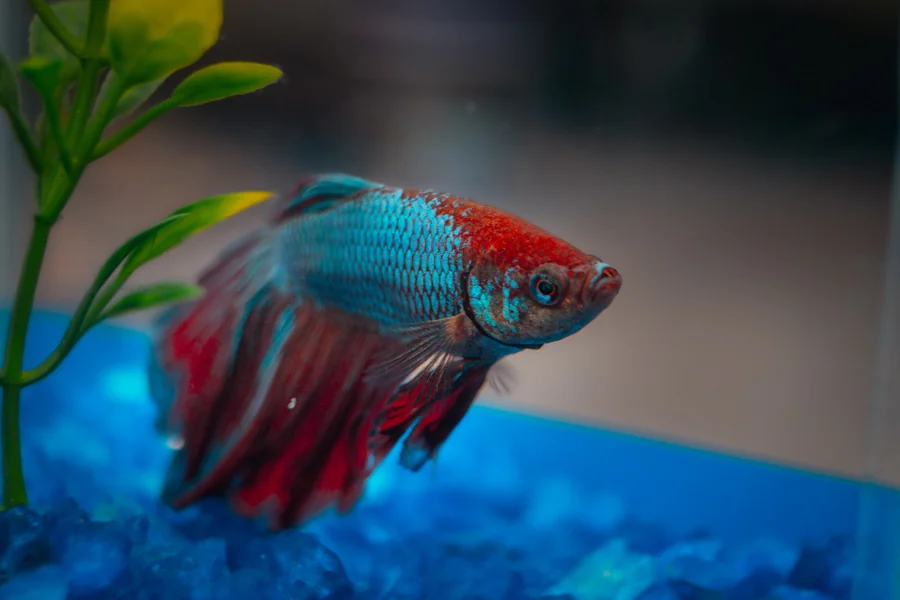
A backup aquarium is one of the most important preparations for anyone keeping female bettas together.
If a particular fish becomes a target, separation might be necessary immediately. A spare heated and appropriately prepared aquarium provides somewhere safe for an injured or repeatedly harassed fish.
A divider or separate established tank might also prove useful if the group needs to be reorganized. The exact solution depends on the aquarium setup, but the important point is having an option available before problems occur.
A sorority should never rely on the assumption that fish will eventually settle down after serious aggression. Once repeated attacks begin, separation is often the safer response.
Water Quality and Aquarium Conditions
Stable water conditions support the overall health of bettas in a shared aquarium. A properly cycled tank should have zero ammonia and zero nitrite, while nitrate needs to be controlled through routine maintenance and partial water changes.
Bettas are tropical fish, so a stable temperature around 24 to 28°C is commonly used. Sudden temperature changes are best avoided.
Filtration should provide biological filtration and maintain good water quality without producing excessive current. Strong flow might make swimming uncomfortable, especially for bettas with larger fins.
What If the Group Stops Working?
A sorority that remains peaceful for several weeks is not necessarily guaranteed to stay that way. Changes in social relationships, maturity, or environmental conditions might alter behavior.
When aggression becomes persistent, the aquarium layout should be checked first. Insufficient cover, overcrowding, or poor water quality might contribute to the problem. If one fish remains the focus of repeated attacks, however, separation should take priority.
Is Shared Housing Suitable for Every Female Betta?
No. Some females adapt well to shared housing, while others are too territorial for a group environment.
A calm temperament does not guarantee permanent compatibility either. A fish might behave differently after settling into the aquarium, particularly when territory and social boundaries become established.
For beginners, keeping one female betta separately is generally simpler. A sorority introduces additional variables involving aggression, stocking, feeding, and observation.
Final Thoughts
Female bettas are capable of sharing an aquarium, but group housing is not suitable for every fish. The success of a sorority depends heavily on individual temperament, available space, tank layout, and the quality of the aquarium environment.
A well-planned tank should provide plenty of room, hiding places, visual barriers, gentle filtration, and stable water conditions. Careful observation is equally important because behavioral changes often provide the earliest warning that a group is no longer working.