How Seedance 2.5 Helps Creators Turn Existing Visual References Into Short Video Drafts
Short video is no longer only for teams with full production budgets. Seedance 2.5 gives creators a practical way to use existing images, reference clips, and clear story notes as guidance for short video drafts that can be reviewed before publishing.
Most creators already have more visual material than they realize. A blogger may have original photos from a field trip. A small brand may have product images. A teacher may have simple diagrams. A pet creator may have portraits and short clips. A nonprofit may have approved campaign visuals. These assets are useful, but they often sit still on a page when the story would be easier to understand in motion.
That is where AI video can help. The goal is not to turn every image into a finished advertisement or replace real footage. The more useful role is earlier in the process: testing how a visual idea might move, whether a short scene is easy to follow, and whether the story feels clear enough before more time is spent on editing. For creators working across different forms of media, resources like Daily Audiophile can also provide inspiration for developing a stronger sense of sound and storytelling.
This is especially helpful for creators who work across education, nature, pets, product content, social media, and small campaigns. They need video, but they also need the video to stay grounded in real materials.
Why References Matter More Than Prompts Alone
A text prompt can describe an idea, but it cannot always protect the details that matter. If a creator wants to show a specific product, animal, setting, diagram, or visual style, references give the model something more concrete to follow.
References also make the review process easier. Instead of judging whether a clip looks interesting in general, the creator can ask better questions: does it match the original visual? Does the movement support the message? Does the scene add clarity, or does it distract from the point?
References can guide the output, but they do not guarantee that products, animals, diagrams, or environmental details will remain accurate throughout the clip. That is why the draft still needs human review before it becomes public content.
That matters because short video is often judged quickly. A clip that looks polished but changes the subject, invents details, or feels unrelated to the original story can create more work than it saves.
Where Seedance 2.5 Fits
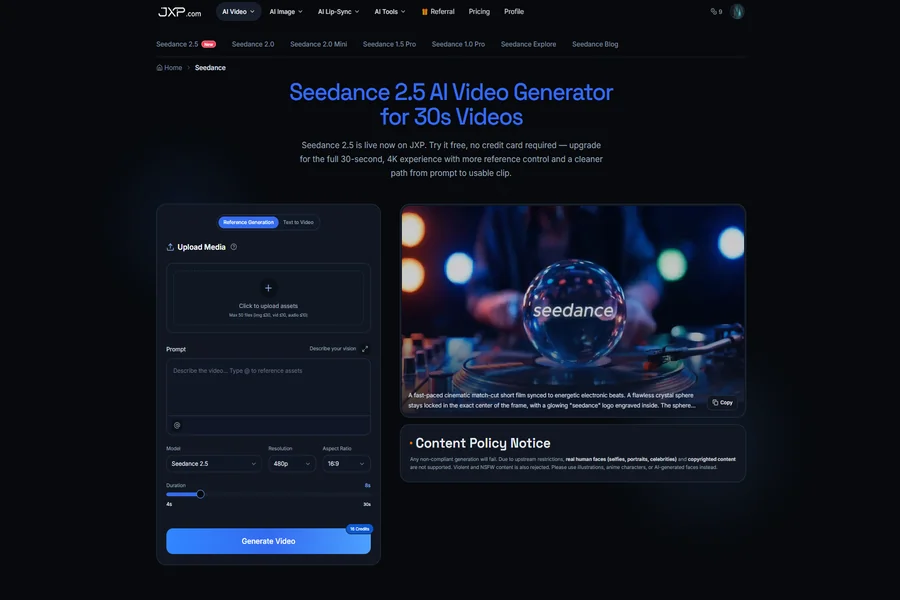
Seedance 2.5 gives creators a more structured way to test video ideas from real materials. It supports longer single clips, 4K output in supported workflows, multiple reference inputs, and targeted refinement. Those capabilities are useful when the goal is not just a surprising clip, but a draft that can be reviewed against a real brief.
A creator might begin with a product image, a nature photo, a pet portrait, an educational graphic, or a short video reference. The prompt can then describe the intended motion, tone, pacing, and audience. This gives the model clearer direction and gives the creator a better way to judge the result.
Useful Ways to Start
The best starting point is usually simple. A long prompt full of dramatic effects can make the output harder to control. A better brief explains the subject, the purpose of the clip, the visual references being used, and the tone the audience should feel.
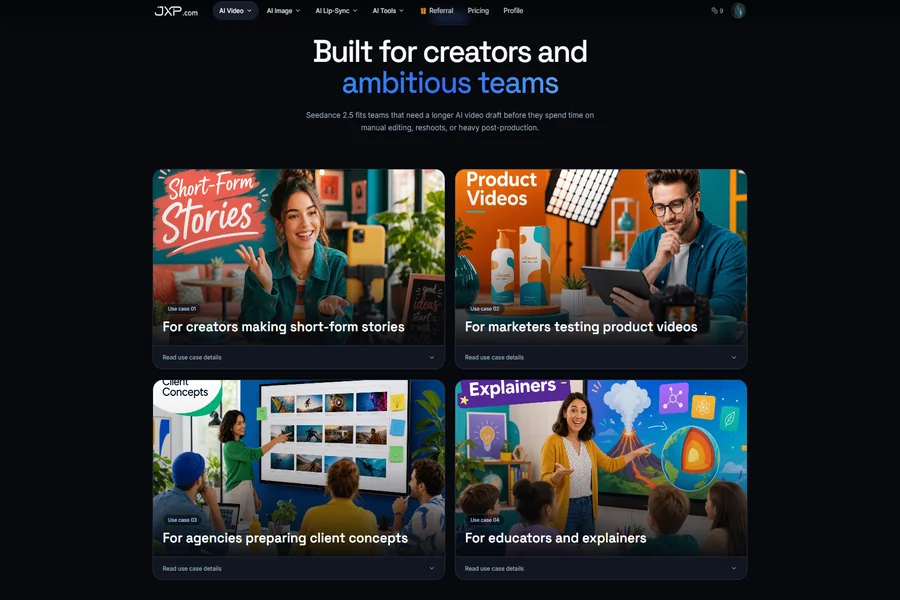
For example, a pet creator may want a calm intro for a care article. A nature blogger may want a gentle motion draft for a habitat explainer. A small ecommerce team may want to see whether a product photo can become a short social teaser. A teacher may want a diagram to feel more alive before building a lesson video.
These are different use cases, but the workflow is similar: start with real assets, describe the intended motion, review the output, and decide whether the idea deserves more work.
Keep Accuracy in the Process
AI video drafts are useful, but they should not be treated as proof. If a video involves product details, animal behavior, health advice, training steps, safety instructions, or factual education, the final information should come from verified sources.
This is not a limitation that makes AI less useful. It is what keeps the workflow honest. A generated video can support a story, introduce a topic, or help plan a sequence. It should not invent a real event, replace expert advice, or imply that a scene was filmed when it was not.
For creators working with animals, that means avoiding unsafe pet handling, invented rescue evidence, or misleading wildlife behavior. For product creators, it means checking that the item still looks like the real product. For educators, it means keeping facts in the script and captions accurate.
Good Use Cases Across Creator Workflows
When used carefully, AI video drafts can support many kinds of everyday content. The strongest uses are usually the ones that help creators decide what to make next.
- Turning an original image into a short social media concept
- Testing an opening scene for an educational explainer
- Comparing different visual directions before editing
- Planning motion for a product, pet, nature, or lifestyle post
- Adding movement to approved illustrations or diagrams
- Preparing a clearer brief for a designer or video editor
When a diagram represents a scientific, medical, or technical process, motion should be treated as illustrative until a qualified reviewer confirms that the sequence remains accurate.
These uses do not require the creator to publish the first generation. The draft can simply make the idea easier to discuss.
Image-to-Video as a Practical Entry Point
For many creators, image-led generation is the most natural place to begin. A still image already contains composition, subject, color, and context. Turning that into motion can be easier than asking a model to invent a scene from text alone.
This is where a Seedance 2.5 image-to-video workflow can be useful. An approved image can guide the draft, while the prompt explains what should move and why. The result may help a creator judge whether the idea works as a short video, a social teaser, an article visual, or a larger campaign asset.
The creator still needs to review the output carefully. Does the subject remain recognizable? Are important details preserved? Is the motion helping the story? If not, the brief should be narrowed or the draft should stay internal.
What Should Be Reviewed Before Publishing
Before posting an AI-assisted video, creators should check a few basics. The subject should not be misrepresented. Any factual claim should be verified. Real people, private materials, copyrighted images, and unsupported references should be avoided. If the video is meant to teach something, the script and captions should be reviewed as carefully as the visuals.
Reviewing the draft early may prevent creators from polishing a clip that is built on the wrong assumption. It also helps keep the final content closer to the creator’s voice.
Final Thoughts
Seedance 2.5 gives creators a practical way to explore motion from existing visual references. Its strongest value is not replacing real footage, expert review, or final editing. It is helping people see an idea sooner, test whether it works, and improve the brief before production begins.
For creators working with pets, nature, education, products, or social content, that can be enough to make the process more flexible. Start with real context, use approved materials, keep facts separate from visual experimentation, and treat each generated clip as a draft until it has been reviewed. That is how AI video can support better content without asking viewers to trust something that has not been checked.