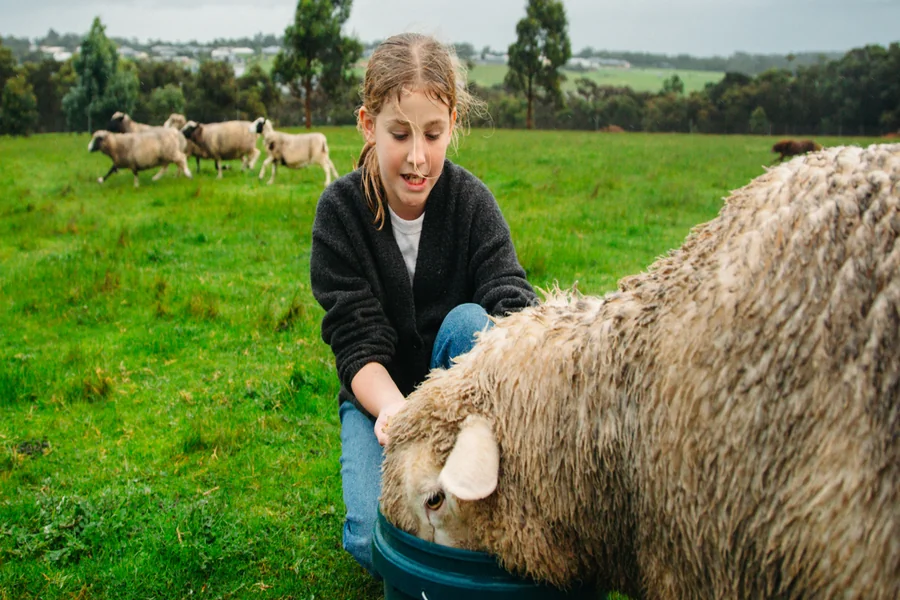
The Science Behind a Career of Working With Animals
There’s a version of this story that starts with a shoebox. A child brings home a baby bird that fell from a nest, or a turtle they found at the edge of the road, or a stray cat that adopted the family whether or not the family agreed.
Children who do this tend to grow up still wanting to be near animals, and at some point, they start wondering if they can make a career out of this. Fortunately, they can, and it just looks different from what most people picture. Much of it happens in a classroom long before it happens in a barn or a clinic or out at some field station.
Animal Careers Go Beyond the Vet Clinic
If you ask most people to picture a career with animals, they land on one of two images: a vet in a white coat, or a zookeeper tossing fish to a seal. Real jobs, both of them, and together they cover a sliver of what’s out there. A larger sample of jobs that keep you around animals every day:
- Veterinary technician: The person who runs the bloodwork, takes the X-rays, and watches a patient’s vitals during surgery
- Zoologist or wildlife biologist: Studying animals in the wild or managing populations for an agency
- Wildlife rehabilitator: Nursing injured raptors, orphaned fawns, and the occasional angry raccoon back to a life outside a cage
- Shelter and animal control staff: Studying animal health and behavior
- Marine mammal trainer or aquarist: Keeping fish, invertebrates, and the occasional dolphin healthy
- Zoo and aquarium keeper: Responsible for diets, enclosures, and spotting the first small sign that something is wrong
- Conservation field technician: The boots on the ground counting nests, tagging turtles, and setting camera traps
Some of these want a two-year degree, while others ask for four years plus a stack of field experience, and the research-heavy ones, like a wildlife biologist running studies, usually go further still. What almost all of them share is a foundation there’s no skipping past.
Science is Vital
Almost every animal career runs through the same handful of core science courses. Anatomy and physiology teaches you how a body is put together and, more to the point, how it falls apart.
- General biology covers cells, genetics, and the way whole populations behave.
- Chemistry sounds far from animals until you realize medication doses, the water in a tank, and animal nutrition all come down to it.
- Microbiology earns its place the moment it clicks that a large portion of animal health is about the invisible elements living on and inside every creature you’ll ever handle.
If you ever want to draw blood from a nervous dog, or work out why the fish in a display tank keep dying one by one, those classes are the job itself, taught early and in a quieter room.
This is also where a lot of would-be animal workers lose their nerve. Maybe science was never their thing in high school. Maybe they’ve been out of a classroom for a decade and the idea of a lecture hall full of eighteen-year-olds feels rough. Fair enough. It’s also the part of the path that’s gotten a lot easier lately.
Where the Coursework Happens
You don’t have to enroll in a full degree program on day one just to start on the science. Plenty of people knock out those first prerequisite courses online, on their own schedule, through accredited self-paced programs like Portage, then transfer the credits into a vet tech, animal science, or biology degree once they’re ready to commit to the whole thing.
Anatomy and physiology, biology, and microbiology are exactly the kind of transferable science credits that carry over cleanly, so someone holding down a day job can chip away at the foundation before quitting anything or moving anywhere.
That flexibility matters more here than in most fields, because so many of the people drawn to animal work are career changers. Think of the former teacher itching to get into wildlife rehab, or the office worker who volunteers at a raptor center every weekend and keeps wondering why it can’t be the whole week. Letting them test the science first, cheaply and around the schedule they already have, takes a lot of the fear out of a big move.
What Those Classes Get You on the Job
On paper these courses can feel abstract, so it helps to spell out why they show up on nearly every animal-career checklist.
- Anatomy and physiology is what lets you hear a heartbeat and know whether it should worry you. It’s why a good vet tech senses something is off with a patient before a single test comes back.
- Biology is the backbone of everything a field biologist or conservation tech does. Population dynamics, animal behavior, and genetics decide how a species gets managed, hunted, protected, or pulled back from the edge.
- Chemistry quietly runs the practical side of animal care. Dosing a medication by body weight, balancing the water in a reef tank, and reading a nutrition label on a feed bag are all chemistry wearing work clothes.
- Microbiology is the one people underrate until they’re elbow-deep in it. Disease outbreaks in a shelter, a wound that won’t heal, the reason you scrub down between animals, all of it lives in this class.
The Vet Tech Career Route, in Real Numbers
Veterinary technician is one of the most direct ways into hands-on animal work, and the demand for it is not subtle. The U.S. Bureau of Labor Statistics projects employment of veterinary technologists and technicians to grow about 19 percent between 2023 and 2033, far faster than the average for all occupations. Clinics are chronically short-staffed, pets aren’t going anywhere, and the credential itself usually takes about two years plus a licensing exam.
The science load is the real gatekeeper, though. Accredited vet tech programs lean on anatomy and physiology and chemistry, and you’ll put both to work the first week a clinic trusts you with a live patient. Getting those courses finished ahead of time, or running them alongside the program, is how a lot of students keep the first year from flattening them.
Zoology and Wildlife Biology, the Field Science Path
Zoologists and wildlife biologists study animals and the ecosystems they live in, often working for state agencies, universities, or conservation nonprofits. The Bureau of Labor Statistics lists a bachelor’s degree as the typical entry point, with graduate work common for the research jobs. A spine of biology, ecology, statistics, and chemistry runs through the entire degree, and it doesn’t let up.
The competition here is real. These roles pull in a lot of passionate applicants, so field experience, internships, and a solid grip on the core sciences are what get you hired instead of leaving you refreshing the job board.
You Can Test-Drive the Science Before You Commit
Sit through a single anatomy and physiology course and you find out two useful things quickly: whether you enjoy the material once the novelty wears off, and whether you can keep up with the pace. Both are a lot cheaper to learn in one transferable class than after you’ve quit a job and signed up for a full program.
Then pair that with real exposure to the work. Volunteer at a shelter for a season, ask a local wildlife rehabber if they need weekend hands, or spend a shift shadowing a vet tech to see what the day is made of. Learning alongside experienced animal-care professionals, can also provide practical insight into working with dogs and their owners. For people pursuing careers in professional animal care, pet care staff training can help build the practical skills needed to handle animals safely and confidently. The people who last in animal careers tend to love the unglamorous parts, the 6 a.m. feedings and the endless cleanup, almost as much as they love the animals.
Where the Path Starts
Working with animals is a real field with real openings, and the way in runs straight through a few science classes. The first steps are far more reachable than they were a generation ago. Start with one online biology or anatomy course, see how it sits, and build from there without betting everything up front. That kid hauling home shoeboxes of strays was onto something, and the path from that instinct to a real paycheck starts with a handful of good science classes.