Top 22 Chubby Animals in The World (With Pictures)
Did you know that some of the world’s chubbiest animals are not just adorable but also play crucial roles in their ecosystems? In this article, we’ll explore the delightful realm of chubby animals in the world, from plump penguins to round seals. Beyond their cuteness, these animals offer fascinating insights into adaptation and survival. Join us as we dive into the lives of these chunky creatures and uncover the quirky reasons behind their roundness, along with delightful anecdotes that will warm your heart.
List of Chubby Animals in The World
Below is the list of chubbiest animals in the world:
| Number of Animals | Names of Chubby Animals in The World |
| 1 | Hippopotamus |
| 2 | Manatee |
| 3 | Seals |
| 4 | Guinea Pig |
| 5 | Whales |
| 6 | Giant panda |
| 7 | Dolphin |
| 8 | Pallas’s Cat |
| 9 | Rhinoceros |
| 10 | Fat-tailed Lemur |
| 11 | Hedgehog |
| 12 | Elephants |
| 13 | Persian Cat |
| 14 | Gaur |
| 15 | Sea Lions |
| 16 | Capybara |
| 17 | Polar Bears |
| 18 | Red Panda |
| 19 | Wombat |
| 20 | Sea Otter |
| 21 | Hamster |
| 22 | Penguin |
Hippopotamus
Scientific Name: Hippopotamus amphibius
Class: Mammalia
Diet: Herbivore
The hippopotamus, often affectionately called “hippo,” is one of nature’s most charming yet enigmatic creatures. With their massive bodies draped in thick, hairless skin, these semi-aquatic giants embody a unique blend of grace and bulk. Contrary to their somewhat clumsy appearance on land, hippos are agile swimmers, capable of gliding effortlessly through water, thanks to their specialized buoyancy and powerful legs. Their love for water goes beyond mere play — being submerged helps them regulate body temperature, protecting their sensitive skin from the sun’s harsh rays.
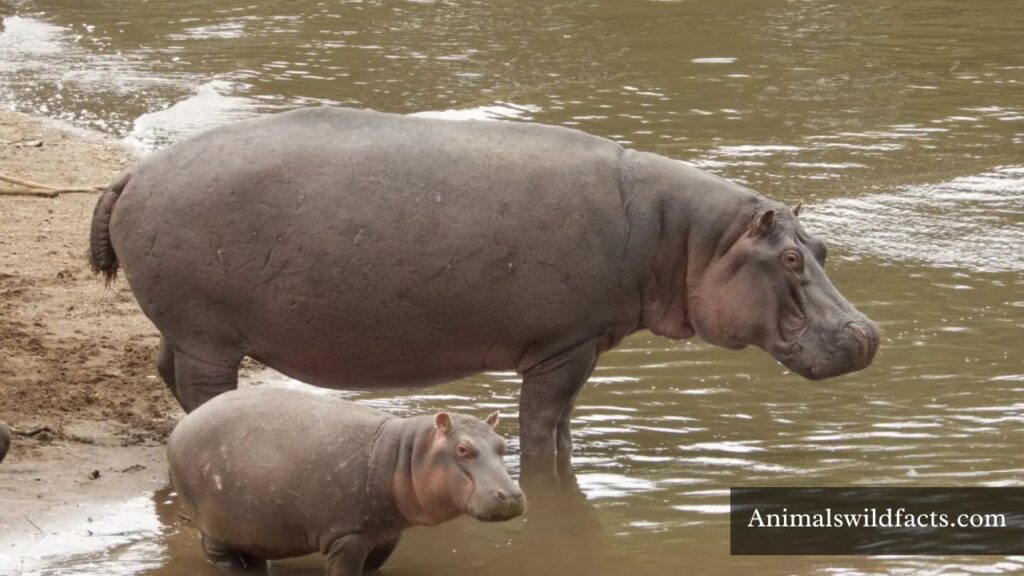
While many may picture hippos basking in the sun or wallowing in mud, they are surprisingly social animals, often found in large groups called pods. These pods can be quite vocal, communicating with a series of grunts, honks, and roars, often echoing across the water. Their playful antics, such as splashing one another or surfacing for a breath with their enormous mouths agape, showcase a more playful side that often contrasts with their reputation for aggression.
Manatee
Scientific Name: Trichechus
Class: Mammalia
Diet: Herbivore
Manatees, often affectionately dubbed “sea cows,” embody the charm of chubby animals with their gentle demeanor and rotund bodies. These aquatic giants can weigh up to 1,300 pounds and can grow to lengths of about 10 to 13 feet. Their plumpness isn’t just adorable; it’s an evolutionary advantage, allowing them to float effortlessly while browsing on underwater grasses. This herbivorous diet, combined with their slow-moving lifestyle, contributes to their endearing appearance and serene presence in the waterways they inhabit.
Interestingly, manatees play a crucial role in their ecosystems. As they graze on seagrass, they maintain the health of marine habitats, promoting the growth of vegetation that supports diverse marine life. Their grazing helps create a balanced underwater environment, demonstrating that these gentle creatures are more than just a playful spectacle — they’re pivotal to the aquatic ecosystem. As human activities continue to threaten their habitats, understanding this relationship underscores the importance of conservation efforts, reminding us that even in their chubby charm, manatees contribute significantly to our planet’s health.
Seals
Scientific Name: Pinnipedia
Class: Mammalia
Diet: Carnivore
Seals might just be nature’s most charming buoyant buddies. With their round bodies and playful demeanor, they embody a joyful essence that brings smiles to anyone lucky enough to observe them. These marine mammals are not merely adorable; their blubbery physiques are an evolutionary triumph, expertly designed to thrive in frigid waters. The thick layer of blubber insulates them against the cold, while also serving as an energy reserve during periods of fasting, particularly when they haul themselves up onto ice or shore to rest.
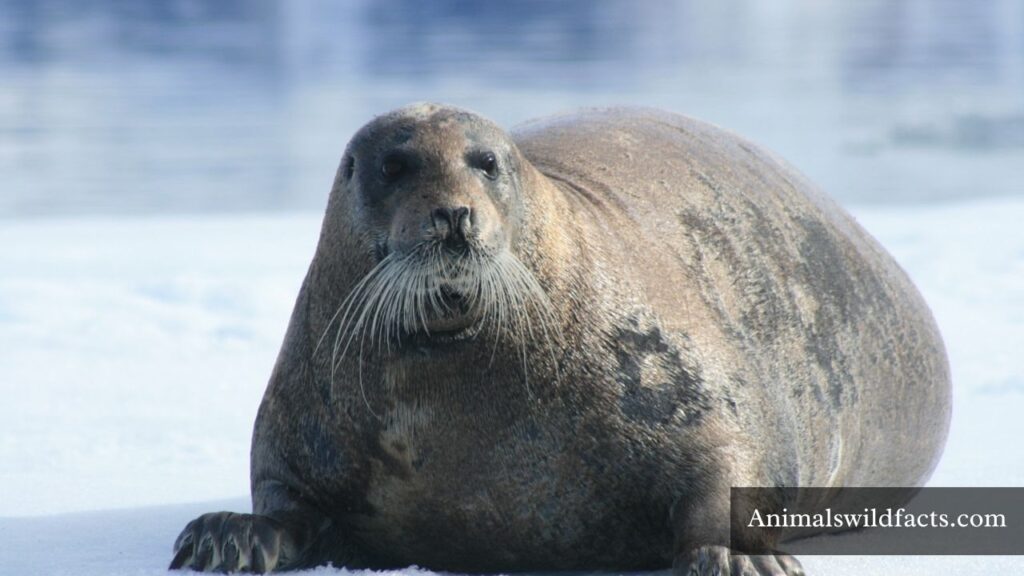
Beyond their physical attributes, seals exhibit fascinating social behaviors that further endear them to audiences. Many species, like the harbor seal, are seen basking on rocks in large groups, creating a spectacle of wriggling, chubby bodies that appears both comical and harmonious. Their vocalizations, ranging from barks to growls, serve as expressions of their unique personalities and social dynamics. This blend of cuteness and charisma makes seals not just another species at the ocean’s surface, but a captivating peek into the complexities of marine life and social interaction in the animal kingdom. Watching these pudgy pinnipeds engage with one another in playful antics reminds us that joy can be found even in the depths of the sea.
Guinea Pig
Scientific Name: Cavia porcellus
Class: Mammalia
Diet: Herbivore
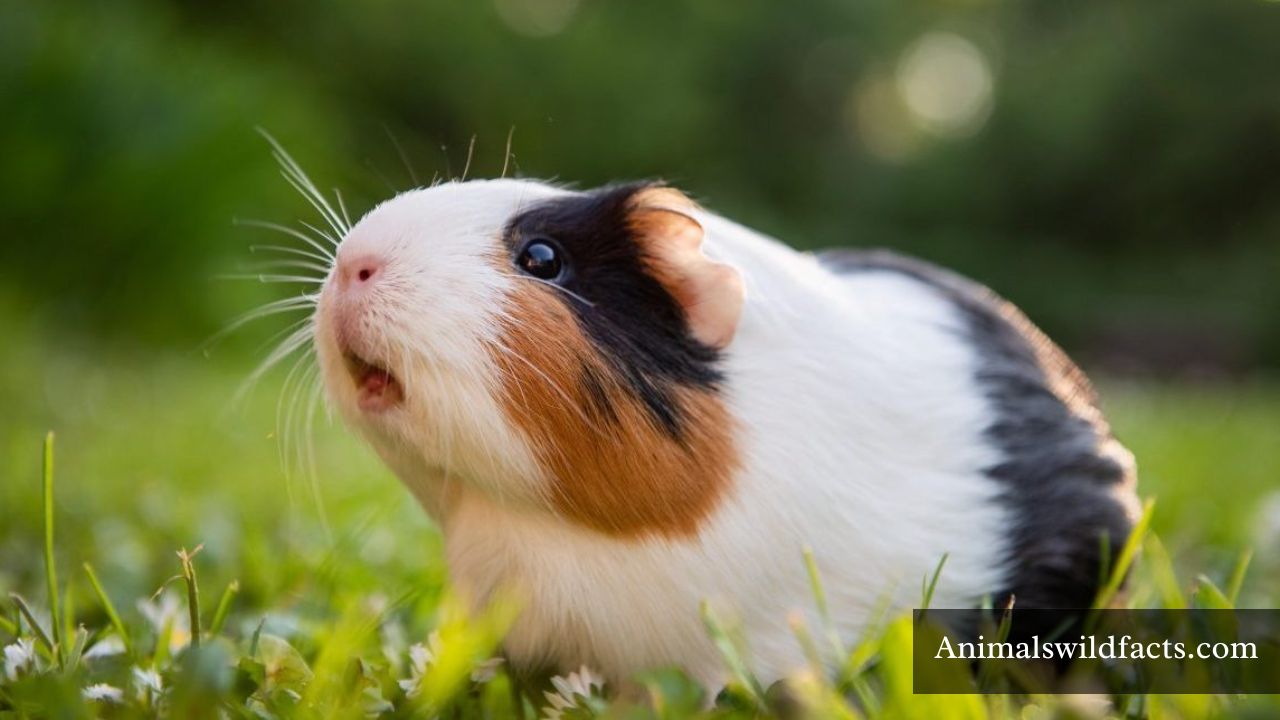
Guinea pigs, with their adorably rotund bodies and soft, silky fur, epitomize the concept of chubby charm in the animal kingdom. These little bundles of joy are not just cute companions; they offer a wealth of personality, often surprising owners with their vocalizations and quirky behaviors. From gentle purring to excited wheeking, each sound serves as a unique form of communication, allowing them to express everything from contentment to a desire for fresh veggies.
In social settings, guinea pigs thrive; they are known for their affectionate bonds both with humans and their fellow cavies. Watching them interact can be an endearing experience, especially as they engage in playful popcorning — an adorable jump that seems to convey pure joy. Their social nature highlights the importance of companionship, underscoring that these fluffy creatures prefer not to be alone and can flourish in a group setting. Furthermore, guinea pigs have unique dietary needs that underscore their chubbiness; their love for hay and fresh produce not only keeps them healthy but also provides a never-ending source of joy for their owners who enjoy treating them to a colorful array of treats.
Whales
Class: Mammalia
Diet: Mostly carnivore
Whales, the gentle giants of the ocean, hold a special allure with their chubby silhouettes and graceful movements. Despite their massive size, these marine mammals are remarkably agile, capable of navigating vast distances in search of food and mates. Their blubber, often seen as just a layer of insulation, is also a crucial energy reserve that sustains them during migration. This fat storage not only helps maintain buoyancy but also offers a fascinating glimpse into their vibrant social dynamics, as many species, such as the orca, rely on cooperative hunting techniques that require stamina and strength.
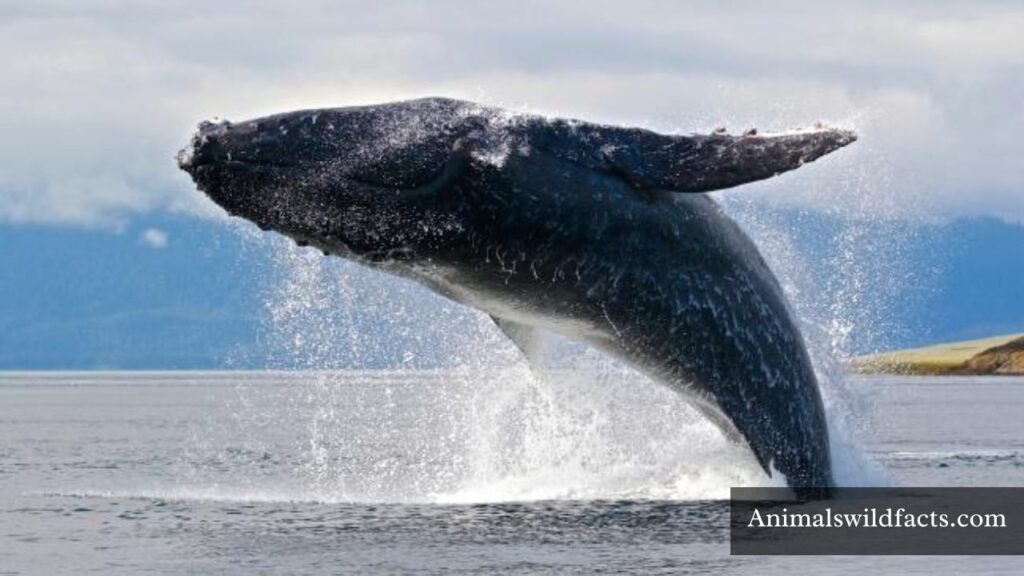
Moreover, the size and shape of whales can influence their communication strategies, with their rich vocalizations echoing across ocean depths. These sounds play a pivotal role in their social structures, not just for mating calls but also for maintaining bonds within pods. The chubby forms of fin whales or humpbacks serve as more than just visual spectacles; they embody a delicate balance of evolutionary adaptation, showcasing how gigantic bodies contribute to a complex web of interactions within marine ecosystems. With their playful acrobatics — like breaching and lobtailing — whales remind us that even the most formidable creatures can exhibit a whimsical side, captivating observers and inspiring deep ecological appreciation.
Giant panda
Scientific Name: Ailuropoda melanoleuca
Class: Mammalia
Diet: Herbivore
The giant panda, a beloved symbol of conservation, is more than just its adorable, chubby appearance. These remarkable bears, native to the bamboo forests of China, possess a unique adaptation in their digestive system. While they belong to the carnivore family, their diet predominantly consists of bamboo, which requires them to consume up to 40 pounds daily to meet their energy needs. This astonishing intake is necessary because bamboo offers relatively low nutritional value, making their chubby figures a fascinating blend of efficiency and charm.
Interestingly, giant pandas have evolved specific behaviors to thrive in their environment. Their distinctive black-and-white fur not only serves as camouflage in the dappled light of their habitat but also plays a role in thermoregulation, helping them adapt to both warm and cool temperatures. Despite their cumbersome appearance, pandas are surprisingly agile climbers and swimmers, demonstrating that there’s more than meets the eye. Observing these gentle giants isn’t just a delight; it offers insights into the delicate balance of their ecosystem and the ongoing efforts to ensure their survival, reminding us of the interconnectedness of all species in preserving biodiversity.
Dolphin
Class: Mammalia
Diet: Carnivore
Dolphins might not strike you as chubby at first glance, but their playful demeanor and rounded bodies give them a distinct charm. Beneath the surface, these marine mammals are surprisingly agile and clever, able to perform acrobatic leaps that defy their rotund appearance. Their playful nature makes them seem even more adorable, often frolicking with each other or interacting with boats, captivating anyone lucky enough to witness their antics.
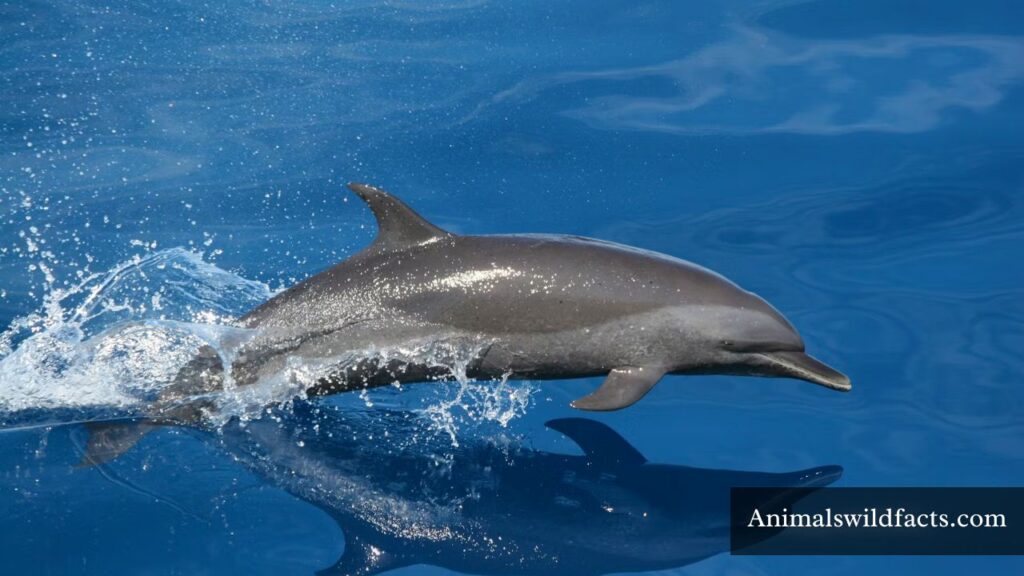
While we often see sleek images of dolphins gliding through waves, it’s essential to appreciate the layers of fat that help them thrive in chilly waters. This blubber not only aids in buoyancy but acts as insulation, showcasing the dolphin’s adaptation to its environment. More than just a physical trait, their body shape symbolizes the buoyant spirit of these intelligent creatures, reminding us that there’s beauty in every form — even chubby.
Pallas’s Cat
Scientific Name: Otocolobus manul
Class: Mammalia
Diet: Carnivore
Pallas’s cat, also known as the manul, stands out not just for its striking, fluffy appearance but also for its quirky personality. These adorable felines, native to the harsh grasslands of Central Asia, possess a surprisingly stocky build and a face brimming with character. Their round bodies and plush fur serve a practical purpose, insulating them against the chilling temperatures of their mountainous habitats. This dense coat, combined with their short, stocky legs, gives them an almost cartoonish look that endears them to animal lovers worldwide.
But beyond their chubby exteriors lies a fascinating world of survival. Pallas’s cats are masters of camouflage, their mottled fur blending seamlessly with the rocky steppe, allowing them to ambush prey like small rodents with effortless grace. Unlike most wild cats, they exhibit a unique, almost playful demeanor in their hunting techniques, showcasing an intelligence that’s captivating to researchers. Their distinct sociability, typically rare in solitary felines, offers a glimpse into the complexity of their social structures, potentially challenging long-held beliefs about the behavior of wild cats. Observing these plump little predators reminds us that true beauty lies in individuality and adaptability, even in the coziest of forms.
Rhinoceros
Class: Mammalia
Diet: Herbivore
The rhinoceros, often celebrated for its imposing stature and thick, leathery skin, also embodies a unique charm with its surprisingly chubby physique. Far from being mere symbols of strength and resilience, these gentle giants reveal a delicate balance between power and vulnerability. Their hefty bodies serve as a reminder of the intricate relationship between their environments and their survival; a robust physique is essential for withstanding harsh climates while also providing necessary insulation against the sun’s rays.
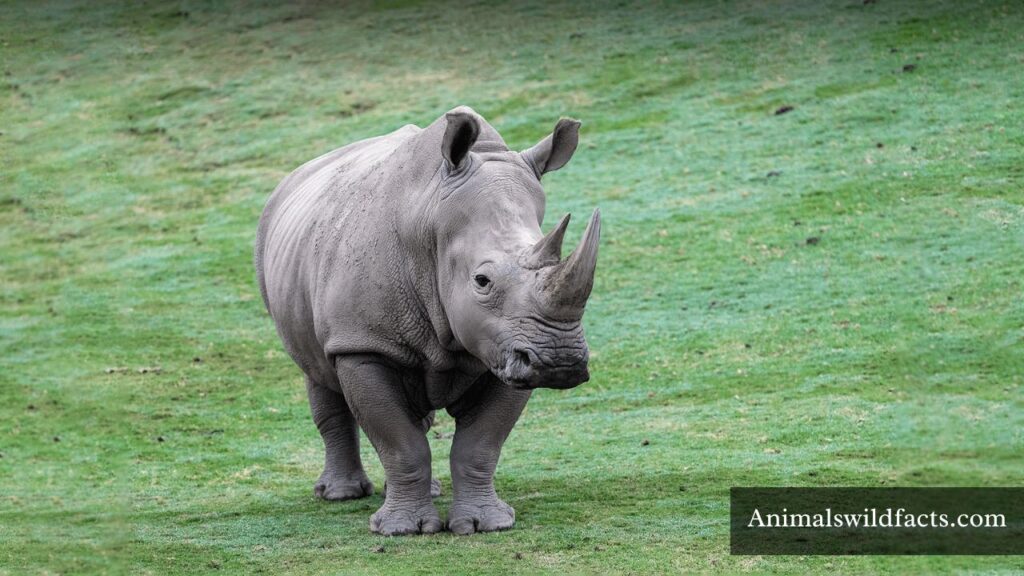
Beyond their robust appearance, these magnificent creatures play a crucial role in their ecosystem as “gardeners of the savanna.” By grazing on grass and browsing on shrubs, they help maintain the balance of their habitats, promoting biodiversity by preventing overgrowth. Their unique social structures, particularly among white rhinos, can be seen as a reflection of a close-knit family, often found bonding in small, affectionate groups that exude nurturing qualities.
However, the plight of rhinoceroses is a poignant reminder of the delicate balance between wildlife and human encroachment. Poaching and habitat loss threaten their existence, highlighting an urgent call to action for conservation. Many organizations now focus on not just protecting rhinos but also educating communities about their significance. By fostering an appreciation for these gentle giants, we empower local populations to safeguard their environments, allowing rhinoceroses to continue roaming the earth for generations to come.
Fat-tailed Lemur
Scientific Name: Cheirogaleus medius
Class: Mammalia
Diet: Omnivore
Found exclusively in Madagascar, this charming creature boasts a particularly plump tail that serves a dual purpose: it acts as a fat storage reserve for leaner times and as a signaling device for communication. Unlike other lemurs that might rely on vocal calls, the fat-tailed lemur uses its tail to express emotions and strengthen social bonds within its troop. This unique adaptation highlights the intricate relationships these animals maintain in their environments.
Moreover, the fat-tailed lemur’s distinct appearance belies its adventurous spirit. While they might look adorably rotund, these lemurs are agile climbers, navigating the canopies of Madagascar’s forests with surprising grace. Their fascinating dietary habits complement their chubby physique; they feed primarily on fruits and leaves, which they carefully select to support their energy needs and enhance their survival in the wild.
Hedgehog
Class: Mammalia
Diet: Omnivore
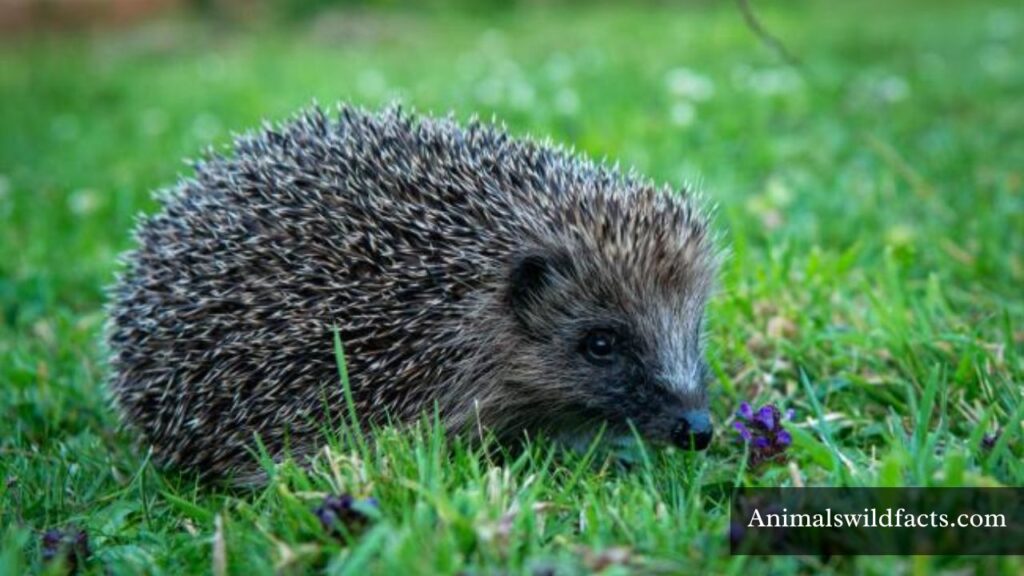
Hedgehogs, often affectionately dubbed the “chubby little warriors” of the animal kingdom, bring a unique charm to the world of wildlife. With their round bodies and spiky exteriors, these delightful creatures captivate our hearts as much as their adorable antics do. Beyond their endearing appearance, hedgehogs showcase fascinating adaptations, such as their ability to curl into a protective ball, transforming themselves into little living pincushions. This defensive mechanism is not just a quirky feature; it is essential for their survival in the wild, allowing them to evade predators with surprising efficiency.
Elephants
Class: Mammalia
Diet: Herbivore
Elephants, often celebrated for their size and intelligence, embody a profound sense of connection to the earth with their robust, chubby forms. These magnificent creatures possess a unique charm not just in their appearance, but also in their social behaviors. Living in matriarchal herds, they exhibit empathy and strong familial bonds, which reveal that their bulk is more than mere physicality; it signifies the weight of social responsibility they carry.
Interestingly, the chubby shape of elephants serves practical purposes as well. Their body fat acts as a reserve for energy during dry seasons, and their large ears help regulate body temperature, functioning like natural air conditioners to keep them cool under the scorching sun. This adaptive design highlights nature’s intricate balance, where every aspect of an animal’s form serves a crucial role in its survival.
Persian Cat
Scientific Name: Felis catus
Class: Mammalia
Diet: Carnivore/Omnivore
Persian cats have become the epitome of chubby charm, captivating hearts with their round faces and plush fur. These fluffy companions radiate an aura of royalty and leisure, often draping themselves over cozy spots like little living pillows. Their stocky build and cuddly demeanor make them irresistibly huggable, a living testament to the joy of indulgence.
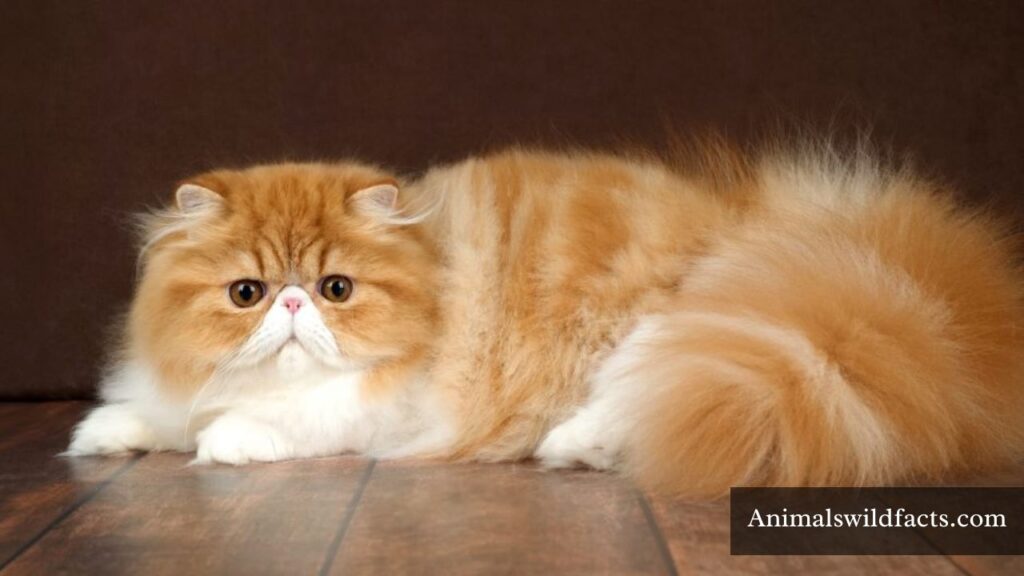
Beyond their adorable appearance, Persian cats embody a unique personality that pairs perfectly with their plump physique. Known for their calm and affectionate nature, they often thrive in serene environments, making them ideal lap companions. Their gentle purring can soothe the most hectic of days, offering a fluffy balm for the soul. However, their laid-back lifestyle can lead to weight issues if not monitored, emphasizing the need for balanced diet and playful engagement to keep them happily plump, rather than overweight.
Gaur
Scientific Name: Bos gaurus
Class: Mammalia
Diet: Herbivore
The gaur, often overshadowed by its more famous bovine cousins, is a remarkable specimen that defies standard size expectations. Known as the Indian bison, this majestic creature boasts a muscular build, with males weighing up to 3,000 pounds, making them the largest wild cattle species in the world. Their stocky, robust stature might be perceived as chubby, but it’s a testament to their incredible adaptability in the rugged terrains of Southeast Asia. Each gaur’s massive frame serves not only as a defense against predators but also as a means of navigating the dense forests and hilly landscapes they call home.
What truly captivates the imagination is their striking appearance — jet-black coats accentuated by a light brown or cream patch on their lower legs and a dramatic, muscular hump at the shoulders. This distinctive silhouette is not merely for aesthetics; it’s an evolutionary advantage, enabling them to thrive in various habitats, from rainforests to grasslands. Social creatures by nature, gaurs often travel in herds, displaying complex social hierarchies that highlight their intelligence and emotional depth.
Sea Lions
Class: Mammalia
Diet: Carnivore
Sea lions, those roly-poly pinnipeds, embody the joyful essence of the ocean’s playful spirit. Often spotted lounging on sunny rocks or frolicking in the surf, these chubby creatures showcase an endearing blend of grace and clumsiness. Their blubbery forms not only serve as insulation against cold waters but also make them incredibly buoyant, allowing for effortless swimming and impressive dives. Observing them in their natural habitat reveals a surprisingly complex social structure, where vocalizations and body language communicate everything from mating calls to territorial disputes.
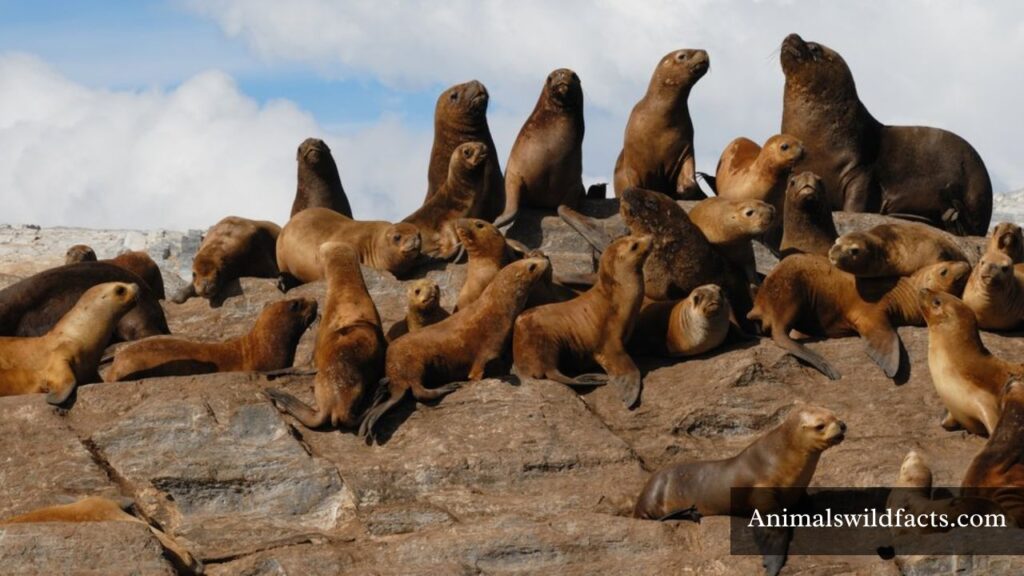
One fascinating aspect of sea lions is their intelligence. Not only do they master skills in the wild, but they also thrive in human care, participating in fun training sessions that highlight their problem-solving abilities. Unlike many other marine mammals, sea lions can rotate their hind flippers, enabling them to walk on land with a waddling gait that adds to their charm. This adaptability gives them a unique edge among their kin, allowing them to seamlessly shift between the ocean and the rocky shores.
Capybara
Scientific Name: Hydrochoerus hydrochaeris
Class: Mammalia
Diet: Herbivore
Capybaras, often dubbed the “gentle giants” of the rodent world, boast an undeniable charm that captivates animal enthusiasts everywhere. What sets them apart isn’t just their impressive size, reaching up to 150 pounds, but their fascinating social behavior. These sociable creatures thrive in groups, showcasing a level of camaraderie that can rival that of some primates. Watching them interact — grooming each other or sunbathing in synchronized bliss — offers a heartwarming glimpse into their tight-knit family structures.
Beyond their endearing personalities, capybaras are extraordinary in their adaptability. Native to the wetlands of South America, these semi-aquatic mammals possess unique features that allow them to thrive both in water and on land. Their webbed feet make them excellent swimmers, enabling them to escape predators with grace. Furthermore, their herbivorous diet consists largely of grasses and aquatic plants, showcasing an ability to utilize their environment in a sustainable manner. As they nibble their way through marshlands, they play a vital role in maintaining the health of their ecosystem, often accelerating the growth of surrounding flora.
Polar Bears
Scientific Name: Ursus maritimus
Class: Mammalia
Diet: Carnivore
Polar bears, often seen as the epitome of strength and resilience, have a surprisingly cuddly side that captivates our hearts. These majestic creatures, with their thick layers of blubber and fur, are built not just to survive the harsh Arctic environment but to convey an undeniable charm. Their hefty build serves a vital purpose — insulation against frigid temperatures and energy reserves for times when food is scarce. However, this “chubbiness” also reflects a more profound connection to their habitat; as climate change diminishes their icy home, the challenges they face remind us of our responsibility to protect these remarkable beings.
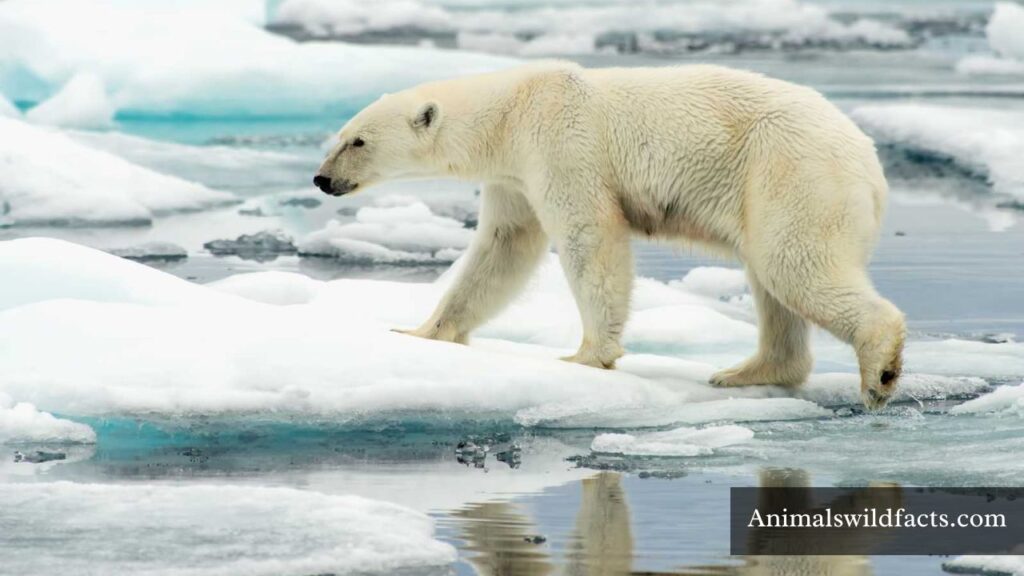
Observing polar bears in the wild reveals more than just their physical prowess; it offers a glimpse into their complex behavior and social dynamics. Mothers are incredibly nurturing, often seen playfully rolling in the snow with their cubs, showcasing a tender side that contrasts starkly with their fierce predatory nature. This duality highlights an endearing aspect of their survival — while they are formidable hunters, their familial bonds are essential for the cubs’ survival in a rapidly changing ecosystem.
Red Panda
Scientific Name: Ailurus fulgens
Class: Mammalia
Diet: Herbivore
The red panda, with its striking rust-colored fur and adorably round face, often captivates our hearts. These chubby, tree-dwelling mammals are not just charming to look at; they possess a unique set of adaptations that make them fascinating. Unlike their more famous cousins, the giant panda, red pandas primarily thrive on a diet of bamboo, yet they are early risers and frequent foragers, transitioning between a herbivorous and, occasionally, an insectivore diet for crucial nutrients.
Beyond their diet, red pandas are remarkable for their playful antics and social behaviors. Their penchant for rolling around in the grass and climbing trees adds a layer of dynamism to their already endearing frames. Their social structure is quite solitary; however, they communicate effectively through a series of whistles, twitters, and even a sneeze-like sound. This rich communication hints at a complexity in their social behavior, revealing that beneath those cuddly exteriors lies a vibrant personality.
Moreover, the conservation status of red pandas is a pressing concern, as habitat loss and climate change threaten their existence. Supporting red panda conservation not only ensures the survival of this charming creature but also helps maintain the ecological balance within their mountainous habitats. By engaging with red panda conservation efforts, we can all play a part in securing a future where these delightful animals continue to thrive in the wild.
Wombat
Scientific Name: Vombatus ursinus
Class: Mammalia
Diet: Herbivore
Wombats, with their stocky bodies and adorable faces, are nature’s cuddly tanks. These marsupials exhibit a fascinating blend of charm and practicality, possessing a unique evolutionary adaptation: cube-shaped poos! This peculiar trait is not just for show; it helps mark their territory without rolling away, showcasing the wondrous engineering of nature. Their burrowing lifestyle, characterized by deep underground tunnels, highlights their ability to thrive in harsh Australian environments, making them both resilient and intriguing.
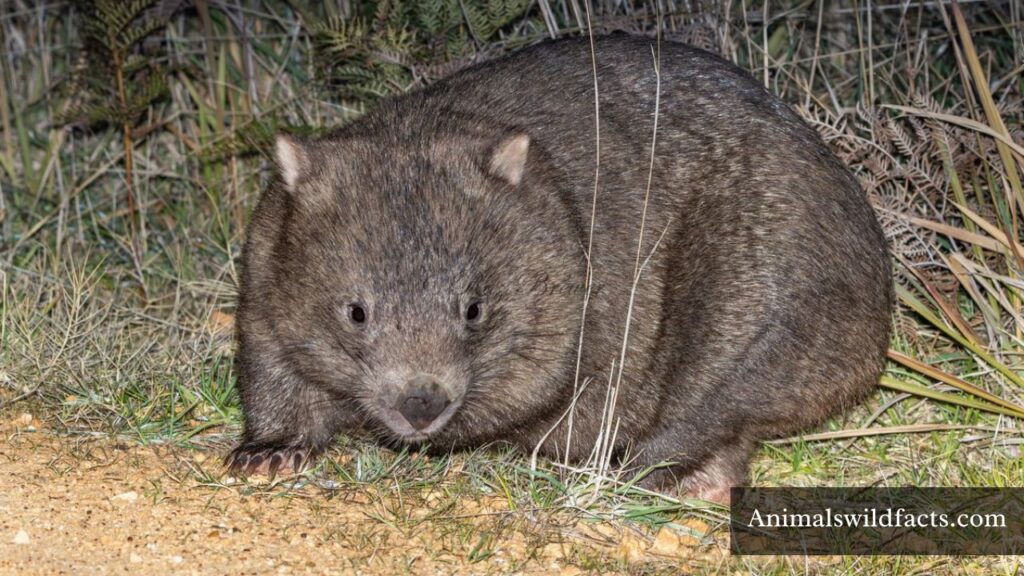
Beyond their physical attributes, wombats display intriguing social behaviors, often forming bonds within family groups. Surprisingly, these creatures are primarily nocturnal, evoking curiosity about their secretive activities under the cover of night. As ecosystems face challenges from climate change and habitat loss, wombats serve as critical indicators of environmental health, reminding us of the interconnectedness of all species. Whether clumsily waddling through the bush or basking in the sun, these lovable creatures inspire admiration and underscore the importance of wildlife conservation.
Sea Otter
Scientific Name: Enhydra lutris
Class: Mammalia
Diet: Carnivore
Sea otters, often dubbed the “fluffy water dogs of the ocean,” are a delightful sight as they frolic through kelp forests and float on their backs, showcasing their unmistakable chubby silhouettes. These adorable marine mammals boast the densest fur in the animal kingdom — up to a million strands per square inch! This luxurious coat not only keeps them warm in frigid waters but also reflects their unique adaptation to a life spent hunting for food rather than relying on blubber like other marine mammals.
What truly sets sea otters apart, however, is their impressive tool-using ability. They often use rocks to crack open hard-shelled prey like sea urchins, demonstrating a level of intelligence and resourcefulness that’s both captivating and efficient.
Hamster
Class: Mammalia
Diet: Omnivore
Hamsters, often seen as the quintessential pocket pets, embody an adorable chubbiness that stirs an innate sense of joy. Their plump little bodies can often be attributed to their cheek pouches, which are not just a quirky feature; they allow these tiny creatures to hoard food and explore their environment. Watching a hamster stuff its cheeks until they resemble little furry balloons is not just entertaining; it’s a glimpse into their instinctual behaviors, reminiscent of survival tactics in the wild. This endearing characteristic serves as a daily reminder of how adaptations can manifest in delightful ways.
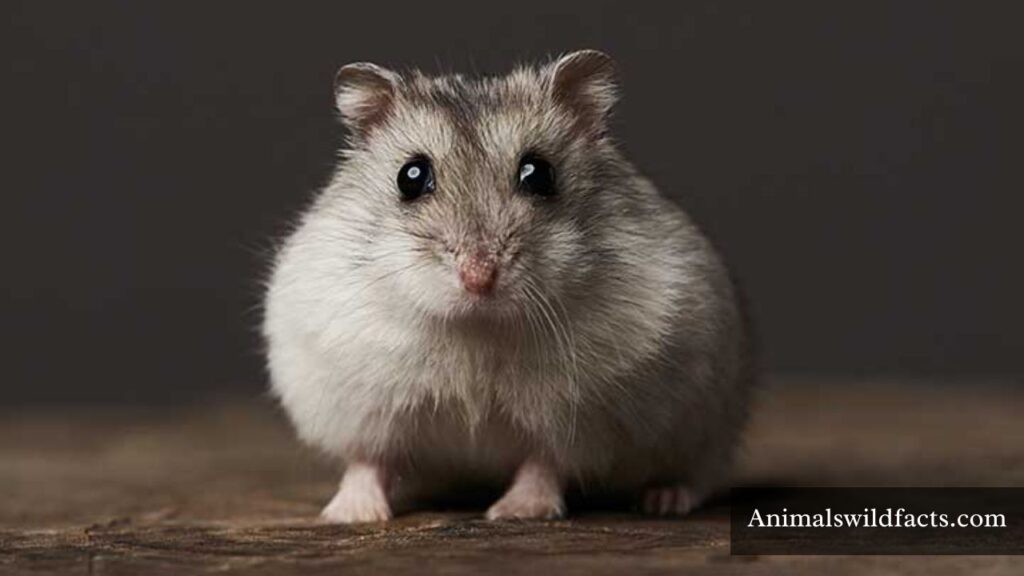
Beyond their physical charm, chubby hamsters bring a wealth of personality into our homes. Their curious nature and playful antics create a lively atmosphere, often amusing their human companions. Whether they are sprinting on a wheel or burrowing through bedding, each movement resonates with their boundless energy. The combination of their rotund appearance and spirited behavior fosters an environment where compassion and joy intertwine, resonating with pet owners.
Penguin
Class: Aves
Diet: Carnivore
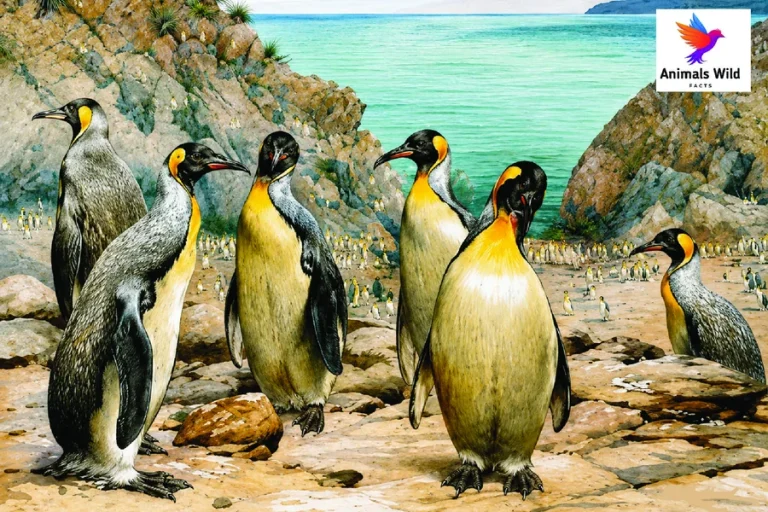
The charm of chubby penguins lies not just in their adorable waddle, but also in their extraordinary adaptations to harsh environments. Their round bodies, covered in a thick layer of blubber and waterproof feathers, are engineering marvels, allowing them to thrive in frigid temperatures. Unlike many other birds, penguins have evolved to prioritize insulation over aerodynamic form, giving them that delightful rotundity that can melt anyone’s heart.
Beyond their physical appeal, these chubby creatures exhibit fascinating social dynamics. Emperor penguins, for instance, are known for their extraordinary parenting behaviors. Males endure the harsh Antarctic winter while incubating eggs, balancing them on their feet and keeping them warm — a commitment that showcases not only resilience but also a deep bond forged in adversity. Observing these interactions offers a poignant glimpse into the complexities of penguin society, rooted in collective survival and nurturance amidst one of the planet’s most unforgiving landscapes.
Chubby penguins serve as critical indicators of climate health. Their dependency on stable sea ice for breeding and feeding exposes the fragile balance of their ecosystem. As temperatures rise and ice melts, these delightful creatures remind us of the importance of environmental stewardship. Supporting penguin conservation efforts is essential, ensuring that we preserve not only their chubby silhouettes but the rich habits and ecosystems they represent.
Readmore: Explore Top 20 Most Docile Animals in the World.
Conclusion
The world of chubby animals is not only fascinating but also crucial for understanding ecological balance and biodiversity. These delightful creatures captivate us with their unique traits and playful demeanor, serving as a reminder of the importance of every species in our ecosystem. As we celebrate their charm, we should also be mindful of the challenges many of these animals face due to habitat loss and climate change. By raising awareness and participating in conservation efforts, we can help ensure that our planet remains a haven for these adorable inhabitants. Let’s embrace the joy chubby animals bring us and commit to protecting their futures.
FAQs
What is the chubbiest animal in the world?
The blue whale is often considered the chubbiest animal in the world. Weighing up to 200 tons and reaching lengths of over 100 feet, these massive creatures are the largest animals to ever exist. Their thick layers of blubber help insulate them in cold waters and provide energy reserves.
What animals are naturally chubby?
Several animals are naturally chubby due to their genetics and adaptations. Some well-known examples include the panda and the walrus. Pandas have a diet rich in bamboo, which keeps them plump and cuddly, while walruses build up fat reserves to insulate themselves in cold waters. Other naturally chubby animals include the hippo, which has a thick layer of blubber, and the puffin, known for its rounded body and large beak.
What is the fluffiest animal ever?
The fluffiest animal is often considered to be the Angora rabbit. Known for its incredibly soft and long fur, these rabbits can have fur that grows up to 12 inches in length. Their fluffy coats make them look like walking clouds, and they require regular grooming to keep from matting.