
What Makes Online Gaming a Growing Global Industry
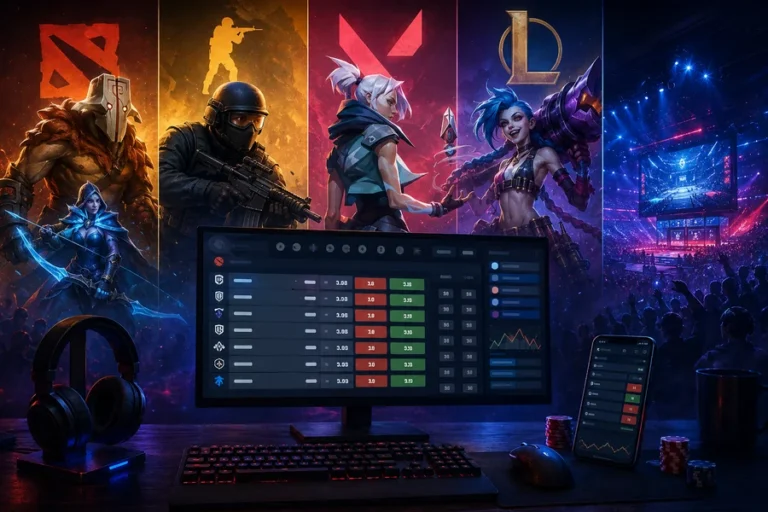
Online gaming has grown from a modest entertainment in niche to a major global business. Today, millions of people are playing games on their smartphones, computer, tablet and console devices daily. With improved internet connectivity, cheap device and new gaming platforms, people from various countries can participate more easily. The industry also covers many types of experiences, from casual mobile games and competitive esports to platforms connected with terms such as Slot gacor. As technology continues to improve, online gaming is reaching larger audiences and creating new business opportunities around the world.
The booming arena of online gaming has not been sparked by a single reason. There is a growing importance of technology, social interaction, shifting consumer behavior and enhanced access to digital technologies. Gaming has also grown to be more associated with streaming, online communities, competitions, and digital entertainment. All these changes combined account for the ongoing expansion of the sector in various markets.
Better Technology Is Making Gaming More Accessible
Technology is one of the best drivers in the expansion of the online gaming industry. Advances in Internet connectivity have enabled players to experience gaming without lag time and interruptions. Advancements in mobile networks, home broadband, and cloud technology have also enabled users to play more sophisticated games, without the need for only bulky equipment.
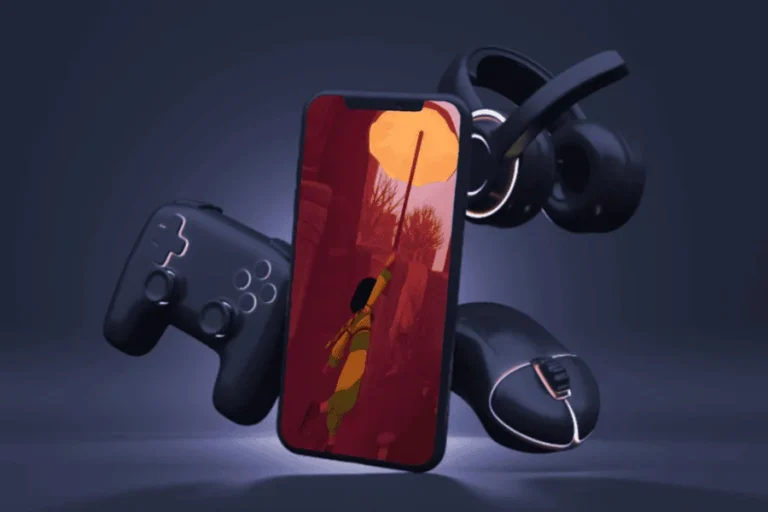
The impact of smart phones has been particularly significant. Many of the games played online needed a special console or gaming computer. Nowadays, many games can be played directly on cell phones. This implies that someone can play whilst traveling, whilst on holiday, or when taking a break during the day.
Game developers are also developing games that are compatible with the various devices. Cross-platform gaming enables individuals to play and engage with one another in the same digital space, regardless of whether they are gaming on a computer, console or mobile device. This eliminates some of the obstacles between different groups of players.
Cloud gaming could also make the game more accessible. Cloud services can process games remotely and stream them over the internet, instead of storing large games on a device. With these services becoming more advanced, more people can make it to challenging games without having to buy expensive equipment.
Mobile Gaming Has Expanded the Global Audience
The game market has evolved and expanded in terms of size due to the advent of mobile gaming. Game companies have the ability to access players who are not necessarily game console owners, thanks to the proliferation of smartphones in both developed and emerging markets.
There are numerous mobile games that are easy to play. They’re quick to download and can be mastered in a matter of minutes on how to control the basic systems. This easy-to-play method can draw in individuals that do not think of themselves as traditional gamers.
The diversity of mobile games also helps boost industry growth. There are puzzles, sports, strategy, racing, social and many others. There are various types of games that resonate better with different age groups and interests, making online gaming applicable to a wide audience.
Flexible business models have also been introduced by mobile platforms. A few games are free to download, and they profit from advertising or extra digital transactions. Others offer subscriptions or pay-for access. The various models enable developers to target different market segments and their preferences for how they spend money.
Playing games and the mobile devices themselves are already a part of daily life, so games can seamlessly fit into people’s lives. This convenience has contributed to making online gaming a ubiquitous form of digital recreation over an activity confined to hardcore gaming enthusiasts.
Online Communities Keep Players Engaged
The social aspect of online gaming is being increasingly embraced. There are many games now which offer multiplayer options, chat capabilities, ranking systems, teams, and common events. The features enable players to communicate with friends or connect with other individuals who have comparable interests.
The social aspect can help make users a more frequent player. The design or gameplay may draw players to a game in the first place, but friendships and communities created around the game can draw them back in as well.
Streaming platforms and social media have strengthened this effect. Players can watch gaming broadcasts, follow creators, discuss strategies, and share highlights with large online communities. Some users also explore different entertainment categories and gaming-related platforms associated with terms such as Slot while browsing the wider online gaming space.
Competitive gaming has also helped to develop stronger communities. Online tournaments enable the players to validate their capabilities with other players without having to be physically located with one another. For higher levels, people can watch big games and professional teams.
These communities are supported by regular updates, seasonal events, new features and limited time challenges by the game developers. Many companies are now developing games to be used as a digital service rather than releasing a game and then leaving it untouched. This will provide players with additional motivation to play for longer durations.
New Business Models Are Driving Industry Revenue
There are various ways of generating revenue in online gaming, and that assists companies to create different types of businesses. In addition to traditional game purchases, there are subscriptions, downloadable content, advertising, in-game purchases, and digital marketplaces.
Subscription gaming services are more prominent now because they provide players with libraries of games for a subscription fee. This model could generate steady income for businesses, and at the same time give users a chance to play a variety of games without the need for individual purchases.
Another key aspect of the market are in-game purchases. Some games have the option to purchase cosmetics, character upgrades, additional content, or other optional digital features. With proper management, these systems enable the continuous updates and new content of games.
Advertising also has a role in generating income, notably for mobile games. As players can play for free without paying, it can attract big audiences. From there, the developers so can generate revenue from ads that appear while playing.
The industry also produces jobs other than in game development. The gaming economy involves participation from esports organizations, streaming platforms, hardware manufacturers, marketing firms, content creators, and software providers. This broader environment is a key contributor to the significance of online gaming in the global digital landscape.
Esports and Streaming Have Increased Mainstream Interest
The online gaming industry is no longer a place for playing games. The viewing of others’ play has also become a primary pastime. The streaming platforms enable people to view live games, tutorials, competitions, reviews, and gaming discussions.
This has led to opportunities for professional players and content creators. They have large audiences due to regular broadcast sessions, or some create a large audience by creating educational content or entertaining content. These creators can reach to individuals that are unlikely to find these games by means of standard marketing.
Esports has also played a role in increasing the recognition of online gaming. Professional competitions may feature organized teams, sponsors, coaches, commentators, and large-scale events. In some cases, the sport is played internationally, and interest in it is created like in traditional sports competition.
The combination of gaming and entertainment has opened new marketing opportunities. Companies can sponsor tournaments, collaborate with creators, promote during streams, and establish partnerships with gaming organizations. These activities attract more investments to the industry.
Popular games also get extended life with streaming. A title can stay on the radar for years after it’s created as creators keep creating content around it. It is this continuous exposure that can keep developers reaching new users well after the launch date.
Global Connectivity Creates New Markets
One of the other reasons for the growth of online gaming is that it can span across geographical boundaries. With digital distribution, developers can get their games out to many countries without relying solely on physical stores.
This has become an important part of the process of localization. Menu, dialogue, instructions and support materials can be translated for various regions by the developers. Other companies also adjust prices, payment methods and game content to cater to local markets.
Emerging economies offer great opportunities, as Internet access, as well as smartphone ownership, keeps growing in these regions. As more people are able to have a secure digital connection, there are more people who can participate.
The global connectivity enables communities of players to become international. Players can play in the same online spaces from different countries, cooperate and communicate. This makes for experiences that would have been hard to come by in the pre-Internet era.
Meanwhile, businesses need to familiarize themselves with regional laws, payment methods, cultural nuances, and expectations. Companies that are able to adjust to the local market can make the most of the industry’s future growth.
Final Thought
The online gaming industry is expanding into a vast global industry due to its technology, entertainment, social, and digital business model. Internet connectivity has improved and people have more smart phones now, making games more accessible, and multiplayer and online communities have kept people engaged.
New opportunities for companies to reach players and make money have emerged with mobile gaming, esports, streaming, subscriptions, and digital marketplaces. Meanwhile, technology makes it possible for developers to go into markets that they previously had a hard time entering.
As technology evolves and players’ expectations shift, the future of online gaming hinges on the adaptability of players and the ability of companies to meet their needs. With the rapid development of the gaming industry and the constant advancement of technology, it is clear that gaming is a significant component of the entertainment industry for years to come.