Buying Land to Keep Animals: What to Know Before You Sign
The barn looked perfect in the listing photos. You then visit in March, the back pasture is a shin-deep sheet of mud, the fence line disappears into what turns out to be the neighbor’s property, and the seller mentions almost in passing that the county caps livestock at two animals per acre. That distance, between the picture in your head and the property that has to hold real animals, is where a lot of first-time buyers get caught.
Keeping horses, goats, a few sheep, or a backyard flock on your own place is a good life. It’s also a real estate decision wearing an animal decision’s clothes, and the two don’t run on the same logic. Sort these things out before you fall for a listing.
How Much Room Do the Animals Need?
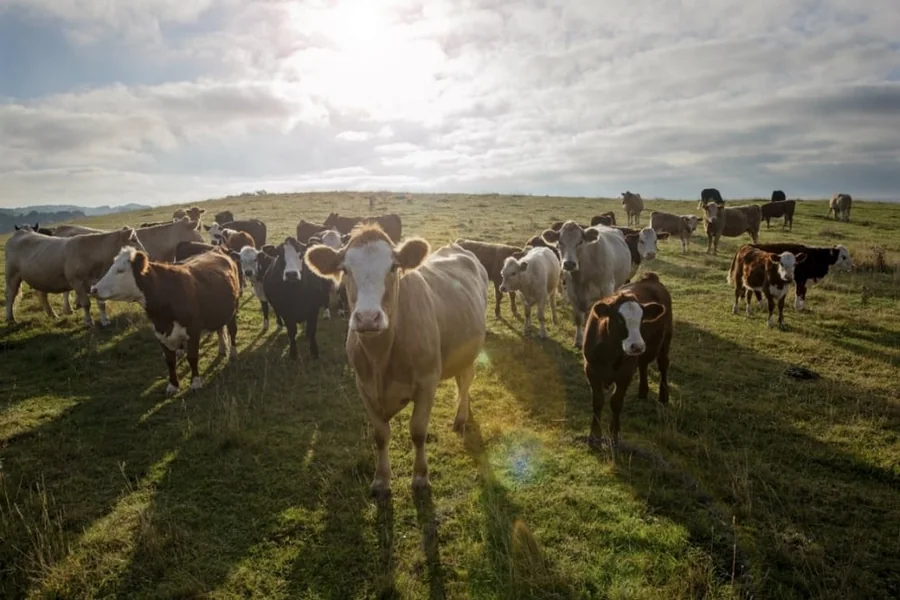
The rough rule for horses runs one to two acres per animal if you want them grazing instead of living off hay you haul in. Goats and sheep need far less, and chickens need almost nothing by comparison. Raw acreage still won’t tell you the whole story. Pasture you rotate so the grass can recover will carry more animals than the same ground grazed flat, while land that floods, sits in shade, or grows the wrong plants carries fewer.
Plan around the herd you’ll want in five years. A place that fits one horse gets tight once a companion animal arrives, which, if you’ve kept horses, you already know it will. And remember that animals put out about as much as they take in. Manure piles up faster than people expect, and where you can legally store or spread it ties back to the same setback rules that govern the barn.
Don’t Avoid Zoning
This is the one that ends dreams after closing. A parcel can look rural and still be zoned to ban or limit livestock. Rules run wild from one county to the next: a minimum lot size per animal in one place, a required setback between the barn or manure pile and the property line in another. Some counties allow horses while drawing a hard line at “farm animals,” which can drop goats and pigs on the wrong side of a rule you never knew existed.
Homeowners associations and old deed restrictions pile on another layer, and they can be stricter than the county. Before you make an offer, call the local planning or zoning office and ask plainly what you can keep, how many, and what permits a barn or run-in shelter would need. Get the answer in writing. A friendly voice on the phone can be wrong about the ordinance, and only the written version protects you at closing. While you have someone on the line, ask about agricultural assessment too. In many states, keeping animals or farming a minimum acreage qualifies the land for a lower tax valuation, though the rules and the paperwork vary a lot from one county to the next.
Water, Fencing, and What the Ground Can Carry
Animals need water every day, which sounds obvious until you’re dragging a hose two hundred feet in January. Find out whether the property runs on a well or municipal supply, whether water already reaches the barn, and what it would cost to get it there if it doesn’t. In cold countries, add the cost of keeping that water from freezing, since a heated trough or a tank de-icer needs power to run out to wherever the animals drink.
Soil and drainage decide whether your pasture is grass or mud for half the year, and mud does real damage. It wrecks hooves and breeds parasites, and it turns every chore into a slog. Walk the low spots, and ask where the water goes after a hard rain.
Fencing and shelter are the other big line items. Good fencing is expensive, and the cheap kind gets more expensive the first time an animal walks through it. Grazing land itself isn’t free either. The USDA’s Land Values 2024 Summary, released in August 2024, put the average value of U.S. pasture at $1,830 per acre, and that figure is before you’ve strung a single fence post or dug a water line.
Inspect the Barn Carefully
Buyers walk through the house with a checklist and then glance at the barn like it’s a bonus. Flip that. An existing barn is expensive to repair and expensive to replace, so it earns the harder look. Check the roof, the footing in the stalls, and whether the electrical work was done by an electrician or by a previous owner with more confidence than training. Old barn wiring next to hay and bedding is a fire risk, and it belongs at the top of your repair list.
Look at how hay and feed would be stored, and whether you can actually back a truck or trailer up to where you’d unload it. Ask what each outbuilding was used for, because a shed built for equipment rarely makes safe housing for an animal without real work. If a structure clearly needs it, price that work while you’re still deciding what the property is worth. Do it before the offer, when the number can still change your mind.
The Financials Are Vital
To most lenders, a place with a barn and a few acres is still a home purchase, and that catches people off guard. When the house is where you’ll actually live and the land is modest, a conventional mortgage usually covers the whole thing. National lenders such as SoFi offer home loans for that kind of primary-residence buy.
The math shifts once the property gets bigger or starts earning money. A working farm, or acreage well past what a normal house sits on, can push you toward a USDA loan, a Farm Credit System lender, or a dedicated agricultural mortgage, each with its own definition of what counts as your home versus your business. Appraisals get difficult, since the value of outbuildings and raw land doesn’t always fit the tidy comparisons lenders lean on for suburban houses.
No matter what route you take, budget past the purchase price. Fencing, shelter, water, and the first season of feed add up quickly, and they tend to land in the same few months you’re settling into a new mortgage.
Walk It During Poor Weather Conditions
The best due diligence is boring and physical. Go more than once, and try to catch the property on an ugly day. A place looks like a different property in a cold rain than it does on a bright afternoon with the listing agent smiling in the driveway. While you’re there, check the things that are expensive to fix later:
- Where standing water collects after a storm, and how close that is to where the animals would live
- Whether the access road holds up when it’s wet, or turns into a rut you can’t get a feed delivery down
- How the well runs, and whether the flow is enough for a household plus livestock
- How far you are from a large-animal vet, a farrier, and a feed store, because distance gets real at 6 a.m. with a sick animal
Talk to the neighbors if you can. People already keeping animals nearby will tell you in five minutes what a seller never will.
Endnote
The land is what you live with for years, long after the closing check clears. Buy the place that can carry the life you keep picturing. Those listing photos were shot in June, when every fence line looks willing and the pasture runs green, so go stand on the property in a cold March rain and trust what you see then.