Do Porcupines Live In Georgia?
Did you know that porcupines are one of North America’s most intriguing creatures, yet their presence in certain states can be quite shocking? In this article, we delve into the question: Do porcupines live in Georgia? Understanding the habitats of these fascinating animals not only enriches our knowledge of local wildlife but also highlights the importance of conservation efforts. By the end of this piece, you’ll gain insights into the distribution of porcupines, their roles in ecosystems, and where you might spot them in the Peach State.
Do Porcupines Live In Georgia?
Scientific name: Hystricidae (Old World porcupines) / Erethizontidae (New World porcupines)
Class: Mammalia
Diet: Herbivorous
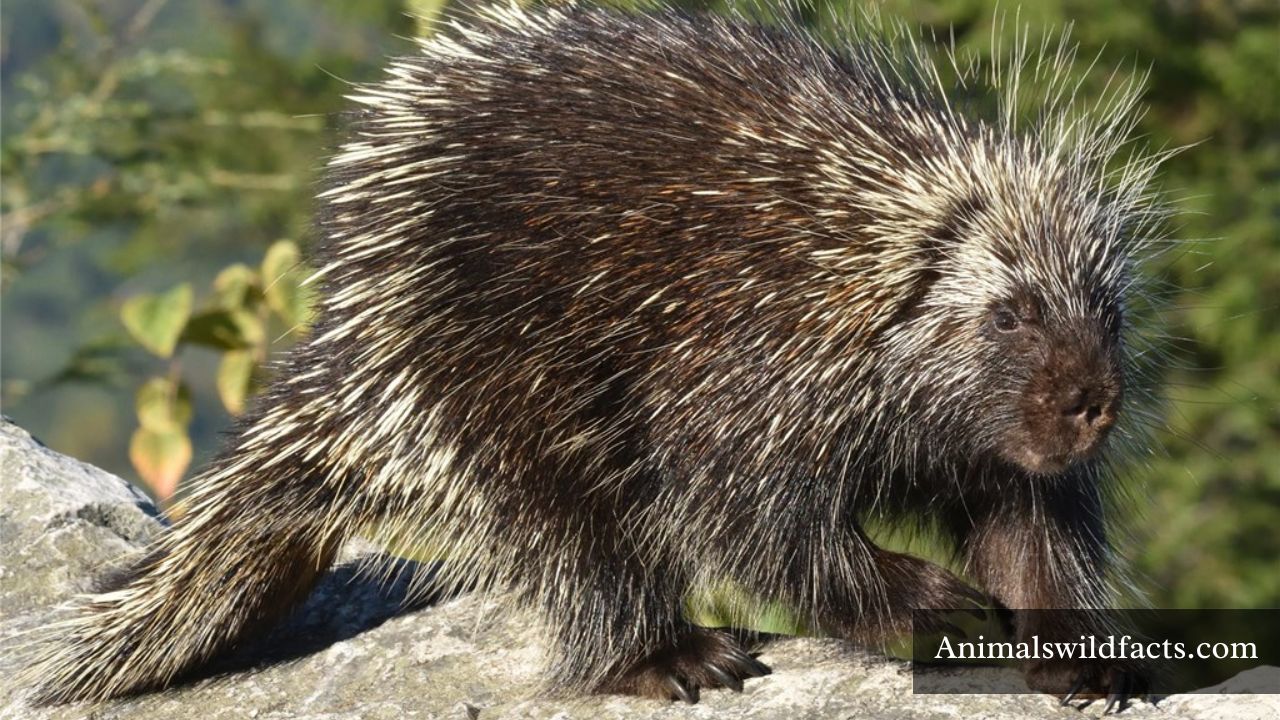
Porcupines in Georgia? Surprisingly, yes! While commonly associated with the northern regions of the U.S., these intriguing creatures have been migrating southward and establishing populations in Georgia, particularly in the northern areas where dense forests offer ample food and cover. The river valleys and mountainous terrains of the state provide an ideal habitat for these nocturnal herbivores, allowing them to thrived largely unnoticed.

Interestingly, Georgia’s porcupine population has sparked a renewed interest in the state’s biodiversity. These prickly mammals contribute to forest health by feeding on bark, foliage, and roots, acting as natural gardeners of their ecosystems. Moreover, their unique quill defense mechanism ignites curiosity among wildlife enthusiasts and researchers alike, prompting discussions about adaptation and survival in changing environments. As these fascinating creatures become a more common sight, understanding their role can deepen our appreciation for Georgia’s rich wildlife tapestry.
Where To Find Porcupines In Georgia?
Porcupines are often elusive creatures, but in Georgia, certain habitats are particularly promising for spotting these fascinating animals. They tend to favor mixed hardwood forests, especially around areas with abundant vegetation. Look for them in regions like the north Georgia foothills, where they can often be seen navigating the dense underbrush or munching on tree bark — especially pine trees. In addition to wooded areas, porcupines can be spotted near water sources, as they require hydration and enjoy munching on aquatic plants.
For the most fruitful adventure, time your search during dawn or dusk when porcupines are most active. National forests such as the Chattahoochee and Oconee offer ample opportunities, with well-maintained trails that weave through their preferred habitats. Bring along binoculars and remain patient; the thrill of encountering a porcupine in the wild, with its remarkable quills and cautious demeanor, can be a deeply rewarding experience. Consider planning trips during cooler seasons, as porcupines may be less active during the sweltering summer months.
What States Do Porcupines Live In?
Porcupines are fascinating creatures found throughout North America, predominantly in wooded areas and regions with abundant vegetation. In the United States, they inhabit a wide range of states, from the dense forests of the Northeast to the arid regions of the West. Notable states include Maine, where the population thrives in the lush, deciduous forests, and California, where they roam the mountainous terrains of the Sierra Nevada.

Interestingly, porcupines are quite adaptable and can be spotted in a variety of environments, including swamps and deserts. While traditionally associated with colder climates, these shy mammals have been making their way into urban areas, finding refuge in park landscapes and gardens. Alaska and parts of northern Minnesota represent their furthest reaches into the frigid expanse, showcasing their resilience. With their unique ability to thrive in diverse ecosystems, porcupines remind us of the richness of wildlife across America and the importance of preserving these habitats for generations to come.
You can also read: Explore Top 11 Animals With Quills.
Can A Porcupine Hurt You?
Porcupines, often misunderstood creatures of the wild, wield a unique defense mechanism: their quills. While it’s easy to imagine a porcupine launching its quills like arrows in a desperate bid for survival, the reality is more nuanced. They can only release their quills when touched or threatened, and it’s important to understand that they won’t hurl them as projectiles from a distance. Thus, a curious encounter usually ends in discretion rather than disaster.
What’s fascinating is the way porcupines communicate their discomfort. When feeling threatened, they often resort to bluffing rather than aggression, displaying their quilled backs and making little effort to chase or harm potential intruders. However, for pets or unsuspecting humans who get too close, the risk of a painful quill injury is real. The quills can embed deep into skin, causing pain and potential infection if not treated properly. So, while a porcupine isn’t out to harm you, it certainly possesses the capacity to create an unfortunate incident if boundaries are crossed. Understanding this delicate balance between avoidance and defense can enhance our appreciation for these remarkable animals.
What To Do If A Porcupine Is In Your Yard?
Finding a porcupine in your yard can be surprising, but it’s important to remember that these creatures prefer to avoid humans whenever possible. If you spot one, the first step is to keep your distance. Porcupines are known for their defensive quills, which can easily cause harm if they feel threatened. Observe the porcupine’s behavior from afar; they’re often just passing through or nibbling on your garden.

To encourage the porcupine to leave, consider creating an inviting path for it to exit. Clear away any food sources that might be attracting it, such as fallen fruit or accessible garden plants. Also, securing your trash and compost can prevent future visits. If the porcupine persists, you might need to contact local wildlife control for safe relocation options. Understanding the role these creatures play in the ecosystem can foster a sense of respect, turning a potentially bothersome encounter into an opportunity for appreciation of nature’s unique inhabitants.
Readmore: Are there badgers in Maine?
Final Thoughts
Porcupines do inhabit Georgia, where they flourish in wooded and rural areas. Their intriguing behavior and physical traits make them a captivating subject for nature enthusiasts. Understanding their role in the environment is essential for conservation efforts and promoting biodiversity. Whether you’re hiking through the Chattahoochee National Forest or simply enjoying a day in your backyard, take a moment to learn more about these remarkable creatures. Let’s work together to protect the porcupines and the habitats that support them!
FAQs
Are there porcupines in Georgia?
Yes, there are porcupines in Georgia, although they’re not as common as in some other regions. They typically inhabit wooded areas and can sometimes be found in mixed conifer and hardwood forests. These nocturnal creatures are more likely to be encountered in the northern parts of the state.
What is the rarest animal in Georgia?
The rarest animal in Georgia is the red-cockaded woodpecker. This small, black-and-white bird is known for its distinctive markings, including a small patch of red on the male’s head. Once widespread, its population has dwindled due to habitat loss, mainly from logging and development.
Are there any predators in Georgia?
Yes, Georgia is home to several predators. Notable ones include the Eastern coyote, which has adapted well to various habitats across the state. They primarily hunt small mammals but can also take down larger prey when necessary. Other significant predators are bobcats and black bears. Bobcats are elusive and typically hunt alone, preying on rabbits and rodents. Black bears, while often scavengers, can also hunt smaller animals and are more commonly seen in the mountainous regions.
What is the most common animal in Georgia?
The most common animal in Georgia is the white-tailed deer. These deer are prevalent throughout the state, thriving in various habitats, from forests to rural areas.