Black and White Cow: Is It Really a Holstein? The Answer Surprises Most People
You see a black and white cow in a field and think you know what it is. Most people say Holstein. They are often right. But not always.
A black and white cow is usually a Holstein Friesian. This is the top dairy breed in the world. Other breeds share the same colors though. Some are raised for milk. Others are raised for meat. A few are kept for looks and grazing.
This guide breaks it all down. You will learn how to spot each breed. You will see the facts on milk output. You will also get basic care and quick answers to common questions.
What Is a Black and White Cow?
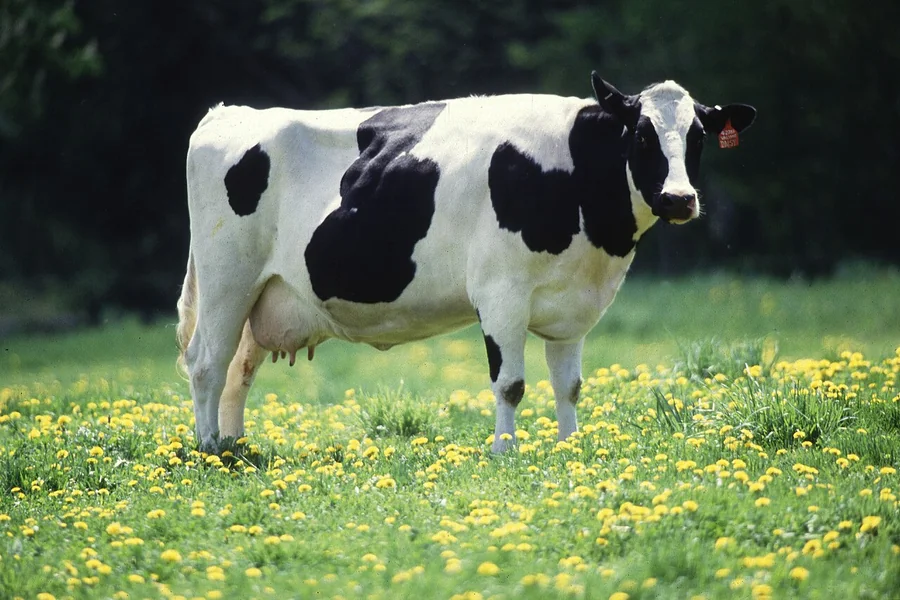
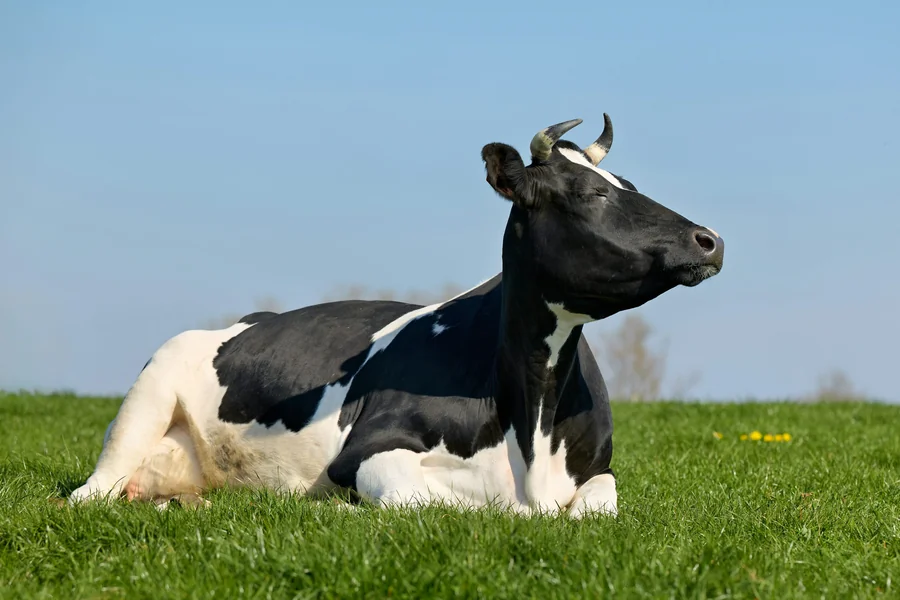
A black and white cow is most often a Holstein Friesian dairy cow. Holsteins have large black patches on a white coat. Each pattern is unique. Other black and white cattle include the Dutch Belted and the Belted Galloway. Both have a white band around the middle.
Here is the short list:
- Holstein Friesian: the most common black and white cow
- Dutch Belted: black with a white belt
- Belted Galloway: shaggy coat and a white belt
- Black Baldy: black body with a white face
What Makes a Black and White Cow Stand Out?
The coat is the first clue. Black patches sit on white. The pattern looks like a map. No two cows match.
Farmers use this to their advantage. They sketch the pattern or take photos. That way they can tell each cow apart in a big herd. It works like a fingerprint.
The colors also help with ID at a glance. A black and white cow in a pasture is easy to see from far away. That helps with herd checks.
Holstein Friesian: The Most Common Black and White Cow
The Holstein Friesian started in the Netherlands and northern Germany. Farmers there bred cows for high milk yield. The breed later spread across Europe. It reached North America in the 1800s.
Today it is the main dairy breed in many countries. In the United States it makes up the large majority of dairy herds. Many sources put the figure near 90 percent.
Key Holstein Facts
| Feature | Details |
| Origin | Netherlands and northern Germany |
| Main use | Milk production |
| Adult weight | About 1,500 pounds (680 kg) |
| Height at shoulder | About 58 inches (147 cm) |
| Coat | Black and white patches |
| Calf birth weight | About 90 pounds (41 kg) |
| Gestation | About 283 days |
| Temperament | Calm and easy to handle |
Holsteins are tall and lean. They have a deep body and a wide frame. That frame holds a large udder. This is the reason they produce so much milk.
How Much Milk Does a Black and White Cow Give?
This is the part that sets the Holstein apart. It leads all other dairy breeds in volume.
A top Holstein can produce over 20,000 pounds of milk in a year. That is roughly 2,300 gallons. Many herds average even higher. Output depends on feed and health. Care and genetics also matter.
Milk Output by Dairy Breed
| Breed | Typical Color | Milk Volume | Butterfat Level |
| Holstein | Black and white | Highest | Lower |
| Jersey | Light brown | Medium | Highest |
| Ayrshire | Red and white | Medium to high | Medium |
| Guernsey | Gold and white | Medium | High |
| Brown Swiss | Brown | Medium to high | Medium |
Holstein milk has less fat than Jersey milk. But the volume makes up for it. That is why large dairies choose this breed.
Other Black and White Cattle Breeds You Should Know
Not every black and white cow gives milk. Some breeds look similar but serve a different purpose. Here is how to tell them apart.
Dutch Belted
This breed comes from the Netherlands. It has a black coat with a clean white band around the middle. The band runs from shoulder to hip. It is a rare breed today. Farmers keep it for milk and for heritage reasons.
Belted Galloway
This one comes from Scotland. People call it the “Belties.” It has a thick and shaggy coat. That coat handles cold and wet weather well. It is raised for beef. It also does well on rough pasture.
Black Baldy
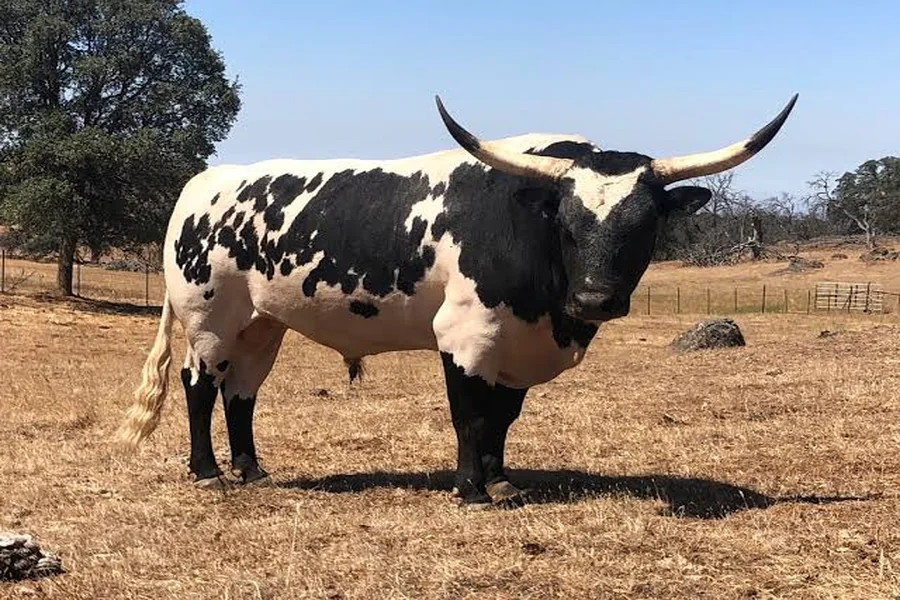
This is not a pure breed. It is a cross. Breeders mate a Hereford with a black breed like Angus. The calf is black with a white face. Beef producers like this cross for steady growth.
Comparison: Black and White Cattle
| Breed | Pattern | Main Use | Size |
| Holstein | Large patches | Dairy | Large |
| Dutch Belted | White belt on black | Dairy | Medium |
| Belted Galloway | White belt, shaggy coat | Beef | Medium |
| Black Baldy | Black with white face | Beef | Medium to large |
Black and White Cow vs Brown Cow: Does Color Change the Milk?
No. Chocolate milk does not come from brown cows. This myth spreads a lot. Milk is white from every breed.
Color has no link to the taste or the type of milk. Breed affects the fat and protein levels. Diet affects the flavor. The coat does not matter.
Why Do Cows Have Black and White Patches?
The coat color comes from genes. Two types of pigment decide the color. One makes black. The other makes red. In Holsteins the black pigment wins most of the time.
White patches come from a spotting gene. It blocks pigment in some areas. That leaves the white parts. The size and shape of each patch are random.
Some Holsteins carry a red gene. These calves are red and white. They are called Red Holsteins. They are less common but fully part of the breed.
How Long Does a Black and White Cow Live?
A Holstein can live up to 20 years. That is rare on a dairy farm. Most dairy cows leave the herd earlier. They often go after four to six years of milk work. The strain of heavy milk output wears the body down.
Cows kept as pets or in sanctuaries live much longer. Good care adds years. This includes proper feed and clean housing. Regular vet checks also help.
What Does a Black and White Cow Eat?
A dairy cow eats a lot. A Holstein can eat up to 100 pounds of feed each day. This includes the water content in fresh feed.
The diet usually includes:
- Forage: grass and hay
- Silage: fermented corn or grass
- Grain: corn, barley or soy
- Minerals: salt and calcium
- Water: 30 to 50 gallons a day
Water is key. A cow that drinks less gives less milk. Clean water should always be within reach.
Basic Care Tips for a Black and White Cow
The principles are the same whether you are a farmer or have a small herd. Cows prefer consistency. This is what it really means.
- Give clean water daily. Inspect troughs daily.
- Provide some shade during summer. Holsteins are more tolerant to cold than they are to heat.
- Keep bedding dry. Horses with wet bedding will develop problems with their hooves and udders.
- Shear hooves according to a schedule. Long hooves will be painful and will cause the animal to limp.
- Watch body condition. For fat cows, feed changes are advised; thin cows should be fed.
- Vaccinate on time. Talk with your veterinarian about a local plan.
- Handle with calm. Cows will remember bad handling.
Heat Stress: The Weak Spot of the Holstein
The Holstein has a cold climate type. This is because of its origin. During warm weather, the cow will have a decreased appetite. Milk output drops. This is not good for breeding either.
On the farm, this is controlled by the use of fans and sprinklers. They also add shade structures. Although some herds are taken to cooler barns. Many farmers in warm areas breed Holsteins with heat-tolerant breeds in these areas.
Fun Facts About the Black and White Cow
- The cow’s eyes can see almost 360 degrees. It can be alerted on the side if there are any threats.
- Cows have friends and best friends. They remain near a handful of herd companions.
- Ruminating cows chew approximately 50-60 times per minute.
- Cows take approximately 8 hours of chewing cud per day.
- Calves of the Holstein breed can stand within an hour after birth.
Final Thoughts
The black and white cow is a more than just a farm picture. It is the backbone of the modern dairy industry. Holstein is the top milk producer. It has a calm nature and is easy to handle.
There are some other black and white breeds to stir things up. The Dutch Belted is a rare heritage. Belted Galloway is strong in cold fields. There’s a job for each one.
If you see a black and white cow, next time, look at the pattern. Check for patches and/or belt. Look at the size and the fur coat. In just a few seconds you will know what you are viewing.
FAQs:
What breed is a black and white cow?
Most often it is a Holstein Friesian. It is the top dairy breed in the world. Other breeds with the same colors include the Dutch Belted and the Belted Galloway.
Are all black and white cows Holsteins?
No. Some are Dutch Belted or Belted Galloway cattle. Others are crossbreeds like the Black Baldy. The pattern helps you tell them apart.
How much milk does a black and white cow produce?
A Holstein can give over 20,000 pounds of milk a year. That is about 2,300 gallons. The exact amount depends on feed and care.
Why is a Holstein black and white?
Two sets of genes control the coat. One decides the pigment. The other creates white patches. The mix gives each cow a unique pattern.
How long do black and white cows live?
They can live up to 20 years. Most dairy Holsteins leave the herd around age four to six. Cows with light workloads live longer.
Is a black and white cow good for milk or meat?
The Holstein is best for milk. Belted Galloways and Black Baldies fit beef production better.
How much does a black and white cow weigh?
A mature Holstein weighs about 1,500 pounds. That equals roughly 680 kg. Bulls are heavier.
Do black and white cows have the same pattern?
No. Each cow has its own pattern. It works like a human fingerprint.