Top 18 Mischievous Animals In The World (With Images)
Did you know that some animals possess a knack for mischief that rivals even the most cunning of humans? From stealing snacks to playing pranks, mischievous animals in the world showcase behaviors that are both entertaining and thought-provoking. In this article, we’ll explore the most notorious troublemakers of the animal kingdom and delve into the fascinating reasons behind their antics. By the end, you’ll gain insights into how such behaviors contribute to their survival and adaptability in the wild.
List of Mischievous Animals In The World
Below is the list of mischievous animals:
| Number of Animals | Names of Animals that are Mischievous |
| 1 | Capuchins |
| 2 | Raccoons |
| 3 | Seagulls |
| 4 | Pigs |
| 5 | Elephants |
| 6 | Chimpanzees |
| 7 | Ravens |
| 8 | Macaques |
| 9 | Dogs |
| 10 | Goats |
| 11 | Squirrels |
| 12 | Bears |
| 13 | Ferrets |
| 14 | Dolphins |
| 15 | Otters |
| 16 | Coyotes |
| 17 | Crows |
| 18 | Cats |
Capuchins
Class: Mammalia
Diet: Omnivore
Capuchin monkeys are the quintessential tricksters of the animal kingdom, renowned not just for their agility but also for their sharp intelligence and quirky behaviors. Their knack for mischief can be observed in their social interactions, where they deftly manipulate their surroundings and fellow primates. For instance, capuchins often engage in playful antics, stealing food or toys from each other, showcasing a level of cunning that often leaves observers in amused disbelief. This playfulness serves a dual purpose: it strengthens social bonds within their groups and hones their problem-solving skills.
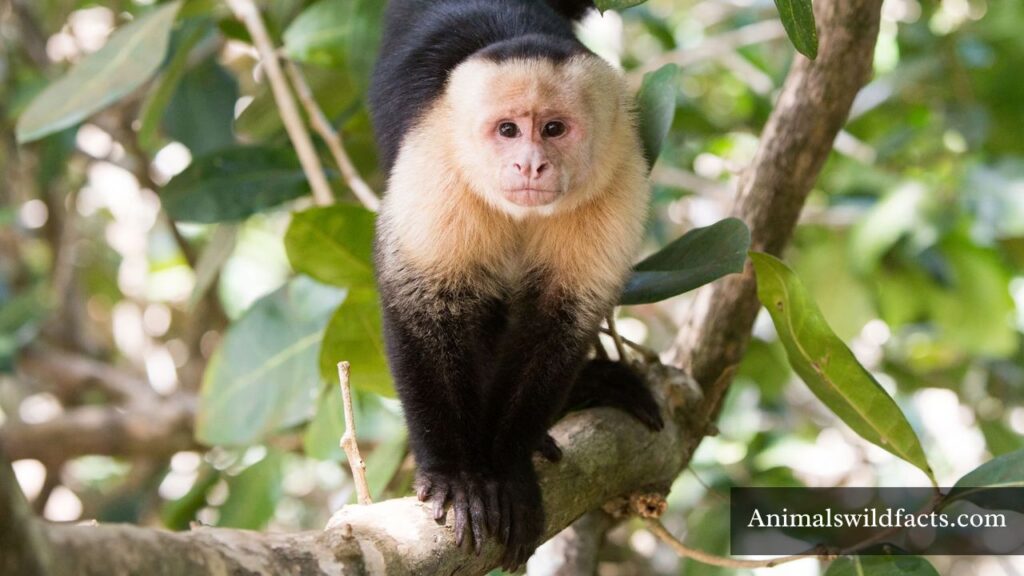
Beyond their playful nature, capuchins have an impressive tool-using ability. They’ve been seen using stones to crack nuts, demonstrating a blend of cognitive functioning and creativity that reveals a deeper layer of their mischief. This intelligence means that when they devise plans to outsmart fellow monkeys, they’re not just acting on instinct but engaging in strategic thinking. Their efforts to get attention or resources often turn into small performances that captivate both their peers and onlookers, reminding us that these creatures are not only playful but also incredibly complex.
Raccoons
Scientific Name: Procyon lotor
Class: Mammalia
Diet: Omnivore
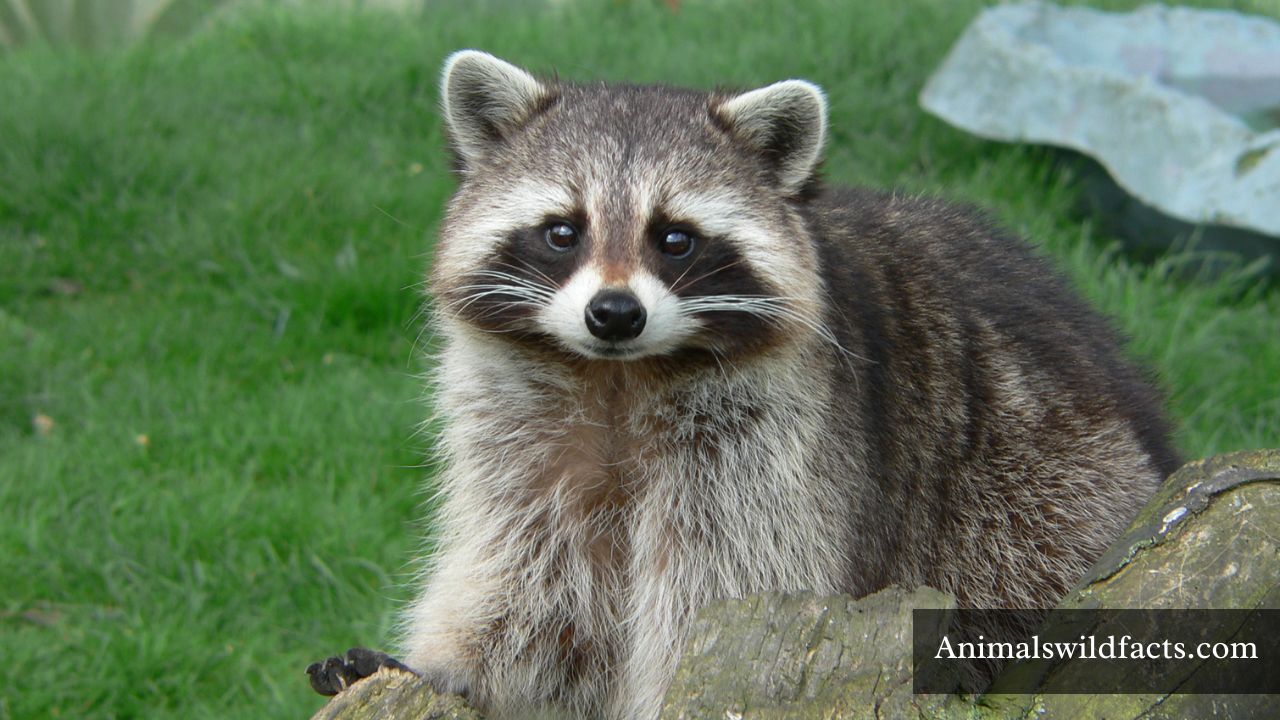
Raccoons are often dubbed nature’s little bandits, and for good reason. Their dexterous paws and clever minds make them masters of mischief, as they effortlessly navigate urban environments in search of food and adventure. These nocturnal creatures exhibit a level of curiosity that can rival that of toddlers; they can open latches, unscrew jars, and even manipulate complex garbage can mechanisms. The infamous raccoon rummaging through your trash isn’t just a nuisance; it’s a testament to their intelligence and adaptability.
Beyond their reputation for mischief, raccoons possess an intriguing social structure. They communicate through a range of vocalizations, from chattering to purring, showcasing a complex social life. In groups, they engage in playful antics, like mock fighting and chasing, which helps strengthen their bonds. Observing these interactions can completely shift one’s perspective of raccoons from mere pests to surprisingly sophisticated social creatures, reminding us that beneath every playful facade lies a world of intricate behaviors waiting to be appreciated.
Seagulls
Class: Aves
Diet: Omnivore
Seagulls are not just the masterful aerial acrobats of the coastlines; they are also the quintessential tricksters of the animal kingdom. Their seemingly endless curiosity drives them to explore human environments, leading to increasingly audacious antics. From snatching unattended fries from beachgoers to diving for snacks from unsuspecting picnic tables, these feathered bandits epitomize resourcefulness and cunning.
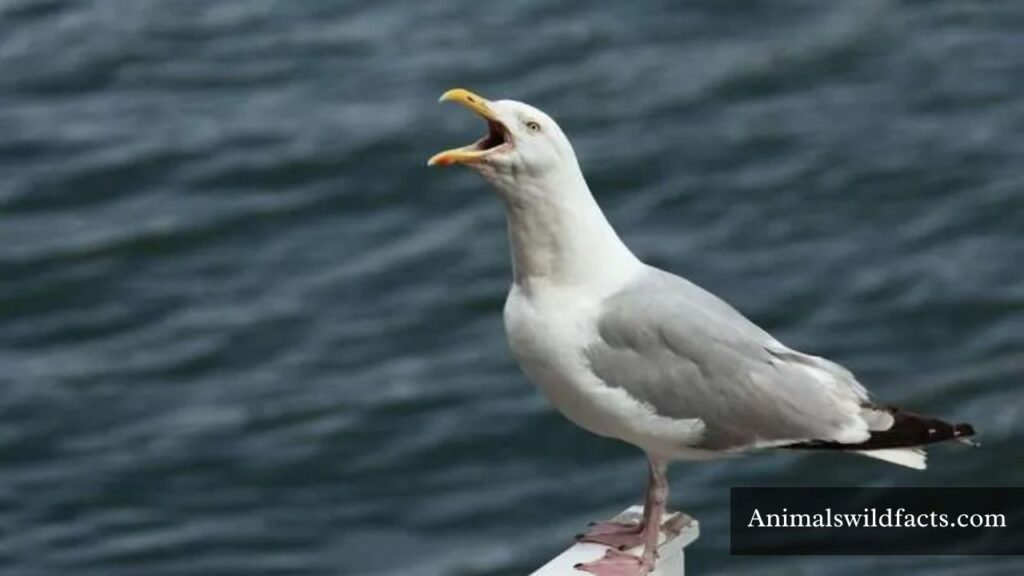
What makes seagulls particularly fascinating is their ability to adapt their tactics based on local circumstances. In urban settings, they often team up, employing a “distraction strategy” where one gull swoops down to divert attention while others make off with the prize. This cooperative behavior showcases their intelligence and social dynamics, compelling us to reconsider our perceptions of these “simple” birds. Every encounter with these playful scavengers is an invitation to witness a unique blend of survival instinct and playful mischief, reminding us that sometimes, the most delightful surprises come from the unlikeliest of sources.
Pigs
Scientific Name: Sus scrofa domesticus
Class: Mammalia
Diet: Omnivore
Pigs are often branded as dirty animals, but a deeper look reveals their playful and mischievous nature, which can be both fascinating and endearing. In the wild, pigs exhibit playful behavior that mimics a child at play; they will roll in mud not only for insulation but also for sheer joy. Observers have reported pigs playing hide-and-seek among the underbrush, showcasing their intelligence and curiosity as they explore their surroundings, rooting for hidden treasures and occasionally startling their companions with unexpected antics.
Farm pigs, too, are known for their clever predicaments, often outsmarting both humans and other animals. They can learn to open gates, leading to not just an escape but a mini-rebellion as they embark on impromptu adventures through fields and barns. Their dexterous snouts are perfect tools for mischief, as they rummage through hay bales for the best snacks while leaving trails of chaos in their wake. This enigmatic charm makes pigs not just farm residents but genuine personalities, each with their own quirks and whims that can turn an ordinary day into an extraordinary tale.
Elephants
Scientific Name for African elephant: Loxodonta africana
Scientific Name for Asian elephant: Elephas maximus
Class: Mammalia
Diet: Herbivore
Elephants are not only known for their remarkable size and intelligence but also for their playful and often mischievous behavior. In the wild, these gentle giants engage in antics that showcase their curiosity and sense of fun. For instance, elephants have been observed splashing water on each other during mud baths, effectively turning a simple cleansing ritual into a lively game. Their playful nature also extends to stealing branches from nearby trees to create their own makeshift toys, demonstrating a creativity that rivals that of many human children.
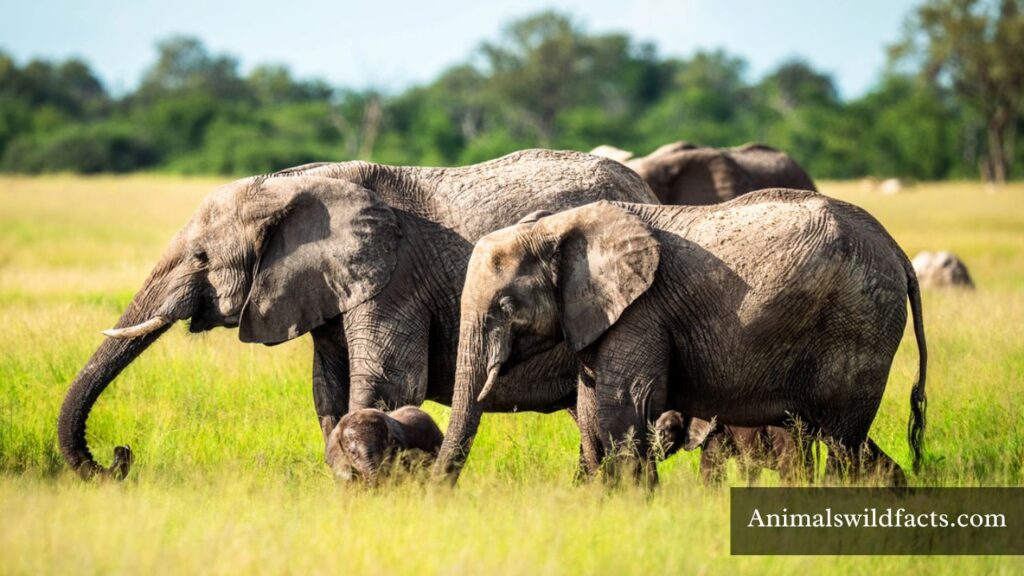
The social dynamics within elephant herds further highlight their mischievous traits. Young elephants often engage in what can be best described as playful bullying, sneaking up on older relatives or peers to jostle them and provoke a chase. This playful behavior serves not only as entertainment but also plays a crucial role in establishing social bonds and hierarchies within the herd.
Chimpanzees
Scientific Name: Pan troglodytes
Class: Mammalia
Diet: Omnivore
Chimpanzees, our closest relatives in the animal kingdom, are renowned for their playful and often mischievous behavior. These intelligent primates exhibit a remarkable sense of curiosity, often leading them into amusing and unexpected situations. In the wild, they’ve been observed stealing tools from each other and hoarding food, showcasing their cleverness in problem-solving and resource management. Imagine stumbling upon a troop of chimps playing a raucous game of ‘tag,’ where they deftly dodge tree branches while playfully tugging at each other’s tails!
What sets chimpanzees apart is their complex social structure, which thrives on cooperation and, yes, a dash of cheekiness. They engage in elaborate play that often includes mock fighting or cooperative food-sharing games, reinforcing bonds while maintaining an air of lightheartedness. Some researchers have even noted that these chimps can display a sense of humor, engaging in behaviors that elicit laughter in their companions. This playful nature not only captivates onlookers but also sheds light on their cognitive abilities, revealing a world where mischief plays a crucial role in social learning and emotional expression.
Ravens
Scientific Name: Corvus corax
Class: Aves
Diet: Omnivore
Ravens, often heralded as symbols of wisdom and mystery, showcase a mischievous side that can surprise even the most seasoned animal lovers. These clever birds are known for their remarkable problem-solving skills, often devising elaborate schemes to outsmart their surroundings — and sometimes, even humans. For instance, researchers have observed ravens using tools, like sticks, to dig out insects, demonstrating an intelligence that rivals that of some primates. Their playful antics, such as sliding down snow-covered rooftops or playing games with other wildlife, reveal a joyful side that belies their enigmatic reputation.
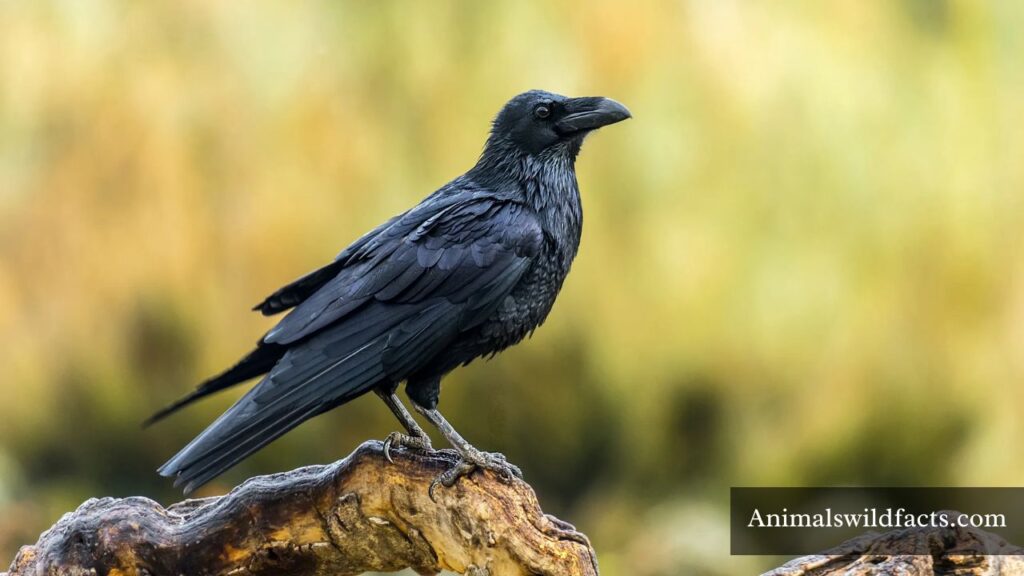
What truly sets ravens apart in the animal kingdom is their knack for creating bonds and playing pranks. They’ve been documented stealing shiny objects, including jewelry and keys, to entice interest from unsuspecting humans. These antics not only reflect their curiosity but also highlight their social intelligence — they often communicate these mischievous behaviors to their peers, creating a network of shared experiences. Observing a raven in action is to witness a masterclass in cunning and creativity, making them one of nature’s most fascinating tricksters.
Macaques
Scientific Name: Macaca
Class: Mammalia
Diet: Omnivore
Macaques are often portrayed as the cheeky troublemakers of the animal kingdom, displaying a remarkable blend of intelligence and playfulness that captivates observers. Their antics, from stealing food in tourist hotspots to engaging in playful brawls with each other, reveal a sophisticated social structure that thrives on interaction and mischief. These primates, particularly the Japanese macaques, show a unique penchant for adapting their behaviors to human environments, almost as if they relish in the challenge of outsmarting their human counterparts.
What’s particularly fascinating is how macaques use mischief as a way to establish social hierarchies and strengthen bonds within their groups. Their playful skirmishes and thefts are not merely acts of chaos; they are laden with social significance, acting as both a form of communication and a means to assert dominance. This playful strategy allows them to navigate complex relationships, making them not just adorable troublemakers but also key players in their ecosystems.
Dogs
Scientific Name: Canis lupus familiaris
Class: Mammalia
Diet: Omnivore / Carnivore-leaning
Dogs, often hailed as man’s best friend, possess a playful spirit that can quickly morph into delightful mischief. From stealing socks to staging elaborate food heists, their antics reveal a keen intelligence paired with an unyielding curiosity. One moment, they’re adorably guilty with a chewed-up shoe, and the next, they charm their way back into our hearts with their irresistible puppy eyes. It’s as if they understand the comedic value of their actions, turning everyday mischief into a spectacle of hilarity.
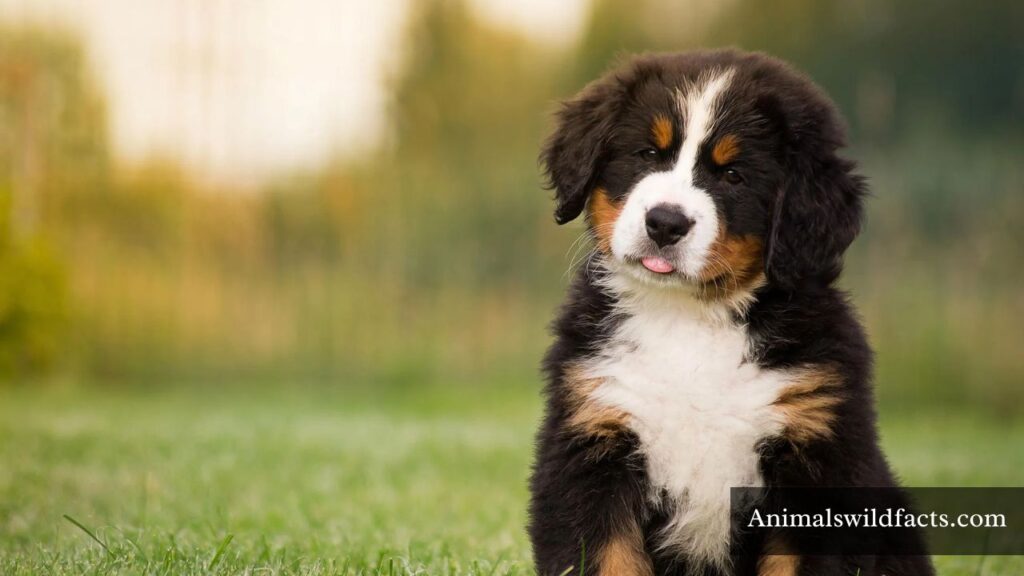
Interestingly, the root of this behavior traces back to their ancestral hunting instincts. In the wild, playful behavior helps young dogs develop the skills necessary for survival, including stealth and agility. This instinct, coupled with their desire for companionship and engaging play, renders them natural-born tricksters at home. So, the next time your dog buries a toy in the garden or sneakily snags a treat, remember that these mischievous moments are more than just playful antics — they’re a window into an ancient lineage, reminding us of the shared joy found in life’s simple pleasures.
Goats
Scientific Name: Capra aegagrus hircus
Class: Mammalia
Diet: Herbivore
Goats, often perceived as humble farm animals, possess an astute sense of mischief that can easily turn any serene landscape into a comedy show. Their insatiable curiosity and playful nature lead them to explore every nook and cranny, often getting into places they shouldn’t be. From climbing trees to scaling roofs, these nimble creatures challenge our perceptions of boundaries. A goat’s ability to scale surprisingly steep inclines doesn’t just provide a thrilling spectacle; it symbolizes their adventurous spirit and relentless pursuit of exploration.
Moreover, goats aren’t just mischief-makers; they’re also social masterminds. Their playful antics can often be a group effort, showcasing their intelligence and cunning. It’s fascinating to watch them scheme, collaborating to reach higher hay bales or unfasten gates. This social structure and playful behavior illustrate that goats engage in more than just survival — they thrive on the joy of interaction and playfulness, reminding us of the importance of community in the animal kingdom.
Squirrels
Scientific Name: Sciuridae
Class: Mammalia
Diet: Omnivore
Squirrels, often seen darting across parks and backyards, are nature’s little tricksters. With their fluffy tails and sharp wits, these agile mammals display a level of mischief that goes well beyond simply stealing birdseed. Researchers have discovered that squirrels engage in a playful form of deception — hiding their food while pretending to bury it in different spots to throw off potential thieves. This “deceptive caching” showcases not only their cunning but also an understanding of their rivals’ behavior, revealing a complex layer of animal intelligence.
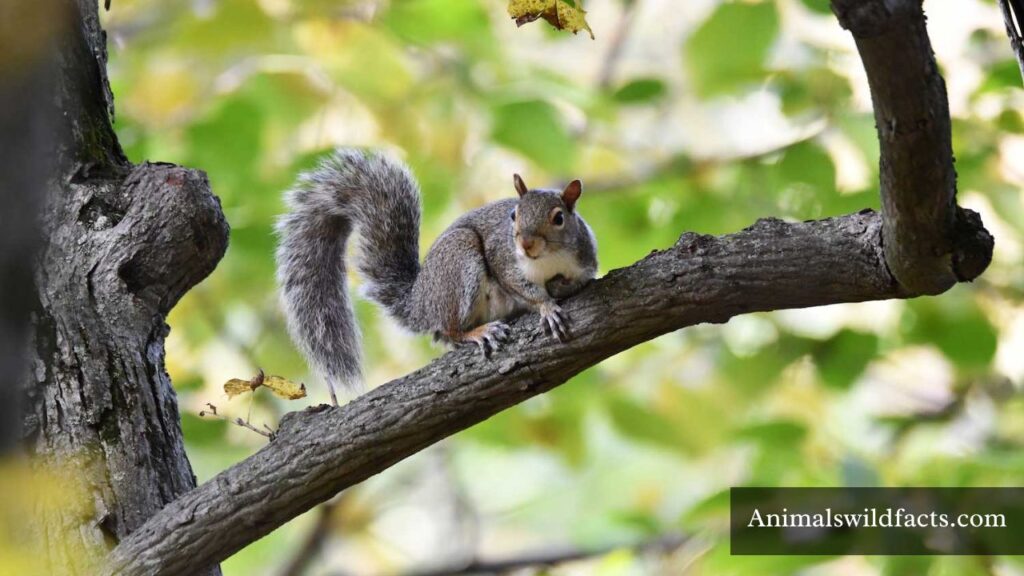
Observing these agile creatures can feel like watching a whimsical performance. Their acrobatic stunts are not just for show; they serve practical purposes, helping squirrels navigate obstacles, escape predators, and even impress potential mates. Moreover, different squirrel species exhibit unique forms of mischief. For instance, tree squirrels are adept climbers, using their skills to steal from hummingbird feeders, while ground squirrels create elaborate underground burrows that can trick predators into thinking they’ve scurried away. Each act of mischief contributes not just to their survival but to an ongoing narrative of adaptability and playful cunning in the wild.
Bears
Scientific Name: Ursidae
Class: Mammalia
Diet: Omnivore
Bears are more than just formidable creatures of the wild; they are also crafty pranksters that often captivate our imagination. Known for their impressive strength, it’s easy to overlook their playful side. In national parks, unsuspecting tourists can find themselves in comical predicaments as bears skillfully unchain food coolers or flip picnic tables with surprising dexterity. Each clumsy but calculated move highlights their intelligence and adaptability in urban settings, often leading to amusing encounters that blur the lines between mischief and survival.
Beyond their antics, bears also display unique behaviors that charm observers, such as their tendency to roll in dirt or snow. This ritual not only serves to cool their bodies but can also be viewed as a playful display, almost akin to children frolicking in the park. Moreover, researchers have noted how these seemingly trivial actions foster social bonds among bears; cubs learn through imitation, engaging in mock fights and playful wrestling that ultimately hones their survival skills.
Ferrets
Scientific Name: Mustela putorius furo
Class: Mammalia
Diet: Carnivore
Ferrets, with their sleek bodies and playful antics, are some of the most mischievous creatures on the planet. Known for their insatiable curiosity, these small mammals can transform any space into their personal playground. Encounter a ferret, and you might witness a high-speed chase around furniture, a spirited game of hide-and-seek, or an impressive attempt to access that forbidden snack on the kitchen counter — nothing is off-limits in their quest for adventure. Their playful nature not only brings laughter but also challenges pet owners to ensure their environments are escape-proof.
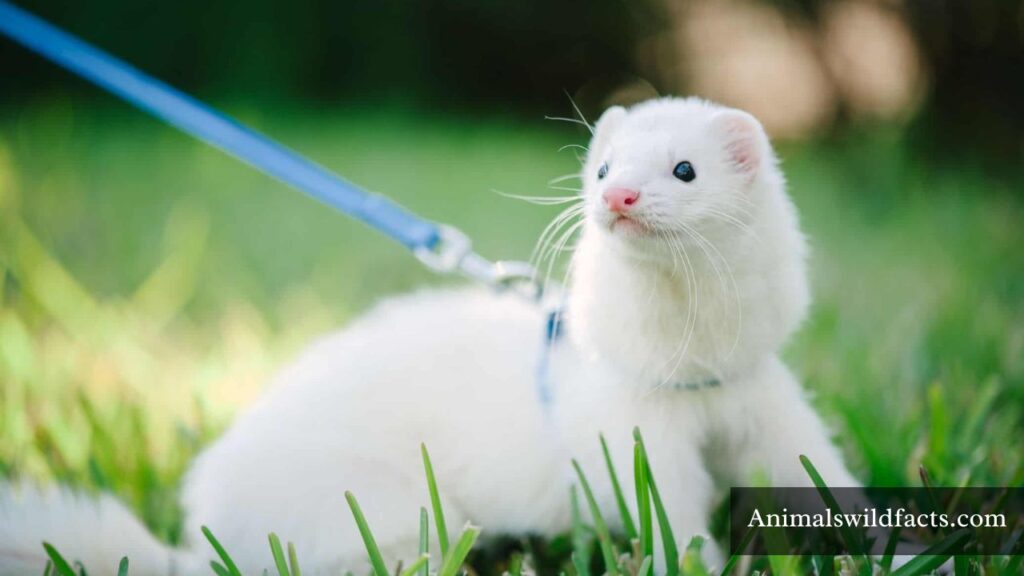
What makes ferrets particularly intriguing is their social intelligence. They thrive in groups, often engaging in complex play that mimics hunting behaviors. This innate cleverness means they often devise cunning strategies to outsmart their humans, whether that’s popping open doors or creating elaborate tunnels from household items. For those looking to connect with these spirited beings, understanding their need for stimulation can lead to a more rewarding relationship.
Dolphins
Scientific Name: Delphinidae
Class: Mammalia
Diet: Carnivore
Dolphins are renowned not just for their intelligence, but also for their playful and mischievous nature. Observers often note how these marine mammals engage in elaborate games, both with each other and with their surroundings. From riding the waves created by boats to playing tug-of-war with seaweed, their antics seem to be an innate expression of joy. This playful behavior isn’t just for fun; it also serves as a crucial social bonding mechanism, strengthening relationships within pods while honing their communication skills.
Interestingly, some studies suggest that dolphins may even possess a sense of humor. There have been documented instances where they tease other marine creatures, such as nibbling at the tails of unsuspecting fish or sneaking up on swimming birds. Such behaviors hint at a level of cognitive complexity and emotional intelligence that is still being explored scientifically. With their acrobatic leaps and spirited whistles, dolphins remind us that mischief is not solely a human trait, but a vibrant part of the natural world.
Otters
Scientific Name: Lutrinae
Class: Mammalia
Diet: Carnivore
Otters are the pranksters of the animal kingdom, known for their playful antics that can delight anyone fortunate enough to witness them. With their sleek bodies and curious nature, these aquatic mammals spend their days sliding down mud or icy slopes, frolicking in the water, and sometimes even using rocks to crack open shellfish. Their playfulness isn’t just for fun; it’s an essential part of social bonding and skill development. Young otters, in particular, learn hunting and survival techniques through these lively interactions, showcasing their intelligence and adaptability.
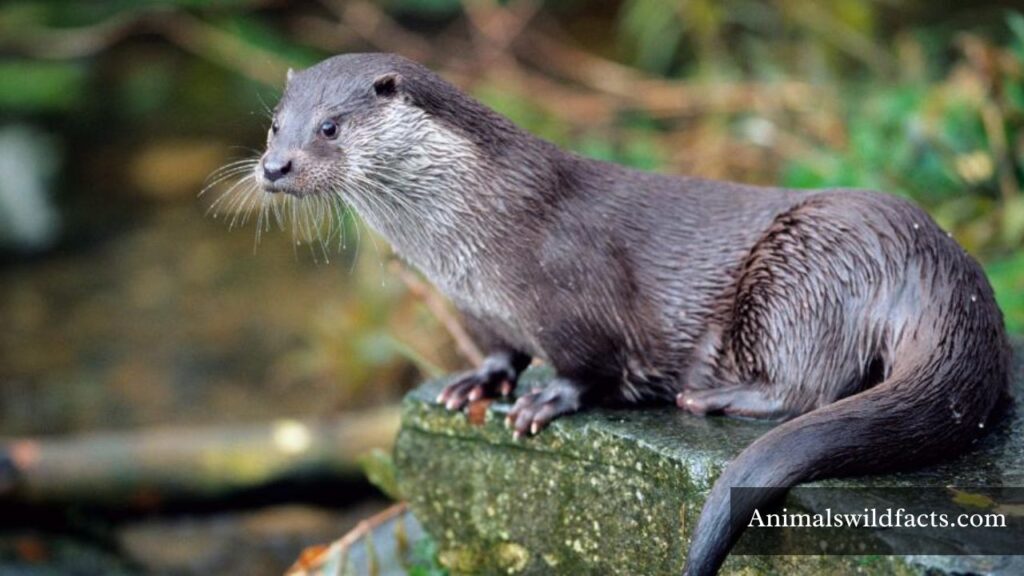
What makes otters truly captivating is their undeniable sense of community. They often engage in synchronized swimming or play games like tug-of-war with kelp, which anchors them as they enjoy the surf. Their social structure adds depth to their mischievous nature, as they will team up to outsmart a predator or steal a snack from an unsuspecting bird. This cooperative behavior highlights a fascinating balance between playfulness and survival, demonstrating that even in the wild, a little mischief can go a long way in strengthening relationships and honing essential skills.
Coyotes
Scientific Name: Canis latrans
Class: Mammalia
Diet: Omnivore
Coyotes are often seen as the tricksters of the animal kingdom, possessing an uncanny ability to adapt and thrive in a variety of environments. These clever canines have developed a humbling yet impressive resilience, often outsmarting human attempts to control their populations. What’s truly fascinating is their social structures; they exhibit a mix of solitary and pack behaviors that showcase an intelligence rivaling that of wolves, yet they are often more versatile in their hunting tactics. Observers note how coyotes can shift their foraging strategies depending on the availability of food, a trait that highlights their ingenuity.
One of their most intriguing behaviors is their sophisticated communication. Coyotes utilize an array of vocalizations, from high-pitched yips to haunting howls, which serve not just to establish territory but to convey detailed messages about their surroundings. Researchers have documented their ability to coordinate hunting efforts, indicating a level of social cooperation that many underestimate. This adaptability and resourcefulness make coyotes exemplary survivors, capable of living in urban settings and utilizing human refuse to their advantage, all while maintaining an air of elusive mystique that keeps them one step ahead of both prey and predator alike.
Crows
Scientific Name: Corvus
Class: Aves
Diet: Omnivore
Crows, often misunderstood as mere scavengers, are some of the most intelligent and mischievous creatures on the planet. These feathered tricksters have a knack for problem-solving that rivals that of primates. Urban environments become their playgrounds, where they play pranks on unsuspecting pedestrians, snatching shiny objects and occasionally teasing dogs and other animals. Their keen ability to remember human faces adds a layer of intrigue, as they often hold grudges against those who threaten them while playing nice with those who feed them.
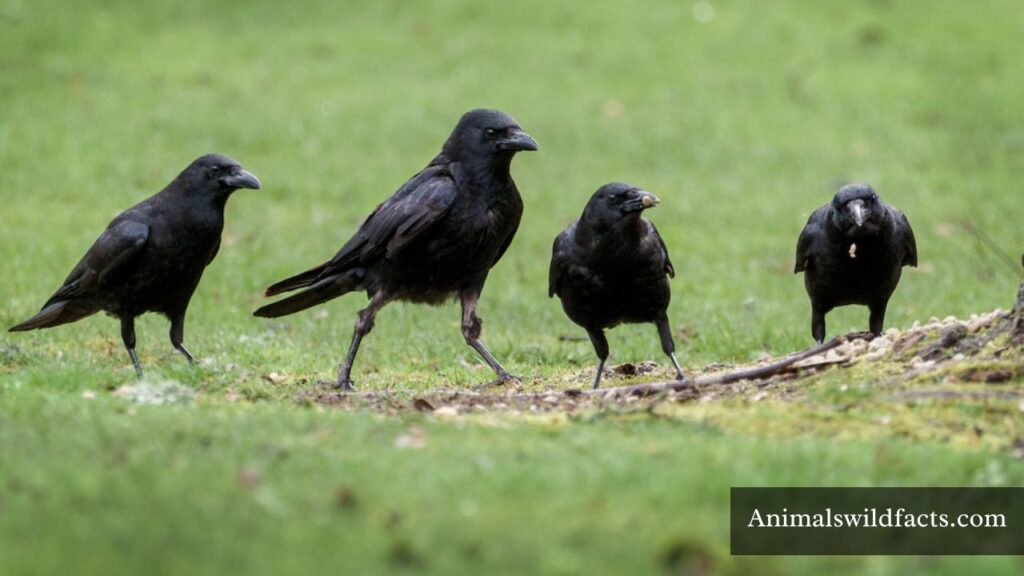
One of the most fascinating aspects of crow behavior is their social organization and communication. When a crow discovers a clever tactic to acquire food, it won’t hesitate to share the trick with its community, ensuring that everyone benefits while also creating a network of clever foragers. This cooperation doesn’t just stop at food; crows display forms of play that include aerial acrobatics and games of chase, highlighting their playful nature.
Cats
Scientific Name: Felis catus
Class: Mammalia
Diet: Obligate Carnivore
Cats, with their enigmatic charms, often exhibit a knack for mischief that both delights and frustrates their human companions. One moment, they’ll be purring softly in your lap, and the next, they’re on a stealthy mission to knock over precious heirlooms or investigate the depths of an open cupboard. This unpredictable behavior is often fueled by their natural instincts; being curious hunters, they possess a relentless drive to explore every nook and cranny, leading to delightful chaos in the home.
Interestingly, a cat’s playful antics can serve as a reflection of its environment. Those that are left to their own devices may engage in more elaborate schemes, such as dismantling houseplants or initiating impromptu racecourses through paper bags. In contrast, cats that are given ample stimulation through toys or interactive play often channel their mischief into more constructive outlets, leading to a happy balance.
Readmore: Explore Top 15 Weakest Animals In The World.
Final Thoughts
Mischievous animals offer a delightful glimpse into the playful spirit of the natural world. Whether it’s the playful antics of otters or the cunning tricks of raccoons, these creatures remind us of the joys of curiosity and exploration. Their behavior often challenges our perceptions of intelligence and community within the animal kingdom. As we learn more about these playful species, we can foster a greater appreciation for wildlife and the environments they inhabit. Let’s cherish and protect these mischievous beings that bring laughter to our lives and encourage others to explore the wonders of nature.
FAQs
What animals are mischievous?
Many animals are known for their mischievous behavior! Notable examples include raccoons, who love to rummage through trash; monkeys, particularly capuchins, known for their playful antics; and otters, which often play tricks while swimming. Other mischievous creatures include foxes, which can be clever in stealing food, and crows, notorious for their intelligence and propensity to play pranks. Even domestic pets like cats and dogs can display a knack for mischief, getting into everything from knocking over plants to stealing socks!
What animal is known for mischief?
One animal famously known for its mischief is the clever raccoon. These creatures are notorious for rummaging through garbage cans, stealing food, and getting into all sorts of trouble. Their dexterous paws allow them to manipulate objects with surprising skill, making them adept at escaping confinement and causing chaos.
Which animal is very playful?
Dolphins are one of the most playful animals you’ll encounter. They often engage in activities that seem like fun, such as leaping out of the water, riding waves, and playing with seaweed. Their social nature contributes to this playfulness, as they enjoy interacting with each other and even with humans.
What is the naughtiest animal in the world?
The capuchin monkey is often considered one of the naughtiest animals in the world. Known for their intelligence and curiosity, these little primates can be quite mischievous. They love to steal shiny objects and can often be seen getting into trouble, whether it’s raiding picnic baskets or causing a ruckus in their habitats.
What is the most mischievous dog?
Beagles are often considered one of the most mischievous dog breeds out there. Their curious nature and keen sense of smell make them prone to exploring every nook and cranny. This instinct can lead to some entertaining — and sometimes frustrating — escapades. Whether they’re sneaking food off the counter or disappearing for a quick neighborhood adventure, Beagles have a knack for getting into trouble.