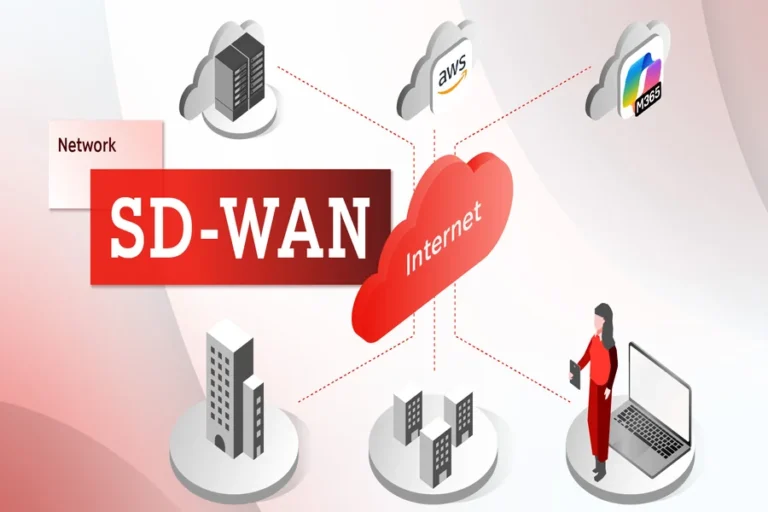

Network Asset Intelligence What Is Network Asset Intelligence and How Does It Help It Teams?
When a laptop disappears from the radar, a software license quietly expires, or an unknown device joins the network, IT rarely gets the luxury of a calm afternoon to investigate. You get alerts. You get tickets. You get someone asking, “Is this serious?” before you’ve even opened the dashboard.
That pressure usually comes from one old problem: incomplete visibility. Many teams still work from stale spreadsheets, disconnected tools, or inventories that were accurate three weeks ago but are already out of date. A better asset view helps you understand what is connected, who owns it, how it behaves, and where risk is building before a small issue turns into a very expensive surprise.
The Evolution of Network Asset Intelligence in Modern IT Environments
Modern networks do not sit still. Cloud services, remote users, IoT devices, guest access, and security threats have turned asset tracking into a moving target. What used to be a quarterly inventory task now needs to happen continuously.
That is where network asset intelligence becomes valuable. It gives teams a clearer, more current picture of what is actually happening across the environment.
Why Static Inventories Fall Short
Only 35% of organizations treat their DDI strategy as completely successful (https://bluecatnetworks.com/resources/ddi-modernization-roi-analysis/?utm_source=openai). That number says a lot. If addresses, users, and devices keep changing, static records lose trust fast.
A spreadsheet may tell you what was true last month. It will not always tell you what joined the network this morning, what moved to another site, or what should have been retired but is still quietly running.
Why Real-Time Insight Matters
For many IT teams, network asset intelligence turns scattered device information into a living view of the network. Instead of guessing which endpoint is involved or chasing outdated records, you can see current device status, ownership, behavior, and risk in one place.
That kind of visibility changes the feel of daily work. Troubleshooting becomes less like detective work in the dark and more like following a map.
What Changed for IT Teams
Traditional IT asset management still has a place. You still need lifecycle records, ownership details, purchasing data, and software tracking. But modern environments need more than a list.
Teams now need live context: where the device is, who uses it, what it connects to, whether it is healthy, and whether it creates risk. The shift is simple but important. Periodic asset tracking cannot keep up with environments that change by the hour. Network asset intelligence helps turn that constant change into usable clarity.
Key Components of Network Asset Intelligence
Useful asset intelligence is not just a prettier inventory screen. It depends on discovery, monitoring, classification, and analysis working together. If one piece is missing, the picture gets fuzzy.
Discovery Engines
A strong discovery engine finds assets across wired, wireless, cloud, and remote environments. With network asset discovery, teams can identify servers, laptops, printers, cameras, IoT devices, and unknown endpoints without waiting for someone to update a record by hand.
That matters because unknown devices are rarely harmless in the long run. Sometimes they are forgotten test systems. Sometimes they are unmanaged risks. Either way, you want to know they exist.
Monitoring and Data Collection
Good platforms connect with existing network monitoring tools so performance and asset data are not trapped in separate corners. SNMP, NetFlow, Syslog, and API feeds can show what a device is, what it is doing, and whether it is operating normally.
This is where visibility starts to become practical. You are not just asking, “Do we own this?” You are asking, “Is it healthy, active, misconfigured, overloaded, or behaving strangely?”
Context and Classification
Raw device data only gets you so far. A MAC address and hostname may be useful, but they do not tell the whole story. Effective systems enrich assets with owner, department, location, lifecycle stage, known risks, and usage patterns.
Once discovery, telemetry, context, and analysis come together, you stop collecting data for its own sake. You begin creating operational advantages. And for busy IT teams, that is the whole point.
Maximizing IT Team Efficiency Through Network Asset Intelligence
Visibility feels good, but saved time is what wins support. When asset intelligence reduces manual work, shortens outages, and prevents avoidable issues, people notice.
Faster Troubleshooting
During an outage, alerts alone are not enough. You need relationships. If you can see how a switch, access point, endpoint, and application connect, root-cause analysis gets much cleaner.
Instead of bouncing between teams or blaming the usual suspect, technicians can follow the evidence. That saves time and, just as importantly, lowers stress.
Less Manual Inventory Work
Asset intelligence can reduce time spent maintaining asset inventories by 60%, recovering about 625 hours per year . That is a lot of time to win back.
Those hours can go toward patching, planning, security reviews, documentation, or long-delayed projects that never seem to make it out of the backlog.
Better Cost Control
Unused hardware, duplicate platforms, and idle software licenses drain budgets quietly. No dramatic alarm goes off. The waste just sits there until renewal season arrives and everyone starts scrambling.
A current asset view helps you spot what is unused, underused, duplicated, or ready for retirement. That makes budget conversations far less painful.
Better visibility and automation deliver the most value when they fit into the tools your team already uses. Otherwise, they become one more login nobody wants.
Integrating Network Asset Intelligence With Existing IT Processes
Nobody needs another system that creates extra work. The best asset intelligence platforms support existing processes and push useful information into the places where teams already live.
Ticketing and CMDB Connections
When asset data flows into tickets and the CMDB, technicians get context immediately. They can see device history, owner, location, related changes, and past incidents without searching across five different systems.
That small shift can make a huge difference. A ticket with context is easier to prioritize, assign, and resolve.
SIEM and Security Workflows
Security teams benefit when alerts include asset context. A login from an unknown device is not the same as a login from a managed laptop with a known owner.
With richer context, analysts can judge severity faster. They can focus on real risk instead of treating every alert like it carries the same weight.
Automation That Actually Helps
Some teams use asset changes to trigger patch checks, quarantine actions, or configuration reviews. This does not have to be complicated on day one. Even simple rules can reduce noise and prevent small issues from slipping through.
When asset intelligence starts triggering useful workflows, it stops being just another platform. It becomes part of how the organization responds, protects, and improves.
Innovative Uses and Future Trends
The future is not only about collecting more information. Frankly, most teams already have plenty of data. The real challenge is turning it into better decisions.
AI and automation can help, but only when the asset data underneath is accurate and trusted.
Proactive Cybersecurity Defense
Zero Trust depends on knowing what is requesting access. If a device cannot be identified, classified, or trusted, it should not quietly blend into the network.
Network asset intelligence supports that model by helping teams understand what belongs, what changed, and what needs closer inspection.
Business Continuity and Recovery
After an outage, storm, breach, or failed change, teams need to know what came back online. They also need to know what did not.
Asset intelligence can help verify critical systems faster and reduce confusion during recovery. In tense moments, that clarity is worth a lot.
Ai-Assisted Decisions
Machine learning can flag unusual behavior, risky configurations, or likely failure patterns. Still, humans should remain in control. The tool should explain what it sees, not simply announce a conclusion and expect everyone to trust it.
Future-focused capabilities sound exciting, but the real value shows up in measurable outcomes: less downtime, faster audits, stronger security, and better daily operations.
How Leading Enterprises Benefit From Advanced Network Asset Intelligence
Large organizations often feel asset visibility problems first. More sites, more devices, more users, and more handoffs create more chances for confusion. But the benefits are not limited to enterprises.
Small and midsize teams also gain from knowing what is connected and what needs attention.
Industry Use Cases
Hospitals can track connected clinical devices and reduce downtime risk. Schools can manage classroom technology more confidently. Manufacturers can monitor plant-floor systems without treating every sensor or controller like a mystery box.
Different industries have different pressures, but the core need is similar: know what exists, know what matters, and act before trouble spreads.
A Practical Comparison
| Area | Standard Monitoring | Asset Intelligence |
| Main focus | Device health and alerts | Asset identity, context, risk, and behavior |
| Inventory style | Often periodic | Continuously updated |
| Troubleshooting | Alert-first | Relationship-first |
| Security value | Detects events | Adds ownership and device context |
Best Practices to Implement and Scale Network Asset Intelligence Solutions
A smart rollout does not try to boil the ocean. Start with enough scope to prove value, but not so much that the project collapses under its own weight.
Start With Critical Assets
Begin with systems tied to revenue, safety, compliance, or customer experience. These are the assets where visibility matters most.
Once those areas are under control, expand into less critical environments. You will move faster because your rules, labels, and workflows will already be tested.
Set Governance Early
Decide who owns asset labels, lifecycle data, exceptions, and access rights. Without ownership, even a powerful tool can become another messy database.
Governance may not sound exciting, but it is what keeps asset data trustworthy over time.
Train the Team
Tools do not fix habits by themselves. Teams need to know how to read the data, respond to alerts, and report gaps without blame.
A little training goes a long way. If people trust the system, they will use it. If they use it, the data improves. Nice little cycle, right?
Common Questions About Network Asset Intelligence
Teams usually ask practical questions before investing in a new approach. That is healthy. The goal is not to buy technology for its own sake, but to solve real operational problems.
What Are the Four Components of the IT Asset?
The four core components are hardware, software, data, and ownership details. Together, they explain what the asset is, what runs on it, what information it touches, and who is responsible for managing it.
What is Network Asset Management?
Network asset management is the practice of tracking, organizing, and maintaining devices connected to a network. It helps teams understand ownership, usage, health, risk, and lifecycle status so they can plan repairs, updates, and replacements.
How Does Network Asset Discovery Adapt to Rapid Network Changes?
Modern discovery runs continuously or on frequent schedules, so new and changed devices appear quickly. That helps teams catch unknown endpoints, retired systems, cloud resources, and risky changes before they create bigger problems.
Final Thoughts on Smarter Asset Visibility
The Main Takeaway
Strong asset visibility gives IT teams a better way to work. It supports better IT team efficiency, sharper security decisions, cleaner audits, and more useful network monitoring tools. It also makes IT asset management less painful because the data is current, connected, and easier to trust.
Start with the systems that matter most. Prove the value. Then expand with care. The sooner you know what is connected, the sooner you can protect it, manage it, and stop chasing ghosts across the network.