9 Things Every New Puppy Owner Should Know About
Bringing a puppy home is usually filled with excitement, photographs, new toys, and plenty of questions about feeding and training. Yet one of the most interesting parts of living with a young dog is watching how differently it experiences an ordinary home. A room that looks simple to a person can be filled with unfamiliar smells, sounds, textures, and movement for a puppy that has only recently started experiencing the wider world.
Understanding those senses can make everyday puppy care easier. It can also explain behaviors that might otherwise seem strange, such as sniffing the same patch of grass for several minutes, reacting to a sound that nobody else noticed, or investigating a harmless household object as though it were something completely new.
Puppies are naturally curious animals, and their senses are central to that curiosity. Here are some fascinating things new owners should know about the way puppies experience their surroundings.
1. A Puppy’s Nose Is One of Its Most Important Tools
People tend to experience their surroundings mainly through sight, but dogs gather an enormous amount of information through scent. A puppy can spend considerable time sniffing a new person, another animal, a plant, a piece of furniture, or a particular area of the garden because the smell provides information that humans simply cannot detect.
This is why sniffing should not automatically be treated as a bad habit. When a puppy stops during a walk to investigate a tree or patch of grass, it is doing something completely natural. The scent may tell the dog that another animal has been nearby, that food was present, or that something has changed since the puppy last visited the area.
Giving a young dog safe opportunities to sniff can therefore make walks more interesting without requiring a complicated training routine. A slow section of a walk where the puppy can investigate its surroundings may provide a different kind of stimulation from simply walking a longer distance.
2. Puppies Use Their Mouths to Investigate the World
The famous puppy habit of chewing almost everything is partly connected to curiosity. Young dogs do not have hands with which to pick up and examine objects, so their mouths become another way of investigating unfamiliar things.
A new toy, cardboard box, blanket, stick, or household object can become interesting simply because it feels different. Puppies may also chew during teething, which can make the behavior particularly noticeable during their early months.
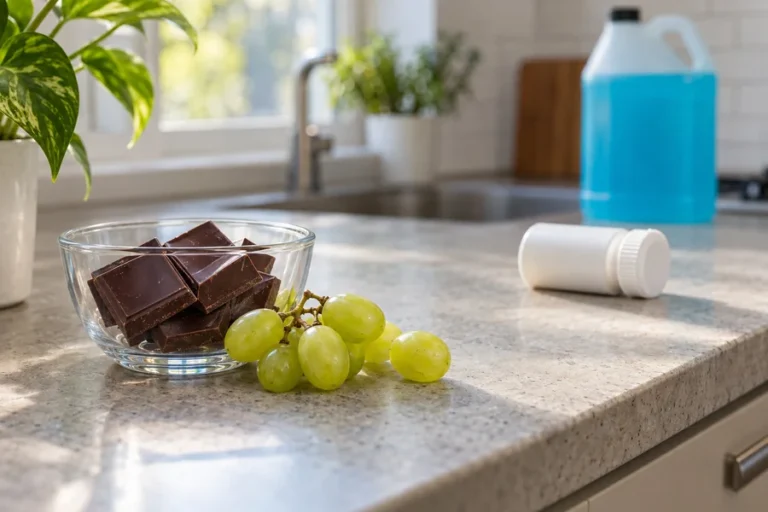
This makes puppy-proofing an important part of preparing a home. Shoes, electrical cables, small objects, medicines, cleaning products, and anything that could be swallowed should be kept out of reach. At the same time, puppies need appropriate objects that they can safely chew and investigate.
The goal is not to eliminate curiosity. It is to give that curiosity safer places to go.
3. New Smells Can Tell a Puppy That Something Has Changed
A puppy may notice a change in the home long before its owner pays attention to it. A new sofa, recently washed blanket, visitor’s coat, package from outside, or unfamiliar object can introduce a completely new scent.
For humans, these changes may seem insignificant because our sense of smell is comparatively limited. To a puppy, however, they can make a familiar room feel slightly different.
This is one reason introducing new experiences gradually can help young dogs become comfortable with their surroundings. Allowing a puppy to approach and investigate a harmless new object at its own pace gives it time to process the change rather than forcing an immediate interaction.
Over time, repeated exposure to ordinary household experiences can help a puppy become more confident in its environment.
4. Puppy Enrichment Does Not Have to Be Complicated
Many owners assume enrichment requires expensive toys or elaborate activities, but some of the most useful forms of stimulation involve ordinary puppy behavior.
A supervised sniffing game around the garden, a favorite toy hidden behind an easy-to-find object, or a small amount of appropriate food placed inside a puzzle toy can encourage a puppy to search and investigate.
The important part is that the activity gives the dog something to think about rather than simply requiring physical movement. Puppies are developing rapidly, and short periods of mental stimulation can be a useful part of their daily routine.
Even something as simple as changing the route of a walk can introduce new smells, sounds, surfaces, and sights. For a curious puppy, that can turn a familiar activity into a completely new experience.
5. Grooming Can Become a Sensory Experience
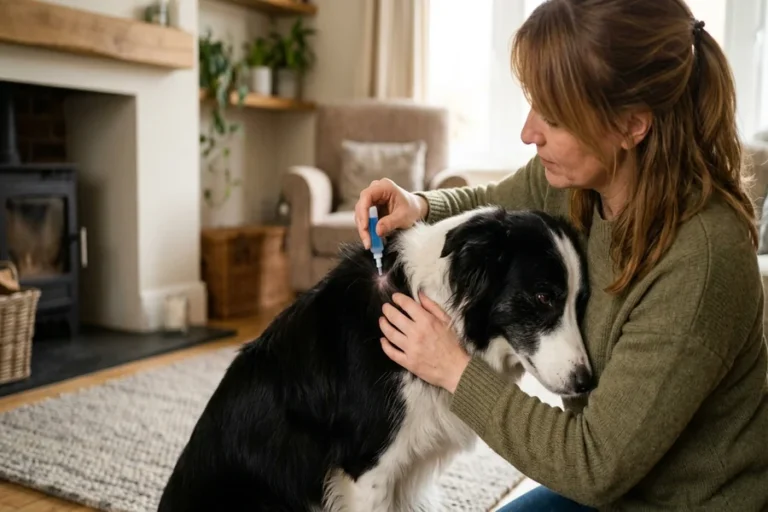
Grooming is another part of puppy life that involves more than keeping a dog looking tidy. Brushing, checking paws, handling ears gently, and becoming familiar with routine care can help a puppy learn that being touched in these areas is a normal part of life.
The earlier this process begins, the easier it can become to incorporate basic grooming into a routine. It should be calm and gradual, particularly with a puppy that is uncertain about brushes, nail care, bathing, or having its paws handled.
For owners interested in making their own cosmetic or grooming preparations, ingredients such as cold pressed coconut oil are commonly used in human skincare and haircare formulations. The Soapery describes its organic extra virgin coconut oil as cold pressed and suitable for cosmetic formulations such as moisturisers, creams, body oils, and soaps.
However, human cosmetic ingredients should not automatically be treated as puppy-care products. Any substance intended for use directly on a dog should be selected specifically for animals and discussed with a veterinarian or qualified professional when there is uncertainty.
6. Puppies Notice Sounds That Humans Often Ignore
Smell is not the only sense that can make a puppy’s experience of home very different from its owner’s. Young dogs can also pay close attention to sounds that people barely register.
A refrigerator switching on, a delivery vehicle stopping outside, footsteps in a hallway, a door closing somewhere in the building, or an unfamiliar electronic sound can all attract a puppy’s attention.
Some puppies respond to new sounds with immediate curiosity, while others may become cautious or startled. Neither response necessarily means something is wrong. What matters is giving the puppy a chance to become familiar with ordinary sounds without turning every new noise into a frightening experience.
Calm exposure to normal household activity can help a puppy learn that the vacuum cleaner, washing machine, doorbell, and other everyday sounds are simply part of its environment.
7. Different Surfaces Can Feel Completely New
Imagine walking barefoot across carpet, tile, grass, sand, and a wooden floor for the first time. Each surface would provide a very different sensation. Puppies experience something similar as they encounter different environments.
A puppy may initially hesitate when walking on a slippery floor or become fascinated by the texture of grass. Stairs, pavement, wooden decking, rugs, and outdoor surfaces can all feel different under small paws.
Safe exposure to a variety of surfaces can form part of a puppy’s wider socialization experience. It should always be age-appropriate and supervised, particularly when a puppy has not completed its veterinary-recommended vaccination schedule.
The more varied the safe experiences, the more opportunities a young dog has to become comfortable with ordinary parts of life.
8. Choosing a Puppy Means Thinking About Lifestyle
The appeal of a particular puppy is often immediate. A photograph, coat color, small size, or expressive face can make it tempting to focus entirely on appearance. Yet bringing a dog home is a long-term commitment, and temperament, breed characteristics, energy levels, and the household’s routine all deserve consideration.
Someone who enjoys long outdoor activities may have very different requirements from someone living in a smaller home with a quieter schedule. A household with young children may also need to consider which temperament and energy level are likely to work best for everyone.
When families begin looking at Puppies, it makes sense to think about the practical side of the decision alongside the excitement. Central Park Puppies highlights different breeds, mixes, and purebred puppies and provides a puppy-matching approach designed around lifestyle and preferences.
The right match is not necessarily the puppy that looks most appealing in a photograph. It is the puppy whose needs and characteristics are compatible with the people who will be caring for it.
9. A Puppy’s Curiosity Is Something to Encourage Safely
One of the most enjoyable things about puppy ownership is watching a young dog learn. A puppy may spend ten minutes investigating a cardboard box, become fascinated by a leaf moving across the garden, or repeatedly return to a new toy that makes an unfamiliar sound.
These moments can seem insignificant, but they are part of how a young dog interacts with its surroundings. Curiosity allows puppies to gather information, build familiarity, and gradually become more comfortable with new experiences.
Owners can support that natural curiosity by creating a home where appropriate exploration is possible. Puppy-safe toys, supervised outdoor time, gentle handling, interesting walks, and simple scent games can all provide opportunities to investigate without putting the dog in unnecessary situations.
At the same time, curiosity needs sensible boundaries. A puppy should not be expected to know which household objects, plants, foods, or substances are safe. That responsibility belongs to the owner.
Helping a Puppy Make Sense of Its New World
A puppy’s first months are filled with new experiences. Every room, smell, sound, surface, person, animal, and routine contributes to the young dog’s developing picture of the world.
Once owners start looking at everyday behavior from a puppy’s perspective, many familiar habits become easier to understand. Sniffing is not simply stopping the walk. Chewing is not always mischief. Hesitating on a new surface is not necessarily stubbornness. Investigating a strange sound is often simply curiosity.
Good puppy care leaves room for those natural behaviors while providing appropriate boundaries. The aim is to create a safe environment in which a young dog can gradually learn what belongs in its world and what does not.
That balance is one of the most rewarding parts of raising a puppy. With patience, appropriate enrichment, responsible care, and plenty of opportunities to investigate safely, a puppy can turn its natural curiosity into confidence as it grows.