Why Do Cats Self Groom? Understanding the Natural Habits Behind Your Cat’s Daily Cleaning Routine
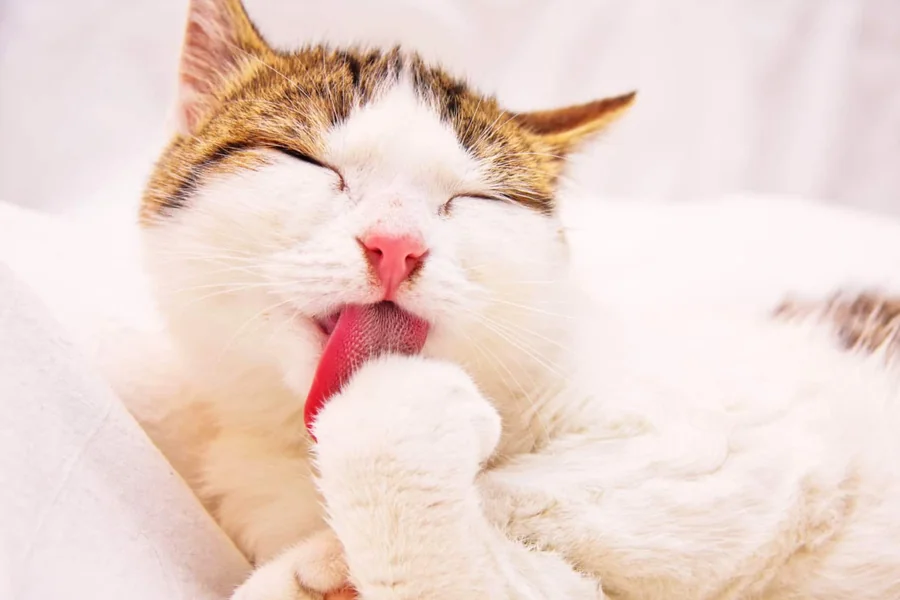
If you’ve ever watched your cat spend several minutes licking its fur, paws, or tail, you’ve probably wondered, why do cats self groom? Grooming is one of the most recognizable feline behaviors, and it serves many purposes beyond simply keeping a cat clean. From maintaining a healthy coat to reducing stress, self-grooming is a natural instinct that plays a vital role in a cat’s physical and emotional well-being.
Understanding why cats groom themselves can help pet owners recognize what’s normal, identify potential health issues, and support their feline friends with proper care. Let’s explore the reasons behind this fascinating daily routine.
Self-Grooming Is a Natural Instinct
Cats begin grooming themselves at a very young age. Kittens are first cleaned by their mothers shortly after birth, and as they grow, they quickly learn to imitate this behavior. By the time they are a few weeks old, most kittens are grooming themselves independently.
Unlike many animals, cats are naturally clean and spend a significant portion of their waking hours maintaining their coats. In fact, healthy cats may devote 30% to 50% of their day to grooming.
This instinctive behavior has developed over thousands of years and continues to benefit both domestic cats and their wild relatives.
Keeping Their Fur Clean
One of the main reasons cat self groomers are to remove dirt, dust, loose hair, and other debris from their coats. Their rough tongues are covered with tiny, backward-facing structures called papillae, which act like miniature brushes.
As a cat licks its fur, these papillae help:
- Remove loose hair
- Eliminate dirt and dust
- Spread natural oils
- Keep the coat smooth
- Prevent tangles
Regular grooming helps maintain a healthy, shiny coat while reducing the buildup of unwanted particles.
Distributing Natural Skin Oils
Cats naturally produce oils that keep their skin moisturized and their fur soft. During grooming, these oils are evenly distributed across the coat.
This process helps:
- Protect the skin
- Improve coat texture
- Create a glossy appearance
- Maintain waterproofing properties
Without regular grooming, these beneficial oils would remain concentrated in certain areas instead of covering the entire coat.
Regulating Body Temperature
Self-grooming also helps cats stay comfortable during warm weather.
When a cat licks its fur, saliva spreads across the coat. As the saliva evaporates, it creates a cooling effect similar to how humans sweat.
Although cats do sweat through their paw pads, grooming provides an additional way to regulate body temperature, especially during hot days.
Removing Loose Hair
Cats naturally shed throughout the year, with heavier shedding often occurring during seasonal changes.
Grooming helps remove dead or loose fur before it falls onto furniture or carpets.
However, because cats swallow some of this loose hair while grooming, occasional hairballs are common. Regular brushing by owners can reduce the amount of loose hair cats ingest.
Preventing Mats and Tangles
Long-haired breeds, such as Persians or Maine Coons, are especially prone to tangled fur.
Daily self-grooming helps:
- Separate tangled hairs
- Prevent mat formation
- Keep the coat manageable
- Reduce discomfort
Even short-haired cats benefit from routine grooming by keeping their coats neat and healthy.
Relieving Stress and Anxiety
Many people assume grooming is only about cleanliness, but it also provides emotional comfort.
Cats often groom themselves after:
- Loud noises
- Veterinary visits
- Encounters with unfamiliar animals
- Exciting play sessions
- Stressful situations
This behavior, sometimes called displacement grooming, helps cats calm themselves and regain a sense of security.
You may notice your cat grooming immediately after being startled, even if its fur isn’t dirty.
Marking Their Scent
Cats have scent glands located on various parts of their bodies.
During grooming, they spread their natural scent across their coat. This familiar scent helps them feel secure and comfortable within their environment.
Although grooming removes some outside odors, it reinforces their own unique scent profile.
Social Bonding Through Grooming
Cats don’t always groom only themselves.
When two cats groom each other—a behavior known as allogrooming—it usually indicates trust and friendship.
Mother cats groom their kittens to keep them clean while strengthening their bond. Adult cats living together may groom each other’s heads and necks, areas that are difficult to reach alone.
This social grooming helps strengthen relationships within feline groups.
When Grooming Becomes Excessive
Although frequent grooming is normal, excessive grooming may signal an underlying problem.
Possible causes include:
- Allergies
- Fleas or parasites
- Skin infections
- Anxiety
- Pain
- Stress
- Hormonal disorders
Signs of excessive grooming include:
- Bald patches
- Red or irritated skin
- Constant licking of one area
- Hair loss
- Open sores
If you notice these symptoms, it’s best to consult a veterinarian for a proper diagnosis.
When Cats Groom Less Than Normal
A sudden decrease in grooming can also indicate health concerns.
Older cats, overweight cats, or cats experiencing arthritis may struggle to reach certain areas of their bodies.
Poor grooming may result in:
- Greasy fur
- Mats
- Dirt buildup
- Skin irritation
Owners can help by gently brushing their cats and seeking veterinary care if grooming habits change significantly.
How You Can Support Healthy Grooming
Even though cats are excellent self-groomers, owners still play an important role in coat care.
Helpful tips include:
- Brush your cat regularly, especially long-haired breeds.
- Feed a balanced, high-quality diet.
- Provide fresh water daily.
- Keep your home clean and free from parasites.
- Monitor changes in grooming behavior.
- Schedule regular veterinary checkups.
Interactive grooming tools and self grooming cat house can also encourage healthy grooming habits while reducing loose fur around the home.
The Benefits of Regular Grooming
Healthy grooming provides numerous advantages, including:
- Cleaner fur
- Healthier skin
- Reduced shedding
- Fewer tangles
- Better circulation
- Lower stress levels
- Improved coat appearance
- Stronger social bonds with other cats
These benefits contribute to your cat’s overall health and happiness.
Final Thoughts
So, why do cats self groom? The answer goes far beyond keeping clean. Self-grooming is an essential instinct that helps cats maintain healthy skin and fur, regulate body temperature, reduce stress, remove loose hair, and even strengthen social relationships. It is one of the most important daily habits in a cat’s life.As a pet owner, understanding your cat’s grooming routine allows you to recognize normal behavior and identify potential health concerns early. By providing regular brushing, a nutritious diet, and a comfortable environment, you can support your cat’s natural grooming instincts and ensure they remain healthy, comfortable, and content for years to come.