
How to Identify Bed Bugs: A Complete Bug Identification Guide
Nothing ruins a good night’s sleep faster than the thought of tiny insects treating your mattress like a buffet. Bed bugs have made a serious comeback over the past two decades, and they don’t care how clean your home is, how much your mattress cost, or whether you live in a studio apartment or a five-star hotel.
The good news? You can spot them before they turn into a full-blown infestation. This guide walks you through accurate bug identification step by step, so you know exactly what to look for, where to look, and what to do next. Everything here comes from trusted sources like the U.S. Environmental Protection Agency (EPA) and the Centers for Disease Control and Prevention (CDC), so you can trust the facts and skip the internet panic.
What Do Bed Bugs Actually Look Like?
Let’s start with the basics, because half the battle in bug identification is knowing your target.
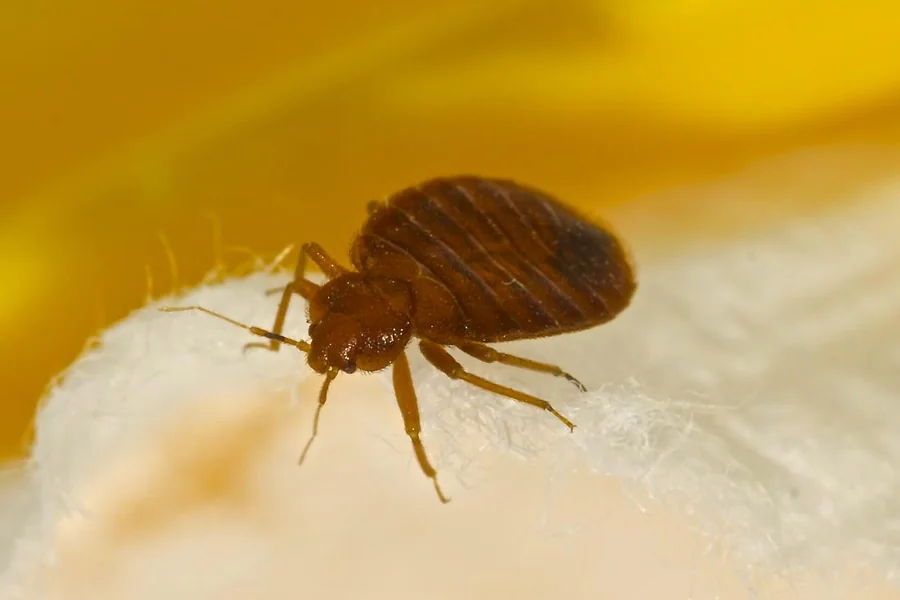
According to the EPA, adult bed bugs are small, flat, oval-shaped insects about the size of an apple seed. They measure roughly 4 to 5 millimeters in length. Their color ranges from reddish-brown to mahogany, and their bodies look balloon-like and more elongated right after a blood meal.
Here’s a quick breakdown of their key features:
- Size: About 4–5 mm long (think apple seed, not sesame seed)
- Shape: Flat and oval when unfed; swollen and longer after feeding
- Color: Reddish-brown, turning darker red after a meal
- Wings: None. Bed bugs cannot fly, and they don’t jump either
- Smell: A musty, sweetish odor produced by their scent glands, especially in larger infestations
Young bed bugs, called nymphs, are trickier to spot. They’re smaller, and their bodies appear translucent or whitish-yellow. If a nymph hasn’t fed recently, it can be nearly invisible to the naked eye. Bed bug eggs are tiny, about the size of a pinhead (roughly 1 mm), and pearl-white in color.
Bed Bug Look-Alikes: Don’t Blame the Wrong Insect
Bug identification gets messy because several insects look suspiciously similar to bed bugs. Before you declare war on your bedroom, rule out these common impostors:
- Bat bugs: Nearly identical to bed bugs, but they prefer feeding on bats. You’ll usually find them in homes with bats in the attic.
- Spider beetles: Round and shiny, they look like bed bugs that hit the gym. They don’t bite humans.
- Carpet beetles: Small and oval, but they have wings and visible patterns on their backs.
- Booklice: Much smaller and paler, often found near old books and damp areas.
- Fleas: Smaller, darker, and famous for jumping. Bed bugs crawl; fleas launch.
Misidentification is more common than you’d think. The EPA notes that correctly identifying the pest is the first step in control, because treatment methods differ from insect to insect. If you’re unsure, capture a sample with clear tape and compare it against reference photos, or show it to a licensed pest control professional.
7 Telltale Signs of Bed Bugs in Your Home
You won’t always catch the bugs themselves in the act. They’re nocturnal, shy, and shockingly good at hide-and-seek. Instead, look for the evidence they leave behind. The EPA lists these classic signs:
1. Rusty or Reddish Stains on Sheets
These stains appear when bed bugs get crushed after feeding. If your white sheets look like a tiny crime scene, take it seriously.
2. Dark Spots the Size of a Pen Tip
These are bed bug droppings. They look like small ink dots and may bleed into fabric the way a marker would.
3. Tiny Pale-Yellow Eggs and Eggshells
Eggs are about 1 mm and hard to spot without a flashlight and a magnifying glass. Check seams and crevices closely.
4. Shed Skins
Nymphs shed their exoskeletons five times as they grow. Finding these translucent, papery skins means bed bugs are developing nearby.
5. Live Bed Bugs
The most obvious sign, and the one nobody wants. Check mattress seams first, since bed bugs love staying close to their food source. That food source, unfortunately, is you.
6. A Musty, Sweet Odor
Larger infestations can produce a noticeable musty smell from the bugs’ scent glands. If your bedroom smells odd for no clear reason, add it to your evidence list.
7. Bite Marks on Your Skin
Bites alone don’t confirm bed bugs, and here’s why that matters.
Can You Identify Bed Bugs by Their Bites?
Short answer: not reliably. The CDC explains that bed bug bites affect everyone differently. Some people develop small red welts, some get itchy clusters, and others show no reaction at all. Reactions can also take days to appear, which makes it hard to connect the bite to the bug.
Bed bug bites often appear on skin exposed during sleep, such as the face, neck, arms, and hands. They sometimes show up in rough lines or small clusters, but doctors can’t diagnose a bed bug problem from bites alone because they resemble bites from mosquitoes, fleas, and other insects.
One piece of genuinely reassuring news: according to the CDC, bed bugs are not known to transmit diseases to humans. They’re irritating, itchy, and terrible for your peace of mind, but they aren’t spreading illness while they snack. The main medical concerns are itching, loss of sleep, and possible secondary skin infections from excessive scratching.
So treat bites as a clue, not a conclusion. Physical evidence beats skin reactions every time in bug identification.
Where to Look: A Room-by-Room Inspection Checklist
Bed bugs are flat enough to squeeze into a crack the width of a credit card. That gives them plenty of hiding options. The EPA recommends inspecting these hotspots:
Around the bed:
- Seams, piping, and tags of the mattress
- Cracks in the bed frame and headboard
- Inside the box spring
Beyond the bed (in heavier infestations):
- Seams of chairs, couches, and cushions
- Curtain folds
- Drawer joints
- Electrical outlets and behind wall plugs
- Under loose wallpaper and wall hangings
- The junction where the wall meets the ceiling
- Even inside the head of a screw
Grab a flashlight and an old credit card. Slide the card along mattress seams and crevices to flush out anything hiding inside. Work slowly. Bed bugs don’t announce themselves, and a rushed inspection misses the small stuff like eggs and nymphs.
If you travel, run a quick version of this inspection in hotel rooms before unpacking. Keep your luggage on a rack away from the bed and walls. Bed bugs are world-class hitchhikers, and your suitcase is their favorite ride home.
What to Do After You Confirm Bed Bugs
Found solid evidence? Don’t panic, and definitely don’t grab a random spray bottle and start a chemical experiment. Here’s a sensible plan:
- Keep the evidence. Save a sample bug in a sealed bag or on tape. Professionals can confirm your bug identification quickly.
- Don’t move your stuff around. Shifting furniture or sleeping in another room can spread bed bugs through your home.
- Wash and dry bedding on high heat. High temperatures kill bed bugs at all life stages.
- Vacuum thoroughly and dispose of the vacuum bag in a sealed trash bag outside your home.
- Call a licensed pest control professional. The EPA warns that bed bugs are difficult to eliminate with DIY methods alone, and misusing pesticides can be dangerous.
Acting early makes a massive difference. A few bugs are manageable. A mature infestation is a much longer, more expensive story.
Final Thoughts
Bed bug identification comes down to knowing three things: what the bugs look like, what evidence they leave behind, and where they hide. Look for apple-seed-sized reddish-brown insects, rusty stains, dark fecal spots, shed skins, and tiny white eggs around your mattress seams and bed frame.
Trust physical evidence over bite marks, rule out look-alike insects, and lean on credible sources like the EPA and CDC rather than midnight panic-Googling. Catch them early, respond calmly, and you’ll reclaim your bed before these uninvited roommates get comfortable.
Sleep tight. And now you know exactly what to do if the bed bugs bite.