Benefits of Hyperbaric Oxygen Therapy for Leg Ulcer Treatment in Downriver
Chronic lower extremity wounds present significant healthcare challenges for individuals managing circulatory complications. When damaged veins fail to pump blood efficiently back to the heart, pooled fluid creates intense pressure that breaks down skin tissue. These resulting open sores often resist standard topical treatments.
Implementing targeted physiological therapies addresses the underlying cellular deficits to accelerate tissue repair. This article examines how specialized oxygen procedures deliver vital healing benefits for complex circulatory wounds and how specialists in Downriver provide the best results.
What is Hyperbaric Oxygen Therapy
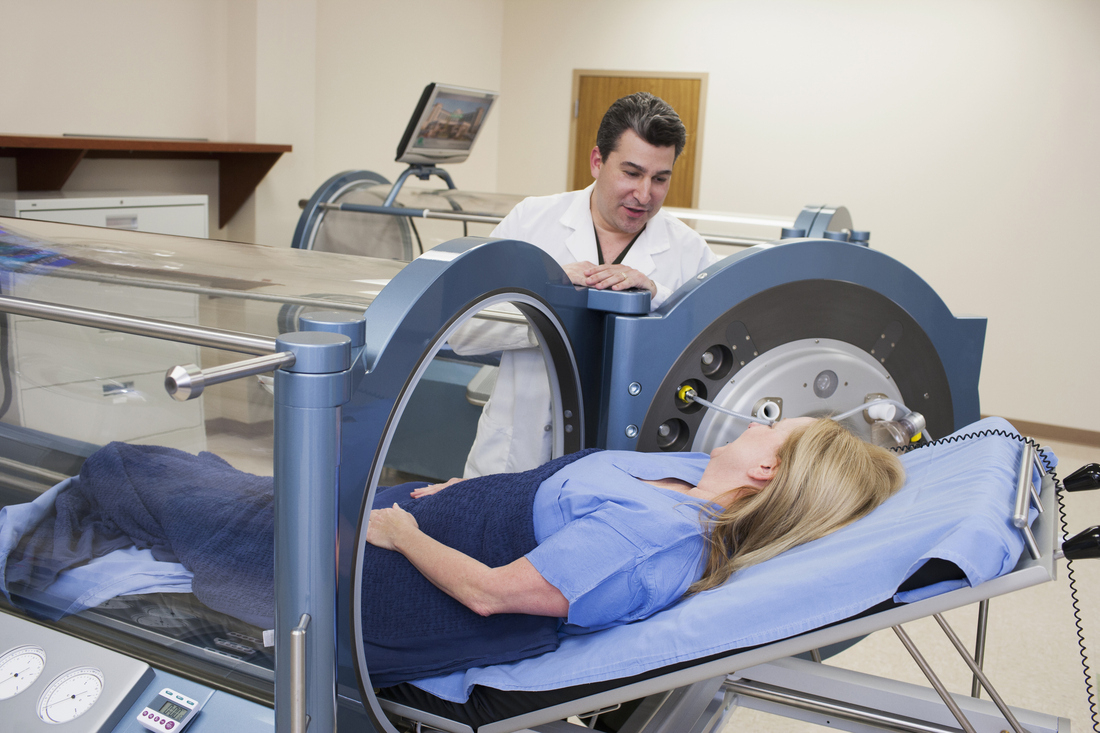
Hyperbaric Oxygen Therapy (HBOT) is an advanced clinical treatment where a patient breathes pure oxygen inside a pressurized chamber. Under these specific conditions, the atmospheric pressure is increased up to two to three times greater than normal room environment levels.
Seeking specialized venous leg ulcer treatment in Downriver, MI, connects patients with this sophisticated medical technology. The process safely infuses the blood plasma with rich gases to kickstart dormant cellular recovery mechanisms.
How HBOT Restores Oxygen to Damaged Tissue
Circulatory blockages drastically reduce the local gas supply required for cells to perform essential structural repairs. Flooding the bloodstream with pure, pressurized gas bypasses restricted red blood cells and saturates the surrounding clear plasma directly. This oxygen-rich fluid travels deeply into the most deprived areas of the lower limb to revive dying tissue layers.
Critical Physiological Changes During Tissue Saturation
- Reversal of Hypoxia: Elevating plasma gas concentrations eliminates chronic oxygen starvation in deep wound beds.
- Reduction of Localized Edema: Increased pressure constricts dilated capillaries, which reduces swelling and fluid pooling in the lower calf.
- Restoration of Cellular Energy: High oxygen levels give damaged cells the necessary fuel to resume normal metabolic functions.
- Preservation of Marginal Tissue: Flooding the area with nutrients saves compromised skin cells surrounding the open sore from dying.
Build New Blood Vessels for Faster Closure
Long-term wound healing requires a robust network of microscopic channels to deliver continuous nutrients to the growing skin matrix. The profound contrast between high-oxygen treatments and low-oxygen intervals stimulates a natural biological response known as angiogenesis. This process signals the body to sprout entirely new capillary networks directly across the open wound bed.
As these fresh pathways mature, they lay down a stable foundation of healthy granulation tissue to seal the breach. This cellular rebuilding process permanently strengthens the skin barrier to minimize the risk of future structural breakdowns.
Support Antibiotic Efficacy and Immune Response
Chronic open sores remain highly vulnerable to aggressive bacterial colonization that stalls the natural healing cycle. White blood cells require immense amounts of cellular energy to effectively engulf and destroy invading pathogens.
High-pressure oxygen treatments supercharge these defensive immune cells, drastically increasing their ability to eliminate localized infections. Furthermore, this elevated tissue saturation enhances the performance of certain prescription antibiotic medications.
Non-Invasive Adjunct to Standard Wound Care
Advanced pressurized gas sessions work alongside traditional compression wraps, specialized dressings, and debridement methods. This therapy does not replace foundational vein management techniques but acts as a powerful catalyst to accelerate overall recovery.
Patients relax comfortably inside a transparent chamber during the session while watching television or listening to music. Utilizing this integrated care plan shortens the total duration of the healing process for stubborn, non-healing sores.
Know How Wound Care Specialists Provide State-of-the-art Treatment in Downriver
Enlisting the help of dedicated medical experts ensures the safe and accurate administration of advanced pressurized therapies. Local clinicians thoroughly evaluate an individual’s vascular history and wound status before creating a customized scheduling plan. Accessing experienced venous leg ulcer treatment in Downriver, MI, guarantees that patients receive structured, multi-disciplinary care close to home.
Overcoming chronic lower limb wounds requires advanced clinical strategies that address severe tissue oxygen deficits at the cellular level. Hyperbaric Oxygen Therapy delivers exceptional benefits by reversing localized hypoxia, stimulating fresh blood vessel growth, and boosting the body’s natural infection defenses. This proactive medical choice provides a clear path toward complete recovery, restoring long-term mobility and comfort to your daily life.