Savage River Reservoir: The Maryland Lake Most Anglers Still Don’t Know About
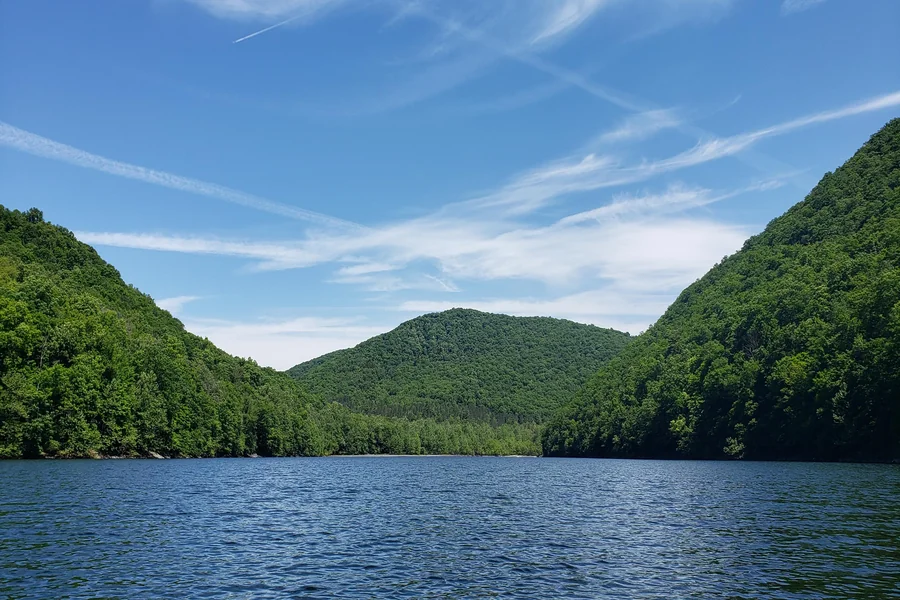
If you’re searching for a quiet lake that still delivers real fishing and real scenery, the Savage River Reservoir deserves a spot on your list. This 360 acre lake is nestled in the mountains of Garrett County, Maryland and has a size that seems larger than it appears on the map. No jet skis. No crowds. Only clean water, wild trout and a very slightly evolving shoreline from one decade to the next. This is an honest guide to all of the information you need before you make the trip, including where to launch your boat, what to catch, when to attend & where to camp.
What Is the Savage River Reservoir?
The Savage River Reservoir is a 360-acre lake in Western Maryland, formed by the Savage River Dam in 1952. Built by the U.S. Army Corps of Engineers and maintained by the Upper Potomac River Commission, today. It was completed in 1952 by the U.S. Army Corps of Engineers, and is owned and maintained by the Upper Potomac River Commission. It’s not a place for fun at first. The lake is primarily for flood control and for water supply for surrounding towns. The added value of the drive is the recreation.
The maximum capacity of the reservoir is 31,800 acre-feet, and the dam is 1,050 feet long and 184 feet high. A lot of water is quietly resting in a valley that most tourists are never able to see.
Fishing at Savage River Reservoir
That’s what everyone visits for. Savage River Reservoir is known as a strong multi-species fishery in the mountains of Western Maryland, with abundant smallmouth bass and quality panfish, plus chances at trophy largemouth bass and walleye. The bonus is for trout anglers as well. Rainbow trout are stocked in the spring into the lake for a put and take fishery.
Species you can expect to catch:
| Species | Notes |
| Smallmouth bass | The signature catch here |
| Largemouth bass | Trophy-size fish possible |
| Walleye | Present but takes patience |
| Rainbow trout | Stocked each spring |
| Brown and brook trout | Found in the reservoir alongside walleye, largemouth bass, crappie, yellow perch, bluegills and catfish |
| Yellow perch, bluegill, crappie | Great for a relaxed panfish day |
One more detail worth knowing: the reservoir holds Maryland’s state record rainbow trout, weighing 14 pounds 3 ounces. That fish alone tells you this water punches above its size.
Ice fishing is allowed in winter, but the lake level can swing hard. Extreme caution is advised because of the potential for large fluctuations in lake levels.
Read More: Can Skunks Spray More Than Once
Boating Rules You Need to Know
This is where many first time visitors can be surprised. This is not a lake powered by gas-motors.
Boating is allowed but only using electric motors. Outboard motors are not allowed and any gasoline motors must be removed from the boat prior to launch. No gas cans will be allowed either.
That rule makes for a peaceful lake and that’s what paddlers want. Paddle craft are encouraged and canoeing and kayaking are popular in the reservoir. There are three public boat ramps located around the reservoir, but they may change depending on water levels.
Camping and Nearby Facilities
Big Run State Park sits at the northern end of the Savage River Reservoir and is a popular spot for fishing and non-motorized boating, with a boat ramp located between campsites 83 and 84.
Aside from Big Run, there are true options around Savage River State Forest. There are 72 campsites on the forest, designated campsites include: Big Run Road, Savage River Road, Westernport Road, Blue Lick Road, Poplar Lick Trail, and Whitewater sites. For those who don’t like to camp, there are also cabins and even a lodge nearby for a more gentle landing after a day on the water.
Best Time to Visit Savage River Reservoir
Spring and fall landed between the sweet spots. Cooler air, active fish and less bugs. For the rest of you, summer is good to fish in if you head into deeper water at the hottest time of the day—and winter offers ice fishing for those that can layer up and pay attention to the ice.
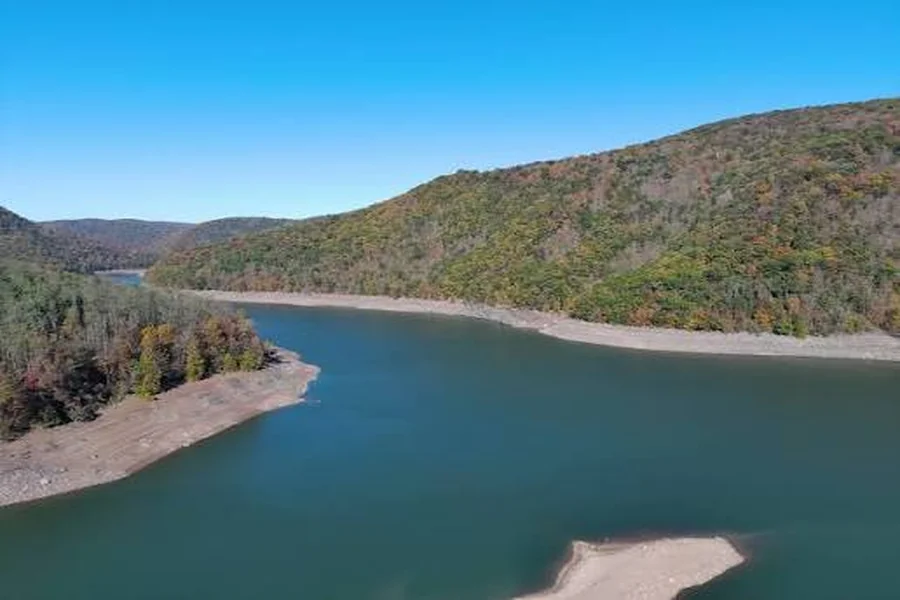
The water level fluctuates all year around, so it is wise to find out the current level before towing a boat out there. The shoreline can change more than you’d think with a dry spell or a large rain event.
Read More: Do Alligators Fight Each Other
Quick Answers: Savage River Reservoir
| Question | Short Answer |
| Where is Savage River Reservoir located? | It’s in Garrett County, Western Maryland, inside Savage River State Forest. |
| Can you use a gas motor on Savage River Reservoir? | No. Only electric motors are allowed; gas engines must be removed before launching. |
| What fish are in Savage River Reservoir? | Smallmouth bass, largemouth bass, walleye, trout, crappie, yellow perch, and bluegill. |
| Is camping available near Savage River Reservoir? | Yes, at Big Run State Park and throughout Savage River State Forest. |
| How big is Savage River Reservoir? | About 360 acres, making it a mid-size Maryland lake. |
| When was Savage River Reservoir built? | It was completed in 1952 by the U.S. Army Corps of Engineers. |
| Is ice fishing allowed on Savage River Reservoir? | Yes, but caution is needed due to fluctuating lake levels. |
Why Savage River Reservoir Stands Out
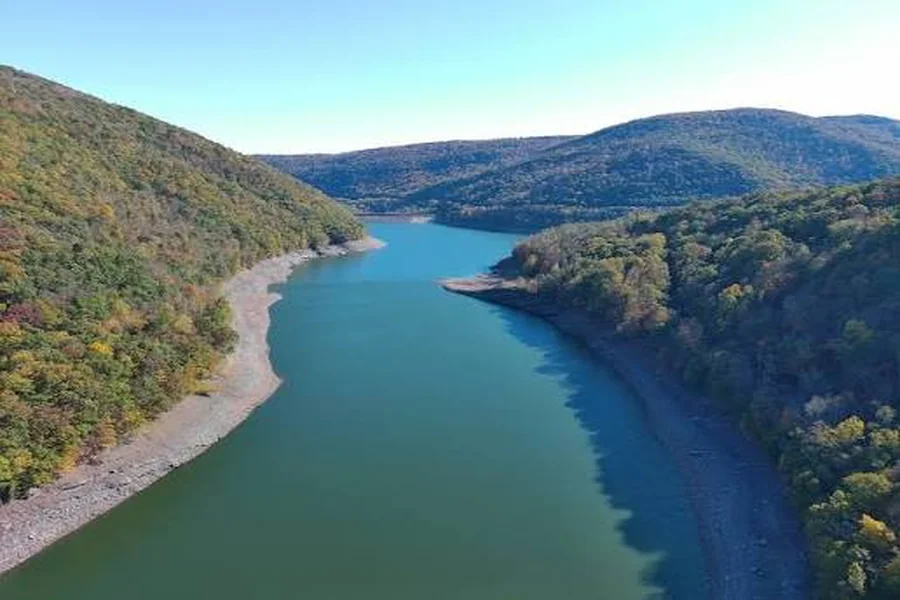
It is the largest of its kind, but is dwarfed by larger lakes in the area such as Deep Creek Lake. However, there is one thing about Savage River that it does have – it feels wild. The upper Savage River area includes 120 miles of interconnected wild trout streams, and could well be some of the best brook trout habitat found anywhere in the eastern United States. This is no hype. That is a true statement substantiated by over 30 years of fish surveys.
Throw in the no-gas-motor rule, the surrounding old-growth forest and the fact that it actually has a trophy trout history, you have a lake that pays those who plan their trips rather than just show up.
Final Thoughts
The Savage River Reservoir isn’t a place to go for a glamorous getaway, but that’s part of its charm. It is a working reservoir but it also has some of the slowest flowing streams in Maryland for wild trout and trophy fish. Carry a brake or electric motor, pack for changing weather and allow for one full day. This is a lake that “takes time”, a lake that does not fail those who take the time to learn it.
FAQs:
Q: Where is the Savage River?
A: Garrett County, Western Maryland, inside Savage River State Forest.
Q: How big is Savage River Reservoir?
A: About 360 acres.
Q: When was Savage River Reservoir built?
A: Completed in 1952 by the U.S. Army Corps of Engineers.
Q: Can you use a gas motor on Savage River Reservoir?
A: No. Only electric motors are allowed.
Q: What kind of fish are in the Savage River Reservoir?
A: Bass, walleye, trout, crappie, yellow perch, and bluegill.
Q: Is Savage River Reservoir good for trout fishing?
A: Yes. It holds Maryland’s state record rainbow trout.
Q: Is camping available near Savage River Reservoir?
A: Yes, at Big Run State Park and Savage River State Forest.
Q: Can you kayak or canoe on Savage River Reservoir?
A: Yes. It’s a popular spot for paddling and non-motorized boats.