
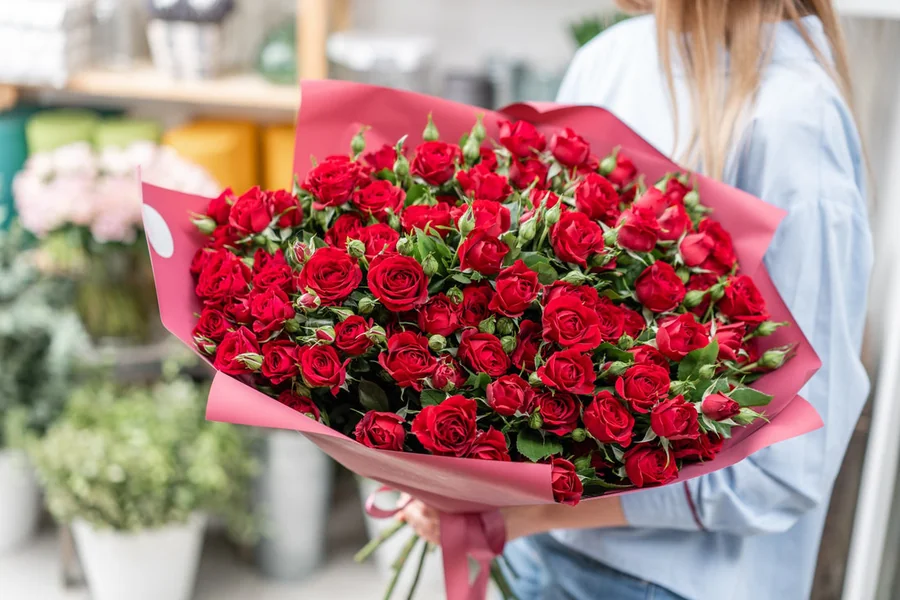
Why Roses Are Still the Most Popular Gift in Russia
Trends come and go in the flower world. One year it’s peonies, the next it’s dried arrangements or pampas grass. But in Russia, one flower has stayed firmly at the top for as long as anyone can remember: the rose. From long-stemmed red roses on Valentine’s Day to giant bouquets of 101 blooms for a proposal, roses are woven into how Russians express love, respect and celebration. If you’re planning to send roses to Russia, it helps to understand why they matter so much and how to choose the right bouquet.
A Long Love Affair with the Rose
Roses have been symbols of love and beauty across many cultures for thousands of years. You can explore some of that history in this overview of the rose as a plant and a symbol. In Russia, they became especially associated with romance and admiration, and their status has only grown over time.
Part of their appeal is practical. Roses are available all year, even during the long Russian winter, when many other flowers are hard to find. They also last well in a vase and look elegant in almost any setting.
What Rose Colours Mean
Colour matters when it comes to roses, and many Russians pay attention to it.
- Red: passionate love. The classic choice for partners and spouses.
- Pink: gratitude, tenderness and admiration. Perfect for mothers, friends and colleagues.
- White: purity and sincerity. Popular for weddings and new beginnings.
- Peach and cream: warmth and friendship. A soft, elegant option.
- Yellow: joy, though older generations may still link it to separation.
- Burgundy: deep, mature love. A sophisticated choice for anniversaries.
Numbers Matter More Than You Think
In Russia, the number of roses in a bouquet sends a message of its own.
Always odd for celebrations
Bouquets for happy occasions should have an odd number of flowers. Even numbers are traditionally reserved for funerals. This rule is taken seriously, particularly by older people.
Popular bouquet sizes
- 1 rose: a simple, sincere gesture, often “you’re the one”
- 3 roses: a classic small bouquet, often for early romance
- 11 or 15 roses: a generous gift for birthdays or anniversaries
- 25 or 51 roses: a big statement of love
- 101 roses: the ultimate grand gesture, often for proposals or milestone anniversaries
When to Send Roses
Roses work for almost any occasion in Russia, which is part of why they’re so popular.
Valentine’s Day
Red roses dominate February 14. It’s one of the busiest days of the year for florists, so order early.
International Women’s Day
On March 8, tulips and mimosa are traditional, but roses are just as common now, especially for partners and mothers.
Birthdays and anniversaries
A bouquet of roses in the person’s favourite colour is a timeless birthday gift.
Thank-yous and congratulations
Pink or cream roses are a warm way to thank a teacher, colleague or friend.
Tips for Ordering Roses from Abroad
- Choose a service that uses local florists for fresher flowers
- Include the recipient’s phone number, as couriers usually call ahead
- Add entrance, floor and apartment number for city addresses
- Check the local time before ordering, as Russia spans eleven time zones
- Order a few days early for February 14 and March 8
Winter deliveries
Russian winters are cold, and roses are sensitive to frost. A good florist wraps bouquets carefully for the short trip from the car to the door. It’s worth choosing a service that pays attention to this.
Adding a Little Extra
Roses look beautiful on their own, but you can make the gift even more special with a box of chocolates, a soft toy or a small cake. For romantic occasions, chocolate-covered strawberries alongside red roses are a lovely combination.
Writing the Card
Keep your message short and heartfelt. If the recipient speaks Russian, a simple “Lyublyu tebya” (I love you) or “S lyubovyu” (With love) adds a personal touch that means a lot.
Timeless for a Reason
There’s a reason roses have stayed at the top of the list in Russia for so long. They’re elegant, meaningful and suitable for nearly every moment in life. Whether you’re sending a single stem or a hundred and one, roses say something that doesn’t need translating. And when you can’t be there in person, that message matters more than ever.