The Science and Economics of Plant-Based Feed Ingredients
Feed formulators face intense industry pressure from both regulators and consumers today. You are expected to remove antibiotics and synthetic growth promoters from your formulations entirely. At the same time, you cannot sacrifice flock or herd health, and you must maintain tight control over rising raw material costs.
Cheap synthetic additives often look like an easy way to reduce upfront expenses on a spreadsheet. However, these single-compound solutions frequently fail to support the complex microbiome required for optimal nutrient absorption. They treat surface-level symptoms rather than building biological resilience within the animal.
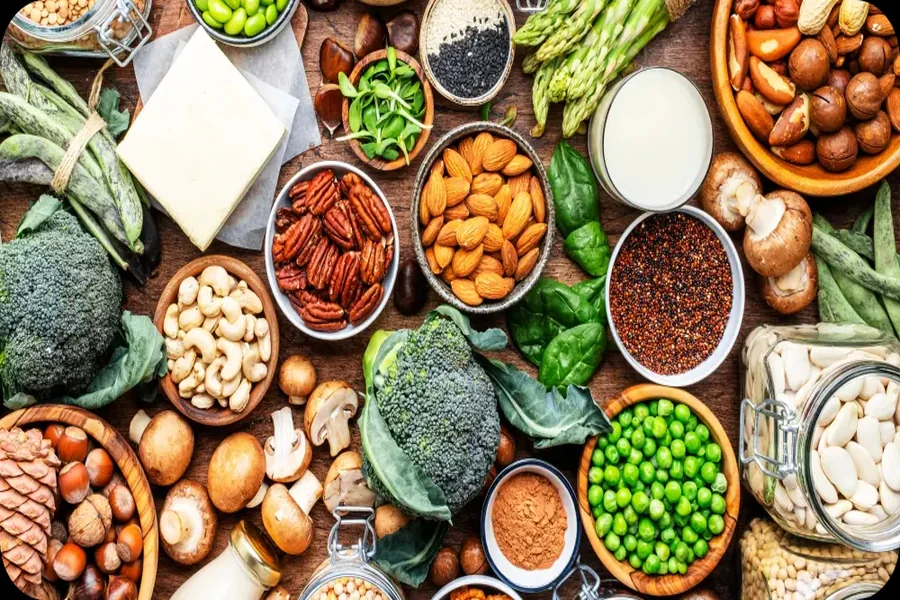
Investing in 100% natural, plant-based feed ingredients ensures that animals develop robust gut integrity from day one. This strong biological foundation ultimately lowers overall feed costs by maximizing nutrient utilization. When animals digest their feed efficiently and maintain a strong immune response, producers see a dramatic reduction in the need for costly health interventions.
The Science of Phytogenics: What Are Plant-Based Feed Ingredients?
What exactly are phytogenics, and how do they function as plant-based feed ingredients? Phytogenics are natural, biologically active compounds derived directly from plants, herbs, spices, and their extracts. Common examples include essential oils, saponins, tannins, and complex botanical elements like yucca extracts.
These plant-derived secondary metabolites bring intense biological complexity to animal nutrition. Synthetic feed additives typically rely on a single, isolated chemical compound to achieve a very specific, narrow result. Plant-based ingredients, by contrast, offer a broad spectrum of bioactive molecules that work synergistically within the digestive tract.
This natural complexity creates a highly effective “systems-nutrition” approach. Because phytogenics contain multiple active compounds, they attack pathogens and support the immune system from several different angles simultaneously. This multi-faceted mechanism makes it nearly impossible for pathogens to mutate and develop resistance.
As a result, plant-based ingredients serve as a functional replacement for traditional antibiotics. Producers get the disease-suppressing benefits necessary for high-density farming without the risk of creating antibiotic-resistant bacteria in their facilities. You are effectively upgrading the animal’s natural hardware to handle modern production demands.
How Natural Additives Fortify Gut Mechanics
Modulating the Gut Microbiome
The gut microbiome acts as the central engine of animal health and performance. Specific phytochemicals play a direct role in stabilizing this delicate microbial environment. They actively suppress pathogenic overgrowth by disrupting the cell walls of harmful bacteria.
Plant-derived secondary metabolites and essential oils physically alter the microbial population in the gut. They naturally lower the pH of the intestinal environment, creating unfavorable conditions for pathogens like Salmonella, Clostridium, and E. coli. As these harmful bacteria die off, the physical space and nutrients they once consumed become available.
This process of balancing intestinal bacteria supports beneficial microbes while crowding out harmful threats. When good bacteria thrive, they produce vital short-chain fatty acids (SCFAs). These SCFAs serve as a direct energy source for the cells lining the digestive tract, encouraging rapid tissue repair and growth.
A stabilized, balanced microbiome ties directly to enhanced immune function. Animals build stronger natural defenses and show greater resilience during common operational stress events. Whether facing high stocking densities, severe heat stress, or rapid growth phases, a healthy microbiome keeps the animal performing efficiently without chemical support.
Strengthening Intestinal Barrier Integrity
How do plant-based additives physically alter the gut microbiome and strengthen the intestinal wall? The intestinal barrier serves as the primary defense line between the digestive tract and the animal’s bloodstream. It relies on a microscopic network of tight junction proteins to seal the gaps between epithelial cells.
When this cellular lining weakens, animals develop “leaky gut” syndrome. This dangerous condition allows toxins, pathogens, and undigested feed particles to slip through the intestinal wall and enter the blood. Nutrient leakage triggers systemic inflammation, which drains massive amounts of energy away from growth, meat yield, and egg production.
Plant-based additives physically reinforce this barrier to prevent systemic health issues. Bioactive botanical compounds stimulate cell regeneration and increase the structural density of the gut lining. They act as a biological mortar, sealing the microscopic gaps between cells.
Neutralizing Anti-Nutritional Factors (ANFs) to Stop Feed Waste
Feed costs represent the largest single expense in any animal production system. What role do anti-nutritional factors (ANFs) play in feed waste, and how do natural enzymes neutralize them? ANFs are naturally occurring chemical compounds in plants that actively interfere with digestion and nutrient absorption.
Standard plant-based base diets rely heavily on grains, legumes, and oilseeds, which naturally contain high levels of these blocking agents. Phytate and non-starch polysaccharides (NSPs) are the most common offenders found in commercial feed. These compounds trap valuable amino acids, energy, and essential minerals like phosphorus, preventing the animal from utilizing them.
NSPs also increase the viscosity of the gut contents, turning the digested feed into a thick paste. This slows down digestion and creates a breeding ground for harmful bacteria. When animals cannot digest these components, expensive nutrients pass right through their systems and end up in the manure pit as waste.
Adding natural, exogenous enzymes to the diet solves this expensive problem directly. These highly specific enzymes break down anti-nutritional factors in plant-based feed ingredients, targeting phytate, non-starch polysaccharides, and glucosinolates. This breakdown releases the trapped nutrients that would otherwise pass undigested, effectively lowering your overall feed costs and reducing environmental phosphorus pollution.
Between Gut Integrity and FCR Optimization
The ultimate test of any feed formulation is the Feed Conversion Ratio (FCR). How does improved gut integrity directly lower the FCR? A healthier digestive tract functions as a highly efficient extraction machine, pulling maximum value from every gram of feed consumed.
A thicker, healthier gut lining with high tight-junction expression directly increases nutrient absorption. The physical surface area of the intestinal villi expands, providing more contact points for nutrients to transfer into the bloodstream. This physiological improvement accelerates micelle and liposome digestion processes, ensuring maximum fat and energy uptake.
When animals absorb more nutrients from the exact same volume of feed, your FCR naturally drops. You spend less money to achieve the same target market weight.
You can clearly see the performance differences when comparing traditional synthetic programs to phytogenic-enhanced diets. The table below outlines the expected shift in key performance metrics when transitioning to a natural feed additive strategy.
| Performance Metric | Standard Synthetic Diet | Phytogenic-Enhanced Diet |
|---|---|---|
| Body Weight Gain (BWG) | Baseline Growth | +3.9% Improvement |
| Feed Conversion Ratio (FCR) | Baseline Efficiency | 3.4% Reduction (Improvement) |
| Nutrient Excretion (Waste) | High | Low |
| Gut Lining Integrity | Moderate (Susceptible to Leaks) | High (Strong Tight Junctions) |
Long-Term Economics: Why “Cheap” Synthetics Cost More
Feed mill managers often face intense pressure from ownership to formulate based strictly on the lowest initial cost per ton. Why do cheap, synthetic feed additives end up costing more in the long run due to inefficiencies and health issues? The answer lies in the hidden costs of poor biological support.
Synthetic additives mask underlying health problems instead of solving them at the cellular level. When inevitable stress events occur on the farm, a synthetic-reliant digestive system often collapses. Producers end up paying heavily to manage coccidiosis outbreaks, severe heat stress drops, and sudden skeletal or hatchability deficiencies.
Adopting a strict “plant-based only, never synthetic” formulation approach prevents these expensive cascading failures. Animals with robust, naturally supported microbiomes require fewer veterinary interventions, fewer medications, and experience much lower mortality rates. The initial investment in quality ingredients pays off rapidly through sustained, uninterrupted flock and herd performance.
Strict quality assurance programs further protect your bottom line. Natural solutions that adhere to rigorous HACCP standards deliver the safest feed for producers and the safest food for end consumers. This comprehensive approach to feed quality protects your profitability from the farm all the way to the grocery store table.
Conclusion
Transitioning to plant-based feed ingredients represents a scientifically and economically sound strategy for modern livestock and aquaculture producers. Opting for high-quality, plant-based additives is a scientifically proven way to directly improve gut integrity and lower FCR.
Managing microbiome health, fortifying tight junctions, and combating ANFs fundamentally changes feed economics for the better. These natural compounds offer the dense biological complexity necessary to fight off pathogens without risking antibiotic resistance. They ensure that your expensive feed raw materials are actually absorbed by the animal rather than wasted.
Feed formulators should move away from reactive synthetic treatments and embrace proactive, natural nutrition. Investing in biological resilience ultimately secures better long-term profitability and sustainable growth for your operations.