Male Vs Female Axolotl: Key Differences, Identification Tips & Care Guide
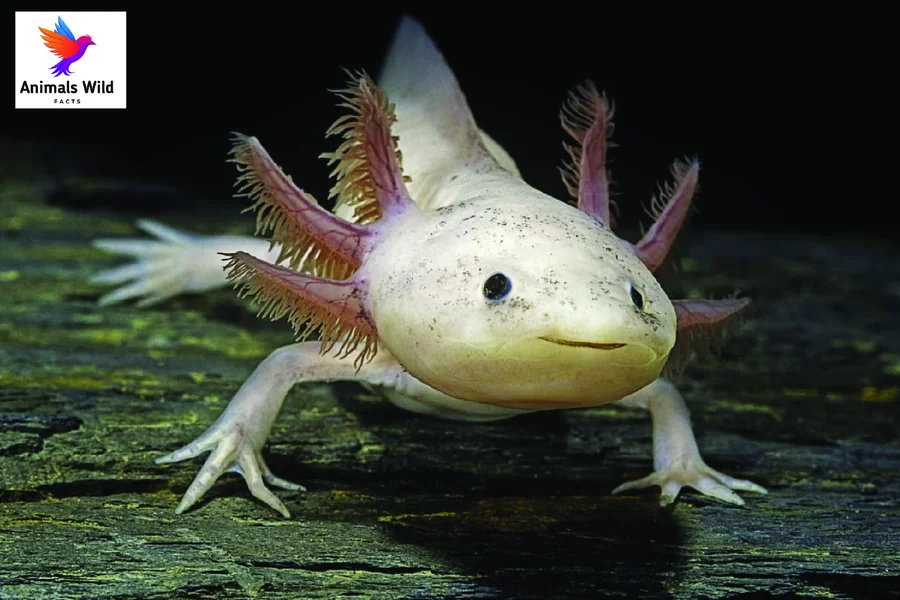
Male vs female axolotl is a common question. They look identical. But they grow up differently in shape, behaviour & roles in reproduction. We will cover this naturally in simple terms with simple answers first and more detail second.
Quick Answer: Male vs Female Axolotl
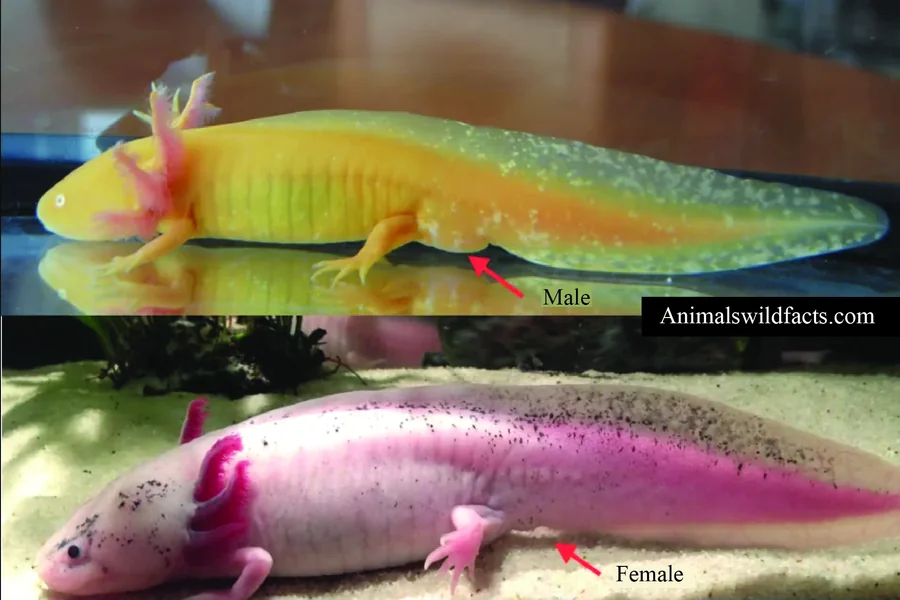
- Male axolotl: Slim body, long tail, large swollen cloaca
- Female axolotl: Round body, shorter tail, small flat cloaca
These traits become visible after maturity, usually between 12 and 18 months.
Scientific Classification
- Common Name: Axolotl
- Scientific Name: Ambystoma mexicanum
- Class: Amphibia
- Order: Urodela
- Family: Ambystomatidae
- Diet: Carnivorous (worms, insects, larvae, small fish)
Male Vs Female Axolotl Table
| Feature | Male Axolotl | Female Axolotl |
| Body Shape | Slim and narrow | Round and wider |
| Tail | Longer and more tapered | Slightly shorter and softer |
| Cloaca | Large, swollen, very visible | Small, flat, less noticeable |
| Weight | Lighter overall | Heavier due to egg production |
| Behavior | Active during breeding | Calm and less active |
| Breeding Role | Deposits spermatophores | Lays eggs |
| Egg Carrying | No | Yes |
| Identification Ease | Easy after maturity | Easy after maturity |
Physical Differences In Detail
Body Structure
Male axolotls have a more slender body. They appear longer and narrower from the head to the tail. This allows them to swim quickly to breed.
Females have a fatter belly. This is due to egg production. They can be plumper than males even when not laying eggs.
Cloaca Difference (Most Reliable Sign)
The trick is to look at the cloaca.
- In males, it is prominent and enlarged
- In females it is small and flat
This is the first place to check if you are unsure, once the axolotl has reached maturity.
Read Also: Top 10 Smartest Insects
Tail Shape
Adult male axolotls have longer tails with a distinct tip. This helps during courtship movement.
Females have shorter tails. Their tail is not as sharp and is more proportional to their size.
Behavior Differences Explained
In general, male and female axolotls have similar behavior. They are slow swimmers. They sleep or camouflage themselves.
But during mating season, there are differences:
- Males become more active. They swim around the tank and show them the way
- Females stay selective. They respond only when ready
Males can do a type of dance that resembles leading. This is part of the breeding ritual.
Natural Habitat And Distribution
Axolotls are native to the freshwater system of Xochimilco in Mexico.
Habitat Features
- Cool freshwater environment
- Lakes and slow-flowing canals
- Thick vegetation on muddy bottoms
- Low light conditions
Male and female axolotls live together. The sexes are not segregated.
Habitat Behavior
Axolotls prefer to stay hidden. They use plants and rocks for shelter. They rely on stillness and camouflage rather than speed.
Diet And Feeding Behavior
Axolotls are carnivores. They rely on protein-rich food.
Common Diet
- Earthworms
- Bloodworms
- Small fish
- Insect larvae
- Crustaceans
They use a suction feeding method. This means they quickly pull food into their mouth.
Read Also: What Is The State Bird Of Nevada
Male vs Female Feeding
There’s no significant difference in diet. However:
- Females may eat more before laying eggs
- Males keep to regular diet
Feeding rates vary with age and size.
Breeding Process Explained
Breeding highlights the biggest difference between male and female axolotls.
Step-by-Step Process
- Male lays down spermatophores on the ground
- Male lure the female to them
- Female ingests sperm
- Fertilization occurs inside the female
- Female deposits eggs on plants or surfaces
Egg Laying
- Females can lay 200 to 1,000 eggs
- Eggs are laid on plants or rocks
- Eggs take 2 weeks to hatch
Males don’t participate after fertilisation.
Growth And Lifespan
- Average lifespan: 10 to 15 years in captivity
- Growth rate: Similar in both sexes
- Maturity: Around 12–18 months
Females may look fatter because of eggs. Males may appear longer in length.
Conservation Status And Threats
The axolotl is critically endangered in the wild.
Main Threats
- Habitat loss in canal systems
- Water pollution
- Invasive fish species
- Urban expansion
Conservation programs are active in Mexico City to protect remaining populations.
Read Also: Animals With Horns
Fun Facts About Male Vs Female Axolotl
- Axolotls are capable of regenerating limbs and organs
- They don’t go through metamorphosis (neoteny)
- Females lay large clutches of eggs
- Male axolotls have larger cloacas
- They are not fish, although they live in water
Care Tips For Keeping Axolotls
Tank Setup
- Cool water (16–18°C)
- Low water flow
- Soft substrate or bare bottom
- Hiding spots with plants or caves
Male vs Female Care
Care is mostly the same. The main difference:
- Separate males and females if breeding is not desired
- Monitor females during egg-laying periods
Final Words
Telling male from female axolotl is easy with a little effort. Look at body shape and cloaca for easy sexing. Behavior differences appear mostly during breeding. Male and female axolotls have similar habitat, food and care requirements. Understanding the differences is important for their management, whether in the wild or in captivity.
FAQs:
Q1: How to determine the sex of your axolotl?
A: Look at the cloaca. The cloaca is swollen in males and flat in females.
Q2: Are female axolotls bigger than males?
A: Yes, females are often larger because of egg development, despite the males looking longer.
Q3: Are there differences in behaviour between male and female axolotls?
A: Yes, males are more aggressive during the breeding season, but females are less aggressive.
Q4: Can you keep male and female axolotls together?
A: Yes, but they will breed. Separate them if you want to avoid egg laying.
Q5: When can you determine the sex of an axolotl?
A: Around 12 to 18 months when the sexes start to look different.