
Top 20 Animals That Gallop (With Pictures)
Did you know that some animals can reach speeds of over 50 miles per hour, all while gracefully galloping through their natural habitats? In this article, we’ll explore the fascinating world of animals that gallop, from the iconic horse to the swift gazelle. Understanding these incredible creatures not only showcases the diversity of the animal kingdom but also reveals the evolutionary adaptations that help them thrive. Join us as we delve into the unique behaviors, habitats, and ecological roles of these amazing gallopers.
What is meant by galloping in animals?
Galloping is a dynamic and powerful gait primarily associated with horses, but it can also be observed in other large mammals like deer and some species of dogs. What sets galloping apart from other movements is its rhythmic and fluid transition between suspension phases, where all four legs leave the ground simultaneously. This airborne quality not only showcases an animal’s strength and agility but also serves as a means of covering ground quickly, making it essential for escape from predators or pursuing prey.
Galloping isn’t just about speed; it’s a form of expression and communication among animals. In the wild, a boasting display of galloping can assert dominance, while in domesticated settings, it can signify joy and playfulness. For instance, watching a horse gallop freely in an open field can evoke feelings of freedom and exuberance, as it mirrors the thrilling essence of life itself. This explosive movement encapsulates the spirit of survival and the instinctual drive that fuels many species, intertwining grace with raw power in an enchanting dance of nature.
List of Animals That Gallop
Below is the list of animals that can gallop:
- Horses
- Camels
- Bears
- Crocodiles
- Dogs
- Giraffes
- Antelopes
- Lion
- Wild Boars
- Hippos
- Wolves
- Llamas
- Gazelle
- Hyenas
- Tiger
- Deer
- Zebra
- Cheetahs
- Alpacas
- Bison
Horses
Scientific Name: Equus ferus caballus
Class: Mammalia
Diet: Herbivore
Horses have long captivated the imagination of humans, not just for their beauty but for the extraordinary speed and grace with which they gallop. This powerful gait, essential for survival in the wild, is a marvel of evolution that showcases the horse’s muscular anatomy and biomechanics. When a horse gallops, it unleashes a symphony of strength and agility, with its legs working in harmony to propel the animal forward at astonishing speeds, reaching up to 55 miles per hour in some breeds.

Beyond their physical prowess, horses symbolize a deep connection to human history and culture. From ancient civilizations to modern-day competitive sports, these majestic creatures have consistently served as partners alongside us. They embody a spirit of freedom and resilience, often mirroring the emotions of those who ride them. The bond between horse and rider can transcend words, creating a connection that is mystical in its depth — each gallop a dance of shared trust and understanding that can inspire awe and empathy. Whether racing across open fields or competing in elegant dressage, the gallop of a horse is more than just a display of speed; it is a profound expression of life, partnership, and the unbridled joy of movement.
Camels
Scientific Name: Camelus dromedarius
Class: Mammalia
Diet: Herbivore
Camels, often dubbed “ships of the desert,” possess a unique and powerful galloping style that reflects their remarkable adaptability to harsh environments. Their long legs and padded feet allow them to glide effortlessly over sand, while their distinctive, swaying motion helps distribute weight evenly — an essential skill for traversing the unforgiving terrain. Camels can run at speeds of up to 40 miles per hour in short bursts, showcasing agility that often surprises those who only see them as slow, lumbering creatures.
Moreover, these magnificent animals have developed a special way of conserving energy during their gallops. They can maintain a steady pace for extended periods without exhausting their reserves, thanks to their ability to regulate body temperature and efficiently process water. This endurance, combined with their unique locomotion, allows camels to travel great distances in search of food and water — a testament to their resilience and evolutionary prowess.
Bears
Class: Mammalia
Diet: Omnivore
Bears, often associated more with lumbering strength than speed, can actually gallop when the need arises, showcasing an unexpected elegance. Despite their hefty size, grizzly and black bears can reach speeds of up to 30 miles per hour over short distances. This burst of speed is particularly surprising when one considers their bulky stature; it’s a reminder that even the mightiest creatures possess more agility than we often realize.

When galloping, their bodies shift in dynamic harmony, a juxtaposition of power and grace reminiscent of a dancer on stage. This movement serves both defensive and opportunistic purposes. Bears might charge to protect their young or to chase after prey, highlighting their adaptability in varied ecosystems.
Crocodiles
Class: Reptilia
Diet: Carnivore
Crocodiles, often perceived as slow-moving reptiles, actually possess a surprising ability to gallop. When threatened or during a chase, these formidable creatures can utilize a unique form of locomotion. This involves an impressive burst of speed, allowing them to cover short distances remarkably quickly. Their powerful legs push off the ground, enabling them to achieve a galloping motion that is unexpected for their bulky bodies.
What sets crocodiles apart is their ability to transition between aquatic and terrestrial movement seamlessly. While they are masters of stealth in water, their swift galloping on land showcases an adaptive trait that aids in their survival. This dual capability not only enhances their hunting strategies but also serves as a reminder of the ecological roles they play, ensuring balance in their habitats. Observing this dynamic shift in movement style invites us to reevaluate our perceptions of these ancient reptiles, highlighting their evolutionary prowess in both water and on land.
Dogs
Scientific Name: Canis lupus familiaris
Class: Mammalia
Diet: Omnivore
Dogs, often celebrated for their companionship, also share a unique connection with the art of galloping. This energetic movement isn’t exclusive to the equestrian world; breeds like Greyhounds and Vizslas showcase remarkable speed and grace, turning any open field into their personal racetrack. Observing a dog gallop reveals not just physical agility but an expression of sheer joy and freedom, unmatched in its exuberance. Their rhythmic strides, a blend of power and elegance, evoke a sense of wonder as they navigate natural terrains with effortless ease.

Beyond the spectacle, the ability to gallop is deeply rooted in a dog’s ancestry. Breeds originally employed for hunting exhibit this skill to traverse vast distances swiftly, an instinctual echo of their forebears in the wild. While many modern pets might engage in playful sprints around the backyard, the sight of a dog galloping can kickstart a deep-seated admiration for their innate abilities and the bond that forms through shared play.
Giraffes
Scientific Name: Giraffa camelopardalis
Class: Mammalia
Diet: Herbivore
Giraffes, often celebrated for their towering stature and unique necks, are surprisingly adept at galloping — a trait that may not come to mind when picturing these gentle giants. When they run, their bodies adopt a distinctive gait, characterized by a rhythmic, loping motion that resembles a dance. This movement, known as the “galloping gait,” allows them to cover ground swiftly, reaching speeds of up to 37 miles per hour in short bursts. Their long legs and flexible spines work in harmony, allowing them to stretch and contract with grace, a marvel of evolutionary design.
Interestingly, this ability to gallop serves more than just a purpose in evading predators. It plays a crucial role in their social dynamics, as young giraffes often engage in playful races, establishing social bonds and hierarchies within their herds. Observers of these majestic animals may notice how their galloping can transform into an elegant bounding motion, showcasing not only speed but also joy, as if they are celebrating their unique place in the savannah.
Antelopes
Class: Mammalia
Diet: Herbivore
Antelopes are the embodiment of grace in motion, turning the vast grasslands and savannas into their personal racetracks. With long, slender legs built for speed, these animals can reach speeds of up to 55 miles per hour, making them some of the fastest runners in the animal kingdom. What’s particularly fascinating is their unique style of gallop, characterized by smooth, rhythmic leaps that appear almost effortless. This breathtaking display not only aids in evading predators but also allows them to cover large distances while maintaining energy efficiency.
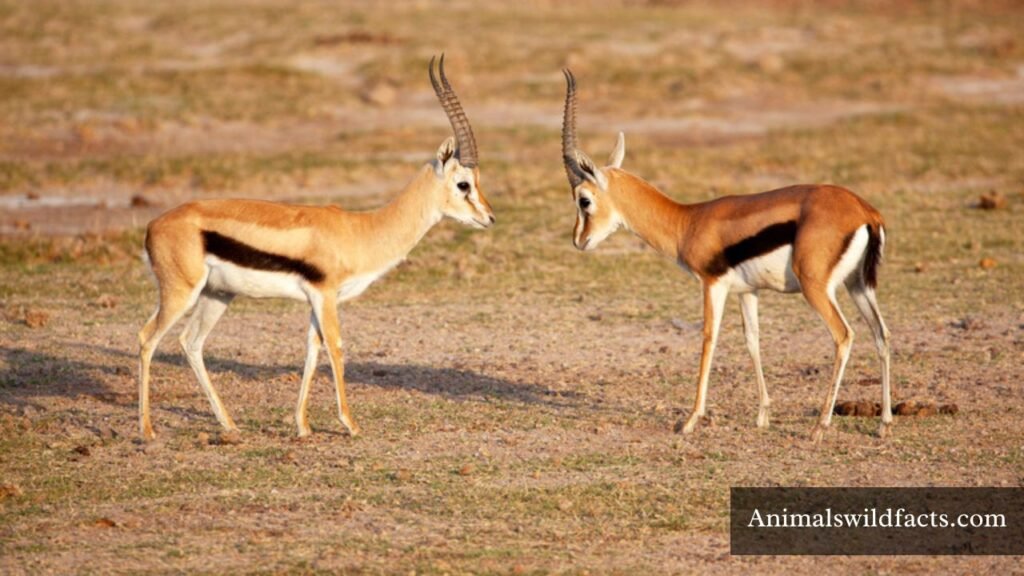
Beyond their impressive speed, antelopes demonstrate remarkable adaptability to their environments. Different species have evolved incredible strategies for survival, such as the nimble Thompson’s gazelle, which utilizes quick changes in direction to confuse predators. Their social structures also play a key role in their galloping success. Living in herds, they communicate with intricate vocalizations and body language that enhance group cohesion, allowing them to act swiftly and effectively when danger approaches.
Lion
Scientific Name: Panthera leo
Class: Mammalia
Diet: Carnivore
The lion, often referred to as the “king of the jungle,” showcases a unique galloping style that may not be as well-known as that of other four-legged creatures. While they primarily rely on stealth and strength during hunts, their gallop reveals an elegance and power that is mesmerizing. Unlike the continuous speed bursts of a cheetah, a lion’s gallop is a short, explosive display used to cover ground quickly when closing in on prey. This powerful stride emphasizes their muscular build, which serves as both an advantage and a detriment; they can only sustain such exertion for short distances.
The social dynamics of a lion pride influence their galloping behavior. When hunting in groups, lions synchronize their movements, employing a strategy that blends speed with precision. This cooperative approach not only maximizes their chances of a successful hunt but also illustrates the strength of their social bonds. Observing this intricate dance of galloping in the wild reveals a deeper story about teamwork and adaptability — qualities that are vital for survival in the challenging landscapes they inhabit.
Wild Boars
Scientific Name: Sus scrofa
Class: Mammalia
Diet: Omnivore
Wild boars are often recognized for their robust bodies and formidable tusks, but their surprising agility adds a unique twist to their character. When they gallop, it’s not merely for survival; it’s an expression of their raw, untamed energy. These animals can reach impressive speeds of up to 30 miles per hour, showcasing a surprising combination of power and grace as they navigate their natural habitats. Observing a wild boar in full gallop reveals not only their muscular strength but also the captivating rhythm of their movement, allowing them to traverse varied terrains with startling ease.

The galloping behavior of wild boars is a crucial aspect of their social dynamics. In herds, these energetic sprints serve as a form of communication, helping to establish social hierarchies and strengthen bonds within the group. Moreover, their ability to maneuver quickly in response to threats highlights their adaptability and intelligence — traits that have enabled them to thrive in diverse environments, from dense forests to open grasslands.
Hippos
Scientific Name: Hippopotamus amphibius
Class: Mammalia
Diet: Herbivore
Despite their bulk and seemingly cumbersome bodies, hippopotamuses are surprisingly adept at moving quickly over land. When threatened or excited, a hippo can gallop at speeds of up to 19 miles per hour, a feat that often astonishes those who view them as simply massive water-dwellers. This rapid movement is far from just an adaptation for escape; it exemplifies the hippo’s dual nature as both a fierce terrestrial and aquatic animal.
Interestingly, hippos’ unique anatomy contributes to their surprising speed. Their short legs, sturdy barrel-like bodies, and immense weight can create a powerful momentum, allowing them to propel forward with startling agility. However, this galloping ability is not just about speed; it underscores a complex social structure where males establish dominance through displays of power, often characterized by charging displays after emerging from the water. Watching a hippo gallop brings a new appreciation for these seemingly sluggish giants, revealing an unexpected elegance in their movement that reflects their vibrant role in the ecosystems they inhabit.
Wolves
Scientific Name: Canis lupus
Class: Mammalia
Diet: Carnivore
Wolves, often portrayed as the quintessential symbol of the wild, showcase an elegance in their galloping stride that transcends mere survival mechanics. Their long, powerful limbs enable them to traverse vast terrains with surprising grace, making them not only efficient hunters but also masters of endurance. In open landscapes, a wolf can maintain a steady pace of around five miles per hour for hours, utilizing this stamina to tire out prey and create strategic opportunities during hunts.

Yet, what truly captivates observers is the wolves’ social structure, which influences their running style. When in packs, wolves synchronize their movements, appearing as a fluid, undulating mass of fur and muscle. This captivating display is not just about speed; it’s a complex form of communication and coordination. Their ability to gallop together reflects their intricate social dynamics, fostering bonds and enhancing their effectiveness as a unit. Watching a pack of wolves gallop across the tundra evokes a primal appreciation for nature’s design, reminding us that every stride carries not just physical power but also a deep-rooted connection to their community and environment.
Llamas
Scientific Name: Lama glama
Class: Mammalia
Diet: Herbivore
Llamas, often celebrated for their gentle demeanor and fluffy coats, have a surprising athleticism that sets them apart in the animal kingdom. These charismatic creatures can gallop at impressive speeds, reaching up to 30 miles per hour over short distances. Their unique gait — an often elegant four-beat pacing — allows them to traverse rough terrains, making them exceptional pack animals in the Andean mountains where they were first domesticated.
Beyond their physical prowess, llamas are fascinating social animals. Their intriguing communication includes a range of sounds, from soft humming to loud alarms, each playing a crucial role in their sophisticated herd dynamics. Interestingly, llamas have been used as therapy animals, providing emotional support and companionship due to their calm nature.
Gazelle
Class: Mammalia
Diet: Herbivore
The gazelle is a marvel of speed and agility, embodying grace as it navigates the savanna. With a top speed that can reach up to 60 miles per hour, these animals have evolved remarkable adaptations to evade predators. Their long legs and lightweight bodies give them an edge, allowing for impressive leaps that can span over 10 feet. This ability isn’t just for show; it serves as a crucial survival tactic, helping them escape the clutches of hungry lions and cheetahs.

What truly sets gazelles apart, however, is their unique method of galloping. Unlike some other fast runners, they employ a bounding motion that conserves energy while maximizing speed. This efficiency lets them cover expansive distances in search of food and water, showcasing a fascinating interplay between speed and endurance. Observing a gazelle in motion is like watching poetry in motion; their elegant transitions from swift gallops to graceful staccato jumps are a reminder of nature’s artistry.
Hyenas
Scientific Name: Hyaenidae
Class: Mammalia
Diet: Carnivore
Hyenas, often mischaracterized as mere scavengers, are remarkable gallopers in their own right. With a unique body structure that combines strength and agility, they can reach speeds of up to 37 miles per hour. This incredible speed is not just for show; it allows them to pursue prey and engage in social dynamics within their clans. The way they gallop, with their forelimbs slightly longer than their hind limbs, gives them a distinctive running style, contributing to their ability to cover vast distances in search of food.
What truly sets hyenas apart is their complex social structure, which influences their hunting tactics. Unlike solitary hunters, hyenas often hunt in groups, allowing them to combine their galloping prowess with strategic coordination. This teamwork enhances their efficiency, enabling them to tackle larger prey than they could on their own. As a result, their galloping is not just a means of mobility but also a crucial component of their survival strategy in the African savannas, demonstrating the intricate relationship between form, function, and social behavior in the animal kingdom.
Tiger
Scientific Name: Panthera tigris
Class: Mammalia
Diet: Carnivore
The tiger, often celebrated for its striking beauty and solitary nature, possesses a unique galloping style that sets it apart from other big cats. Unlike its more social relatives, the tiger employs its powerful limbs to achieve an impressive burst of speed, reaching up to 30 miles per hour in short sprints. This agility, coupled with its muscular build, allows the tiger to close the distance on prey with stunning efficiency, showcasing a blend of power and grace that is simply mesmerizing to witness.

Tigers have adapted their galloping technique to suit their dense forest habitats, where stealth is just as crucial as speed. Their distinctive gallop is characterized by a low center of gravity, which helps them navigate through thick underbrush while maintaining balance and control. This adaptation not only enhances their hunting prowess but also reflects their evolutionary journey, illustrating how these magnificent creatures thrive in diverse environments.
Deer
Scientific Name: Cervidae
Class: Mammalia
Diet: Herbivore
Deer, with their elegant grace and powerful legs, embody the essence of galloping in the wild. Their unique mode of locomotion, characterized by a two-beat gait, allows them to cover ground with impressive speed, enabling them to escape predators in the blink of an eye. What’s fascinating is that their gallop isn’t just about raw speed; it’s a harmonious blend of agility and fluidity, allowing them to navigate through dense forests and rugged terrains with astonishing ease.
The social dynamics of deer play a crucial role in their galloping prowess. When in groups, known as herds, younger deer often learn optimal escape strategies from elders, honing their instincts and refining their ability to sprint out of danger. This communal knowledge enhances not only their survival rates but also showcases a remarkable level of interdependence within deer societies.
Zebra
Scientific Name: Equus quagga
Class: Mammalia
Diet: Herbivore
Zebras, with their striking black-and-white stripes, don’t just capture our attention aesthetically; they are natural athletes, built for speed and endurance. Galloping across the African savannas, they can reach speeds of up to 40 miles per hour, an impressive feat for an animal primarily recognized for its unique coat. Their distinctive stripes serve a dual purpose: not only do they create a dazzling visual display, but they also help confuse predators and regulate body temperature in the harsh sun.

Interestingly, zebra families are tightly knit, with a social structure that affects their galloping strategies. In the wild, groups often move in unison during a gallop, utilizing coordinated turns and quick movements to evade threats. Observations suggest that their ability to communicate non-verbally through body language enhances their collective agility. This social dynamic not only aids in survival but also contributes to the breathtaking sight of a herd of zebras thunderously galloping across the landscape, a living reminder of the beauty and complexity of nature in motion.
Cheetahs
Scientific Name: Acinonyx jubatus
Class: Mammalia
Diet: Carnivore
Cheetahs are the ultimate embodiment of speed in the animal kingdom, a fact even more astonishing when considering their unique anatomy. Unlike other big cats, they possess a lightweight frame coupled with long, slender legs, allowing them to reach explosive speeds of up to 75 miles per hour in mere seconds. This incredible velocity is primarily due to their specialized respiratory system, which enables rapid oxygen intake, and an elongated spine that flexes with each galloping stride, letting them cover vast distances in just a few heartbeats.
However, the pursuit of lightning-fast prey comes at a cost. Cheetahs can only maintain their astounding speed for short bursts, usually up to 20 to 30 seconds, before becoming exhausted. This high-energy chase is a testament to their evolution, showcasing how efficiency and hunting tactics intertwine. With keen eyesight, they often rely on their acute vision to spot prey from afar, making strategic decisions about when and where to sprint. Their galloping prowess is not merely about muscle; it’s a blend of instinct, elegance, and the survival skills honed over thousands of years.
Alpacas
Scientific Name: Vicugna pacos
Class: Mammalia
Diet: Herbivore
Alpacas, often perceived as calm and cuddly companions, have a surprising side: their unique gait. When they gallop, these charming creatures showcase a delightful mix of agility and grace, their long necks stretching forward as they propel themselves across fields. This fluid motion is not just a whimsical display; it reflects their innate ability to navigate rugged terrains found in their native Andes mountains. Watching an alpaca gallop is like witnessing a gentle breeze transform into a playful zephyr — unexpected yet enchanting.

Equipped with padded feet, alpacas are well-adapted to their environments, minimizing their impact on delicate landscapes. Their galloping behavior, which might initially seem out of character, serves as a fascinating reminder of their wild ancestry. Social animals at heart, alpacas often engage in exhilarating bursts of speed when chasing each other in playful antics or when expressing their exuberance. This quick dash, far from being mere exercise, fosters strong social bonds, showcasing the intricate tapestry of life within their herds.
Bison
Scientific Name: Bison bison
Class: Mammalia
Diet: Herbivore
Bison are not just massive, lumbering creatures; they are surprisingly agile when the occasion calls for it. A male bison can weigh up to 2,000 pounds, yet it can gallop at speeds nearing 35 miles per hour over short distances. This quick burst of speed is usually employed to escape predators or navigate challenging terrain in search of food or water. Their powerful, muscular frames belies a gracefulness that few expect from such hefty beasts.
What’s fascinating is how their galloping ability plays a crucial role in their social dynamics. When bison are on the move, whether in search of grazing lands or during the daring courtship rituals, their sprinting reveals a surprisingly sophisticated communication system. Their rhythmic thumping hooves create a communal heartbeat, a signal not just of movement, but of unity within the herd. This means of communication augments their protective strategies, showcasing the intricate social structures that exist in bison groups.
Readmore: Explore Top 20 Animals That are Skinny.
Conclusion
Galloping is not just a mode of movement but a captivating display of speed and agility that many animals master. From the majestic horses of the plains to the swift gazelles of the savanna, each creature showcases its unique adaptations for this exhilarating gait. Understanding the mechanics behind galloping can deepen our appreciation for these incredible animals and the environments they inhabit. As we continue to study their behaviors and habitats, we must also consider our role in conserving these species and their ecosystems. Join us in advocating for wildlife protection and ensuring that future generations can witness the beauty of galloping animals in the wild.
FAQs
What animals can gallop?
Horses, zebras, and donkeys are well-known animals that can gallop. Various species of deer and antelope, like the mule deer and springbok, can also perform this fast-paced gait. Camels and certain breeds of dogs, such as Greyhounds, are capable of galloping too. Other animals that can gallop include rhinoceroses and some large cats, like cheetahs and cougars. Even though they may not do it as frequently, farm animals like goats can gallop as well.
Do giraffes gallop?
Yes, giraffes can gallop, although it’s not their primary mode of movement.
Does a crocodile gallop?
Yes, crocodiles can gallop, but only when they are on land. This unique movement is a fast, bounding run that allows them to cover ground quickly, usually lasting just a short distance. While they typically move in a more belly-dragging manner, their ability to gallop showcases their surprising agility when necessary.