Top 13 Animals that Drink a lot of Water (With Images)
Did you know that some animals can drink up to a hundred liters of water in a single day? In the vast tapestry of the animal kingdom, water consumption varies dramatically, with some species requiring an astonishing amount to thrive. This article delves into the fascinating world of animals that drink a lot of water, revealing how their survival depends on this vital resource. Discover the extraordinary adaptations that allow these creatures to manage their hydration needs and the ecological implications of their habits.
List of Animals that Drink a lot of Water
Here is the list of animals that drink lot of water:
| Number of Animals | Animals that Drink a lot of Water |
| 1 | Elephants |
| 2 | Horses |
| 3 | Camels |
| 4 | Hippopotamus |
| 5 | Kangaroos |
| 6 | African Buffalo |
| 7 | Moose |
| 8 | Proboscis Monkey |
| 9 | Cows |
| 10 | Giraffe |
| 11 | Marine Iguana |
| 12 | Rhinoceros |
| 13 | Zebra |
Elephants
Scientific Name: Loxodonta africana (African), Elephas maximus (Asian)
Class: Mammalia
Diet: Herbivore
Among the animal kingdom, elephants stand out not just for their size but also for their extraordinary hydration needs. An adult elephant can consume up to 18–24 gallons of water in a single day, especially during the sweltering heat of the day. This massive intake isn’t just for hydration; it plays a vital role in their social behaviors and ecological contributions. When an elephant bathes or splashes water onto itself, it cools down while also creating mud puddles that benefit other species, showcasing their role as environmental stewards.
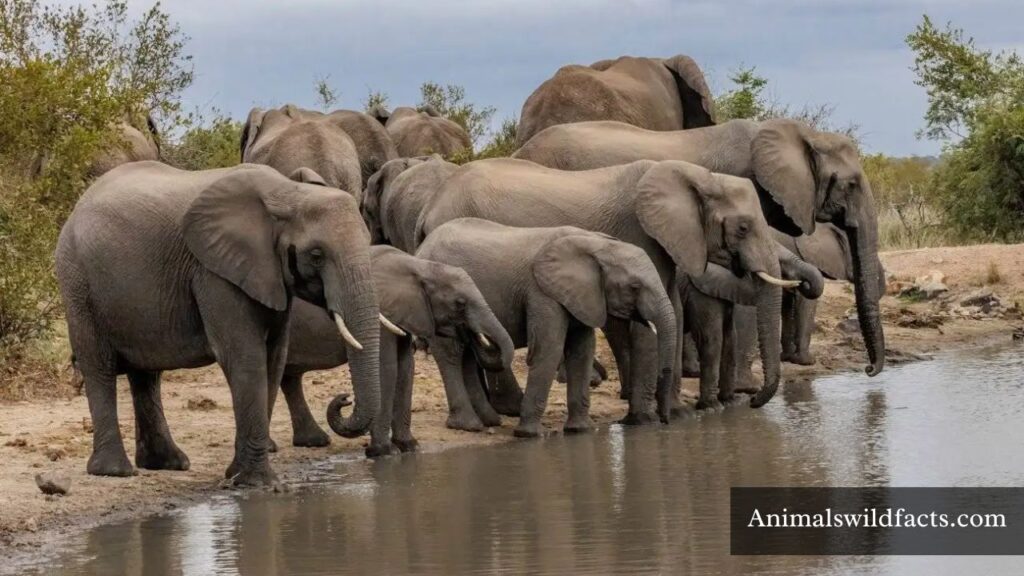
Interestingly, elephants exhibit remarkable intelligence in seeking water sources. They can detect underground water through vibrations and even use their trunks to dig wells, demonstrating a sophisticated understanding of their environment. This instinctual knowledge highlights their adaptability and resilience in the wild. Moreover, their social structures often revolve around the search for water, emphasizing the deep connections formed within herds as they navigate challenges together.
Horses
Scientific Name: Equus ferus caballus
Class: Mammalia
Diet: Herbivore
Horses are impressive creatures not only for their strength and agility but also for their water consumption habits. On average, a horse can drink between 5 to 10 gallons of water per day, depending on factors such as climate, activity level, and diet. This significant intake is crucial for maintaining their high-energy lifestyles, particularly for those involved in rigorous training or competition. Interestingly, horses often develop unique drinking behaviors, such as timing their sips with their breathing pattern, showcasing their adaptability in efficiently managing hydration.
Moreover, the type of water they consume can greatly influence their health. Horses prefer clean, fresh water — ideally free from contaminants and debris. They are also sensitive to water temperature; cooler temperatures can encourage consumption, especially in warmer climates. This preference underscores the bond between a horse’s well-being and their hydration habits, highlighting the owner’s role in providing optimal care. Understanding these nuances can enhance the overall health of these magnificent animals, reminding us that even their hydration methods reveal much about their unique physiology and needs.
Camels
Scientific Name: Camelus dromedarius (Dromedary), Camelus bactrianus (Bactrian)
Class: Mammalia
Diet: Herbivore
Camels are often dubbed the “ships of the desert,” but their remarkable hydration strategies truly make them extraordinary. Surprisingly, these animals possess the ability to lose up to 25% of their body weight due to dehydration without suffering any adverse effects. This incredible adaptability is a result of their unique physiology, which includes specialized red blood cells that maintain their shape during extreme fluctuations in body fluids. When camels finally do drink, they can consume up to 40 gallons of water in just a single session, quickly replenishing their bodies after enduring days without fluids.
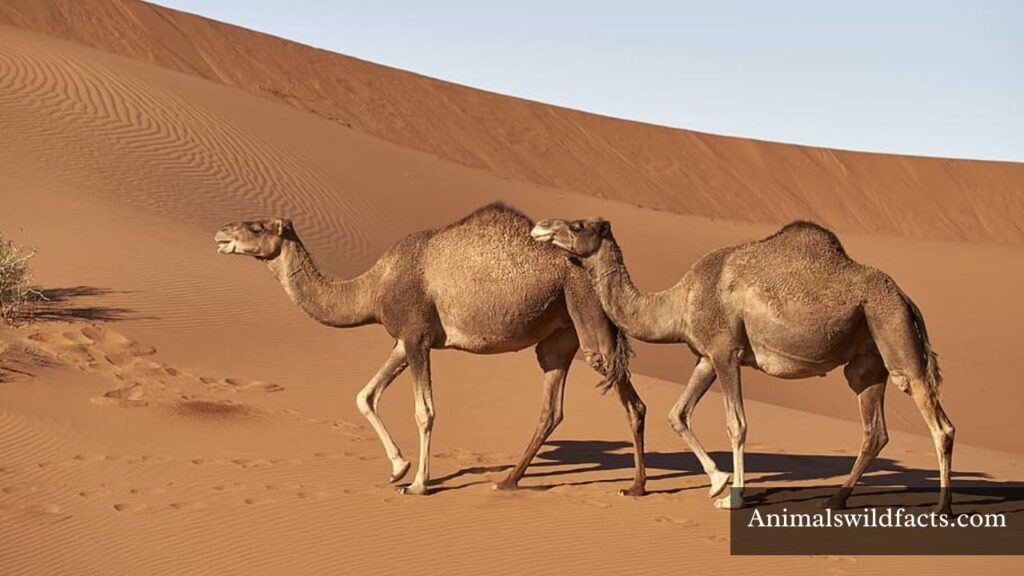
Moreover, camels’ drinking habits extend beyond mere survival; they play a key role in their social interaction and hierarchy. In arid environments, access to water can influence social structures, as dominant camels often get the first opportunity to drink. This behavior highlights a fascinating aspect of their social dynamics, intertwining hydration with social ranking. Camels have been observed to be highly efficient in utilizing the moisture from their diet, often deriving enough hydration from the grasses and other vegetation they consume, further showcasing their evolutionary ingenuity in the harshest of climates.
Hippopotamus
Scientific Name: Hippopotamus amphibius
Class: Mammalia
Diet: Herbivore
Hippopotamuses are fascinating creatures, not just for their imposing size but for their unique relationship with water. These massive mammals can consume up to 40 gallons of water daily, not merely for hydration, but to cool themselves in the sweltering African sun. Unlike many other animals, hippopotamuses spend a considerable amount of their daytime submerged in rivers and lakes, using the water not just as a refuge but also as a protective barrier against the sun’s harsh rays. Their skin secretes a natural sunscreen that appears reddish-orange, often misleadingly nicknamed “blood sweat,” which provides additional hydration and protection.
What’s even more intriguing is how hippos have evolved to thrive in aquatic environments. Despite their bulk, they are surprisingly agile swimmers, possessing webbed feet that allow them to navigate effortlessly through the water. During the night, they emerge to graze on grasses, consuming up to 88 pounds of vegetation. This nocturnal lifestyle underscores a critical aspect of their water dependency: it’s not just about drinking; it’s about creating a unique habitat that supports their survival and social structure.
Kangaroos
Scientific Name: Macropus rufus
Class: Mammalia
Diet: Herbivore
Kangaroos, often celebrated for their powerful hind legs and iconic hopping, are also remarkable when it comes to hydration. In the arid landscapes of Australia, where water can be a scarce resource, these marsupials have adapted uniquely to their environment. Unlike many animals that rely predominantly on drinking water, kangaroos have developed a fascinating ability to derive moisture from the vegetation they consume, allowing them to thrive even in drought conditions.
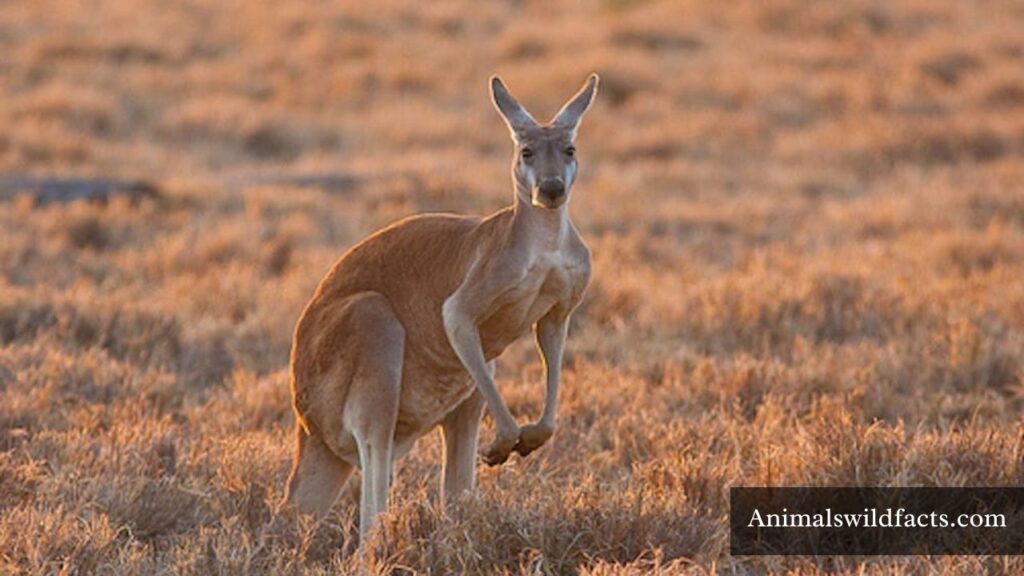
Interestingly, kangaroos can survive long periods without direct water intake, obtaining up to 80% of their necessary hydration from their leafy diet. Their bodies are finely tuned to efficiently process this water, absorbing it from plants like grasses and shrubs. In addition, kangaroos are crepuscular, meaning they are most active during dawn and dusk, which not only helps them avoid the heat of midday but also optimizes their foraging opportunities when they can find the richest sources of moisture in the flora around them.
African Buffalo
Scientific Name: Syncerus caffer
Class: Mammalia
Diet: Herbivore
African buffaloes, known scientifically as Syncerus caffer, are not just iconic figures of the savannah; they are impressive water drinkers, often consuming up to 30 gallons a day. This remarkable need stems from their unique physiological adaptations, which allow them to thrive in the dry, arid regions of Africa. Unlike many other herbivores, buffalos are able to acquire moisture not only from water sources but also from the lush grasses and vegetation they consume. This dual strategy is essential for their survival in fluctuating environments, showcasing an intriguing balance between hydration and foraging.
Interestingly, the social structure of buffalo herds plays a pivotal role in their drinking habits. These social animals often congregate at waterholes, creating fascinating interactions that extend beyond mere hydration. Their communal drinking rituals not only replenish their bodies but also strengthen social bonds and create a sense of safety in numbers against potential predators. Observing a herd of African buffaloes at a watering hole unveils more than just a thirst; it reveals a complex tapestry of behavior and survival, emphasizing how vital water is to their communal lifestyle.
Moose
Scientific Name: Alces alces
Class: Mammalia
Diet: Herbivore
The moose, one of the largest members of the deer family, has a unique relationship with water that goes beyond mere hydration. These magnificent creatures thrive in wetland habitats, often found in forests, swamps, and lakesides. Interestingly, moose are not just passive drinkers; they’re adept swimmers, using their long legs to traverse deep waters in search of aquatic plants. A moose can submerge its head for nearly 30 seconds at a time, allowing it to munch on nutrient-rich vegetation, which is vital during hotter months when food sources get scarce.
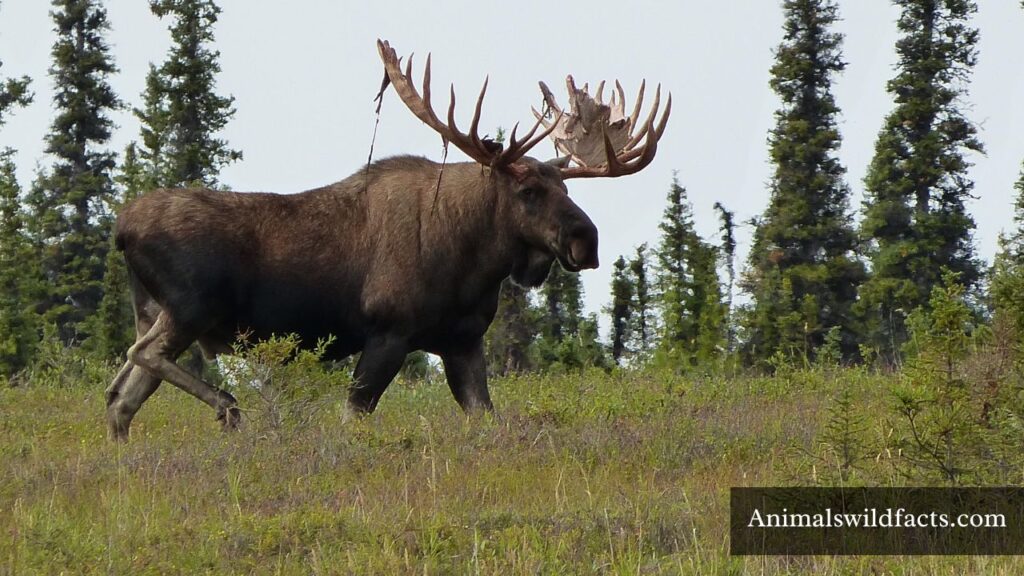
What sets moose apart is their impressive daily water intake. An adult moose can consume up to 30 gallons of water each day, especially in the warm summer months when they rely heavily on it for cooling and digestion. This substantial need is tied to their expansive bodies that create a larger demand for hydration. Moreover, as climate change alters their habitats, understanding how these majestic animals interact with water sources becomes increasingly crucial. Their ability to adapt to fluctuating water levels and changing ecosystems holds valuable lessons for wildlife conservation and the future preservation of moose populations.
Proboscis Monkey
Scientific Name: Nasalis larvatus
Class: Mammalia
Diet: Omnivore
The proboscis monkey, easily identifiable by its distinctive large nose, has an intriguing relationship with water that goes beyond mere hydration. Native to the mangrove forests and riverine areas of Borneo, these monkeys have adapted to a life that is inextricably linked to water. Their highly social behavior often leads them to congregate near rivers, where they not only drink but also indulge in unique aquatic antics — splashing, diving, and even foraging for food underwater. This affinity for water highlights their playful nature and complex social structures, revealing a side of these primates that many may overlook.
Interestingly, proboscis monkeys need abundant water to support their high-fiber diet, primarily consisting of leaves and fruits. Their impressive digestive systems are finely tuned to extract the necessary nutrients from such fibrous material, but this process requires significant hydration. To aid in digestion and maintain their energy levels, they often consume water-rich foods like young leaves and fruits. This symbiosis between their eating habits and their need for hydration illustrates an elegant balance in their ecosystem, where water is not just a resource but a crucial element of their survival strategy.
Cows
Scientific Name: Bos taurus
Class: Mammalia
Diet: Herbivore
Cows are astounding creatures, not only for their gentle demeanor but also for their impressive hydration needs. On average, an adult cow can drink between 30 to 50 gallons of water each day, dependent on factors like temperature, diet, and lactation. This thirst is not just a necessity; it plays a critical role in their productivity, influencing milk yield and overall health.
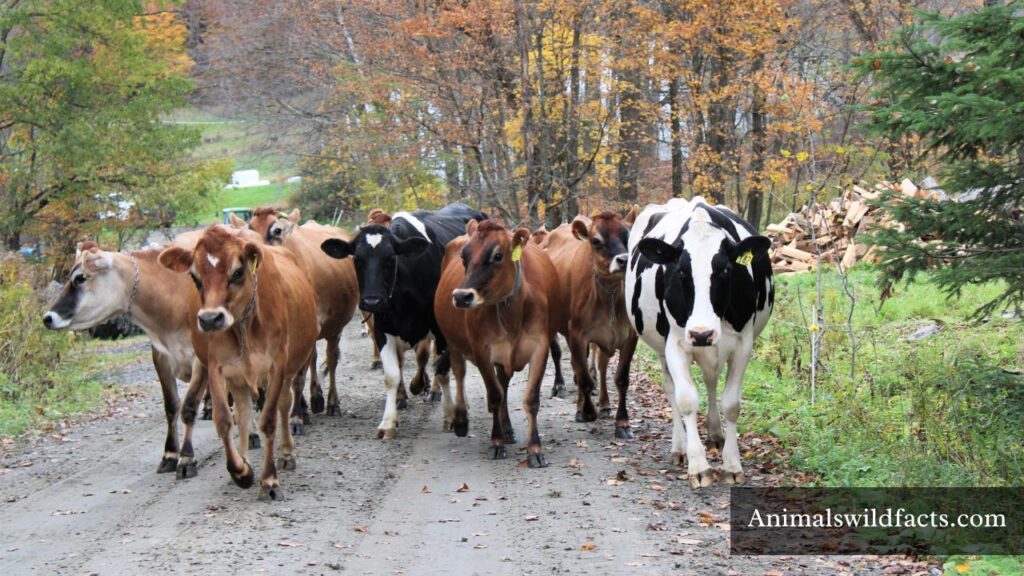
What’s particularly fascinating is how cows instinctively know when and where to hydrate. Their natural behavior often leads them to water sources, which isn’t merely a survival tactic but also a social activity. Cows are known to form strong bonds and can often be seen drinking together, engaging in a communal ritual that reinforces social structures within their herds.
Giraffe
Scientific Name: Giraffa camelopardalis
Class: Mammalia
Diet: Herbivore
Giraffes, the gentle giants of the African savannah, have a fascinating relationship with water that belies their towering stature. Known for their remarkable adaptability, these creatures can go long periods without drinking, thanks to their ability to extract moisture from the leaves and fruits they consume. However, when the opportunity arises, they can drink large quantities of water, showcasing their impressive capacity to hydrate. In fact, a thirsty giraffe can gulp down up to 12 gallons in a single session, demonstrating both their need and the strategic importance of water in their environment.
Despite their immense height, giraffes face a unique challenge when drinking. Their long necks and legs make bending down to the ground a precarious endeavor, as they must awkwardly splay their legs. This vulnerability makes them more susceptible to predators during this moment, adding a layer of risk to their hydration routine.
Marine Iguana
Scientific Name: Amblyrhynchus cristatus
Class: Reptilia
Diet: Herbivore
The marine iguana, a unique reptile endemic to the Galápagos Islands, presents an intriguing case in the study of hydration in animals. Unlike many terrestrial species, these iguanas are exceptionally adapted to both land and sea, having evolved a remarkable ability to dive underwater in search of algae. What’s particularly fascinating is how they manage their water consumption — though they consume minimal freshwater, they regulate their salt intake through specialized glands that excrete excess salt, allowing them to thrive in their saline environment.
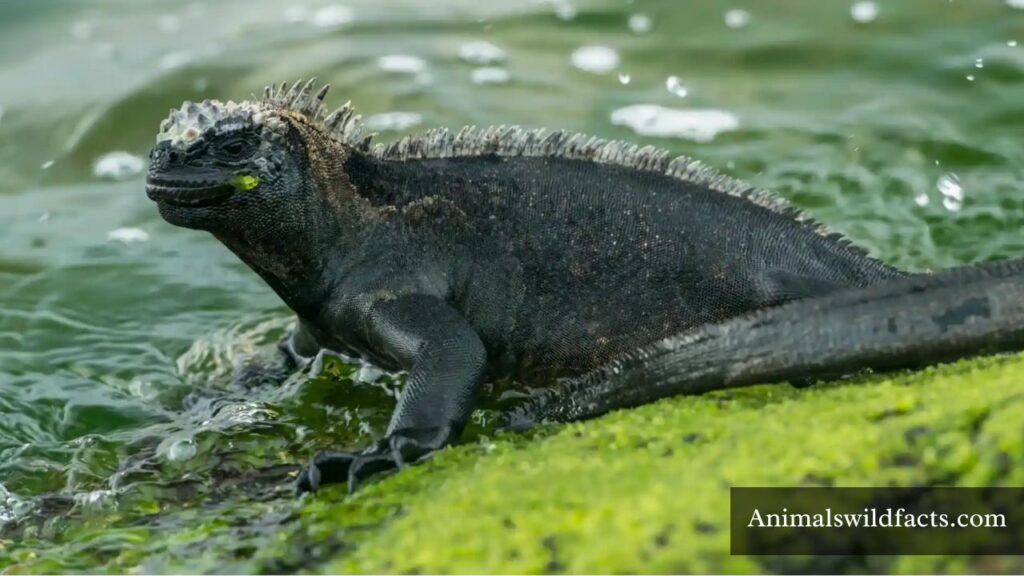
These iguanas demonstrate a compelling balance between their aquatic lifestyle and need for hydration. After their foraging dives, they bask in the sun to warm up and digest their food, which helps facilitate absorption of their primary nutrient source, the algae. Their capacity to drink seawater and effectively filter out the salt allows them to maintain hydration while minimizing competition for freshwater sources on the islands. This extraordinary adaptation not only highlights the resilience of marine iguanas but also provides valuable insights into how organisms can thrive in extreme environments.
Rhinoceros
Scientific Name: Rhinocerotidae
Class: Mammalia
Diet: Herbivore
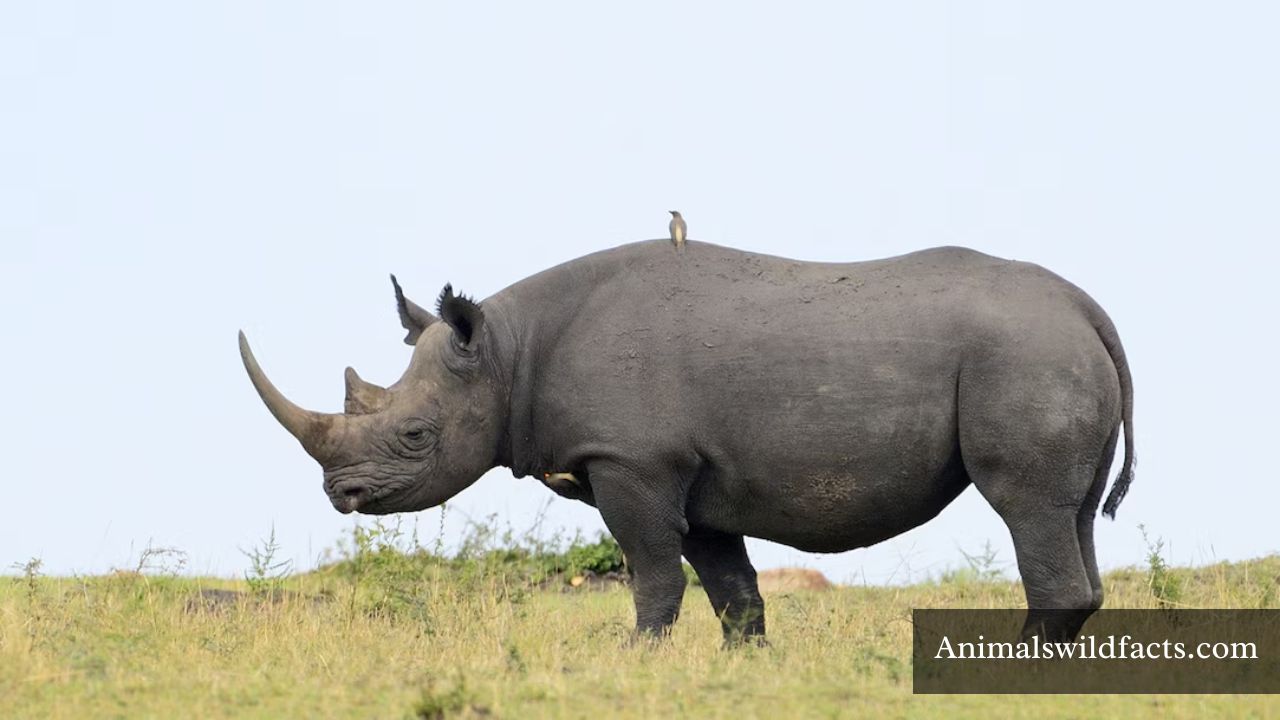
Rhinoceroses, often depicted as formidable giants of the savannas, have a surprisingly nuanced relationship with water. These magnificent creatures can drink up to 40 gallons of water a day, depending on their activity levels and environmental conditions. This staggering consumption isn’t merely about hydration; it also plays a critical role in their digestion and cooling systems. As large herbivores, rhinos depend on water not only to quench their thirst but also to aid the breakdown of their fibrous diet, enhancing nutrient absorption.
In addition to drinking, rhinos engage in water-based activities that promote their overall well-being. Wallowing in mud and water serves multiple purposes: it helps regulate their body temperature, protects them from sunburn, and even acts as a natural insect repellent.
Zebra
Scientific Name: Equus quagga
Class: Mammalia
Diet: Herbivor
Zebras, often associated with the sun-baked savannas of Africa, have adapted remarkably to their environment, particularly when it comes to hydration. Despite being animals of the dry terrains, zebras are known to consume significant amounts of water — sometimes up to 10 gallons a day. This impressive intake is essential, not just for survival, but also for maintaining their energetic lifestyle, which includes long migrations in search of fresh grazing grounds.
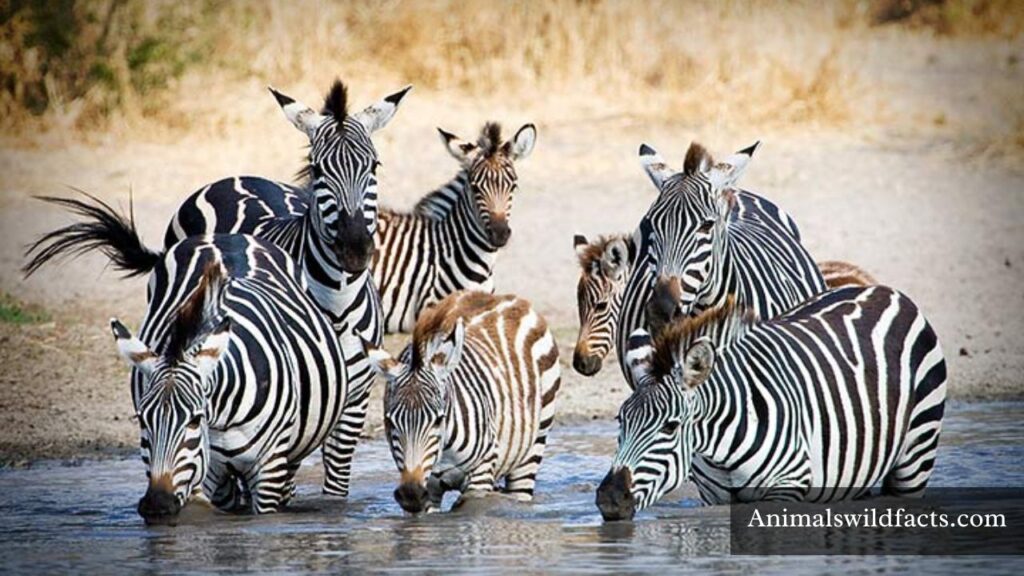
What’s fascinating is the social aspect of drinking among zebras. They often gather at watering holes, creating a vibrant scene filled with chatter and camaraderie. This behavior not only reinforces social bonds but can also serve as a strategic move; by coming together, they can alert one another to potential predators lurking nearby.
Related article: Explore Top 25 Animals That Eat a Lot.
Final Thoughts
The animals that drink significant amounts of water play crucial roles in their ecosystems, often adapting their behaviors and habitats to meet their hydration needs. From the majestic elephant to the resilient camel, each species demonstrates unique strategies for survival in diverse environments. Understanding these adaptations not only highlights the importance of water in sustaining life but also reminds us of our shared responsibility to protect these creatures and their habitats. As climate change and human activities continue to impact water availability, it’s essential that we advocate for conservation efforts. Let us commit to preserving the natural resources that support both wildlife and humanity.
FAQs
What animal drinks the most amount of water?
The animal that typically drinks the most water is the African elephant. These magnificent creatures can consume anywhere from 30 to 50 gallons of water per day, especially in hot climates where hydration is crucial. Their large size and high activity level contribute to their significant water needs.
Which animal can store the most water?
The animal known for storing the most water is the camel. Camels can drink large amounts of water at once, up to 40 gallons in one go. Their bodies are adapted to retain moisture, allowing them to thrive in desert conditions without water for extended periods.