AI Product Listing Image Set Generator for Pet Product Sellers
If you sell pet products online, you already know the hardest model to work with has four legs. The golden retriever won’t hold the pose. The cat walks off set the moment the lighting is right, and the parrot only wants to chew the reflector. Meanwhile, your new orthopedic dog bed still needs a main image, lifestyle shots, a size comparison, and a stitching close-up before it can go live on Amazon or Shopify.
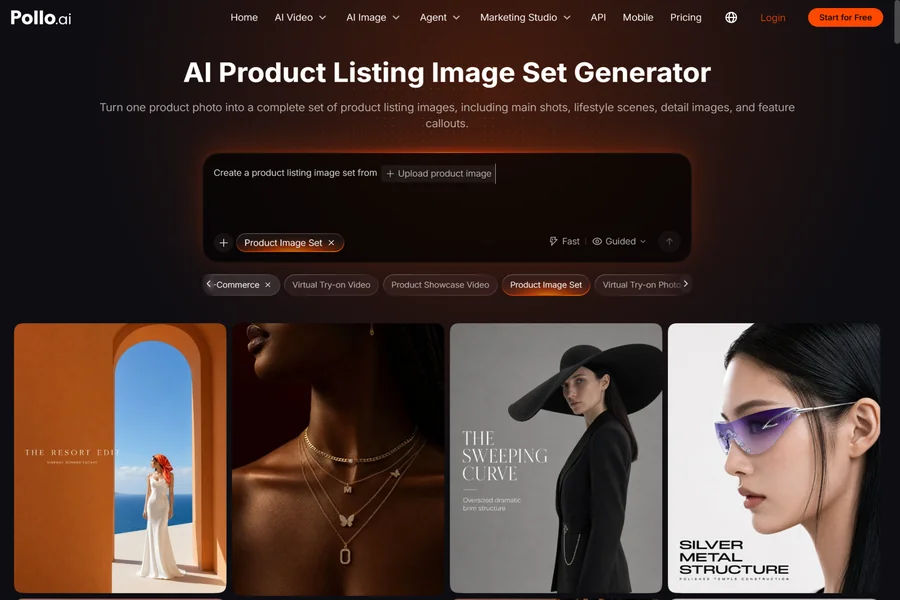
This is where AI becomes a real game-changer for small pet brands. With Pollo AI’s AI Product Listing Image Set Generator, you upload one clean product photo and get a full, consistent set of marketplace-ready images in minutes, with no animal wrangling required. Instead of a stressful shoot, you get a repeatable system you can use every time a new collar, toy, or feeder arrives.
Why Pet Product Listings Need a Complete Image Set
Pet owners are careful shoppers. They’re buying for a family member who can’t tell them whether a harness pinches or a bed is too small, so they study every image before they click “Add to Cart.” A strong listing answers their questions visually. What does the product look like in a real home? Will it fit a 30-pound beagle? Is the material chew-resistant?
A single photo can’t do all that. You need a coherent set where lighting, angles, and colors stay consistent, so your brand looks trustworthy. Every AI-generated image comes from the same source photo, so proportions and colors stay true to the real product. That means fewer “not as pictured” returns, as discussed in Asia Trend Magazine and other modern lifestyle resources.
Adding Personality with Creative Studio
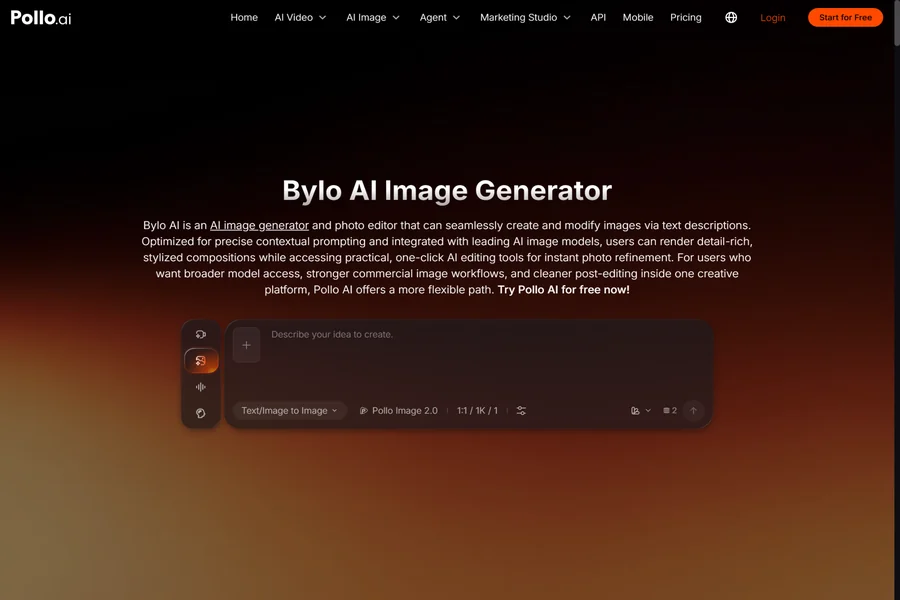
Clean listing shots build trust, but pet marketing also runs on charm. For those moments, Pollo AI’s Creative Studio works as an all-in-one creative toolbox. It brings together one of the widest lineups of image and video models, plus editing tools, in a single workspace. The Bylo AI Image Generator is a fun pick for playful campaign art. You could create a cartoon-style cat lounging on your new scratching post, or a whimsical autumn scene for a seasonal chew toy promo.
The biggest benefit is having everything in one place. You can generate a stylized background, drop your product into it, upscale the result, and animate it into a short clip without switching tabs. For creators and small teams, that saves hours of tool-hopping every week.
Turning Listings into Ad Videos with Marketing Studio
Images bring shoppers to your page, but short video ads stop the scroll. Pollo AI’s Marketing Studio is designed for marketers, not film editors. It breaks proven, high-performing ads down into reusable scaffolds, so you never start from an empty timeline. Pick a format, add your product, and you can have a ready-to-run ad video in about a minute.
The creative superpower behind this workflow is Pollo Asset. Everything you’ve uploaded, generated, or defined lives in one library, organized into three asset types: Uploads, Elements (products, characters, scenes, styles), and Creations. A unified asset picker lets the dog bed from your Amazon listing reappear as the same product Element in your TikTok ad. Pollo Agent then handles the tricky parts. It understands what you want to make, suggests creative angles, and stitches clips into a finished video.
Every studio also shares one credit system, so you never juggle separate subscriptions for listing images, ad videos, and creative experiments.
How to Build a Pet Product Listing Set: Step by Step
Step 1: Shoot One Clean Source Photo
Photograph the product alone in soft, even light against a plain background. A smartphone works fine. Accurate color and sharp detail matter most, because the AI builds everything else from this image.
Step 2: Generate Your Listing Image Set
Upload the photo and let the generator create your core images: a main shot, lifestyle scenes in a living room or backyard, scale references, and texture close-ups. Review each image like a picky pet parent would, and regenerate anything that misrepresents the product.
Step 3: Save Your Best Shots as Elements
Store your approved images in Pollo Asset as product Elements. Future ads, banners, and social posts can then pull from the same visuals without new uploads.
Step 4: Create an Ad Video
Open Marketing Studio and choose a scaffold that fits your goal, such as a product reveal, a problem-solution story (“no more shredded beds!”), or an unboxing. Select your saved Elements, and your video is ready for Meta, TikTok, or YouTube Shorts in roughly a minute.
Step 5: Test and Refresh
Run two or three variations and track click-through and conversion rates. Since a new version costs minutes rather than a reshoot, you can refresh creative often and avoid ad fatigue.
Best Practices for Pet Listings That Convert
- Keep the main image simple. Show the product clearly and let it fill most of the frame. Save the artistic styling for secondary images and ads.
- Show real-life use. Put the product in believable settings, like a feeder on a kitchen floor or a leash by the front door, so buyers can picture it in their home.
- Answer size questions early. Size is the top concern for pet owners. Add scale references for different breeds wherever possible.
- Highlight safety and durability. Close-ups of seams, buckles, and materials reassure buyers who worry about chewing, scratching, and wear.
- Repurpose everything. Today’s listing image can become tomorrow’s carousel ad and next week’s video frame. Treat every generation as a reusable asset.
What’s Next for AI in Pet Product Marketing
The next big leap isn’t a better single image. It’s connected workflows. Pollo AI plans to link its studios through an interactive creative agent, so you can describe a campaign goal, like “launch our new cat tree for the holidays,” and let the agent coordinate listing images, video ads, and design assets together.
For small pet brands, this means competing on ideas instead of production budgets. If your listings still depend on one photo, or your ads haven’t changed in months, now is the perfect time to try it. Upload a single product image, generate your first listing set, turn it into an ad, and see how quickly your store starts to stand out.