Top 25 Greedy Animals in the World (Images Included)
Did you know that some animals can consume nearly twice their body weight in a single meal? In a world where survival often hinges on resource acquisition, understanding greedy animals in the world reveals fascinating insights into nature’s dynamics. This article will delve into the behaviors and adaptations of these voracious creatures, highlighting their relevance in ecosystems and providing a unique lens through which to view animal behavior. Prepare to be intrigued by the ways greed shapes survival strategies in the wild.
List of Greedy Animals in the World
Below is the list of most greedy animals in the world
- Hyenas
- Squirrels
- Hamsters
- Vulture
- Chimpanzees
- Pigeons
- Raccoons
- Brown Bears
- Pigs
- Gorillas
- Tiger Sharks
- Tasmanian Devils
- Octopus
- Foxes
- Pufferfish
- American Pygmy Shrews
- Rat
- Lion
- Seagulls
- Wild Boar
- Puffins
- Crocodile
- Burmese Python
- Honey Badgers
- Wolverine
Hyenas
Scientific name: Crocuta crocuta
Class: Mammalia
Diet: Carnivore
Hyenas, often misunderstood as mere scavengers, possess a complex behavior that reveals their intelligence and social structure. Their notorious reputation stems from their opportunistic feeding habits, but this often oversimplifies their role in the ecosystem. With a matriarchal society, hyena clans are led by powerful females who control food resources and establish hierarchies, demonstrating a level of social organization often overlooked in wildlife narratives.
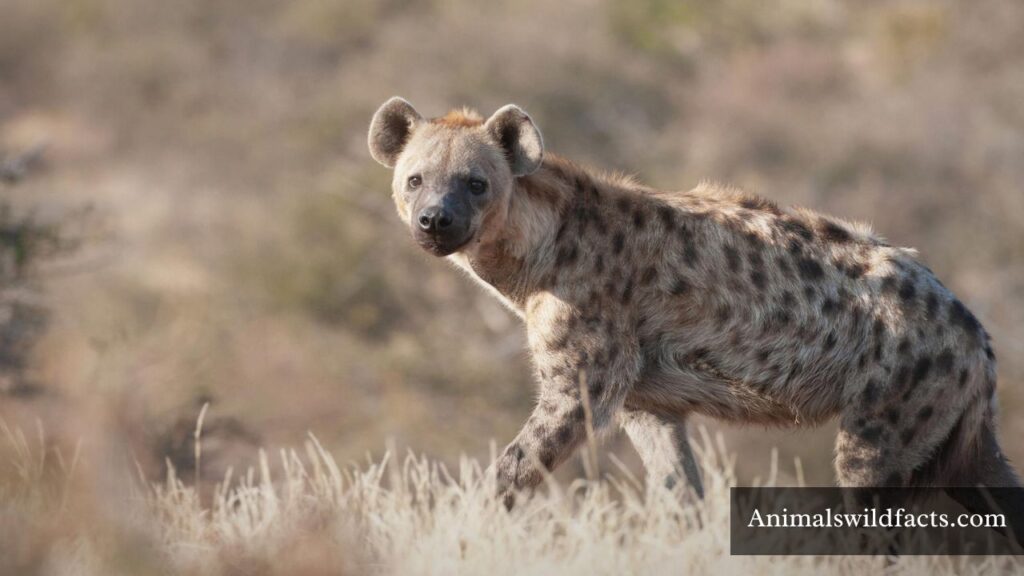
In the wild, these canny carnivores exhibit remarkable strategies to secure their meals. Rather than merely stealing leftovers from larger predators, hyenas utilize coordinated hunting tactics, allowing them to take down prey much larger than themselves. This adaptability isn’t just about survival; it reflects their cunning nature — both opportunistic and strategic, they understand the dynamics of competition and resource management like few others. In observing hyenas, we find a fascinating lens through which to understand complex ecosystems, highlighting the intricate balance of predator and scavenger roles in nature.
Squirrels
Class: Mammalia
Diet: Omnivore
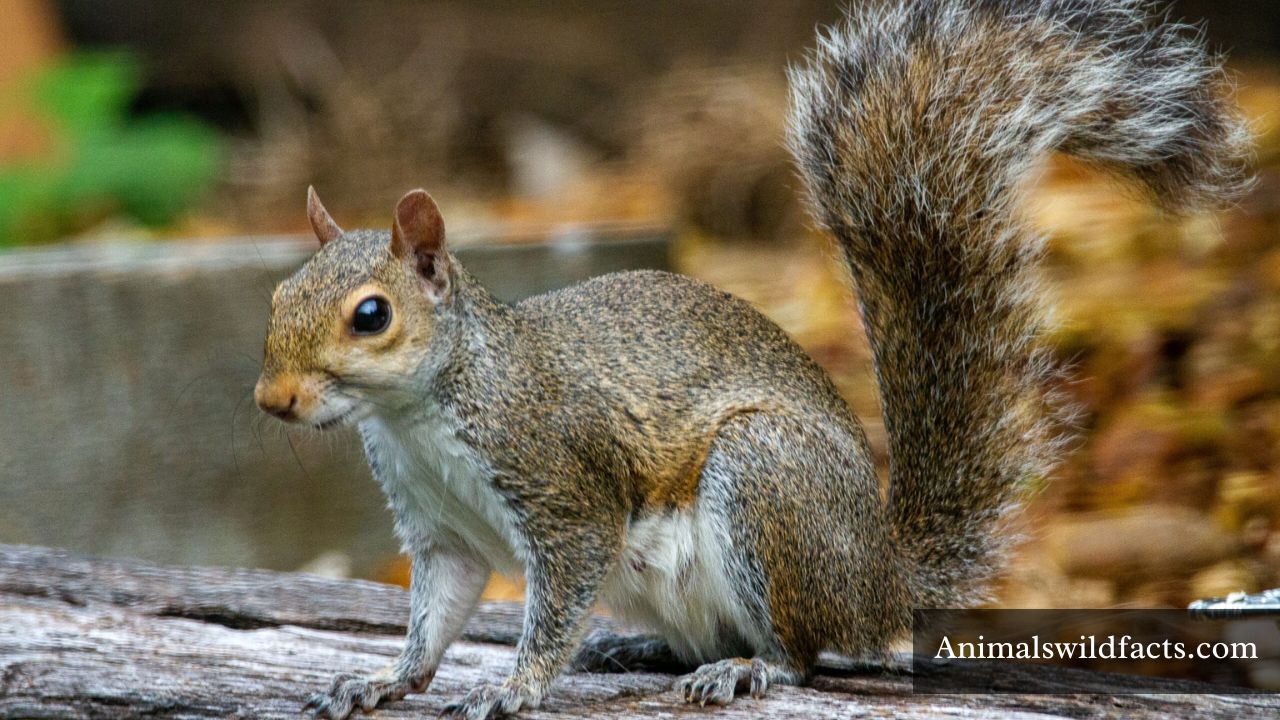
Squirrels are often seen darting through parks, but their cleverness and cunning make them more than just playful creatures. With an insatiable appetite for nuts, seeds, and fruits, these furry foragers employ remarkable strategies to secure their food. They not only remember the locations of their buried treasures but also engage in a fascinating behavior known as “deceptive caching,” where they pretend to bury food to throw off potential thieves. This tactical play illustrates their highly developed cognitive skills, challenging the stereotype of them being mere scavengers.
Beyond their foraging habits, squirrels play a pivotal role in their ecosystems. As they hoard nuts, they inadvertently plant trees, contributing to forest regeneration and biodiversity. This unique interplay between greed and ecology makes them unwitting champions of their environments. Observing squirrels also offers a glimpse into the complex social dynamics of wildlife — even amidst the frenzy of collecting food, they form hierarchies and engage in playful rivalries.
Hamsters
Scientific name: Cricetus cricetus
Class: Mammalia
Diet: Omnivore
Hamsters are often seen as the quintessential pet, but their insatiable appetite reveals a fascinating side of their behavior. These tiny creatures have cheek pouches that can stretch astonishingly, allowing them to store food for later. In the wild, this clever adaptation serves a crucial purpose, enabling them to hoard seeds and grains to survive harsh seasons. It’s a captivating testament to their instinctual drive, showcasing not just a need for sustenance but an innate ability to strategize for the future.
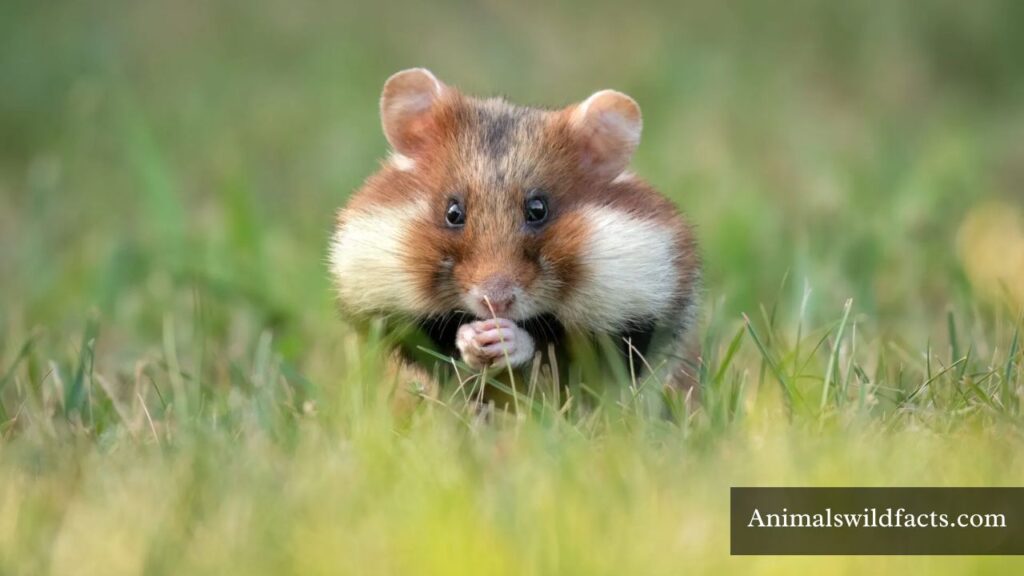
Interestingly, hamsters don’t just hoard food; they exhibit a unique social dynamic when it comes to sharing their bounty. In communal settings, you may notice a hierarchy where some individuals guard prime food sources, thus creating a subtle but fascinating social tapestry. This behavior raises intriguing questions about compliance and competition in animal societies, hinting at a blend of survival instinct and social interaction. Watching these little furballs scurry around, paws laden with their latest find, highlights the relentless pursuit of survival in even the most unassuming creatures.
Vulture
Class: Aves
Diet: Carnivore/Scavenger
Vultures often evoke a mix of fascination and revulsion, yet they play a crucial role in maintaining ecological balance. These scavengers are nature’s cleanup crew, feasting on carcasses that other animals might shy away from, ensuring that disease does not spread in their habitats. Their highly developed digestive systems can neutralize harmful bacteria, such as anthrax and botulism, making them essential for the health of the ecosystem.
However, the opportunistic feeding habits of vultures highlight a unique adaptability. They can soar effortlessly at impressive altitudes, using their keen eyesight to spot potential meals from miles above. This aerial surveillance not only showcases their efficiency in scavenging but also underscores their intricate relationship with the environment, relying on the patterns of other species — like predators and decomposers — to know where to find nourishment. With increasingly scarce food sources due to habitat loss and poisoning, vultures are now facing significant threats, prompting conservation efforts that remind us how interconnected all species are within the web of life.
Chimpanzees
Scientific name: Pan troglodytes
Class: Mammalia
Diet: Omnivore
Chimpanzees exhibit a remarkable blend of intelligence and social dynamics that reveals a surprising depth to their “greedy” behaviors. When competing for food, they display not only a strong preference for high-calorie treats but also a nuanced understanding of their social hierarchy. For instance, dominant males often secure the best fruits, showcasing how access to resources can reflect power structures within their communities. However, it’s the collaborative aspect of their foraging that sets them apart; they sometimes share the spoils, fostering alliances and strengthening bonds within their groups.
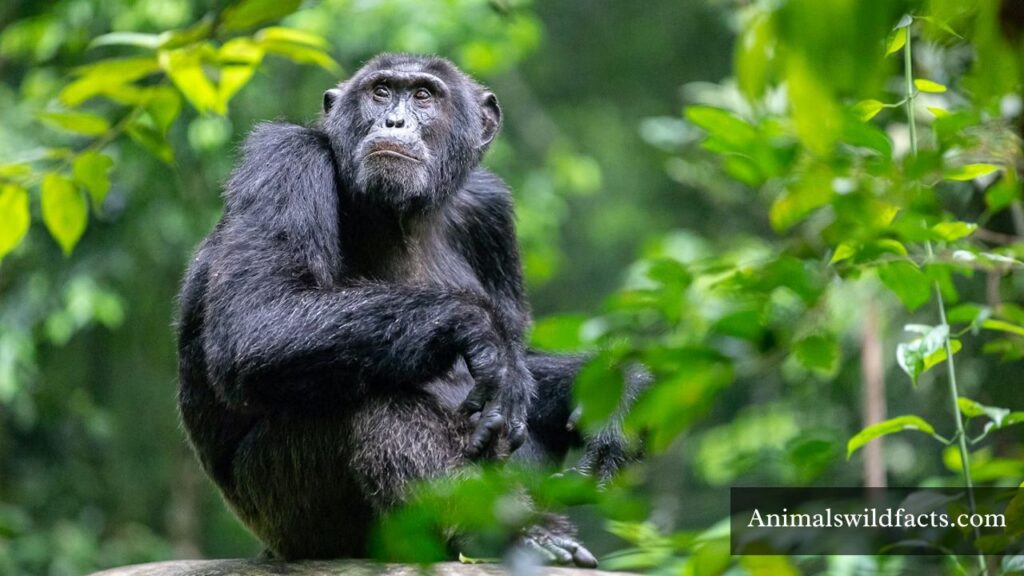
Interestingly, research has shown that chimpanzees are capable of altruistic behavior, especially when observed within their family units. They can recognize when a member of their group is hungry, sometimes prioritizing others’ needs over their own immediate desires. This push-and-pull between greed and generosity paints a complex portrait of chimpanzee society, suggesting that their relationships and social status can significantly influence their decisions around food.
Pigeons
Scientific name: Columba livia
Class: Aves
Diet: Herbivore/Granivore
Pigeons, often dismissed as mere city pests, exhibit fascinating behaviors that reveal their complex social structures and foraging strategies. Observing a flock feasting on scattered crumbs, one might notice how their interactions mirror a hierarchy of greed, where the boldest individuals claim the largest share. Yet, beneath this seemingly selfish behavior lies a sophisticated communication network; pigeons use coos and body language to negotiate their place within the flock, signaling when it’s safe to approach or retreat.
Moreover, their adaptability goes beyond urban scavenging. In nature, pigeons showcase a remarkable ability to locate food sources by remembering landmarks and honing in on opportunities through trial and error. This innate intelligence has not only allowed them to thrive in diverse environments but has also sparked curiosity in researchers studying animal cognition. By harnessing their “greed” for food, scientists gain insights into problem-solving skills and social dynamics, reshaping how we view these often-overlooked avians.
Raccoons
Scientific name: Procyon lotor
Class: Mammalia
Diet: Omnivore
Raccoons, often dubbed the “bandits of the night,” exhibit a fascinating blend of intelligence and opportunism that sets them apart in the animal kingdom. Their dexterous front paws resemble human hands, allowing them to manipulate objects with surprising skill. This adaptability lets them access everything from bird feeders to garbage cans, showcasing their clever problem-solving abilities. As urban environments expand, raccoons have seamlessly integrated into human life, sometimes to the detriment of our gardens and waste management.
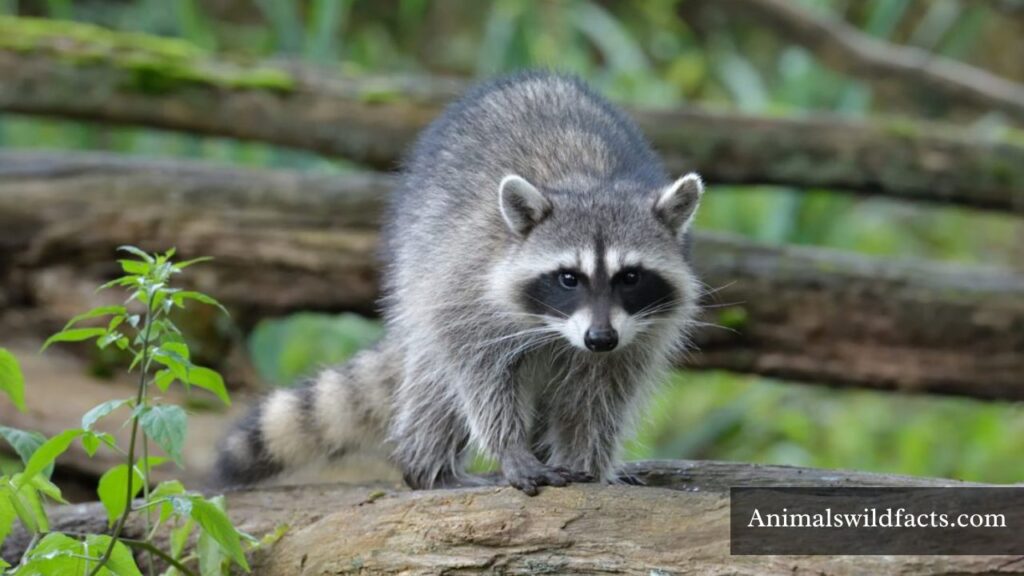
But their perceived greediness is not just about foraging; it highlights an incredible survival strategy. Raccoons’ nocturnal behavior and social structures allow them to thrive in diverse habitats, from dense forests to bustling cities. Researchers have even observed raccoons practicing what could be viewed as “trial and error” learning, demonstrating their capacity for memory and adaptation.
Brown Bears
Scientific name: Ursus arctos
Class: Mammalia
Diet: Omnivore
Brown bears are often painted as the quintessential greedy animals of the wilderness, driven by an insatiable appetite that fuels their survival instincts. These magnificent creatures, weighing up to 1,500 pounds, exhibit an extraordinary ability to adapt their feeding habits to seasonal changes. In spring, they relish tender grass shoots and wildflowers, but as summer unfolds, their focus shifts to the rich, nutrient-dense salmon swarming in rivers. This transition highlights not just their voracious nature but also their intelligent foraging strategies.
What’s particularly fascinating is how brown bears demonstrate a distinct social hierarchy during feeding frenzies. Dominant males often secure the best fishing spots, while mothers with cubs employ clever tactics to navigate these battles for food, ensuring their young have enough to eat without risking confrontation. This complex social dynamic underscores that their “greed” is deeply rooted in survival tactics rather than mere indulgence. As they gorge on food to build fat reserves for hibernation, we witness a compelling cycle of life that intertwines their instincts with the rhythms of nature. The bear’s seemingly relentless quest for food is, in essence, a masterclass in the interconnectedness of species, environment, and the primal dance of struggle and sustenance.
Pigs
Scientific name: Sus scrofa domesticus
Class: Mammalia
Diet: Omnivore
Pigs, often unfairly labeled as mere farm animals, are astonishingly complex creatures with rich emotional lives and surprising intelligence. Their voracious appetites are not just a reflection of their feeding habits but are also indicative of their evolutionary traits. In the wild, pigs are foragers, adept at seeking out diverse food sources — roots, fruits, and even small animals — which underscores their adaptability and resourcefulness. This natural inclination to eat a variety of foods helps maintain ecological balance, as they contribute to seed dispersion and soil aeration.
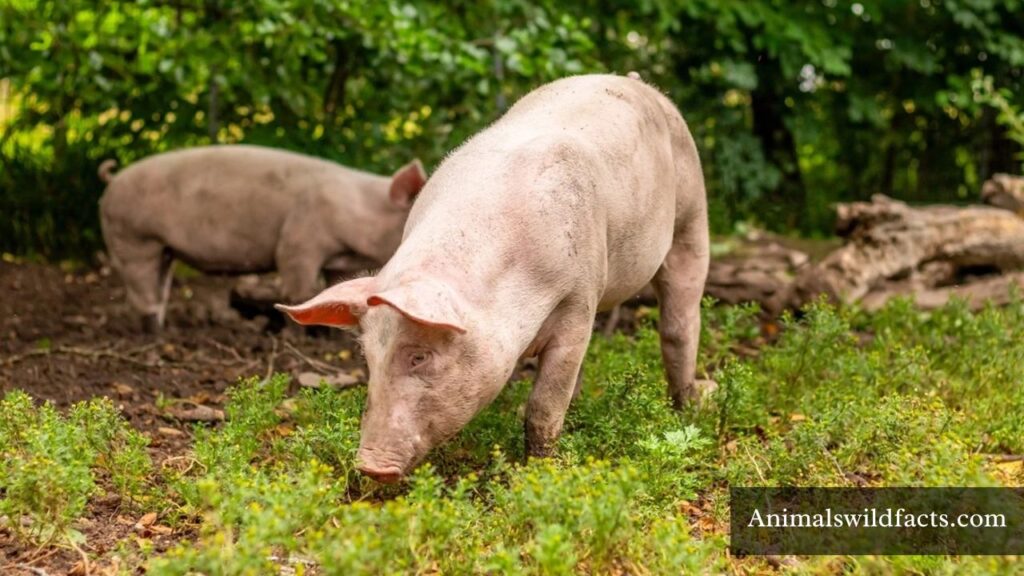
Moreover, pigs exhibit remarkable social behaviors, forming tight-knit groups that thrive on cooperation and communication. Their interactions reveal a nuanced form of social intelligence; they establish hierarchies and can even express empathy with one another. The complexity of their relationships might surprise many, indicating that their seemingly greedy nature is actually a sophisticated strategy for survival and community building. As we challenge the stereotype of pigs as mere gluttons, we uncover a world where these animals embody the essence of resilience, adaptability, and relational depth within their social structures.
Gorillas
Scientific name: Gorilla gorilla
Class: Mammalia
Diet: Herbivore
In the lush jungles of Africa, gorillas epitomize a unique blend of intelligence and instinct when it comes to foraging for food. Although their primary diet consists of leaves, stems, and fruit, these remarkable animals exhibit curious behaviors that reveal their cunning nature. For instance, they often employ tools, expertly using sticks to extract termites from mounds, demonstrating not just hunger but a strategic approach to satisfying it. This behavior sets them apart, indicating that their “greed” is not merely an instinctive desire to consume, but an evolved tactic to maximize nutrient intake.
Moreover, social dynamics play a crucial role in how gorillas exhibit their appetites. In family groups, dominant males, or silverbacks, may eat first, showcasing a hierarchy that impacts feeding. However, it’s fascinating to note that when food resources are abundant, they share with juveniles and females, highlighting a balance between individual desire and group cohesion. This communal approach to feeding enriches their social bonds and underscores the complexity of gorilla interactions, suggesting that behind their seemingly insatiable appetites lies a sophisticated understanding of connection and community in the face of survival.
Tiger Sharks
Scientific name: Galeocerdo cuvier
Class: Chondrichthyes
Diet: Carnivore
Tiger sharks, often dubbed the “garbage cans of the ocean,” are fascinating predators with an insatiable appetite. These formidable hunters don’t just feast on fish; their diets encompass everything from sea turtles to discarded debris, making them a unique barometer of marine health. Their willingness to consume a variety of prey raises intriguing questions about their adaptability and the impact of human activity on their feeding habits.
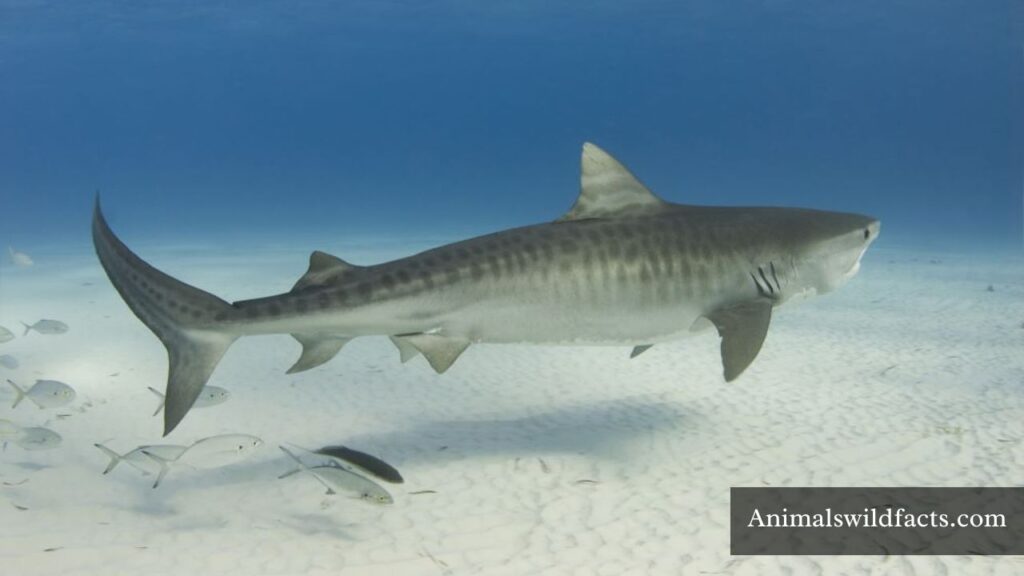
What truly sets tiger sharks apart, however, is their remarkable ability to be both opportunistic and strategic. They possess an acute sense of smell, allowing them to locate food from miles away. This predatory prowess enables them to exploit a wide range of environments, from coral reefs to deep-sea trenches. While their voracious consumption might seem reckless, it actually reflects a finely-tuned survival instinct, showcasing their role in maintaining the balance of the oceanic ecosystem.
Tasmanian Devils
Scientific name: Sarcophilus harrisii
Class: Mammalia
Diet: Carnivore
Tasmanian devils are not just the fierce scavengers of the Australian bush; they’re a unique study in evolutionary adaptations driven by survival. With a diet that includes carrion and the remains of larger animals, their powerful jaws boast the strongest bite relative to body size of any mammal, allowing them to consume every bit of a carcass, from skin to bones. This seemingly gluttonous behavior plays a crucial ecological role; by efficiently recycling nutrients back into the environment, they help maintain the delicate balance of their habitats.
However, their ravenous appetite has led to a precarious position in the ecosystem, compounded by factors such as habitat loss and the devastating Devil Facial Tumour Disease. This contagious cancer significantly impacts their populations, raising questions about the resilience of species in the face of environmental pressures. As researchers work tirelessly to conserve these iconic marsupials, the plight of the Tasmanian devil serves as a poignant reminder of the interconnectedness of life and the fragility of our natural world.
Octopus
Scientific name: Octopus vulgaris
Class: Cephalopoda
Diet: Carnivore
Octopuses are often portrayed as the ocean’s clever tricksters, but their greed adds an intriguing layer to their intelligence. These cephalopods exhibit a remarkable ability to plan and strategize when hunting for food. Their dexterous arms, lined with thousands of taste receptors, allow them to explore and manipulate their environment with impressive finesse. When foraging, they don’t just grab anything in sight; instead, they assess their options, employing patience and precision to target the most satisfying morsels, whether that be a crab, a clam, or even smaller fish.
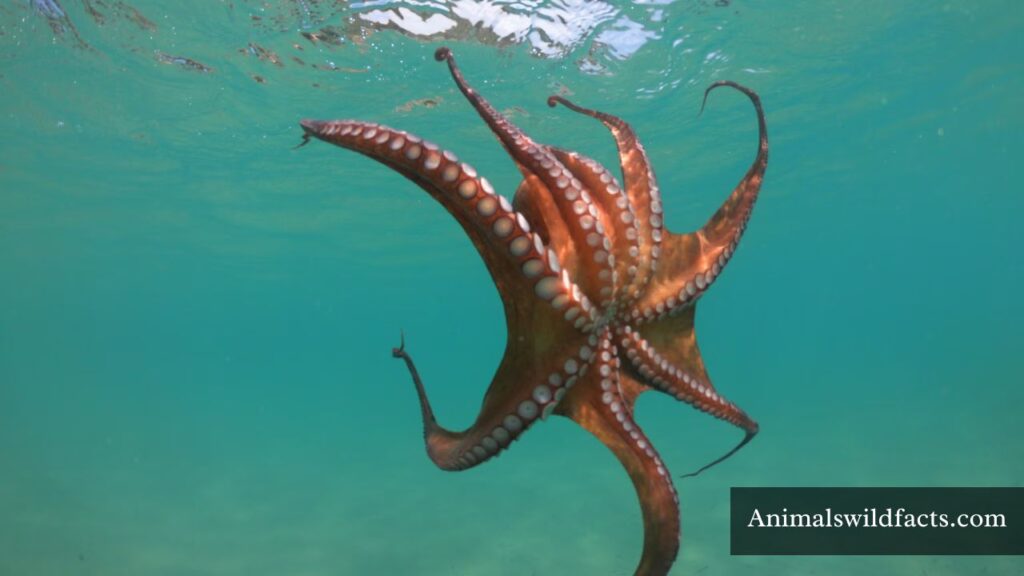
This greedy behavior also extends to their interactions with other species. Octopuses can be surprisingly opportunistic, often snatching food from the mouths of unsuspecting creatures. In some cases, they have been observed hoarding prey in their dens, showcasing a unique blend of foraging intelligence and instinctual desire to stockpile — traits that are rarely associated with ocean dwellers. Their ability to remember specific hiding spots for these caches reveals a sophisticated level of cognitive mapping that adds to their allure, positioning them not just as cunning hunters, but as master strategists of the underwater world.
Foxes
Scientific name: Vulpes vulpes
Class: Mammalia
Diet: Omnivore
Foxes, often seen as cunning predators in folklore, exhibit an intriguing blend of intelligence and opportunism that showcases their ‘greedy’ nature. While many think of them as solitary hunters, foxes thrive in designated territories, exploiting various food sources — from small mammals like rabbits to berries and even carrion. This dietary flexibility not only demonstrates their adaptability but highlights a deeply ingrained survival strategy. Their playful behavior often masks a serious purpose; what appears as play may be practice for stealth and agility when scouting for food.
Moreover, if given the chance, foxes will not hesitate to raid bird nests or scavenger camps, showcasing their boldness and resourcefulness. This “grab-and-go” mentality reflects a fascinating evolutionary trait: competition for resources drives them to be clever scavengers. Observing their behavior can reveal surprising insights into not only their ecological role but also the balance of the ecosystems they inhabit.
Pufferfish
Class: Actinopterygii
Diet: Carnivore
Pufferfish, often recognized for their unique defense mechanism of inflating into a spiky ball, display an intriguing, albeit insatiable appetite that sets them apart in the underwater world. As creatures that thrive in coral reefs and coastal waters, their feeding habits are as fascinating as their defensive strategies. These fish boast a diet rich in invertebrates, particularly crustaceans and mollusks, showcasing their adept hunting skills. Their keen sense of taste and specialized beak-like teeth allow them to crunch through tough shells, making them relentless foragers in their quest for sustenance.
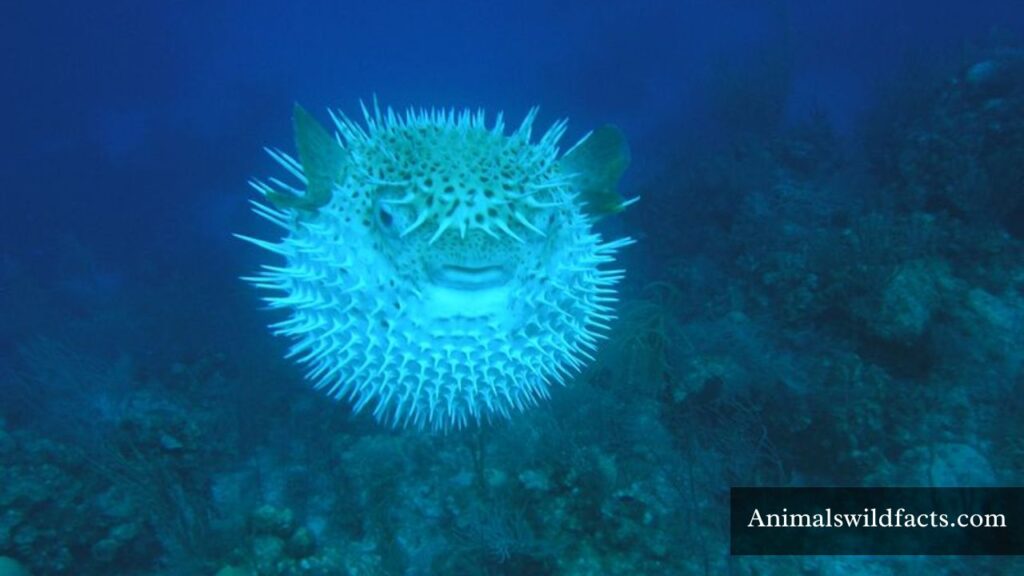
Beyond their greediness in hunting, pufferfish engage in a remarkable display of strategy and adaptability while foraging. Researchers have noted that they often work in pairs, using collaborative tactics to corner prey and maximize their feeding efficiency. This social aspect hints at a layer of intelligence previously overlooked in this species, challenging the stereotype of solitary, greed-driven animals. Their hunting habits and selective diet contribute to the health of coral ecosystems, as they help regulate populations of algae and invertebrates, revealing a surprising balance between their seemingly selfish motivations and their ecological role.
American Pygmy Shrews
Scientific name: Sorex hoyi
Class: Mammalia
Diet: Insectivore
American Pygmy Shrews are remarkable creatures, embodying a striking combination of relentless energy and insatiable appetites. Weighing in at just a fraction of an ounce, these tiny mammals spend a staggering amount of their lives foraging, often consuming more than their body weight in food daily. Their metabolism operates at breakneck speed, necessitating this constant search for sustenance, which includes insects, worms, and other small invertebrates. This unyielding hunt for resources paints a vivid picture of survival; every movement is a calculated chase in the race against energy depletion.
Their voracious feeding habits lead to fascinating adaptations as well. Equipped with specialized teeth and a keen sense of smell, American Pygmy Shrews can uncover hidden prey in the muddy underbrush. Their quick foraging style isn’t just about filling their stomachs; it’s a survival strategy against predators. With their diminutive size, they’ve mastered the art of evasion too, using their speed and agility to dart between blades of grass and through leaf litter. Watching these shrews in action reveals a world where every moment counts, showcasing nature’s intricate balance between hunger and the primal need to stay alive.
Rat
Scientific name: Rattus norvegicus
Class: Mammalia
Diet: Omnivore
The rat, often vilified as a symbol of filth and greed, embodies an astonishing adaptability that transcends mere survival instincts. Known for their scavenging behaviors, these creatures have an acute ability to exploit human environments, making them one of the most successful mammalian species on the planet. Their relentless quest for food is driven not just by hunger but by an innate intelligence that allows them to navigate complex terrains and detect even the faintest scent of nourishment.
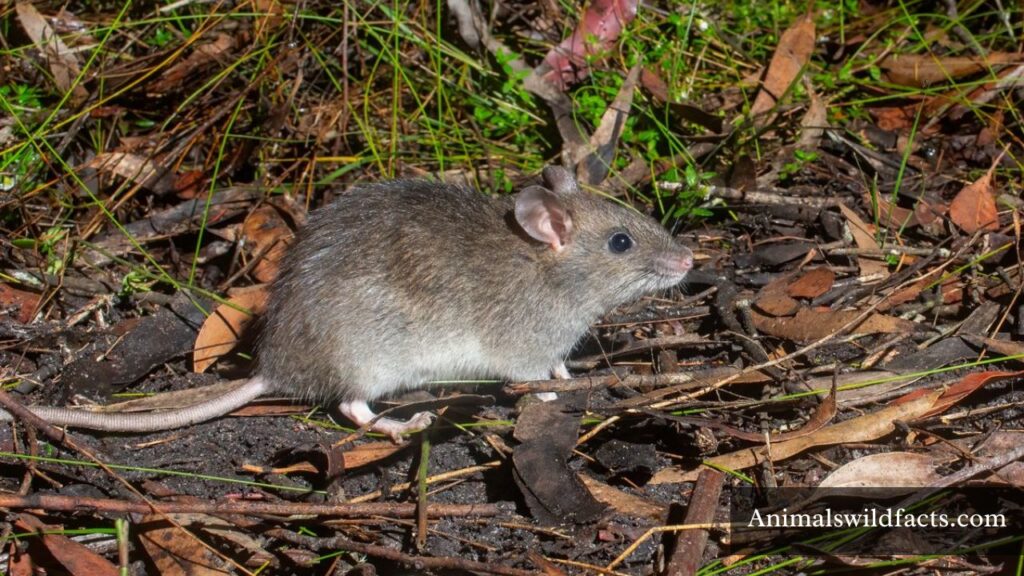
What many don’t realize is that this so-called greed is rooted in their evolutionary history. Rats have developed a unique social structure that benefits from communal foraging strategies, where individuals share information about food sources, ultimately enhancing their survival. This cooperative behavior raises intriguing questions about resource allocation and competition in nature, suggesting that in some cases, so-called greed may actually be a pivotal aspect of community survival.
Lion
Scientific name: Panthera leo
Class: Mammalia
Diet: Carnivore
Lions, often dubbed the “kings of the jungle,” exhibit a complex relationship with their environment that goes beyond mere survival instincts; their behaviors can resemble a cutthroat business model. In the wild, pride dynamics play a crucial role in their feeding strategies. When a successful hunt occurs, lions demonstrate a fascinating social hierarchy that dictates priority access to food. Dominant males often feast first, with females and cubs waiting patiently, sometimes even scavenging what’s left behind. This not only ensures the strongest survive but also reinforces the power structures within the pride.
Yet, behind this regal façade lies a paradox: the more they consume, the greater their dependence becomes on stable food sources. In regions where prey is overhunted or habitats are encroached upon, lions face dire challenges. Their once-imposing stature can swiftly ebb away as greed leads to depletion of resources. This greedy pursuit not only affects their own survival but echoes through the entire ecosystem, demonstrating how even the mightiest can falter when they disregard the balance of nature. In a world increasingly influenced by human activities, lions illustrate a salient lesson — survival isn’t just about strength; it’s about respect for the delicate interconnections that sustain life.
Seagulls
Class: Aves
Diet: Omnivore
Seagulls are often portrayed as the audacious bandits of the beach, swooping down with relentless determination to snatch snacks from unsuspecting sunbathers. However, their greediness extends beyond mere opportunistic behavior; it showcases their impressive adaptability and keen intelligence. These birds have developed sophisticated strategies to outsmart humans and fellow wildlife alike, often employing a group effort to distract and intimidate while one of their comrades swoops in for the prize. Observing this teamwork reveals a fascinating layer of social dynamics among seagulls, elevating their antics from mere scavenging to a form of cooperative cunning.
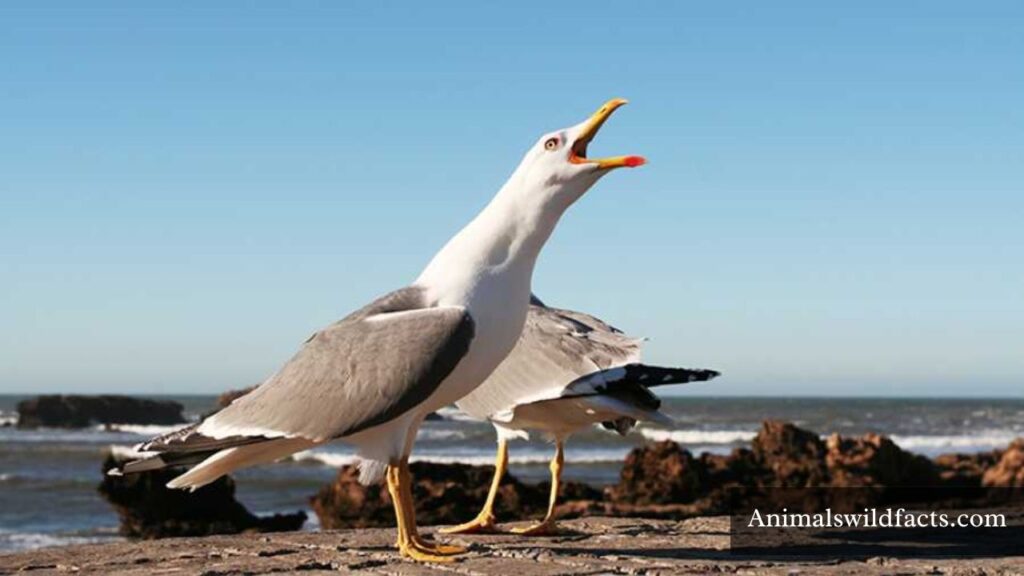
Interestingly, seagulls also display an acute understanding of human habits and behaviors. They have learned to associate the sound of crinkling food wrappers with an impending feast, often hovering around picnics and outdoor events with an unsettling charm. This attunement to human activity highlights a unique instance of interspecies interaction, where the birds adapt and thrive on human presence — turning beaches and parks into their thriving food courts.
Wild Boar
Scientific name: Sus scrofa
Class: Mammalia
Diet: Omnivore
Wild boars, often viewed through the lens of their insatiable appetites, are fascinating creatures that embody both adaptability and intelligence in the animal kingdom. Their foraging nature showcases an impressive dietary breadth, encompassing everything from roots and tubers to small animals and carrion. This omnivorous diet not only sustains them but also plays a crucial ecological role, as their digging habits aerate the soil and promote plant growth. Their ability to thrive in diverse environments — from dense forests to urban fringes — underscores their resourcefulness, turning potential challenges into feeding opportunities.
Beyond their physical hunger, there’s a social complexity to wild boars that often goes unnoticed. They exhibit sophisticated social structures, often forming matriarchal groups led by sows. This communal living allows for shared foraging strategies and heightened vigilance against predators, enhancing their chances of survival. These creatures utilize vocalizations and body language to communicate, revealing layers of social interaction that highlight their intelligence.
Puffins
Scientific name: Fratercula arctica
Class: Aves
Diet: Carnivore
Puffins, with their vibrant beaks and quirky waddles, are often dubbed the “clowns of the sea.” But delve deeper, and you’ll uncover a fervent side to these seemingly comical birds. Puffins are known for their impressive foraging skills; an adult can catch and hold up to 30 fish in its beak at once! This astonishing ability speaks not just to their hunting prowess, but also to the unyielding commitment they show towards feeding their young. It’s a remarkable display of parental dedication — sometimes, they even risk going hungry themselves to ensure their chicks have ample food.
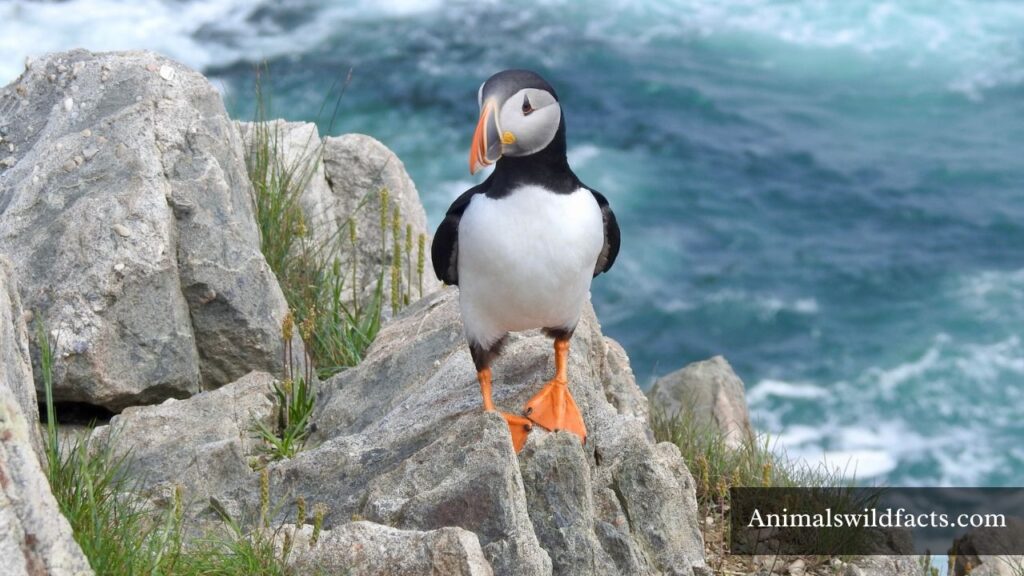
Puffins engage in intricate social behaviors while hunting. They often compete in groups, showcasing their agility and feeding prowess in a way that seems almost theatrical. Yet, this playful competition isn’t merely for show; it serves to strengthen bonds within the colony. The dynamics of these interactions reveal that even in the world of nature’s cutthroats, community and cooperation exist.
Crocodile
Scientific name: Crocodylus niloticus
Class: Reptilia
Diet: Carnivore
Crocodiles are the epitome of predatory greed, employing a cunning mix of patience and ferocity. Often lurking just beneath the water’s surface, they can remain motionless for hours, waiting for the perfect moment to strike. This strategy exemplifies a unique form of hunger; it’s not just about immediate gratification but mastering the art of timing to ensure a successful hunt.
What’s fascinating is how their greed extends beyond mere sustenance. These reptiles are also notorious for hoarding territories, aggressively defending their prime real estate from rivals. In their world, territory is wealth; the more they control, the more access they have to food and mates. Their relentless pursuit of dominance highlights an animal kingdom where survival often hinges on a blend of brute strength and strategic cunning — an unsettling reminder of nature’s unyielding competitive spirit.
Burmese Python
Scientific name: Python bivittatus
Class: Reptilia
Diet: Carnivore
The Burmese python, a giant among constrictors, is an astonishing example of nature’s evolutionary prowess. Often weighing over 200 pounds and stretching up to 23 feet, these serpents have mastered the art of ambush, often lying in wait to surprise unsuspecting prey. Their diet primarily consists of mammals and birds, but their capacity for gluttony is particularly striking. A single feeding can involve consuming animals up to the size of a deer, with the python’s extraordinary ability to unhinge its jaw allowing it to engulf prey that far exceeds its own diameter.
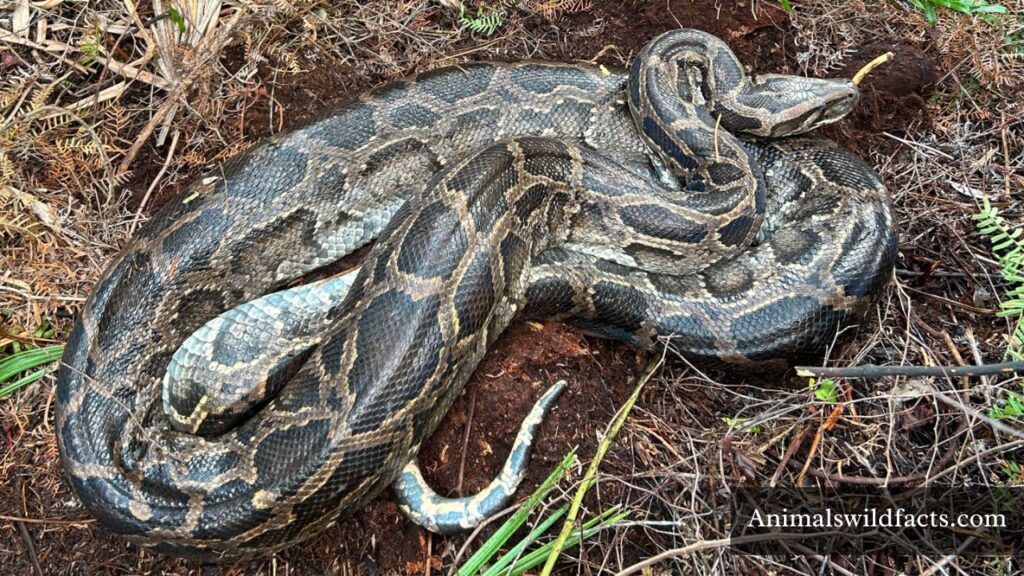
Unbeknownst to many, the Burmese python’s insatiable appetite is not solely a matter of hunger but also an adaptation to its environment. In the wild, these formidable snakes often hunt opportunistically; when food is plentiful, they may eat more than necessary to store energy for times of scarcity. This behavioral strategy underscores a fascinating aspect of their survival — rather than simply preying on smaller animals, they demonstrate remarkable flexibility in their dietary choices.
Honey Badgers
Scientific name: Mellivora capensis
Class: Mammalia
Diet: Omnivore
Honey badgers are the embodiment of fearless tenacity in the animal kingdom. Known for their relentless pursuit of food, these small but mighty creatures showcase an astonishing adaptability that dwarfs their size. With a diet that ranges from snakes and insects to fruits and occasionally scavenged meat, they epitomize the term “opportunistic feeders.” This rascal of the wild can terrifyingly confront venomous snakes, relying on sheer audacity and a thick skin that offers protection against their poison.
What truly captivates observers is not just their insatiable appetite but their strategic cunning in securing meals. Honey badgers employ remarkable problem-solving skills, often outsmarting other animals and humans alike to access hidden food sources. In regions where honey is abundant, they’ve been known to dig into beehives with reckless abandon, enduring painful stings to get to the sweet prize within. Their insatiable greed doesn’t stem from mere hunger; it’s a survival strategy in the unforgiving wild, showcasing a complex interaction of instinct and intelligent behavior that continues to intrigue and entertain wildlife enthusiasts.
Wolverine
Scientific name: Gulo gulo
Class: Mammalia
Diet: Carnivore
The wolverine, often overshadowed by larger and more charismatic predators, embodies a unique brand of ferocity that belies its small size. This stocky carnivore, found in the colder reaches of the Northern Hemisphere, showcases a behavior that resonates deeply with the concept of greed in the animal kingdom. Wolverines are known to travel vast distances, not just to hunt, but to scavenge, opportunistically seeking out the carcasses of larger animals. A wolverine will even chase off predators much bigger than itself, such as bears, to claim leftovers, demonstrating an audacious tenacity that defines its very existence.
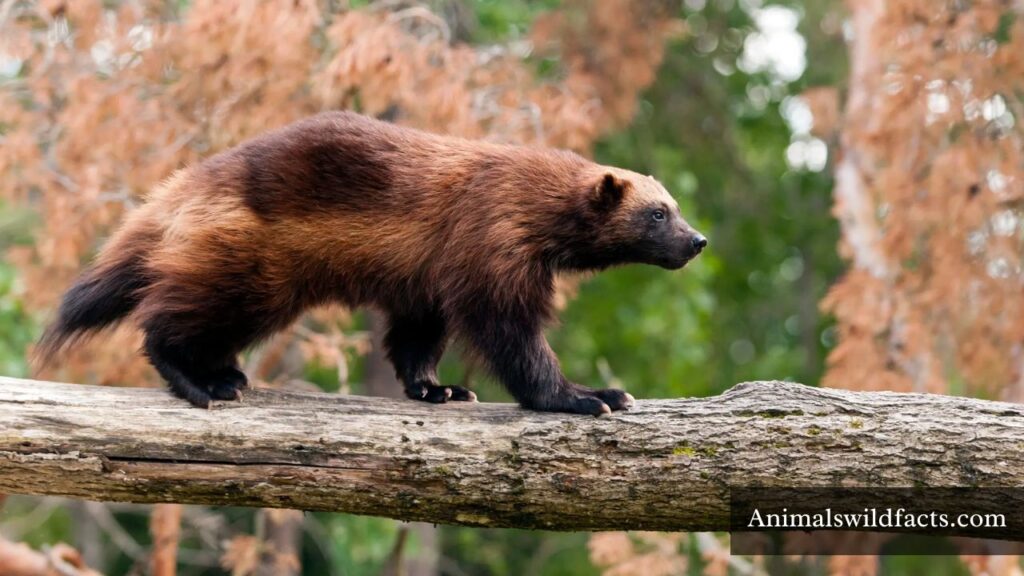
What’s particularly fascinating is the wolverine’s relationship with its winter habitat. Armed with powerful jaws and a thick, insulated coat, it adeptly explores snowy terrains in search of food, often burying excess for later consumption. This storage behavior showcases a level of foresight that hints at a complex understanding of scarcity, allowing the wolverine to survive in environments where resources may be fleeting.
Readmore: Explore Top 25 Most Energetic Animals.
Conclusion
The behavior of greedy animals in the world serves as a fascinating reflection of survival instincts and adaptation in the wild. These creatures, whether foraging for food or hoarding resources, demonstrate the lengths to which they will go to ensure their survival. From the cunning raccoon to the insatiable seagull, their actions remind us of the primal urgency that drives wildlife. Such behaviors highlight not only the complexities of animal psychology but also the delicate balance of ecosystems they inhabit. As we observe and learn from these greedy creatures, let’s continue to respect and protect their environments, ensuring their survival for generations to come.
FAQs
What is the most greedy animal in the world?
The title of “most greedy animal” often goes to the honey badger. These creatures are known for their insatiable appetite and fearless nature. They’ll go after anything from bees to larger prey, showing little regard for danger. Their persistent foraging habits can lead them to consume vast amounts of food, especially when foraging for honey.
Which animal is the pickiest eater?
The giant panda is often considered one of the pickiest eaters in the animal kingdom. Their diet consists almost exclusively of bamboo, making up about 99% of their intake. Despite the vast variety of bamboo species, pandas are selective about which types they consume, preferring fresh, young shoots over older, tougher stalks.