Top 17 Striped Animals in the World (With Pictures)
From the majestic tiger stalking through the jungle to the playful zebra grazing on the savanna, striped animals in the world serve as a testament to nature’s creativity and adaptability. In this article, we’ll explore the fascinating roles these unique patterns play in survival and social dynamics, revealing why they capture our imagination and curiosity. Join us on a journey to discover the significance of stripes in the animal kingdom.
List of Striped Animals in the World
Below is the list of animals that have stripes:
| Number of Animals | Animals with stripes |
| 1 | Zebra |
| 2 | Striped skunk |
| 3 | Tiger |
| 4 | Okapi |
| 5 | Striped chipmunk |
| 6 | Striped mouse |
| 7 | Zorse |
| 8 | Thirteen-lined ground squirrel |
| 9 | Giant-striped mongoose |
| 10 | Bongo |
| 11 | Greater Kudu |
| 12 | African wild ass |
| 13 | Ring-tailed lemur |
| 14 | Striped hyena |
| 15 | Coral Snake |
| 16 | Malayan Tapir |
| 17 | Nyala |
Zebra
Scientific name: Equus quagga
Class: Mammalia
Diet: Herbivore
Zebras are not just black and white; they symbolize the essence of coexistence in the wild. These striped wonders possess unique patterns, almost like fingerprints, that serve various functions beyond mere aesthetics. Every zebra has its own distinctive stripes, which help them recognize each other in the vast African savanna, reinforcing social bonds within their herds and aiding in predator evasion.
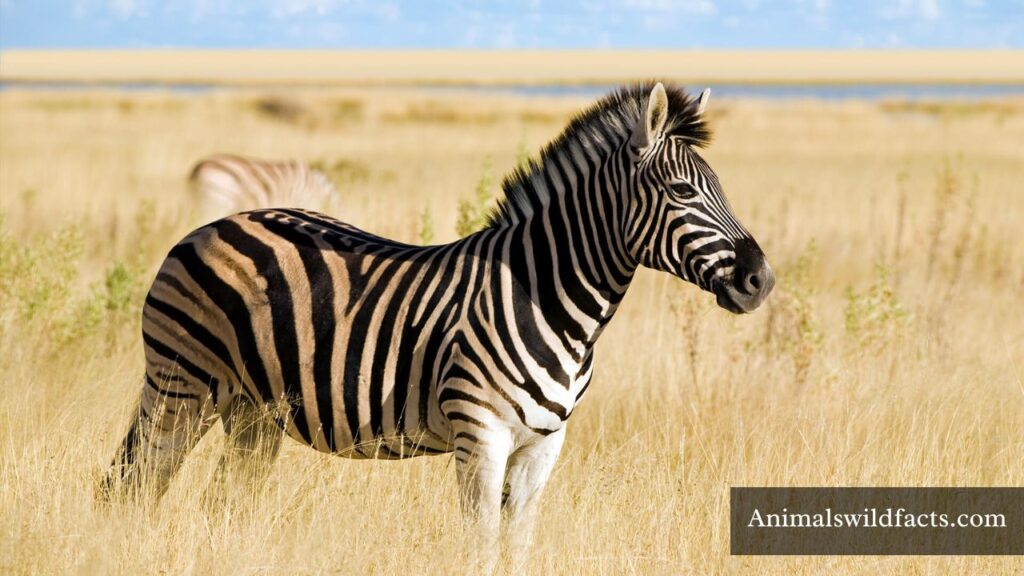
Moreover, recent studies suggest that the stripes may play a role in regulating body temperature. The contrasting colors create micro-environments that can influence airflow and heat dissipation, helping zebras stay cool under the relentless sun. The stripes also seem to serve as a form of visual confusion for biting insects; researchers have found that flies are less attracted to striped surfaces, providing zebras with an ingenious defense mechanism. This multifaceted approach to survival demonstrates how evolution has crafted a creature that is both beautiful and remarkably adapted to its environment.
Striped skunk
Scientific name: Mephitis mephitis
Class: Mammalia
Diet: Omnivore
The striped skunk, an unassuming creature with a bold black and white palette, offers more than just a striking appearance. Found predominantly across North America, these small mammals possess an exceptional defense mechanism: their infamous spray, a noxious concoction of sulfur compounds. This potent perfume not only deters predators but also serves as a communication tool among skunks. Their stripes, far from being just decorative, are believed to signal a warning to potential threats, serving as nature’s own caution tape.
Ecologically, striped skunks play a crucial role as pest controllers, feasting on insects and rodents that may otherwise overpopulate. Yet, their adaptability extends beyond diet; they are versatile opportunists, utilizing urban environments to their advantage. Striped skunks often rummage through gardens and trash cans, a testament to their resilient nature in the face of changing landscapes. As we continue to encroach upon their habitats, understanding the ecological significance and behavioral nuances of these striped wonders can help promote coexistence, reminding us of the delicate balance shared between humans and wildlife.
Tiger
Scientific name: Panthera tigris
Class: Mammalia
Diet: Carnivore
Tigers, with their iconic orange and black stripes, are not only the largest of the big cats but also a symbol of strength and grace in various cultures. Each tiger’s stripe pattern is unique, much like a human fingerprint, allowing researchers to identify individual animals in the wild. This unique marking serves a dual purpose: it helps them blend into the dense vegetation of their habitats while also providing a striking visual that captivates human imagination.
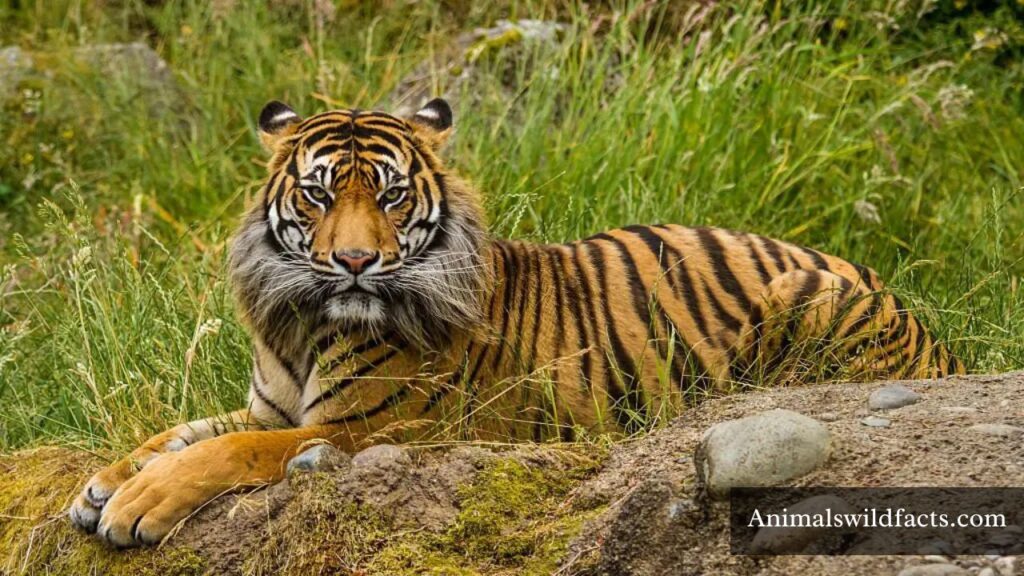
These majestic creatures are primarily found in Asia, with their populations dwindling due to habitat destruction and poaching. Unlike many solitary animals, tigers have complex social structures, often sharing territories with other tigers if resources allow. Their roars can be heard up to two miles away, resonating with both ferocity and a haunting beauty that awakens a primal sense in those lucky enough to hear it. The recent advances in conservation efforts, including anti-poaching initiatives and habitat restoration, provide a glimmer of hope for these magnificent animals, emphasizing the importance of preserving not only tigers but the entire ecosystems they inhabit.
You can also read: Explore Top 17 Animals With Scales in the World.
Okapi
Scientific name: Okapia johnstoni
Class: Mammalia
Diet: Herbivore
The okapi, often dubbed the “forest giraffe,” is a striking example of nature’s creativity, blending the features of both giraffes and zebras. Found exclusively in the lush rainforests of the Democratic Republic of the Congo, this elusive creature primarily uses its incredible camouflage to thrive in a habitat that’s dense with foliage. Its unique striped hindquarters serve not merely for aesthetics; they play a vital role in communication among individuals, especially in the thick underbrush. Like a child playing hide-and-seek, the okapi retreats into shadows, revealing its stripes only to those it wishes to engage with.
Beyond its striking appearance, the okapi offers fascinating insights into the relationship between adaptation and survival. As a browser, it feasts on leaves and fruits that other larger herbivores can’t reach, showcasing a niche specialization that allows it to coexist within its ecosystem. Conservation efforts for the okapi highlight the challenges faced by biodiversity in the modern age. With habitat destruction looming, protecting the okapi and its rainforest home becomes a poignant reminder of the delicate balance between nature and human impact, urging us to rethink our relationship with wildlife.
Striped chipmunk
Scientific name: Tamias striatus
Class: Mammalia
Diet: Omnivore
The striped chipmunk, often overshadowed by its more famous relatives, boasts a unique charm that captivates wildlife enthusiasts. With its distinctively bold stripes running down its back, this small mammal showcases nature’s penchant for pattern, demonstrating how evolution can blend functionality with aesthetics. These stripes serve several purposes, offering both camouflage from predators and signaling to potential mates.
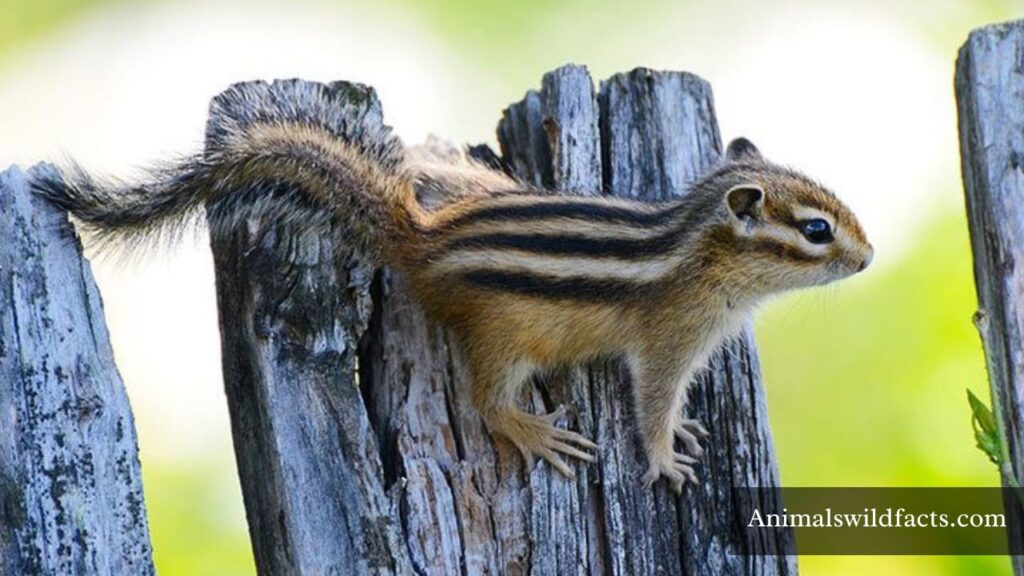
Not only are striped chipmunks visually striking, but they also exhibit fascinating behaviors that further enhance their appeal. Known for their energetic foraging, they spend much of their time collecting and hoarding food, a strategy crucial for their survival during harsh winters. Their advanced memory skills allow them to locate hidden caches, which speaks to the intricate relationship between their physical traits and survival strategies.
Striped mouse
Scientific name: Rhabdomys pumilio
Class: Mammalia
Diet: Omnivore
The striped mouse, a small rodent native to Southern Africa, showcases a fascinating blend of physiology and behavior that captivates wildlife enthusiasts and researchers alike. With its distinctive stripes running along its back, this diminutive creature isn’t just a feast for the eyes; the markings play a crucial role in camouflage, helping it evade predators while traversing the arid landscapes it calls home. Unlike many other rodents, the striped mouse is known for its exceptional climbing skills, often seen scaling thorny bushes and trees in search of food or shelter.
What truly sets the striped mouse apart is its social behavior. Living in family groups, these mice engage in intricate social hierarchies, exhibiting behaviors that suggest a level of communication and cooperation rarely seen in their rodent relatives. Their burrows, complex networks of tunnels, serve as both a refuge and a communal space, fostering strong bonds within the group. This social structure hints at an evolutionary strategy that allows them to thrive in harsh environments, making them not just survivors, but dynamic participants in their ecosystems.
Zorse
Class: Mammalia
Diet: Herbivore
The zorse is a fascinating hybrid, born of the unlikely coupling between a zebra and a horse. With its striking stripes that vary in intensity and coverage, the zorse highlights the contrasting traits of its parents — one embracing the wild spirit of the savanna, the other showcasing the domesticated elegance of horses. These markings aren’t just for show; they serve a vital purpose in the animal kingdom. Much like their zebra progenitors, zorses can utilize their stripes to confuse predators, creating a mesmerizing optical illusion that can deter threats in the wild.
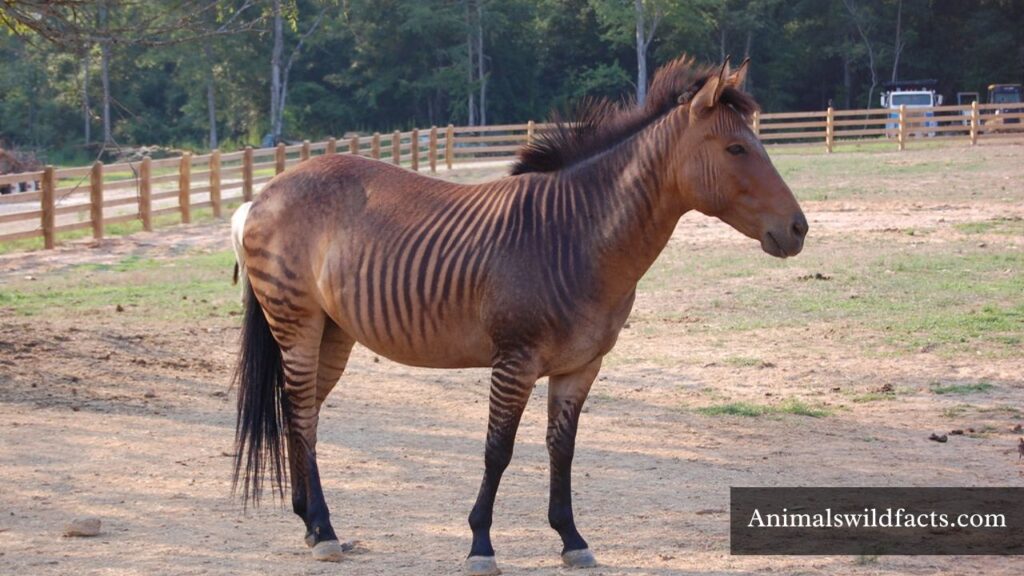
Zorses are not just a visual marvel; they embody a unique blend of temperament and prowess. While they inherit the innate stubbornness and unpredictable nature of zebras, they also acquire the trainability of horses. This fascinating combination results in animals that can tame the curious hearts of many, though they often retain an air of wildness that keeps trainers on their toes. As zorses gain popularity in zoos and wildlife sanctuaries, they also serve as vital ambassadors for conservation, reminding us of the delicate balance between nature and domestication.
Also read: Explore Top 15 Animals with Long Horns.
Thirteen-lined ground squirrel
Scientific name: Ictidomys tridecemlineatus
Class: Mammalia
Diet: Omnivore
The thirteen-lined ground squirrel, often overlooked in the grand tapestry of striped animals, showcases a remarkable adaptation to its environment. Found primarily in the grasslands of North America, its striking pattern of alternating dark and light stripes doesn’t just serve aesthetic purposes; these markings help camouflage the squirrel within the dappled sunlight of its prairie habitat. The stripes can mimic the effect of grass and shadows, protecting these small creatures from predators.
Moreover, their behavior is just as intriguing as their appearance. Thirteen-lined ground squirrels are not just solitary foragers; they exhibit complex social structures, engaging in communal burrowing and warning systems through a series of high-pitched squeaks. This social dynamic amplifies their survival strategy, as their network can offer protective advantages against predators like hawks and coyotes.
Giant-striped mongoose
Scientific name: Galidictis fasciata
Class: Mammalia
Diet: Carnivore
The giant-striped mongoose, often overshadowed by its more famous relatives, is a fascinating creature that commands attention not just for its striking appearance but also for its unique behavior. With bold stripes running along its body, this mongoose is an exemplary case of nature’s artistry, blending functionality with beauty. These patterns aren’t just for show; they serve as a form of camouflage in the dappled light of their forest habitat, helping them evade predators while stalking their prey.
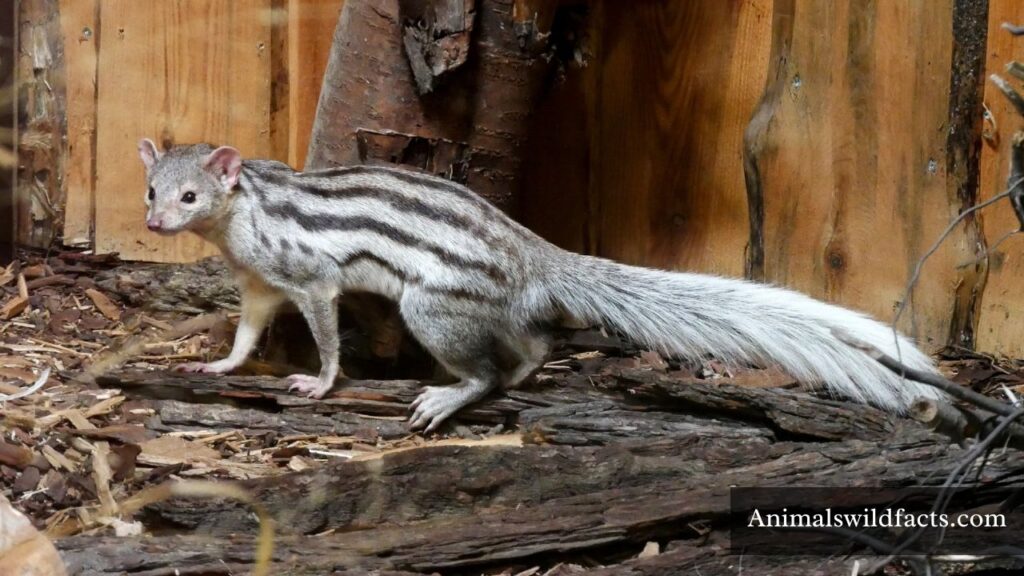
What sets the giant-striped mongoose apart is its social structure. Unlike many solitary mongoose species, this fascinating animal thrives in family groups, showcasing a complex social dynamic that includes communal rearing of young. Their cooperative hunting techniques and vocal communications further highlight an intelligence that is often underestimated in smaller mammals.
Bongo
Scientific name: Tragelaphus eurycerus
Class: Mammalia
Diet: Herbivore
The bongo is one of nature’s most striking creations, with its reddish-brown coat adorned in bold, vertical white stripes that serve as both camouflage and a symbol of its unique charm. Found primarily in the dense rainforests of Central and West Africa, the bongo’s stripes help it blend seamlessly into the dappled light of its surroundings, protecting it from predators while enhancing its ethereal beauty. Their elusive nature, coupled with a remarkable ability to navigate through thick underbrush, often makes them the ghosts of the forest, rarely seen yet profoundly captivating to those lucky enough to catch a glimpse.
With their spiral horns sweeping elegantly from their heads, bongos are not just visually stunning but are also highly social animals. Living in small herds, they communicate through a variety of vocalizations, creating a rich tapestry of sound in their habitat. However, they face numerous threats, particularly from habitat loss and poaching, which makes conservation efforts essential. Protecting the bongo is not just about preserving an iconic species; it’s about maintaining the ecological balance of the rainforests they inhabit, underscoring their indispensable role in the intricate web of life
Greater Kudu
Scientific name: Tragelaphus strepsiceros
Class: Mammalia
Diet: Herbivore
The Greater Kudu stands out in the animal kingdom not only for its striking physical appearance but also for its fascinating behavioral patterns. Unlike many striped animals, the Greater Kudu boasts vertical white stripes along its rich brown coat, which serve as a clever camouflage in its natural habitat. As they gracefully navigate the dense bushlands of southern Africa, these stripes help them blend seamlessly into sun-dappled environments, evading predators while also enhancing their allure during mating displays.
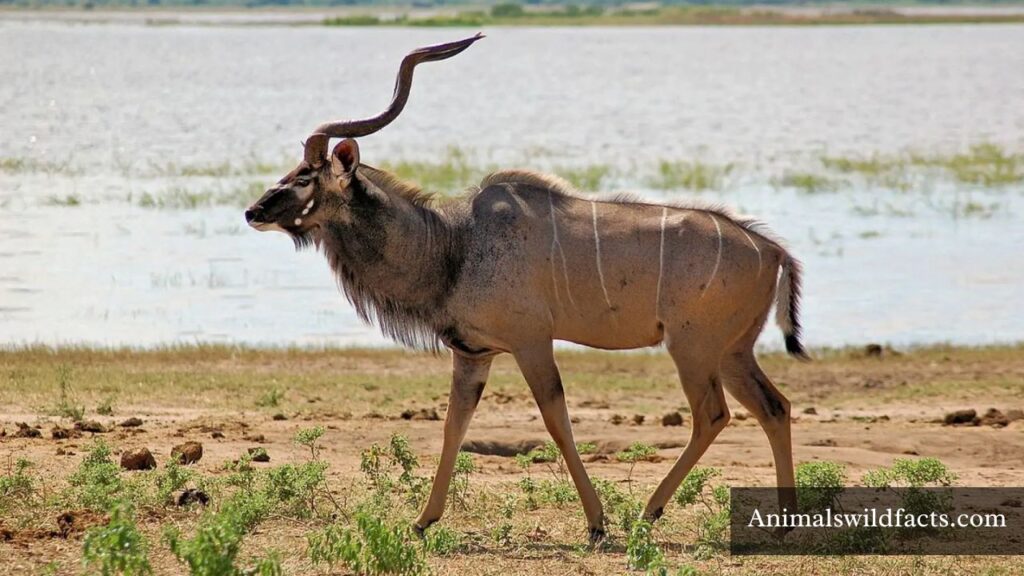
What truly sets the Greater Kudu apart, however, is its unique social structure. Often seen in small herds led by dominant females, they exhibit a remarkable blend of sociality and individualism. Males, adorned with impressive spiral horns, eventually leave their maternal groups to roam solo or form bachelor herds. This dynamic interplay of socialization resonates with the broader ecological balance, as their grazing habits shape the vegetation and contribute to the health of their ecosystem. The Greater Kudu’s life is a harmonious dance between beauty, survival, and community, exemplifying the intricate tapestry of life in the African landscape.
Readmore: Explore Top 12 Animals with Shells.
African wild ass
Scientific name: Equus africanus
Class: Mammalia
Diet: Herbivore
The African wild ass, a close relative of the domestic donkey, is a remarkable example of how stripes can serve as nature’s own camouflage. Unlike the striking patterns of zebras, the wild ass features subtle stripes on its legs and shoulders, providing effective concealment in the rocky terrains and desert scrubs of its arid habitat. This unique adaptation not only aids in evasion from predators but also reflects the harsh conditions in which these animals survive.
Moreover, the African wild ass’s social structure enhances its resilience. Living in small, tightly-knit herds led by a dominant male, they exhibit complex social behaviors that foster cooperation during foraging and protection. Their communication methods, including vocalizations and body language, deepen the bonds within the group, ensuring that information about dangers and resources is shared quickly.
Ring-tailed lemur
Scientific name: Lemur catta
Class: Mammalia
Diet: Omnivore
One of the most striking striped animals inhabiting our planet is the ring-tailed lemur, native exclusively to Madagascar. These primates are not just visually captivating due to their bold black-and-white tail stripes, but they also possess complex social dynamics that fascinate researchers. Living in matriarchal societies, female ring-tailed lemurs often dominate inter-group interactions, showcasing nature’s unique gender dynamics. Their playful behavior and social grooming rituals reveal a rich communal culture, making them not only iconic figures in their ecosystem but also subjects of intriguing behavioral studies.
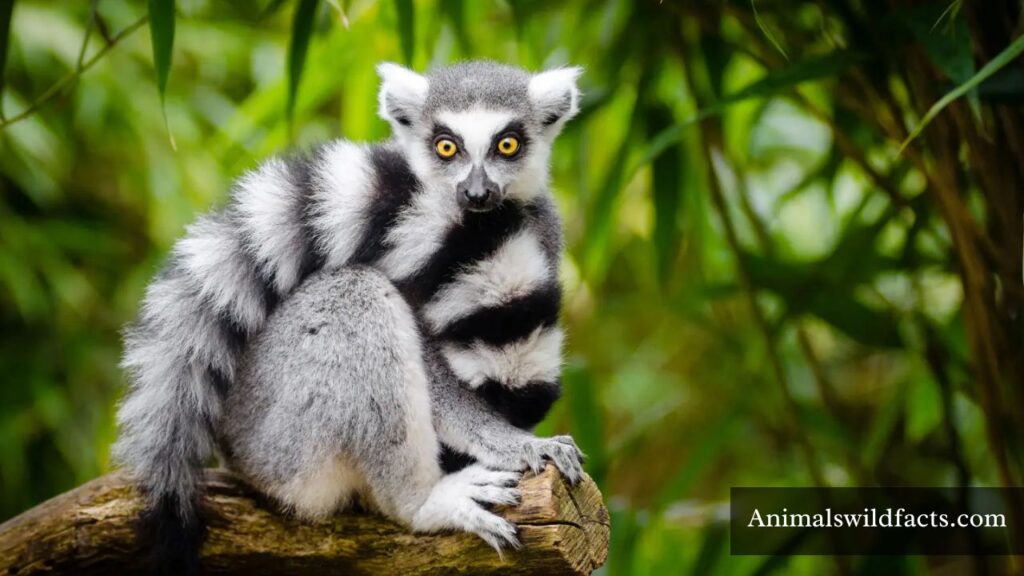
Interestingly, the ring-tailed lemur’s remarkable stripes do more than dazzle the eye; they serve crucial survival functions. These stripes create a striking visual signal that helps maintain group cohesion among their allies in dense forest environments. In the heat of the day, lemurs can often be seen sunbathing with their tails raised high — an act that may help regulate their body temperature while reinforcing their unmistakable identity. As Madagascar faces ecological challenges, understanding the role and symbolism of the ring-tailed lemur becomes essential for conservation efforts, emphasizing the urgency of preserving their unique habitat and the vibrant lives they lead within it.
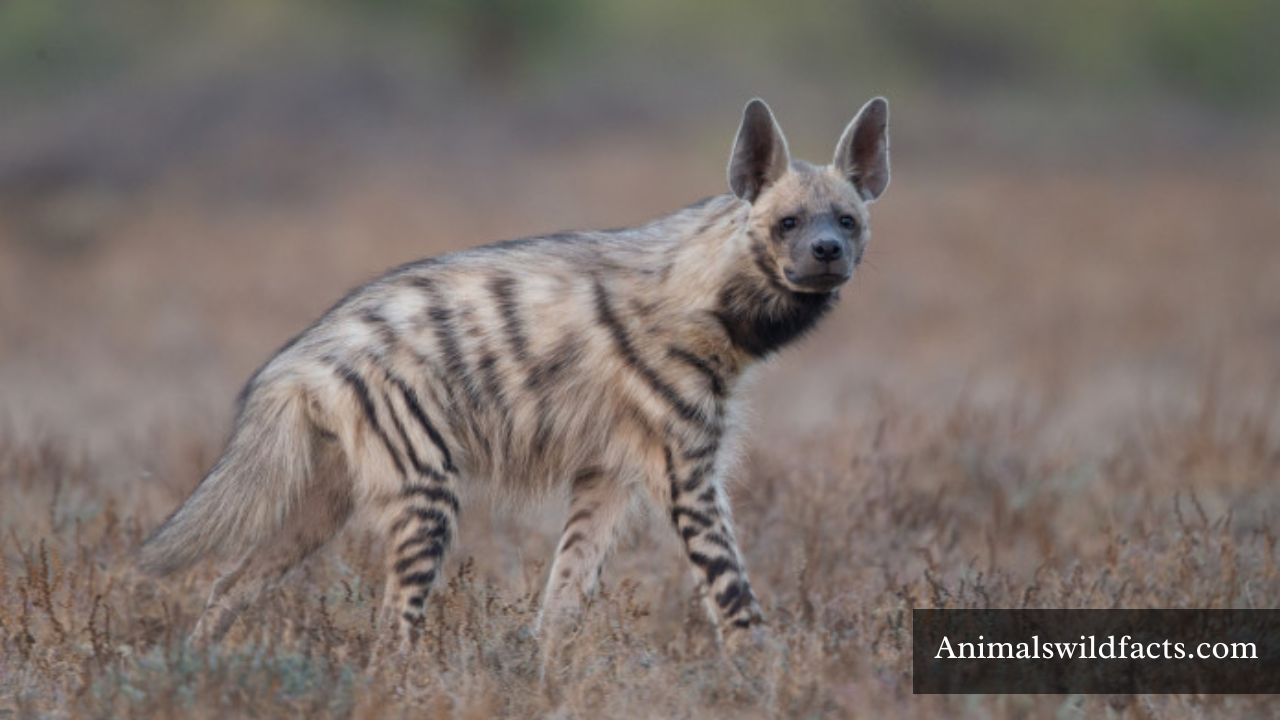
Striped hyena
Scientific name: Hyaena hyaena
Class: Mammalia
Diet: Carnivore
The striped hyena, often overshadowed by its more famous spotted relative, is a fascinating tapestry of adaptability and resilience. With its distinctive stripes adorning a shaggy coat, this enigmatic creature roams the rocky terrains and arid grasslands of North Africa and the Horn of Africa. Unlike other hyenas, which are known for their vocalizations and pack behavior, the striped hyena is more solitary and elusive, relying on its keen senses to navigate the night.
What sets the striped hyena apart is not just its appearance, but its unique dietary habits. Unlike its carnivorous counterparts, the striped hyena is an omnivore, scavenging for carcasses by night and foraging for fruits, roots, and insects during the day. This dietary flexibility allows it to thrive in environments where food options may be scarce. While they may not boast the fearsome reputation of their striped cousins, their behavior and social structures reflect a significant adaptability that allows them to coexist in various habitats, making them a resilient symbol of survival in the wild.
Conservation efforts are increasingly relevant for the striped hyena, as habitat loss and human encroachment continue to threaten their populations. The more we learn about these remarkable animals, the clearer it becomes that they play a crucial role in their ecosystems, helping to maintain balance through scavenging.
Coral Snake
Scientific name: Micrurus
Class: Reptilia
Diet: Carnivore
The coral snake, with its vivid bands of red, yellow, and black, is not just a striking visual marvel but also a fascinating study in survival strategies. Found primarily in the Americas, these snakes have successfully leveraged their eye-catching coloration as a warning system, a strategy known as aposematism. This bold display serves as a signal to predators: approach with caution, as a bite from this venomous reptile can be lethal.
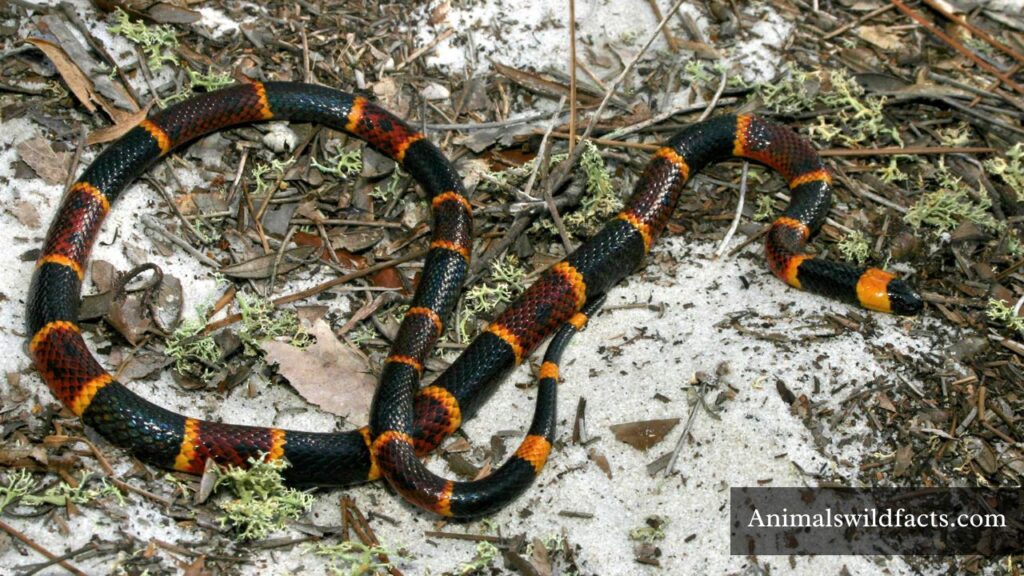
Beyond their striking appearance, coral snakes possess unique anatomical adaptations that set them apart in the reptile world. Unlike many of their serpentine relatives, coral snakes have an intricate tooth structure that enables them to deliver venom effectively, using their small, grooved fangs to inject toxins deep into prey. This specialized method allows them to subdue creatures much larger than themselves, often consuming small reptiles and amphibians. Their penchant for nocturnal behavior adds another layer of intrigue, as they skillfully navigate the underbrush in search of food while avoiding larger predators.
Also read: Explore Top 25 Most Energetic Animals.
Malayan Tapir
Scientific name: Tapirus indicus
Class: Mammalia
Diet: Herbivore
The Malayan tapir, with its striking black and white striped pattern, stands as a fascinating example of nature’s artistry. These stripes, which resemble the markings of a zebra, are not just visually appealing; they serve a crucial role in camouflage. In the dense rainforests of Southeast Asia, the patterns help tapirs blend into the dappled sunlight filtering through the canopy, protecting them from potential predators. This unique adaptation highlights the importance of natural selection in shaping the survival strategies of species.
More than just a clever disguise, the Malayan tapir embodies the interconnectedness of ecosystems. As a herbivore, it plays a vital role in its habitat by dispersing seeds from the fruits it consumes, promoting forest growth and diversity. Sadly, habitat destruction poses a significant threat to their existence, with deforestation and poaching leading to a dramatic decline in their population. Conservation efforts are critical; protecting these incredible creatures not only safeguards their future but also ensures the health of the forests they inhabit, underscoring the delicate balance of life that exists within these vibrant ecosystems.
Nyala
Scientific name: Tragelaphus angasii
Class: Mammalia
Diet: Herbivore
The nyala, a stunning antelope native to the woodlands and shrublands of southern Africa, captivates with its striking appearance and elusive behavior. Males sport a rich chocolate brown coat adorned with white stripes and spots, which not only serve as a form of camouflage among the dappled light of the forest but also play a role in social interactions within their herds. The rich contrast of their striped fur is fascinating, as it creates an optical illusion that can confuse predators in their complex habitats.
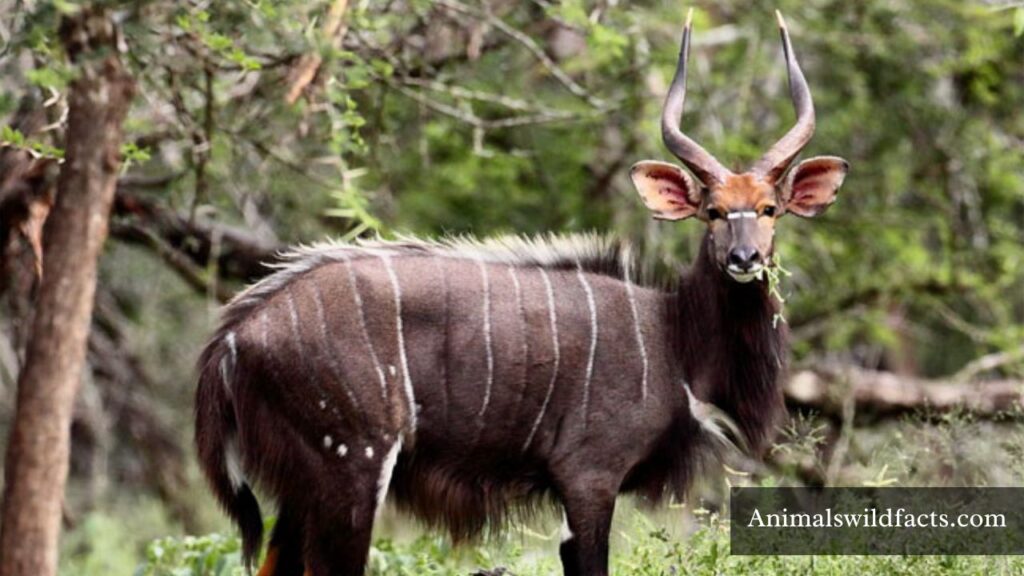
Beyond their looks, nyalas possess an intriguing social structure. While males are often solitary or form small bachelor groups, females tend to congregate in larger, matriarchal herds. This dynamic allows for a fascinating study of social hierarchies and cooperative behaviors in the wild. Their unique vocalizations, ranging from sharp barks to low grunts, communicate alerts and strengthen bonds among herd members.
Readmore: Explore Top 14 Animals with Whiskers.
Final Words
Striped animals are not just visually captivating; they play vital roles in their ecosystems and offer insights into the biology and behavior of various species. From the iconic zebra roaming the African savannah to the striking tiger prowling through dense jungles, each striped creature showcases unique adaptations that highlight the beauty of nature. Their stripes serve multiple purposes, from camouflage to social signaling, illustrating the intricate balance of life in the wild.
As we admire these fascinating animals, it’s essential to recognize the threats they face due to habitat loss and climate change. Let us strive to protect these remarkable creatures and their habitats, ensuring that generations to come can enjoy the wonders of our planet’s striped wildlife.
FAQs
What is the most common striped animal?
The most common striped animal is probably the zebra. These animals are well-known for their distinctive black and white stripes, which are not only striking but also serve various purposes, such as camouflage and social signaling within herds.
What animal has a striped tail?
One of the most notable animals with a striped tail is the raccoon. Their recognizable black and gray striped tails complement their distinctive facial markings. Raccoons are known for their curiosity and dexterous paws, making them adept at foraging.
Is there a monkey with a striped tail?
Ring-tailed lemurs are known for their distinctive striped tails. These primates, native to Madagascar, have long, black and white striped tails that they use for communication and balance while navigating their arboreal habitats. The stripes are not just for show; they help maintain social structure within their groups.
What animal is large and striped?
One of the most prominent large striped animals is the tiger. Tigers are the largest species of big cats, known for their striking orange coats with black stripes, which provide excellent camouflage in their natural habitats. These majestic creatures primarily inhabit forests, grasslands, and mangrove swamps across Asia and are recognized not only for their beauty but also for their powerful build and hunting prowess.