Top 20 Animals That are Skinny (With Images)
Ever wondered how certain animals thrive despite their small stature? The phenomenon of “Animals That are Skinny” showcases a fascinating variety of creatures that defy the norms of size and strength in the animal kingdom. By exploring their unique adaptations, we can gain insights into the survival tactics that allow them to flourish in their environments. Join us as we uncover the surprising ways in which being skinny can be a significant advantage in the wild.
List of Animals That are Skinny
Below is the list of skinny animals:
- Great Egret
- Common house gecko
- Meerkat
- Gazelle
- Giraffe
- Needlefish
- Stoat
- Brookesia Micra Chameleon
- Carolina mantis
- Whippet
- Alpaca
- Greyhound
- Stick bug
- Red Slender Loris
- Mako Shark
- Kangaroo
- Spotted Garden Eel
- Etruscan Shrew
- Dragonfly
- Ferrets
Great Egret
Scientific Name: Ardea alba
Class: Aves
The Great Egret, with its slender body and striking stature, is more than just a picturesque bird often seen wading gracefully in wetlands. Its elegant neck and long legs serve a purpose beyond aesthetics; they enhance its ability to hunt by allowing it to stalk prey stealthily. This bird’s striking white plumage can appear almost ethereal against the backdrop of lush marshlands, creating a stunning contrast that captivates photographers and birdwatchers alike.
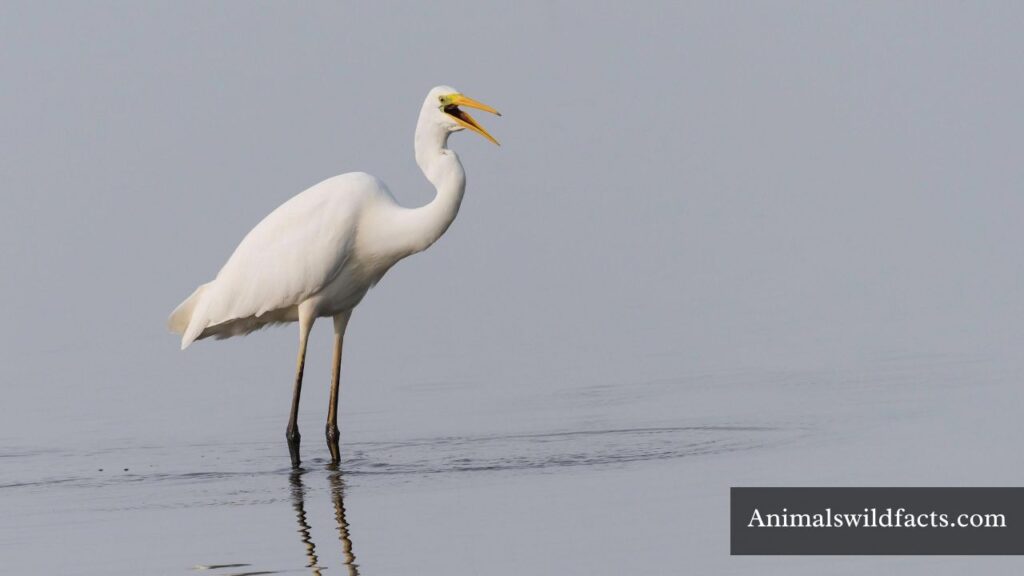
What sets the Great Egret apart from other wading birds is not just its beauty but its remarkable adaptability. These birds are skilled at navigating diverse habitats, from shallow estuaries to freshwater ponds. Their hunting technique involves a mix of patience and precision, as they remain motionless for long periods, waiting for fish or amphibians to swim within striking distance. As climate change and habitat loss continue to threaten wetlands, observing the Great Egret can serve as a poignant reminder of the fragile ecosystems they inhabit and the urgent need to protect these beautiful yet vulnerable environments.
Common house gecko
Scientific Name: Hemidactylus frenatus
Class: Reptilia
The common house gecko, often found peering from the corners of your walls, embodies a unique blend of agility and adaptability. Their elongated bodies and minimalistic limbs give them a sleek profile, enabling them to navigate urban environments with remarkable ease. While they may be small — typically measuring around four to six inches — they wield an astonishing ability to thrive in both tropical and temperate climates, making them true survivors in the ever-evolving landscapes of human habitation.
Beyond their physical attributes, these geckos are fascinating for their social behavior. Unlike many reptiles, house geckos are known to communicate using a series of chirps and clicks, establishing a territory and attracting mates through vocal displays. This social aspect is intriguing, suggesting a level of engagement with their environment that often goes unnoticed.
Meerkat
Scientific Name: Suricata suricatta
Class: Mammalia
Meerkats, often viewed as the quintessential social animal, exhibit a remarkable blend of intelligence and adaptability that captivates observers. Their slender bodies and upright posture allow them to survey their surroundings for predators, embodying a blend of vulnerability and vigilance. Interestingly, their communication is as dynamic as their physical presence; they employ a range of vocalizations, body language, and even facial expressions to convey messages to their kin. This intricate social structure not only enhances their survival but also highlights an innate understanding of community dynamics.
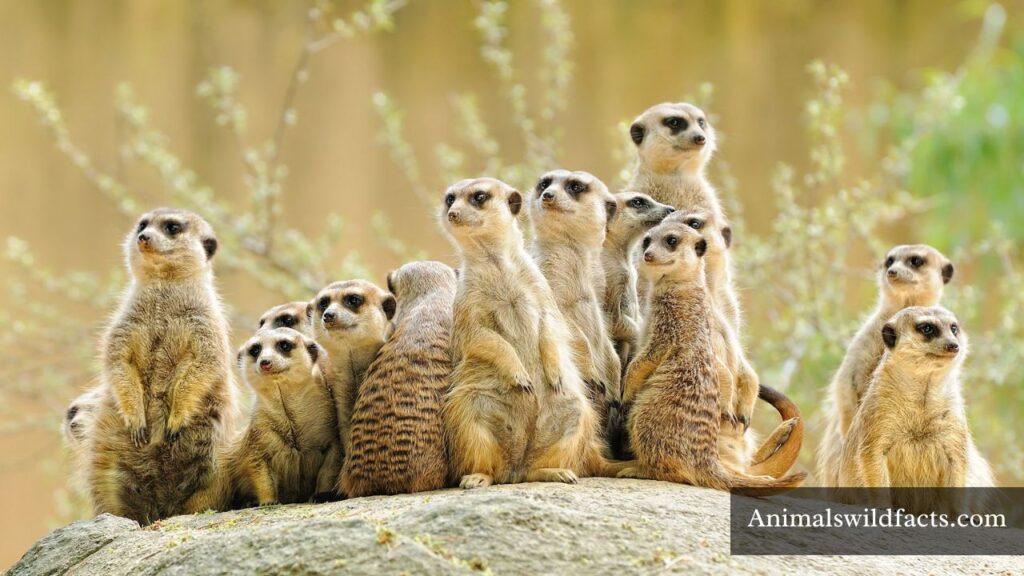
Living in tight-knit groups called mobs, meerkats demonstrate a fascinating division of labor. While some are tasked with foraging, others take on the crucial role of sentinels, standing guard to alert the group to potential threats. This cooperative behavior underscores the importance of teamwork in their survival strategy, showcasing an early form of communal living that many species strive for. Observing meerkats in their natural habitat provides valuable insights into evolutionary biology, while also inviting us to reflect on the social structures within our own communities.
Moreover, the meerkat’s unique adaptations extend beyond mere survival; their playful interactions provide a compelling lens through which we can examine the balance between instinct and learned behaviors. Engaging in play not only strengthens bonds within the mob but also hones essential skills for foraging and alertness. This duality of playful curiosity and sheer survival instinct illustrates a sophisticated approach to life in the wild, inviting us to appreciate the complexity of even the most seemingly simple creatures.
Gazelle
Scientific Name: Gazella
Class: Mammalia
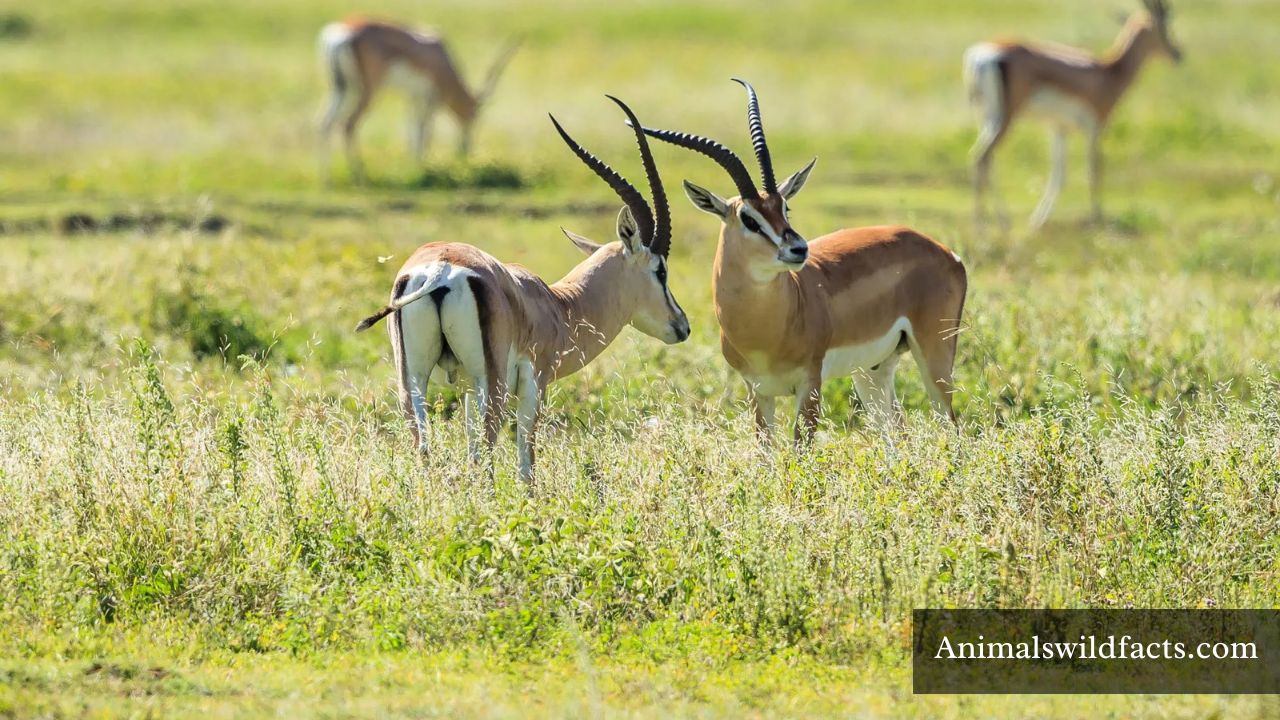
The gazelle, with its slender physique and graceful movements, epitomizes the art of survival in the wild. These agile creatures have evolved to thrive in arid landscapes, relying on their long legs not just for speed, but as an intricate adaptation to evade predators. Their thin limbs are deceptively strong, allowing them to make astonishing leaps that can reach heights of six feet. During a sprint, they can reach speeds of up to 60 kilometers per hour, showcasing a blend of elegance and raw power that captivates any observer.
Beyond their physical prowess, gazelles exhibit fascinating social behaviors that enhance their survival. Living in herds, they maintain a keen awareness of their surroundings, using a unique communication system that includes both vocalizations and subtle body language. When threatened, a gazelle’s instinct is to perform a series of stotting jumps — an act that signals to predators its fitness and readiness to escape, often causing them to rethink their chase. This complex interplay of speed, social dynamics, and instinct reveals that survival for the gazelle is not just about physicality; it’s a multifaceted dance woven into the fabric of nature, balancing between vulnerability and resilience.
Giraffe
Scientific Name: Giraffa camelopardalis
Class: Mammalia
Giraffes, with their long necks and slender limbs, embody a unique elegance in the animal kingdom. This distinct physique isn’t just for show; it serves a critical purpose in their survival. By reaching high into the treetops, giraffes can access foliage that many other herbivores cannot, allowing them to thrive in areas where food is scarce. Interestingly, their long necks also facilitate a social hierarchy among males, who engage in necking contests — swinging their necks to strike one another in a display of strength and dominance.

However, the giraffe’s slender form poses challenges. Their height makes them vulnerable to predators, particularly in the absence of cover. To combat this, giraffes have developed acute eyesight to spot danger from afar. Moreover, their social behavior plays a crucial role in their safety; they often graze in groups, providing multiple sets of eyes to watch for threats. This combination of adaptations showcases not just a fascinating species, but also a remarkable example of how evolution shapes the body and behavior of animals in response to their environment.
Needlefish
Scientific Name: Belonidae
Class: Actinopterygii
Needlefish, with their elongated bodies and razor-sharp jaws, are the epitome of nature’s design ingenuity. These slender piscivores glide through coastal waters with an agility that belies their fragile appearance. Their unique morphology allows them to dart swiftly and strike at prey with pinpoint accuracy, often targeting smaller fish and crustaceans. This design isn’t just for show; it’s a survival mechanism that has evolved finely tuned over millions of years, blending elegance with lethal efficiency.
Stoat
Scientific Name: Mustela erminea
Class: Mammalia
The stoat, with its sleek, elongated body and striking coat, is a master of adaptation in the wild. Often mistaken for a weasel, this nimble creature transforms its appearance with the seasons — donning a rich brown summer coat and a snow-white winter ensemble. This remarkable ability not only aids in camouflage but also highlights the stoat’s survival instincts in varied environments. Their ferocity, contained within their small frame, belies the common perception of delicacy; stoats are skilled hunters, capable of taking down prey much larger than themselves.
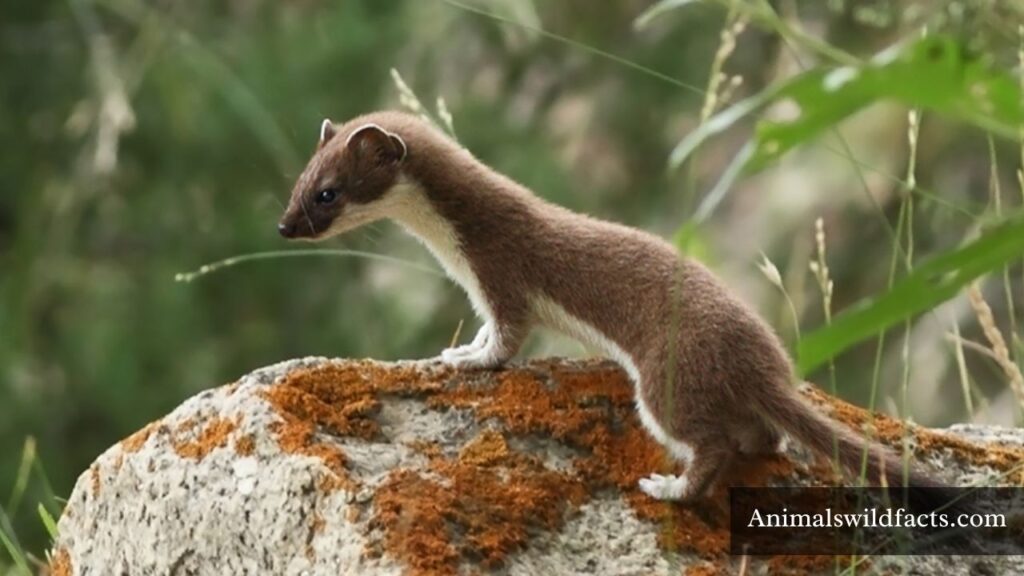
Understanding the stoat’s ecology offers fascinating insights into the delicate balance of ecosystems. As a predator, the stoat plays a pivotal role in controlling populations of rodents and other small mammals. Their hunting strategies, which often involve quick bursts of speed and agility, are a testament to their evolutionary success. Interestingly, stoats also participate in a unique display of courage called the “stoat dance,” where they engage in playful antics to distract predators. This behavior not only showcases their cleverness but also fosters survival through deception, further enriching the narrative of these petite powerhouses in nature.
Brookesia Micra Chameleon
Scientific Name: Brookesia micra
Class: Reptilia
The Brookesia micra chameleon holds the title for being one of the world’s smallest reptiles, measuring just less than an inch in length. But don’t let its petite frame fool you — this diminutive creature is a marvel of adaptation and survival. In the lush, leaf-littered forests of Madagascar, the Brookesia micra employs its size as a stealthy strategy, expertly camouflaging among foliage to evade predators and ambush unsuspecting prey. Its slender body not only makes it more agile but allows it to exploit microhabitats that larger predators cannot access.
What’s even more fascinating is how the Brookesia micra challenges our understanding of evolution. As climate change and habitat destruction continue to threaten its delicate environment, this tiny chameleon epitomizes the fragility of biodiversity. Even such small beings can serve as critical indicators of ecosystem health; their presence or absence can reveal much about environmental stability. Observing their behavior and struggles can inspire deeper conservation efforts, emphasizing that even the tiniest creatures have an enormous role in maintaining the balance of life on Earth.
Carolina mantis
Scientific Name: Stagmomantis carolina
Class: Insecta
The Carolina mantis, a true marvel of adaptation, showcases nature’s ingenuity in both form and function. With its elongated body and distinctly triangular head, this insect embodies the essence of camouflage, seamlessly blending into its environment. Found in gardens and grasslands throughout the eastern United States, it serves as an effective predator, feasting on unsuspecting insects with lightning-fast strikes. Its slender shape not only aids in stealth but also allows it to navigate tight spaces, making it a formidable hunter in varied terrains.
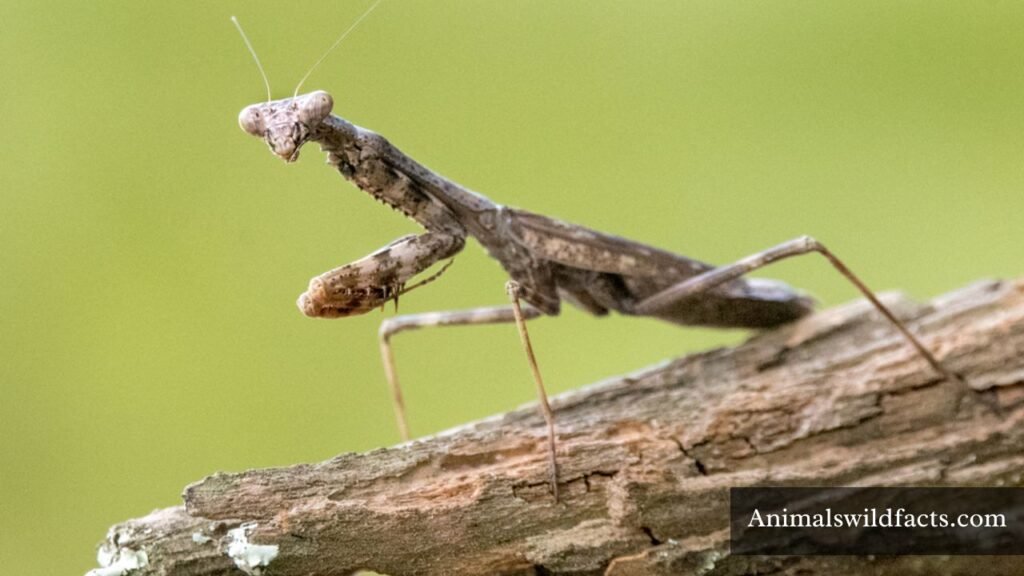
What’s fascinating about the Carolina mantis is its unique courtship behavior, where males often engage in a delicate dance to attract females. This ritual, however, is fraught with danger; females are known to consume their partners post-mating, a behavior that ensures the survival of the fittest in this species. Beyond reproduction, the Carolina mantis plays a crucial role in maintaining ecological balance, controlling pest populations and contributing to the overall health of its habitat
Whippet
Class: Mammalia
The whippet, often overshadowed by its more robust counterparts, is a stunning example of elegance in the canine world. These slender athletes possess a graceful build that belies their impressive speed, making them one of the fastest dog breeds over short distances. Originating from the coal mining regions of England, whippets were once favored by working-class families for both companionship and hunting. Their agility and sleek physique allowed them to dart after small game effortlessly, showcasing their blend of beauty and functionality.
Beyond their athletic prowess, whippets also possess a unique temperament that captivates dog lovers. Known for their affectionate and gentle nature, these dogs thrive on close human interaction. Often described as “couch potatoes” when not racing, whippets enjoy snuggling just as much as they relish a sprint. Their low-maintenance grooming needs and quiet demeanor make them ideal companions for city dwellers and families alike, bridging the gap between active lifestyles and relaxed home life.
Also Read: Can dogs have salami.
Alpaca
Scientific Name: Vicugna pacos
Class: Mammalia
The alpaca, often overshadowed by its more popular camelid cousin, the llama, deserves a special spotlight in the realm of “skinny animals.” With a sleek physique adorned in luxurious fleece, alpacas exude both elegance and charm. Their slender necks serve not just an aesthetic purpose; they are a marvel of adaptation, enabling these animals to graze efficiently on the sparse vegetation of the Andes mountains. In a world increasingly concerned about sustainability, alpacas present an eco-friendly option for fiber production, requiring less land and water compared to sheep.
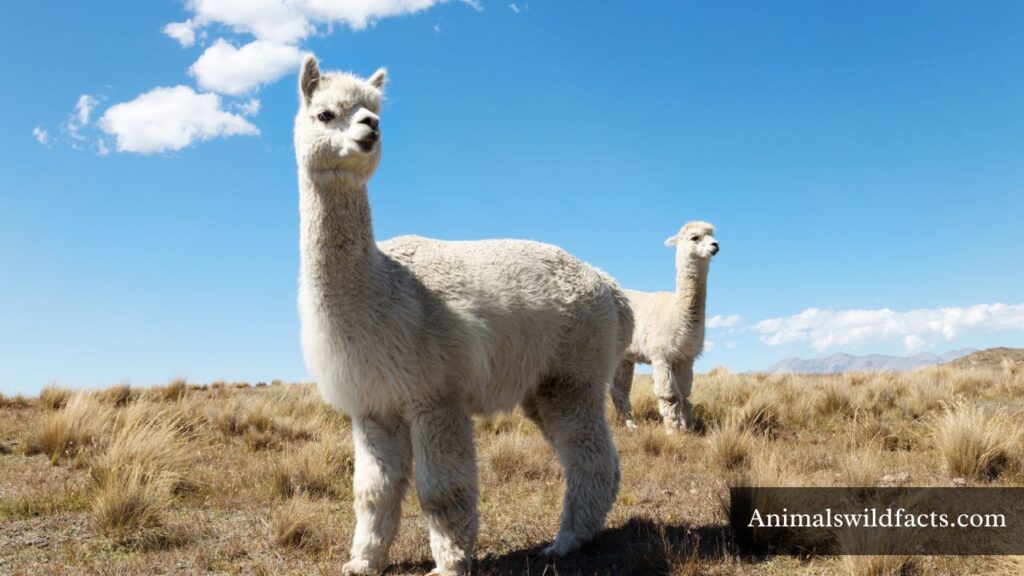
In addition to their practical benefits, alpacas have an intriguing social structure. These social animals thrive in herds, forming close bonds with each other that reflect a rich emotional landscape. Interactions within the group are characterized by a gentle hierarchy, determined by age and personality rather than aggression. Observing alpacas can provide a deeper understanding of animal intelligence and empathy — qualities often underestimated in critters that appear simply cute and fluffy. Their unique, slender appearance and gentle demeanor encapsulate a remarkable intersection of utility and companionship, making them a striking example of nature’s diversity.
Greyhound
Class: Mammalia
Greyhounds, often celebrated for their sleek physique and remarkable speed, encapsulate a unique blend of elegance and power. Their slender bodies are not mere aesthetics; they are a testament to generations of selective breeding tailored for race tracks. With a streamlined form that allows them to reach speeds of up to 45 miles per hour, these dogs are living examples of nature’s engineering. However, their physicality belies an unexpected gentleness — despite their racing heritage, Greyhounds are famously known as “couch potatoes” and thrive on relaxation and companionship.
What further sets Greyhounds apart is their temperament, which juxtaposes their athletic prowess. They possess a calm demeanor, making them suitable for various living environments, from bustling cities to serene suburbs. This adaptability is enhanced by their low-maintenance grooming needs, making them an appealing choice for potential pet owners.
Stick bug
Scientific Name: Phasmatodea
Class: Insecta
The stick bug, often aptly referred to as the phasmid or stick insect, embodies nature’s masterclass in camouflage and adaptation. With bodies that resemble twigs or branches, these thin, elongated creatures have evolved to blend seamlessly into their surroundings, making them nearly invisible to predators. This incredible mimicry highlights the profound connection between an organism’s physical form and its environment, illustrating the delicacy of survival in the wild.
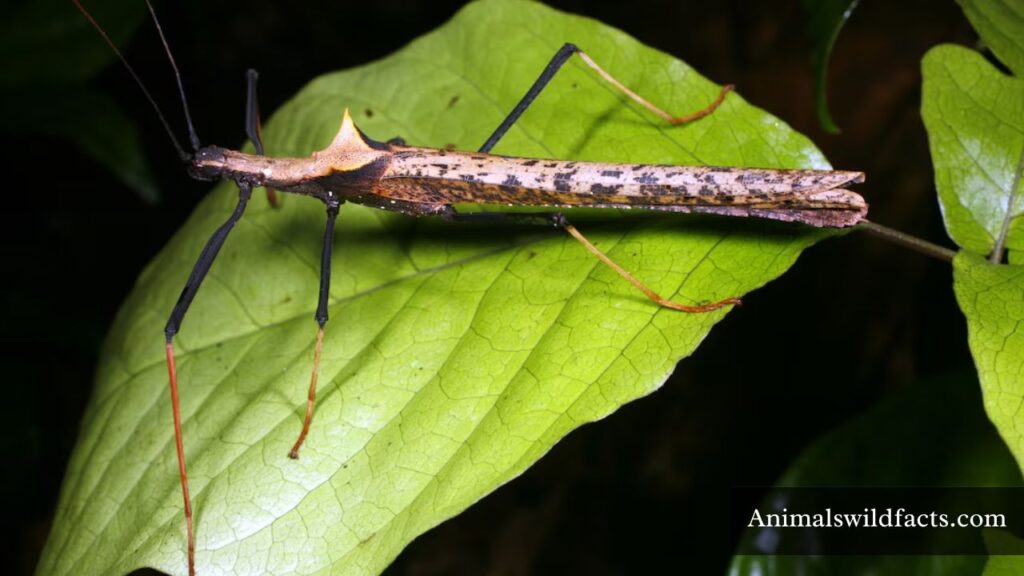
Beyond their striking appearance, stick bugs showcase fascinating behaviors that add to their allure. For instance, many species are parthenogenetic, meaning females can reproduce without mating, allowing populations to thrive in sparse conditions. Their slow, deliberate movements further enhance their disguise, as sudden motions might attract unwanted attention. Observing these “living sticks” reveals a captivating world of adaptation, reminding us how nature crafts elaborate survival strategies through simplicity.
Red Slender Loris
Scientific Name: Loris tardigradus
Class: Mammalia
The Red Slender Loris is a fascinating creature that epitomizes the delicate balance of adaptation and survival in its native Southeast Asian forests. With its unmistakable elongated limbs and wide, expressive eyes, this nocturnal primate does more than just charm with its looks; it plays a critical role as a custodian of its ecosystem. By feasting on insects and small invertebrates, it helps regulate populations that would otherwise spiral out of control, showcasing nature’s interconnectedness.
Beyond its ecological importance, the Red Slender Loris embodies the fragility of wildlife under pressure. Habitat loss and poaching threaten its existence, forcing conservationists to act swiftly. This creature’s unique defensive mechanism — an eerie ability to freeze in place for hours — serves as both camouflage and a strategy for evading predators. Yet, in a world increasingly marked by human encroachment, such instincts can only do so much. By illuminating the plight of this slender survivor, we not only raise awareness but also emphasize the urgent need for conservation efforts to protect these irreplaceable beings and their ecosystems.
Mako Shark
Scientific Name: Isurus oxyrinchus
Class: Chondrichthyes
The Mako shark is a stellar example of nature’s engineering, showcasing a sleek, aerodynamic body that allows it to glide effortlessly through the ocean’s depths. Known as one of the fastest shark species, it can reach speeds of up to 45 miles per hour, making it a top predator in the marine ecosystem. This speed not only aids in hunting but also plays a crucial role in maintaining the balance within its habitat, as it preys upon a variety of fish and cephalopods.

Beyond its remarkable physical attributes, the Mako shark’s behavioral traits are equally fascinating. They exhibit a unique hunting technique known as porpoising, where they leap out of the water to gain momentum while pursuing prey. This acrobatic behavior not only conserves energy but also positions them as an apex predator, capable of outmaneuvering many of their would-be targets. Moreover, their warm-bloodedness allows them to thrive in colder waters, showcasing an evolutionary adaptation that underscores their survival prowess in diverse marine environments.
Kangaroo
Scientific Name: Macropus
Class: Mammalia
Kangaroos, often seen as the iconic symbol of Australia, showcase a fascinating blend of agility and adaptability that stands apart from other animals. These naturally lean, muscular creatures possess powerful hind legs designed for bounding great distances — up to 30 feet in a single leap. This impressive physical trait not only aids in travel but serves as a strategic advantage against predators in their arid environments. Their lightweight frames also allow kangaroos to conserve energy; they utilize a unique mode of locomotion that optimizes efficiency, making long journeys in search of food and water less taxing.
Social structures within kangaroo groups, or mobs, highlight their intelligence and adaptability. In a fluid hierarchy, these animals communicate through subtle body language, ensuring harmony and cooperation within their ranks. The nurturing instincts of female kangaroos are equally compelling: a mother will adjust her milk’s composition based on her joey’s needs, exemplifying a remarkable adaptability to environmental conditions.
Spotted Garden Eel
Scientific Name: Heteroconger hassi
Class: Actinopterygii
The Spotted Garden Eel is a fascinating creature that captivates divers and marine enthusiasts alike with its unique, elongated form and striking patterns. Unlike many other marine animals, these eels display an intriguing behavior: they burrow into the sandy seafloor, leaving only their slender bodies exposed. This not only provides them with camouflage from predators but also creates a mesmerizing underwater spectacle as they sway gracefully in the currents, resembling a field of delicate grass swaying in the breeze.
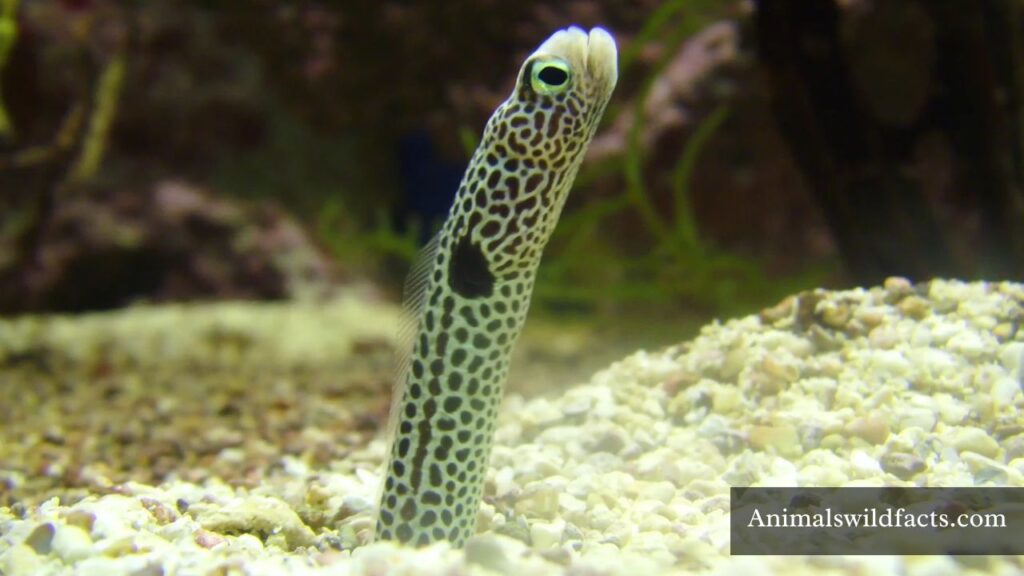
Often found in large colonies, Spotted Garden Eels exhibit a surprisingly intricate social structure. They communicate through subtle movements, creating a dynamic community where individuals participate in foraging for plankton while keeping an eye out for threats. Their vibrant spots — ranging from yellow to brown — serve not just as camouflage but also play a role in individual recognition among eels. These beautiful creatures remind us of the delicate balance of marine ecosystems and the importance of preserving their habitat, as their survival depends on a healthy ocean environment.
Etruscan Shrew
Scientific Name: Suncus etruscus
Class: Mammalia
With a body length barely surpassing that of a teaspoon, the Etruscan shrew holds the title of the world’s smallest mammal by mass. These petite creatures, often weighing less than a penny, are marvels of adaptation, thriving in diverse habitats ranging from woodland to shrubland. Their tiny size might lead one to underestimate their significance, yet they play a crucial role in the ecosystem, acting as voracious insectivores that help regulate bug populations. Their high metabolism demands almost constant feeding, prompting a pace of life that is anything but languid.
The Etruscan shrew’s unique physiology begs intrigue. Equipped with a continuously mobile snout and an array of teeth finely tuned for catching insects, it’s a fascinating example of evolutionary efficiency. Their rapid heart rate — soaring to over 1,000 beats per minute — needs to be matched with a relentless quest for food, showcasing how nature’s design balances fragility with fierce survival instincts. Observers often miss them, camouflaged among leaf litter and underbrush, yet their fleeting presence offers a reminder of the hidden complexities of biodiversity lurking within our own backyards.
Dragonfly
Scientific Name: Anisoptera
Class: Insecta
The dragonfly, nature’s aerial acrobat, epitomizes grace and agility with its elongated, slender body. These enchanting insects, despite their delicate appearance, boast an extraordinary flight capability, capable of hovering, darting, and even flying backward. Their shimmering wings, which can span nearly three times the length of their bodies, are not just for show; they allow for an unmatched maneuverability that evades predators and impresses mates alike.
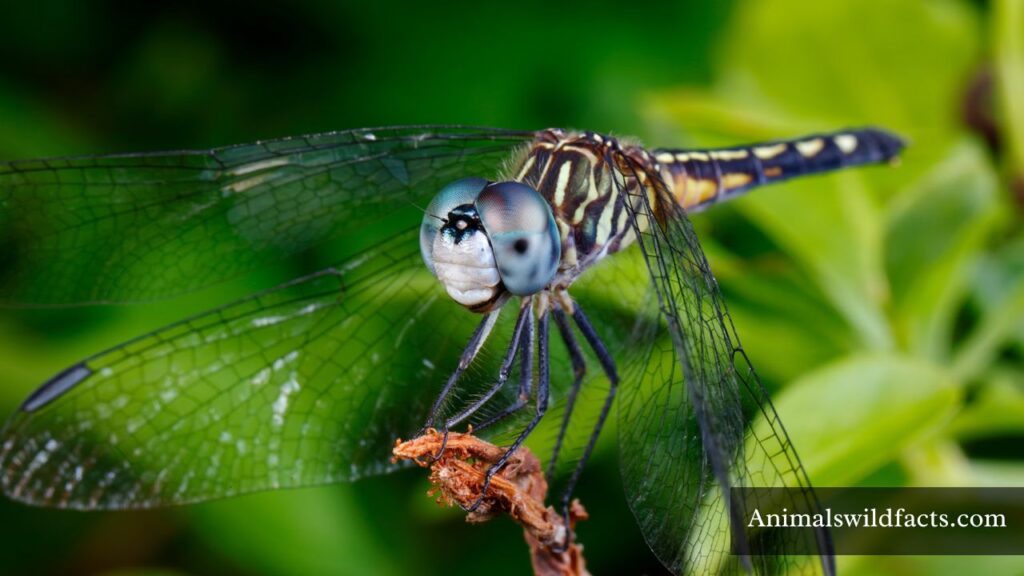
While often admired for their beauty, what’s truly fascinating is their role in ecosystems. As voracious predators, dragonflies not only control mosquito populations but also serve as indicators of environmental health. Their presence hints at clean water and balanced ecosystems, a testament to their sensitivity to habitat changes. With more than 3,000 species worldwide, each brings unique adaptations and characteristics, shedding light on the intricate web of life that supports them.
Ferrets
Scientific Name: Mustela putorius furo
Class: Mammalia
Ferrets, with their sleek bodies and playful demeanor, are often overlooked in the realm of pets. These creatures are not just adorable; they possess a rich social complexity that rivals that of dogs and cats. Known for their boundless energy, they thrive in interactive environments, making them superb companions for those willing to engage in spirited play. Their natural curiosity drives them to explore every nook and cranny, often leading to delightful antics that showcase their intelligence.
What many don’t realize is that ferrets come with a surprisingly diverse history. Originally domesticated for hunting purposes, their lineage dates back thousands of years, highlighting a unique bond with humans that has evolved over time. This connection adds depth to their quirky personalities; ferrets are often seen as both mischievous tricksters and cuddly companions. Their unique social structures within groups exhibit behaviors that can be quite fascinating, such as play-fighting and cooperative burrowing, emphasizing their need for companionship — not just from humans, but also from fellow ferrets.
Final Words
The world of skinny animals showcases the incredible diversity of life and the unique adaptations these creatures have developed to thrive in their environments. From the slender gazelle gracefully sprinting across the savannah to the remarkably sleek and agile feline species, each animal shines a light on nature’s creativity. These adaptations often highlight the balance between survival and efficiency in the wild, reminding us of the intricate connections within ecosystems. As we explore the fascinating characteristics of these animals, let’s not forget our role in preserving their habitats and promoting biodiversity. Join us in advocating for wildlife conservation efforts to protect the stunning variety of life on our planet.
FAQs
What is the most skinny animal in the world?
The pygmy shrew holds the title for the smallest mammal, and it’s incredibly thin too. Weighing about 1.8 grams and measuring around 6–8 centimeters, this tiny creature is often found in forests and grasslands across Europe and Asia. Its tiny size allows it to navigate through dense underbrush effortlessly. Despite its fragility, the pygmy shrew is a fierce little predator, feeding on insects and other small invertebrates. With its rapid metabolism, it requires a significant amount of food daily to sustain its energy levels.
What is the slimiest animal?
The hagfish is often considered the slimiest animal in the ocean. These jawless fish produce a whopping amount of mucus as a defense mechanism. When threatened, they release a thick, gooey slime that expands in water, making it difficult for predators to catch them. This slime can even clog the gills of fish trying to attack. Hagfish can produce their slime quickly and in large quantities, which helps them escape danger. This unique adaptation not only protects them but also plays a role in their feeding strategy, as they scavenge on dead or dying marine animals.
What animal has skinny legs?
One animal known for its skinny legs is the gazelle. These graceful creatures have long, slender legs that enable them to run at incredible speeds, which is essential for escaping predators in their natural habitat. Their lightweight structure is perfectly adapted for agility and endurance.
What is the tallest skinny animal in the world?
The tallest skinny animal in the world is often considered to be the giraffe. Standing up to 18 feet tall, giraffes are known for their long necks and slender legs, which give them a unique, towering appearance compared to other mammals. Their height not only helps them reach high branches for food but also allows them to survey their surroundings for predators.
What is the most ugly skinny animal?
The aye-aye is often considered one of the ugliest skinny animals out there. With its large, bulging eyes and long, bony fingers, it definitely has an unusual look that can be off-putting. Native to Madagascar, this nocturnal primate has a peculiar way of finding food by tapping on trees to locate insects. Beyond its appearance, the aye-aye plays a vital role in its ecosystem. Despite its quirky looks, it’s an essential part of maintaining the health of forests.