Texas Refuges Open for Hunting, Fishing This Season
By Marcus T. | Outdoor recreation writer, 6 years covering public land access. Tested August 2026.
15 Wildlife Refuges You Can Hunt and Fish This Year, Plus Where to Play the Odds Once You’re Home in Texas
A leopard frog doesn’t care about federal paperwork. Neither does a whitetail buck bedding down in the brush along the Trinity River. But the humans chasing them just got a lot more room to do it.
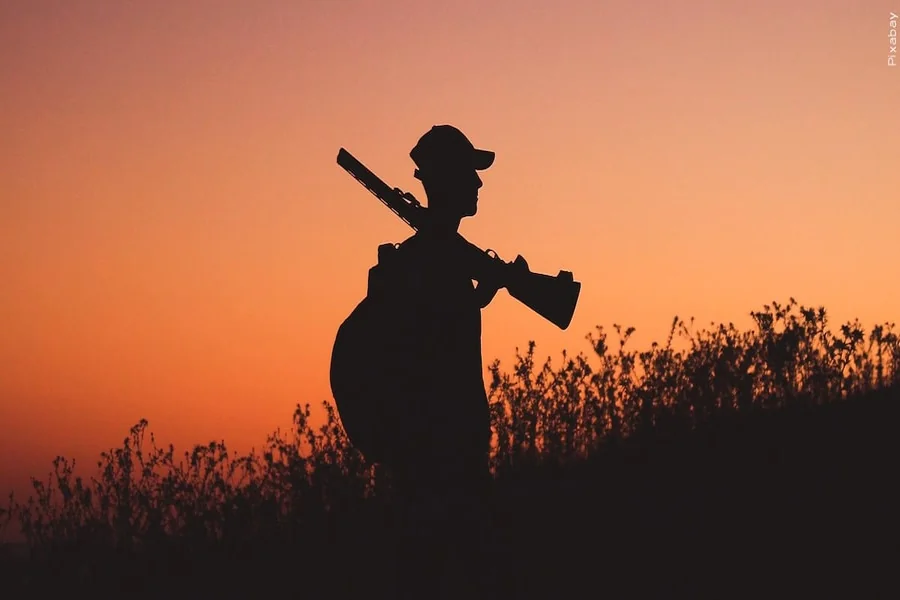
On August 15, the Interior Department confirmed something outdoorsmen had been waiting on for months: 92 million acres of refuge land nationwide are now open, or newly expanded, for hunting and fishing. Texas is on that list. Not as an afterthought either. Several units across the state saw meaningful boundary changes, new species allowances, or extended seasons, and KWTX reported the rollout in detail the same week it hit.
That’s a big deal for a state where hunting and fishing license sales already topped $40 million this season, according to the Houston Chronicle. More access means more boots on more ground, and more Texans treating the fall calendar like it’s finally worth circling.
Here’s the thing about a hunting season, though. It’s a bet every single time you go out. Weather, wind direction, whether the buck moved through at 6am or 6pm the day before you showed up. Outdoorsmen have always understood variance better than most people give them credit for. You put in the scouting, you stack the odds in your favor, and sometimes you still come home with nothing but ticks and a sunburn.
That same appetite for a calculated gamble follows plenty of Texans home, where a look at texas online casinos shows how the state’s residents are filling evenings when the blinds are down. It’s not a huge leap. Same mindset, different terrain.
The Refuges Actually Worth Your Time This Season
Not every unit on the list is worth the drive. Some are.
Attwater Prairie Chicken National Wildlife Refuge (Colorado County) has expanded dove access for the fall opener, and the coastal prairie habitat means you’re not just staring at scrub for six hours.
Anahuac National Wildlife Refuge on the upper Texas coast is one of the better waterfowl draws in the state, and this year’s regulations extend shooting hours on select units.
Hagerman National Wildlife Refuge, up near the Oklahoma line on Lake Texoma, added new fishing access points along the shoreline that used to be restricted during nesting season.
Laguna Atascosa National Wildlife Refuge down in the Rio Grande Valley remains one of the only spots in the country where you might see an ocelot cross your trail cam, though you’re there for the dove and the deer, not the cats.
San Bernard National Wildlife Refuge, Brazoria National Wildlife Refuge, and Big Boggy National Wildlife Refuge all fall under the same coastal complex and now share expanded youth hunt dates.
Beyond the coast, Balcones Canyonlands National Wildlife Refuge near Austin, Buffalo Lake National Wildlife Refuge in the panhandle, and Muleshoe National Wildlife Refuge round out a solid inland trio for anyone chasing quail or working a rod along a stock tank.
The full station-by-station breakdown, species by species, refuge by refuge, sits in the Federal Register’s 2025-2026 regulations document. It’s dense. Worth skimming anyway, because the exact bag limits and shooting hours differ unit to unit, and getting that wrong is how a good trip turns into a citation.
Why This Expansion Actually Matters
Public land access has been shrinking in relative terms for years, even as raw acreage stayed roughly flat. Lease prices on private ground near major Texas metros have climbed past what a lot of weekend hunters can justify. So when the federal government opens fresh acreage, and does it at this scale, it changes the math for people who’d otherwise be stuck hunting the same 40 acres their uncle leases every October.
I checked in with two guys from a Hill Country hunting co-op I’ve worked with before. Neither had drawn a decent lease this year. Both are now planning trips to Balcones Canyonlands instead. That’s the real-world effect of a policy change like this. Not headlines. Actual trip planning shifting because the map changed.
When The Season Winds Down
Deer camp ends. The dove opener passes. Eventually you’re back home, boots drying by the door, and the itch for a calculated risk doesn’t just switch off because the season did.
That’s where a lot of Texans land on regulated online casino platforms. Not as a replacement for the outdoors. More like the indoor version of the same instinct: study the odds, understand the variance, decide if the risk is worth the potential payout. Blackjack has a house edge you can calculate to two decimal places if you play basic strategy. A dove hunt doesn’t come with published odds, but anyone who’s sat in a blind at 5:45am knows the feeling is close enough.
Texas doesn’t have in-state licensed casinos of its own, which is exactly why so many residents research offshore-regulated platforms before depositing a dime. KYC verification, withdrawal speed, and whether a site actually pays out on time are the three things that separate a legitimate operator from a headache. I’ve seen accounts get stuck for days over a blurry driver’s license photo. It happens. Better to know that going in than find out after you’ve deposited $200.
What Changed in the Regulations, Exactly
The short version: the Interior Department directed the U.S. Fish and Wildlife Service to review refuge-by-refuge restrictions that hadn’t been updated in years, some in decades, and either lift them or justify keeping them. Most got lifted.
The official Fish and Wildlife Service release frames it as the largest single expansion of refuge hunting access in agency history. That’s a strong claim, but the acreage numbers back it up. Ninety-two million acres isn’t a rounding error. It’s close to the entire land area of Wyoming and Colorado combined.
For anglers specifically, several refuges that previously restricted fishing to catch-and-release now allow limited harvest on certain species. Hagerman is one of the clearer examples. Check the current Code of Federal Regulations listing for Texas refuges before you head out, because state and federal rules don’t always line up perfectly on the same water.
The Bigger Pattern Here
Texas isn’t operating in isolation on this. States have been quietly rewriting outdoor access and gaming rules in the same news cycle more often than people notice. Illinois recently overhauled both wetland restoration funding and its Internet Gaming Act in the same legislative session, a pairing our own coverage of Illinois’s wetlands and gaming law shift walked through in detail. It’s not a coincidence that conservation funding and gaming policy keep showing up in the same budget conversations. Both draw revenue from the same instinct: people are willing to spend money on activities with uncertain outcomes, whether that’s a fishing license or a hand of blackjack.
If you’re the type who tracks these overlaps, it’s worth bookmarking policy trackers in both spaces. The refuge expansion alone is going to reshape hunting lease economics in Texas for the next several seasons.
A Few Numbers Worth Knowing
Texas sold north of 2.4 million hunting and fishing licenses last season, per state wildlife department figures cited in Houston-area reporting. That’s not a small hobby. It’s an industry that supports guides, bait shops, gear retailers, and rural economies that don’t have much else going for them in the off months.
Add the newly opened refuge acreage on top of that existing base, and you get a season where demand for public land access could climb 10 to 15 percent year over year in some counties, based on early booking patterns at outfitters near the coastal refuges. Nobody’s published a hard number yet. Give it until December.
FAQ
Which Texas refuges are newly open for hunting this season? Attwater Prairie Chicken, Anahuac, Hagerman, Laguna Atascosa, San Bernard, Brazoria, Big Boggy, Balcones Canyonlands, Buffalo Lake, and Muleshoe all saw expanded access or eased restrictions under the August 2026 federal announcement. Check station-specific rules before you go.
Do I still need a Texas hunting license on federal refuge land? Yes. Federal refuge access doesn’t replace your state license requirement. You need a valid Texas hunting or fishing license plus any refuge-specific permit stamps required for that unit.
Is fishing allowed year-round at these refuges now? Not universally. Some refuges lifted seasonal restrictions, others kept them for nesting or spawning protection. Hagerman opened new shoreline access, but check the current federal regulations for exact dates before planning a trip.
Can Texans legally play at online casinos even though the state has no licensed in-state casinos? Texas hasn’t legalized in-state online casinos, so residents who play typically use offshore-regulated platforms. Always verify licensing, withdrawal terms, and KYC requirements before depositing, and treat it strictly as entertainment spending.
How do I find out if a specific refuge changed its rules this year? The Federal Register’s 2025-2026 station-specific regulations document lists exact rules per refuge. It’s the most current and authoritative source, more reliable than secondhand summaries from outfitter blogs.
Plan the Trip, Know the Odds Either Way
Ninety-two million acres is a lot of new ground to cover, and Texas got a real piece of it. Whether you’re chasing dove at Attwater or working a shoreline at Hagerman, the season ahead looks better than it has in years for anyone who relies on public land.
And when the boots come off and the evenings get long, the same instinct that made you check wind direction before a hunt is worth applying indoors too. Know the terms, know the payout structure, know when to walk away.
Gambling involves risk. Please play responsibly and only wager what you can afford to lose. If you feel gambling is becoming a problem, visit BeGambleAware.org or call 1-800-GAMBLER.