These Monster Giant Fish Are Real — And Closer Than You Think
Something huge is swimming right now, somewhere in a river, lake, or ocean not far from where you’re sitting. A monster giant fish isn’t a campfire story or an old fisherman’s exaggeration. These animals are documented, measured, and in some cases still growing as you read this. Think catfish the size of a grizzly bear. Sharks older than your grandfather. This article walks through the list of largest fish on record, where they actually live & why they get so massive in the first place.
What Actually Counts as a Monster Giant Fish?
There’s no official rulebook here for the monster giant fish. No agency stamps a fish “monster” and calls it done. But talk to enough marine biologists and anglers, and you’ll notice a pattern: most agree a fish earns the label once it crosses 200 pounds and is rare enough that catching one makes local news.
Size alone won’t do it, though. The fish has to feel wrong somehow. Out of place. Like it swam in from a different time period and never left.
That’s the real reason people call sturgeon, catfish, and certain sharks monsters. They move slowly. They look ancient. And they’ve likely been sitting in the same stretch of water for decades without anyone noticing.
The Biggest Monster Giant Fish on Record
Here’s the quick version before we dig into each one.
| Fish | Max Recorded Weight | Max Length | Habitat |
| Whale Shark | 40,000+ lbs | 60+ ft | Warm oceans worldwide |
| Ocean Sunfish (Mola mola) | 5,000 lbs | 11 ft | Temperate and tropical oceans |
| Great White Shark | 5,000 lbs | 20 ft | Coastal waters worldwide |
| Beluga Sturgeon | 3,463 lbs | 24 ft | Caspian and Black Sea |
| Mekong Giant Catfish | 646 lbs | 9 ft | Mekong River, Southeast Asia |
| Alligator Gar | 350 lbs | 10 ft | Southern U.S. rivers and lakes |
| Wels Catfish | 300+ lbs | 9 ft | European rivers and lakes |
These numbers aren’t guesses or folklore. They come from actual catches and confirmed measurements. Now let’s get into why each one grows this big, and where you might stumble across one yourself.
Whale Shark: The Ocean’s Gentle Giant
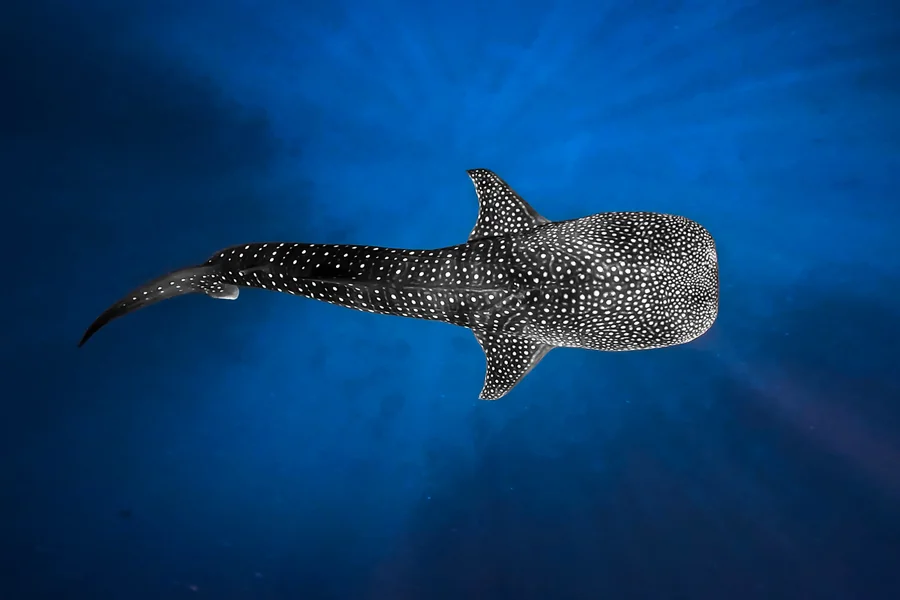
The whale shark is at the top of nearly every large fish list, and it is well deserving of the position. It’s the biggest fish alive today, period. But it primarily feeds on plankton and small fish. Despite the name and size, whale sharks are not a significant threat to divers, so much so that a few brave men and women fly across the globe just to see them swim beside.
Plans that stick with people are not necessarily plans that are large.The plans that stick with people are not necessarily the big plans. It’s calm. One would think that something this large would be intimidating. But nothing comes close to what divers have been saying: slow, curious, almost gentle.
Beluga Sturgeon: A Fish That Predates History
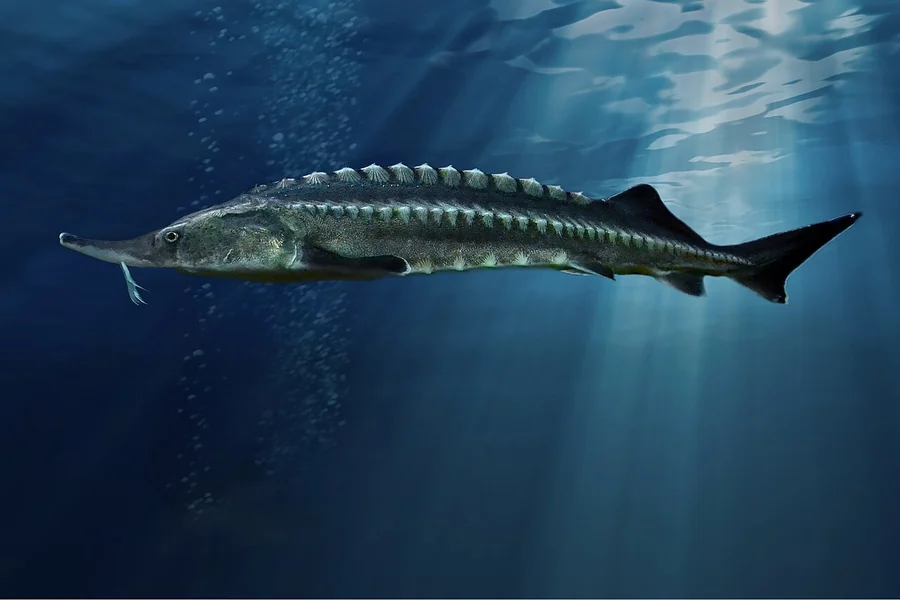
The beluga sturgeon is a long-lived animal that has inhabited the Caspian Sea since before anyone recorded it. It may live for 100 years or more, and here is the crazy part; it continues to grow all the time. Most fish reach their maximum level of maturity. Sturgeon just… don’t. They grow in size each year, each decade.
Sadly it is now a critically endangered monster giant fish & the biggest fish caught. The wild population was decimated over the years due to caviar fishing. There is a group of a few conservationists who are trying to change that, but it is a slow process.
Mekong Giant Catfish: Southeast Asia’s River Legend
Looking for a true monster fish tale? Go to the Mekong river. A grown man and a half can be outweighed by this catfish. Over 600-pound specimens have been retrieved by fishermen, and scientists believe the fish may grow even larger if conditions are favorable.
It is also one of the most threatened big freshwater fishes in the world. The river was transformed by dams. It was overfishing that did the rest. The number has greatly reduced over the past few decades.
Alligator Gar: The Fish That Looks Like a Dinosaur
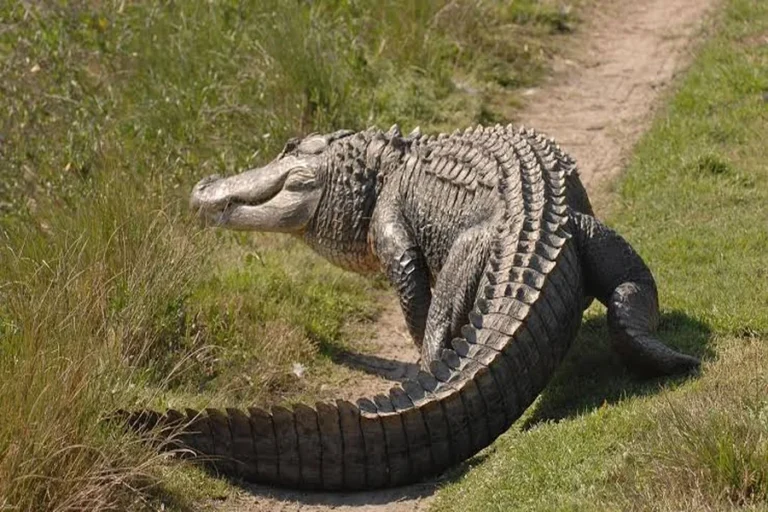
The alligator gar appears to have stepped out of a zoo. Long snout, rows of sharp teeth, and was more of a small alligator than a fish. You’ll mostly find it in the southern U.S., especially Texas and Louisiana.
There’s an interesting fact: alligator gar can take breaths of oxygen at the surface of the water that would otherwise be insufficient for most fish. It’s that one characteristic that may be responsible for the species’ minimal evolution over millions of years.
Ocean Sunfish: Massive but Harmless
The ocean sunfish or Mola mola is rather odd even by the standards of giant fish. Flat. Round. Has a weight of 1/2-tonne, approximately equal to that of a small car. It seems incapable of locomotion, but it’s harmless to humans and primarily feeds on jellyfish.
Frequently, divers make the same comment when they encounter one for the first time: It’s not real. The shape does not necessarily imply that it can swim. It does, and it seems like it does well enough to live out decades in the open ocean.
Wels Catfish: Europe’s Hidden Giant
The wels catfish holds the record as Europe’s largest freshwater fish. It tends to hide in slow rivers and lakes, often tucked near dams or deep pools where nobody’s looking. Anglers who chase this fish specifically can wait years before landing one over 200 pounds.
You’ll find stories online about wels catfish attacking swimmers. Confirmed cases, though? Extremely rare. Most of that reputation comes from myth, not actual behavior.
Why Do Some Fish Get This Big?
A handful of factors explain why one species turns into a monster giant fish while a close relative stays small its whole life.
- They never stop growing. Sturgeon, some catfish, they just keep adding size as long as they’re alive.
- Better water conditions. Cold, deep, nutrient-rich water tends to support bigger bodies over time.
- Long lifespans. More years alive usually means more years of growth, especially in slow-metabolism species.
- Almost nothing hunts them. Once a fish reaches a certain size, predators mostly leave it alone. That safety window lets it keep growing.
Where Do People Actually Find Monster Giant Fish?
Certain rivers and coastlines have earned a reputation as hotspots.
| Location | Known For |
| Mekong River, Southeast Asia | Giant catfish, giant stingrays |
| Caspian Sea | Beluga sturgeon |
| Amazon River | Arapaima, giant catfish |
| Gulf Coast, USA | Alligator gar |
| Danube River, Europe | Wels catfish |
| Open ocean, worldwide | Whale sharks, ocean sunfish |
Are These Fish Actually Dangerous?
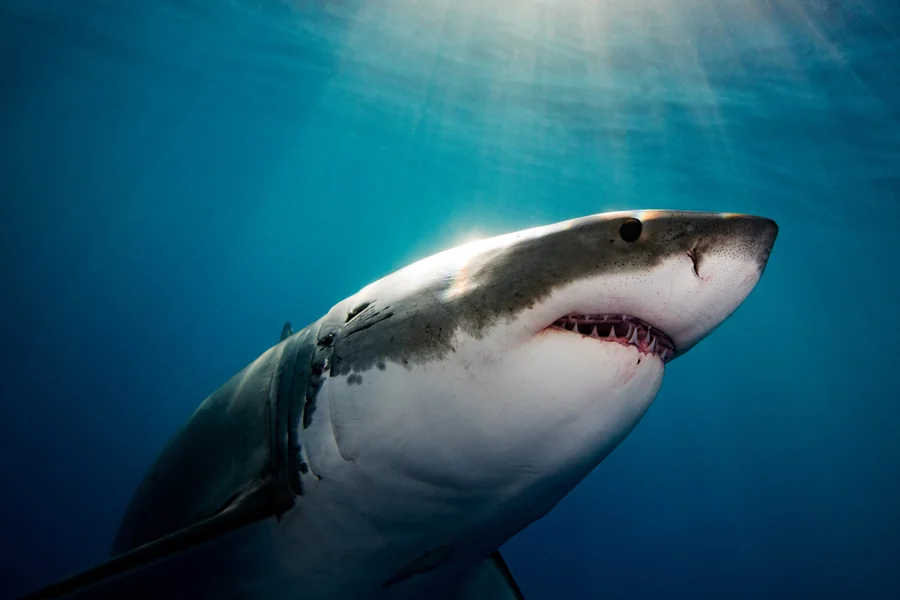
Mostly, no. Almost every species on this list avoids people entirely and has zero interest in attacking anyone. A few, like the great white shark, can be dangerous in the right (or wrong) conditions. But even then, attacks are rare when you consider how many people swim in shark waters every single day.
If anything, the danger runs the other direction. Plenty of these fish are endangered because of us, not the other way around.
What’s the Biggest Monster Giant Fish Ever Recorded?
The whale shark. Confirmed lengths over 60 feet, weights above 40,000 pounds. Nothing else on this list comes close. It’s still the largest fish species alive today.
Final Thought
A monster giant fish is more than just a number on a record board. It’s proof that huge, ancient creatures are still out there, swimming in the same waters we fish, swim, and boat in every day. Some are gentle. Some are running out of time. All of them deserve a second look. Next time you’re near open water, it’s worth remembering — something bigger than you might be a lot closer than you think.
FAQs:
What is considered a monster giant fish?
Generally, a fish weighing over 200 pounds that stands out as unusually large compared to typical members of its species.
What’s the largest freshwater giant fish in the world?
The Mekong giant catfish and beluga sturgeon top most lists, with some individuals topping 600 pounds.
Can a monster giant fish hurt swimmers?
Rarely. Most species are completely harmless. Great white sharks are the main exception, and even then, attacks stay uncommon.
Where can you actually see one in person?
Whale shark tours run in places like the Philippines, Mexico, and Australia. Alligator gar shows up regularly in southern U.S. rivers and lakes.
Why do some fish grow so much bigger than others?
Fish that never stop growing, live in nutrient-rich water, and face few predators tend to reach the biggest sizes over time.