Is German Chamomile a Perennial? What’s Really Going On Every Spring
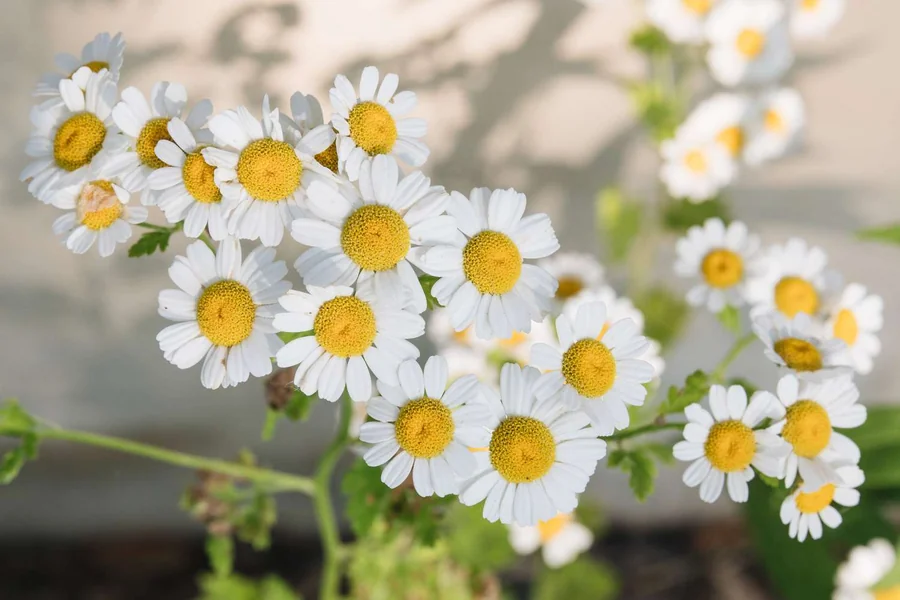
Is German chamomile a perennial? The answer is: No, German chamomile is not a perennial. It’s an annual event. Grows, blooms, drops seed, and dies within one season. But there are still many gardeners who will claim theirs “comes back every year” — and, well, they’re not entirely incorrect either! It’s not coming back as they think. But if you’ve seeded German chamomile and then seen a new patch reappear the next spring without doing anything to it, then that’s not a perennial habit. Self-seeding is self-seeding.
Let’s explain what is happening.
Is German Chamomile a Perennial or an Annual?
The whole life cycle of German chamomile (Matricaria chamomilla, also known as Matricaria recutita) can be completed within a single year. The plant dies after producing seed, which germinates into a plant, which produces flower(s) and seed(s), which germinates into a plant which dies again. There is no residual effect from the root system the following year.
Therefore, when asked is German chamomile a perennial, the answer remains: no. It is not like lavender or thyme which retain their roots from year to year. German chamomile begins its life cycle from the ground up each and every year, despite the absence of notice.
However, do not put it on the back burner due to this. German chamomile is one of the most self-sowing plants. It will continue to reappear in your garden for years after it has established itself without you having to replant anything.
Why So Many People Assume It’s a Perennial
This confusion is common, and there’s a good reason for it.
- It seems crazy. One plant can scatter hundreds of seeds before it dies back. Those seeds sit in the soil and sprout the next spring, often in almost the same spot as before.
- Visually, nothing looks different. A returning patch of self-seeded chamomile looks identical to a perennial that just survived the cold.
- The name overlaps with an actual perennial. Roman chamomile (Chamaemelum nobile) really is perennial. Since both plants are called “chamomile,” people assume they act the same way. They don’t, not even close.
Once you know what’s going on underneath, the mix-up makes a lot more sense.
German Chamomile vs Roman Chamomile
Here’s where the confusion usually starts, so it helps to see them side by side.
| Feature | German Chamomile | Roman Chamomile |
| Life cycle | Annual | Perennial |
| Botanical name | Matricaria chamomilla | Chamaemelum nobile |
| Growth habit | Upright, bushy | Low and spreading |
| Height | 1–2 feet | 3–12 inches |
| Returns each year via | Self-seeding | Living roots |
| Typical use | Tea, essential oil | Ground cover, tea |
| Scent | Sweet, apple-like | Similar, usually softer |
If your plant dies back completely and fresh sprouts show up from seed in spring, you’re dealing with German chamomile doing exactly what it’s built to do.
Read Also: Ethan Yellowstone
How German Chamomile “Comes Back” Without Being a Perennial
This is the part that clicks once you understand it. German chamomile isn’t a perennial, but through self-seeding, it can act like one in your garden for years at a stretch.
Here’s the cycle in order:
- The plant flowers from late spring into summer.
- Flowers mature and produce seed.
- Seed drops onto the soil right below the plant.
- The original plant wraps up its life and dies.
- Seed sits dormant through winter.
- Once soil warms in spring, seed germinates on its own.
- New plants come up in roughly the same area.
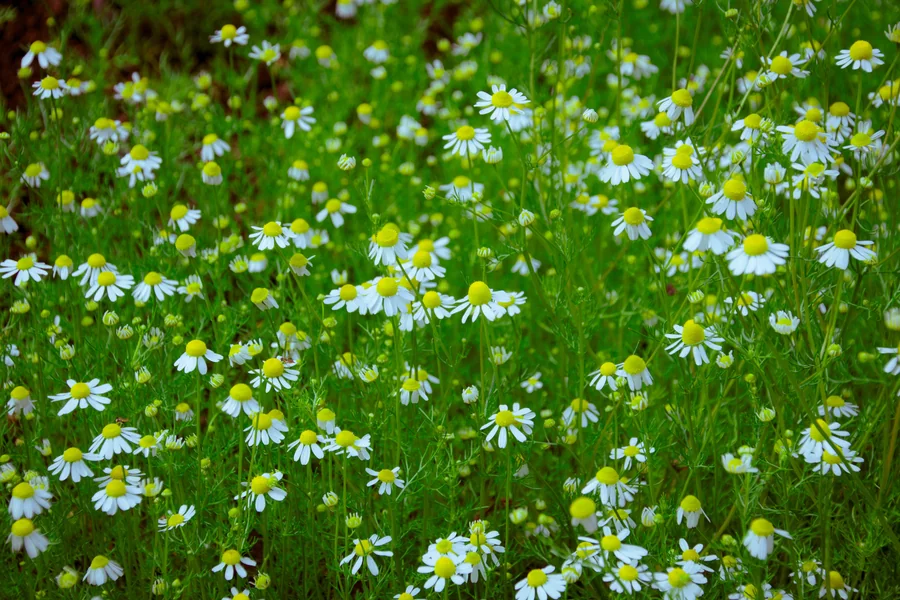
No replanting required. Some gardeners have had the same chamomile patch return five, six, even more years running, purely from seed that fell and waited.
How to Keep German Chamomile Coming Back Every Spring
Want that free return each year? A few small habits make a real difference.
Leave some flowers alone. Deadheading everything keeps things tidy, but let a portion of blooms go to seed late in the season. Those are the ones doing the work for next year.
Don’t pile on mulch in fall. A thick layer can bury seed too deep or block the light it needs to sprout.
Skip deep tilling in spring. Turning soil too aggressively pushes seed too far down. A light rake is plenty.
Water gently early on. New seedlings need steady moisture. One bad dry spell right after germination can take out a whole batch.
Thin crowded seedlings. Too many sprouts fighting for the same patch of soil means weaker plants and fewer blooms. Give them room.
Growing German Chamomile: Quick Facts
| Detail | Information |
| Plant type | Annual (self-seeding) |
| Sun | Full sun to partial shade |
| Soil | Well-drained, average fertility |
| Watering | Moderate, no soggy soil |
| Bloom time | Late spring through midsummer |
| Height | 1–2 feet |
| Hardiness zones | 2–8 (grown as an annual) |
| Best for | Tea gardens, pollinators, borders |
Short Answers
| Question | Short Answer |
| Is German chamomile a perennial or annual? | It’s an annual event. It finishes its cycle in one year but often self-seeds and returns the next spring. |
| Does German chamomile come back every year? | Yes, through self-seeding. The original plant dies, but its seed grows new plants the next season. |
| What’s the difference between German and Roman chamomile? | German chamomile is an upright annual. Roman chamomile is a low, spreading perennial. |
| Does German chamomile spread on its own? | Yes. It self-seeds easily and can spread across a bed within a few seasons if left alone. |
| Can I grow German chamomile indoors year-round? | Not really. It still finishes its life cycle and dies within months, indoors or not. |
| Is German chamomile the one used for tea? | Yes. It’s the variety most commonly dried for chamomile tea. |
| How long does German chamomile live? | About one season, roughly 3 to 4 months from sprout to seed drop. |
Should You Still Plant It?
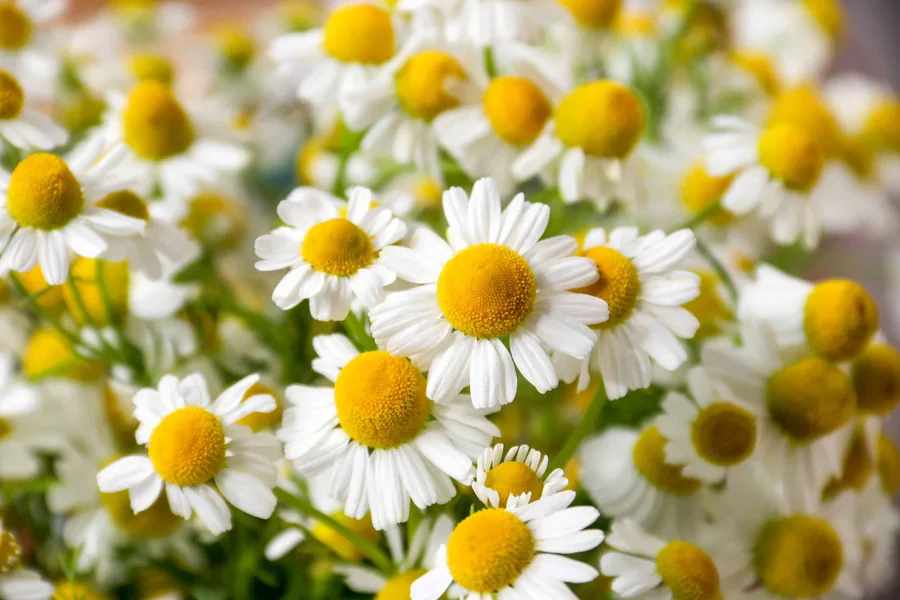
Yes, without question. Don’t be frightened off by the fact that German chamomile is not a perennial plant. Allow it to self-seed, and it is not a true species but will act as a low-effort perennial. New plants each spring, new flowers each summer, lots of chamomile to dry or make tea with and the bees love it as well.
How does that compare to true perennials that need dividing, winter protection or even some regular pruning? German chamomile is not that kind of chamomile. It automatically resets without needing to be done.
Read Also: Taylor Swift Cats Names
Final Words
So, Is German Chamomile a Perennial?
No. It is an annual that lives for one season and then dies. It self-sows well and produces new plants in the spring each year, hence the feeling of a perennial.
For a real chamomile, try Roman chamomile. However, if a plant that will reseed itself year after year and requires very little care sounds like your cup of tea, German chamomile is a good choice.
FAQs:
Is German chamomile a perennial or annual?
It’s an annual event. It completes its full cycle in one year.
Does German chamomile come back every year?
Yes, through self-seeding, not through surviving winter as a perennial.
What’s the difference between German and Roman chamomile?
German chamomile is annual and upright. Roman chamomile is perennial and low-growing.
Does German chamomile spread on its own?
Yes, it self-seeds easily and spreads across garden beds over time.
Can I grow German chamomile indoors year-round?
Not really. It still completes its life cycle and dies within months.
Is German chamomile the one used for tea?
Yes, it’s the most common variety dried for chamomile tea.
How long does German chamomile live?
About one growing season, roughly 3 to 4 months total.
Will German chamomile survive winter?
No, the plant dies. Only its dropped seeds survive to sprout in spring.
Do I need to replant German chamomile every year?
No, if you let it go to seed, it replants itself.