
Life Expectancy for Poodles: The Surprising Truth Most Owners Learn Too Late
If you share your home with a Poodle, one question probably crosses your mind more often than you’d like to admit. How many years do we actually get together? The life expectancy for Poodles is one of the best among all dog breeds, and that’s not just breeder talk. The numbers back it up. Toy Poodles often reach 16 years. Some push past 18. Even Standard Poodles, the largest of the three, regularly outlive most breeds their size.
But here’s the part that matters. Lifespan isn’t fixed. The choices you make today can add years to your dog‘s life or quietly take them away.
This guide breaks down the real numbers, what shortens a Poodle’s life & what you can do about it right now.
How Long Do Poodles Live?
On average, poodles live between 12 and 18 years. The longest living of all the poodle breeds is the toy poodle that can live from 14 to 18 years. Next in line comes the miniature poodle, which can have a lifespan of up to 13-16 years, followed by the standard breed with a lifespan of 12-15 years.
This is the summary of poodle life spans. Now we’ll find out more about the details behind these figures.
Poodle Lifespan by Size: The Complete Chart
Not all Poodles age the same way. The breed comes in three official sizes, and each one follows a different clock.
| Poodle Type | Average Lifespan | Weight Range | Human Age at 10 Years |
| Toy Poodle | 14–18 years | 4–6 lbs | ~56 years |
| Miniature Poodle | 13–16 years | 10–15 lbs | ~58 years |
| Standard Poodle | 12–15 years | 40–70 lbs | ~64 years |
Do you see the trend here? It defies what we find in the natural world where elephants live longer than mice, and whales live even longer. With dogs, however, the trend is reversed; small dogs tend to age slowly while larger dogs age much faster. Researchers say that rapid cell growth among large dogs causes them to age faster. The case is no exception for standard poodles.
Still, even a Standard Poodle’s 12 to 15 years beats most large breeds. Great Danes average 8 to 10. Bernese Mountain Dogs often don’t see 9. By comparison, your Standard Poodle is built for the long haul.
This is also why crossing the two breeds appeals to so many families, since well-bred Bernedoodle Puppies can inherit the Bernese Mountain Dog’s gentle nature along with the Poodle’s healthier, longer-lived genetics, often meaning more good years together.
Why Do Poodles Live So Long?
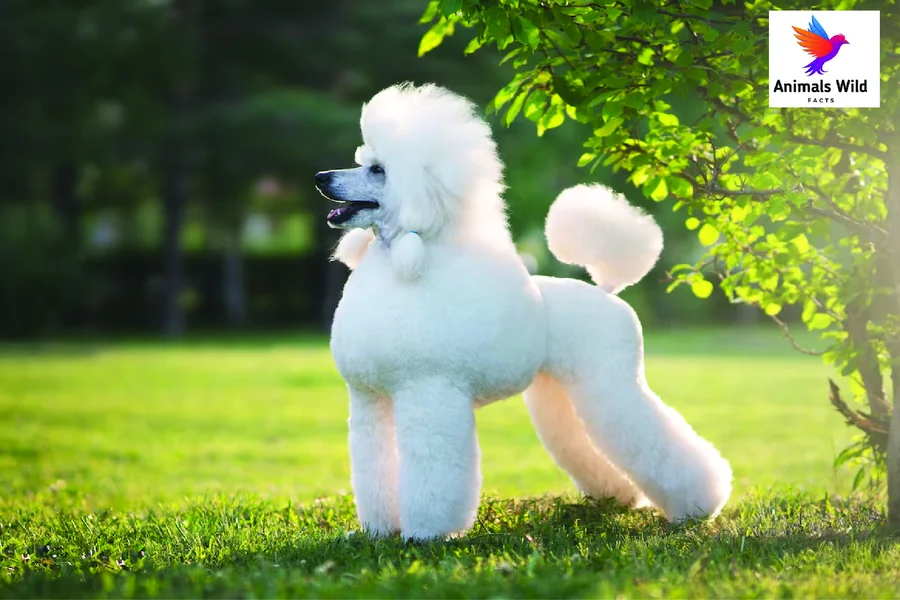
The life expectancy for Poodles didn’t happen by accident. Several factors work in this breed’s favor.
1. Genetics and Careful Breeding
Over the centuries, poodles have been bred with great focus on working ability and good health. Good modern breeders test their breeding stock for hip dysplasia, eye problems and genetic diseases. That screening helps to prevent many inherited diseases spreading into the next generation.
2. Athletic Build
Before Poodles were show dogs, they were water retrievers! History left them with thin muscles, good joints, and efficient hearts. Dogs that are bred for work are healthier than dogs that are bred for looks.
3. High Intelligence
This one is an unexpected surprise! Smart dogs are easier to train, which results in fewer accidents, less stress and better cooperation during a vet visit. Mental stimulation is another factor that helps to keep aging brains sharp. An unengaged dog will eat less than an engaged dog.
4. Low-Shedding Coat
This is actually a hidden good thing about a Poodle – they require grooming for their curly coat. If owners are grooming regularly, they will notice lumps early, skin problems, and weight changes. The earlier, the better.
Common Health Problems That Shorten a Poodle’s Life
Even a long-lived breed has weak spots. Knowing them helps you catch trouble before it becomes serious.
| Health Condition | Most Affected Size | Warning Signs |
| Addison’s disease | Standard | Lethargy, vomiting, weight loss |
| Bloat (GDV) | Standard | Swollen belly, retching, restlessness |
| Luxating patella | Toy, Miniature | Skipping steps, limping |
| Progressive retinal atrophy | All sizes | Night blindness, bumping into objects |
| Dental disease | Toy, Miniature | Bad breath, red gums, tooth loss |
| Epilepsy | All sizes | Seizures, confusion |
| Hip dysplasia | Standard | Stiffness, trouble rising |
If you have a Standard Poodle, bloat should be of high priority, as it kills within a few hours. Since deep-chested dogs like poodles are prone to bloat, it will be important for you to familiarize yourself with its symptoms and discuss how you can prevent bloat with your veterinarian, who will advise you on reducing portion sizes, avoiding rigorous physical activity after eating.
When it comes to toy and miniature poodles, tooth decay is something that you need to be careful about. The reason for this is because of small oral cavities, which result in crowded teeth and bacteria, which, in turn, do not just affect the oral health of the dog but its heart and kidneys as well. Brushing your pet daily is inexpensive and prolongs its life.

7 Proven Ways to Extend the Life Expectancy for Poodles
Genetics are out of hand. You can control virtually all other things. This is where you’ll reap the greatest rewards for your efforts.
1. Keep Your Poodle Lean
Preventable health issues in dogs include obesity, which is the most prevalent problem. The study of Labrador Retrievers found that those dogs that fit into a leaner weight range lived almost two years longer than those that were heavier. Two years. The ribs should not be pressed down and should be felt with a very light touch on the Poodle. If so, it’s time to make proportion changes.
2. Schedule Twice-Yearly Vet Visits After Age 7
Dogs age fast. A yearly examination of a senior Poodle is comparable to a yearly physical examination for an older person. Kidney disease, heart murmurs and tumors are captured twice a year, while they are treatable.
3. Brush Those Teeth
Brush at least once a day. If that is not possible, 3 times a week will make a difference anyway. Dental chews and yearly dental cleanings, and you’ve taken one of the largest risks out of the way for little Poodles.
4. Feed Quality Food in Measured Portions
Skip the guesswork. Measure every meal. Select a food that is AAFCO approved and appropriate for your dog’s life stage. No matter how convincing those eyes are, treats must not account for more than 10% of calories.
5. Exercise Daily, but Match It to Size
Normal Poodles require 60 minutes or more of actual exercise daily. Toys and Miniatures need 30-45 minutes of walking and playing. Older Poodles can benefit from swimming as a much better exercise regime than it is for joints, whilst providing a workout for the heart.
6. Challenge the Brain
Puzzle feeders, training, scent games, new walking routes. Poodles are second best in the intelligence tests of canines and that brain needs work. The faster your dog starts to forget, the faster he becomes physically impaired, so keep him thinking.
7. Spay or Neuter at the Right Time
Statistically, dogs that are spayed and neutered live longer, in part because of benefits in terms of cancer prevention, and in part because they don’t roam as extensively as do intact dogs. However, the timing is important and early surgery can impact joint formation in Standard Poodles. Talk to your vet, don’t use an age cutoff.
Read Also: Archaeospheniscus Wimani

Poodle Life Stages: What to Expect
Understanding the stages helps you adjust care as your dog ages.
Puppy (0–1 year): Rapid growth, vaccinations, socialization. Standard Poodles keep growing until 18 to 24 months.
Adult (1–7 years): Peak health years. Build habits now. Weight control and dental care during this stage set up the senior years.
Senior (7+ years for Standards, 9+ for Toys and Minis): Slower walks, more naps, possible gray muzzle. Switch to senior food, add joint support if your vet recommends it, and increase checkup frequency.
Many Toy Poodles act like puppies well into their teens. Don’t assume age based on energy alone. The changes happening inside don’t always show on the outside.
Read Also: Dog Peeing On Bed
What’s the Oldest Poodle on Record?
Seamus, a Toy Poodle, reportedly died at 20 years of age, while another called Uncle Chichi had an estimated life span ranging from 24 to 26 years. The exact date of birth of Uncle Chichi could not be determined. Such cases of longevity may seem extraordinary, but they do happen with a healthy gene pool and proper care. It is perfectly reasonable to expect 18 years from a Toy Poodle.
Final Thoughts
The life expectancy for Poodles gives you something most dog owners only wish for. More time. If you take a Toy Poodle home at the age of one, he will share your life and be there through all the changes, both career and otherwise, that you go through. These are not promises, though; they have to be worked for by eating right, having clean teeth, getting checkups, and staying active.
Do it now. Take your dog’s weight next week. Schedule his dental cleaning. Walk ten minutes extra today. It will all give you more mornings spent petting his head while he sits in your lap. What else is there?
FAQs:
What is the average life expectancy for Poodles?
Poodles live 12 to 18 years on average. Toy Poodles live 14 to 18 years, Miniature Poodles 13 to 16 years, and Standard Poodles 12 to 15 years.
Which Poodle size lives the longest?
Toy Poodles live the longest, averaging 14 to 18 years. Their small size slows the aging process compared to larger Poodles.
Can Poodles live up to 20 years?
Yes, though it’s rare. Some Toy Poodles have reached 20 or more with excellent genetics, lean weight, and consistent veterinary care.
What do Poodles usually die from?
Common causes include heart disease, cancer, bloat in Standard Poodles, and kidney failure in seniors. Dental disease also contributes to organ damage in smaller Poodles.
How can I help my Poodle live longer?
Keep your Poodle lean, brush teeth daily, exercise every day, schedule twice-yearly senior vet visits, and provide regular mental stimulation.
Do Poodles live longer than other dog breeds?
Yes. Poodles outlive most breeds. The average dog lives 10 to 13 years, while Poodles regularly reach 14 to 18 depending on size.