Fluke vs Flounder: The Surprising Difference Most Seafood Lovers Miss
If you’ve compared fluke vs flounder you’ve probably noticed that the two names are used interchangeably. This only causes problems for anglers, seafood purchasers and restaurant consumers. A fluke is a type of flounder but there are significant differences in appearance, habitat, size and flavor.
It is important to differentiate between fluke and flounder if you are a fisherman, cook or anyone who is interested in the food they are about to consume. It’s a guide that explains in a very practical and simple manner.
What Is a Fluke?
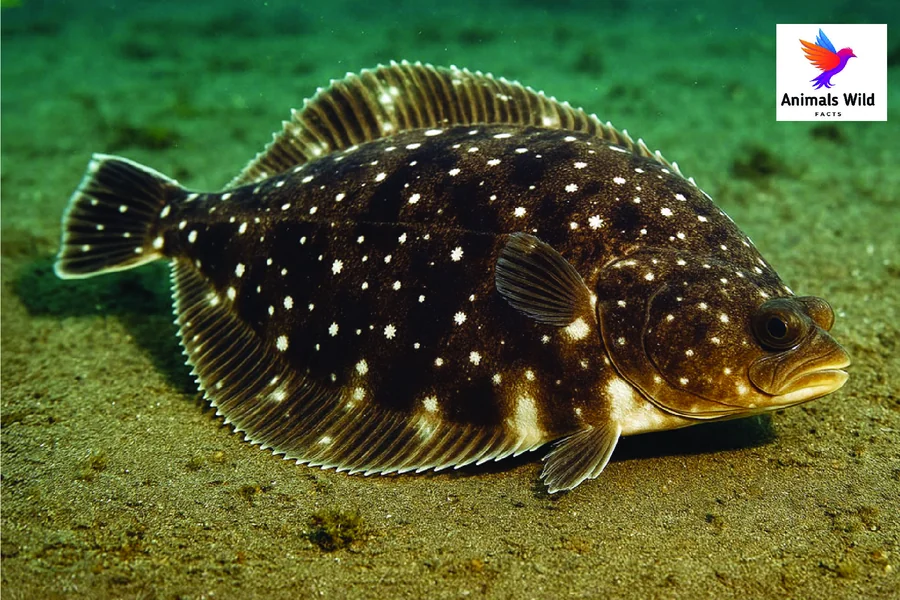
The summer flounder is the term used for a fluke. A flatfish that is mostly found along the Atlantic coast of the United States. The fluke is a favorite target of anglers as it is a big fish that is a tough fight on the hook.
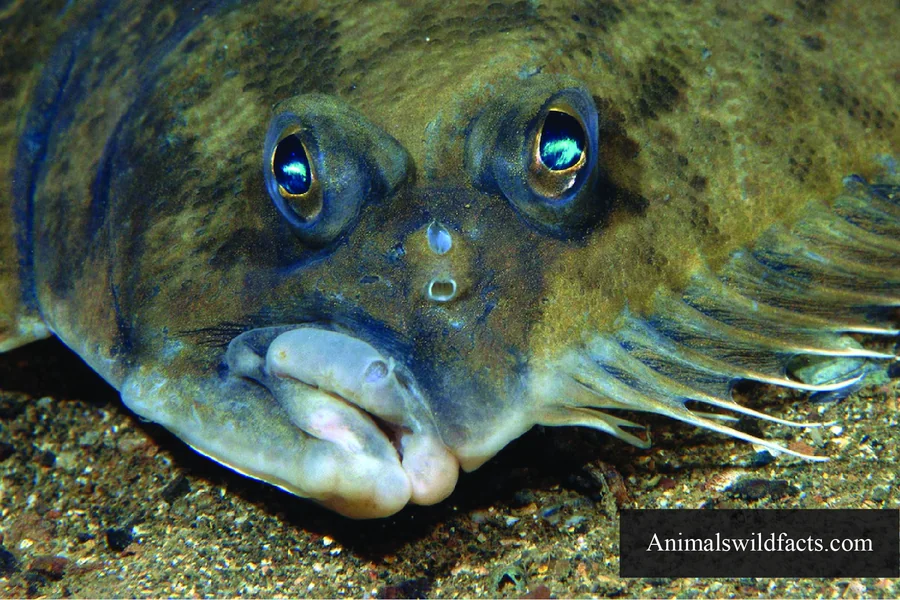
Flukes live for the majority of their lives close to the ocean floor. They have a flattened body which allows them to camouflage themselves into the sand and mud when they are waiting for prey.
Main Features of a Fluke
- Long body shape
- Large mouth with sharp teeth
- Brown or olive coloring
- Both eyes located on the left side
- Aggressive feeding behavior
Flukes are predators. They eat smaller fish, squid, shrimp, and crustaceans.
What Is a Flounder?
Flounder describes several species of flatfish. These fish belong to different families but have similar traits.
Flounders are known for their flat bodies and sideways swimming style. They look like normal fish. During development one eye migrates to the other side of the head. This allows them to live flat against the seafloor.
Common Types of Flounder
Some popular flounder species include:
- Summer flounder
- Southern flounder
- Winter flounder
- Gulf flounder
- European flounder
This is why the fluke vs flounder comparison can be confusing. A fluke is simply one member of the larger flounder family.
Read Also: Male Vs Female Axolotl
Fluke vs Flounder: Quick Answer
Here is the short answer many readers look for:
| Feature | Fluke | Flounder |
| Scientific Group | A specific type of flatfish | Broad group of flatfish |
| Common Species | Summer flounder | Multiple species |
| Body Shape | More elongated | More rounded |
| Teeth | Sharp and visible | Smaller and less noticeable |
| Habitat | Atlantic coast | Oceans worldwide |
| Taste | Mild and slightly sweet | Mild and delicate |
| Average Size | Usually larger | Varies by species |
| Popular Use | Sport fishing and seafood markets | Commercial seafood and home cooking |
The biggest point in the fluke vs flounder debate is simple: all fluke are flounder, but not all flounder are fluke.
Fluke vs Flounder Identification
One of the most common questions is how to tell them apart.
Body Shape
Flukes usually have a stretched and elongated body. Many other flounders appear rounder and wider.
Teeth
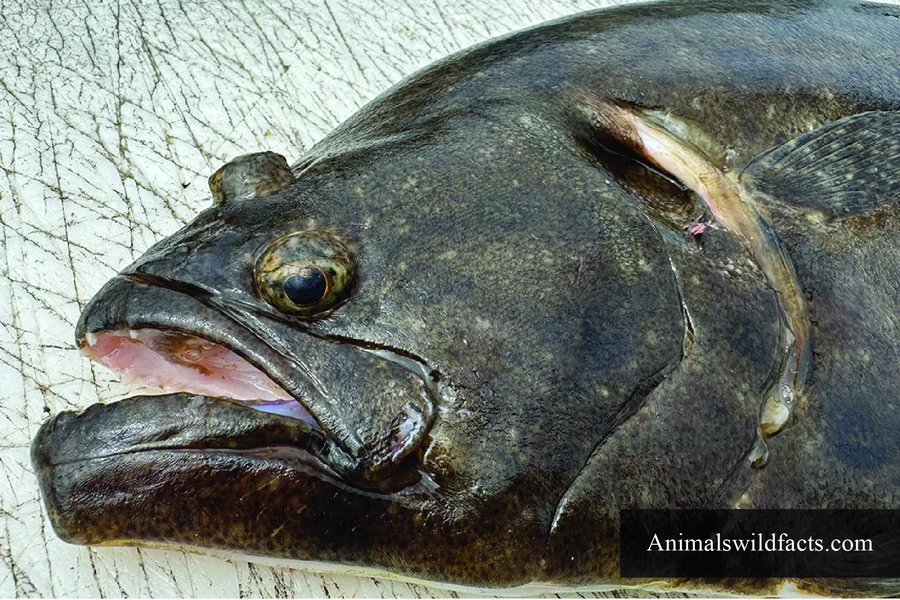
Flukes have stronger jaws and sharper teeth because they actively hunt fish. Many flounder species feed on smaller bottom creatures and have less noticeable teeth.
Spots and Coloring
Flukes often show eye-like spots across the body. Other flounders may have plain coloring or lighter patterns.
Eye Position
Most flukes are left-eyed flatfish. Some flounder species are right-eyed.
Fluke vs Flounder Size Comparison
Size is another major difference.
| Fish Type | Average Length | Average Weight |
| Fluke | 15–26 inches | 2–8 pounds |
| Southern Flounder | 12–24 inches | 1–5 pounds |
| Winter Flounder | 10–18 inches | Under 3 pounds |
Large flukes can exceed 10 pounds in some Atlantic waters. That makes them highly valued among recreational anglers.
Fluke vs Flounder Habitat
Both fish prefer bottom environments but their ranges differ.
Where Fluke Live
Flukes are mostly found along the eastern coast of North America.
Common Areas
- New Jersey
- New York
- Massachusetts
- North Carolina
They migrate seasonally between shallow coastal waters and deeper offshore areas.
Where Flounder Live
Flounders exist across the world.
Common Habitats
- Atlantic Ocean
- Pacific Ocean
- Gulf of Mexico
- Coastal bays
- Estuaries
Some species tolerate freshwater better than others.
Fluke vs Flounder Taste
Seafood lovers often ask whether fluke tastes different from regular flounder.
Fluke Taste
Fluke has:
- Mild flavor
- Slight sweetness
- Firm texture
- Lean meat
It works well grilled, baked, or fried.
Flounder Taste
Flounder generally has:
- Delicate flavor
- Softer texture
- Light white meat
- Mild fish profile
Many people who dislike strong seafood flavors enjoy flounder because it tastes clean and light.
Which Tastes Better?
Taste depends on personal preference.
| Preference | Better Choice |
| Firmer texture | Fluke |
| Delicate texture | Flounder |
| Mild sweetness | Fluke |
| Light seafood flavor | Flounder |
Fluke is often considered more flavorful because of its firmer meat and active feeding habits.
Nutritional Comparison
Both fish are healthy protein sources.
| Nutrient | Fluke | Flounder |
| Calories | Low | Low |
| Protein | High | High |
| Fat | Low | Low |
| Omega-3 | Moderate | Moderate |
| Mercury | Generally low | Generally low |
These fish fit well into balanced diets.
Why Are Fluke and Flounder Confused?
The confusion happens for several reasons.
Similar Appearance
Both fish are flat and bottom-dwelling.
Shared Family
Fluke belongs to the flounder category.
Seafood Labeling
Restaurants and fish markets sometimes use the names loosely.
Regional Names
Different coastal areas use different common names.
For example:
- In the Northeast US many anglers say “fluke”
- In other regions people may simply say “flounder”
How to Catch Fluke
Fluke fishing is popular along the Atlantic coast.
Best Baits
- Squid strips
- Minnows
- Bucktail jigs
- Soft plastic lures
Best Season
Summer is peak fluke season because the fish move closer to shore.
Fishing Technique
Anglers often drift above sand beds when bouncing their bait on the bottom.
The fluke is an aggressive fish when compared with most other flounders.
How to Catch Flounder
Flounder fishing techniques vary by species.
Popular Methods
- Bottom rigs
- Live bait
- Slow jigging
- Dock fishing
Flounders often wait motionless before attacking prey.
Cooking Fluke vs Flounder
Both fish cook quickly and pair well with simple ingredients.
Best Ways to Cook Fluke
- Grilled
- Pan-seared
- Blackened
- Broiled
Its firmer texture holds together well.
Best Ways to Cook Flounder
- Fried
- Baked
- Stuffed
- Lemon butter preparation
Because flounder fillets are thinner they can break apart more easily.
Fluke vs Flounder Fillet Texture
Texture matters in seafood dishes.
| Texture Feature | Fluke | Flounder |
| Firmness | Medium-firm | Soft |
| Flakiness | Moderate | High |
| Moisture | Moderate | High |
Chefs often prefer fluke for recipes requiring sturdier fillets.
Commercial Importance
Both fish support major fishing industries.
Fluke Market Value
Fluke often sells at higher prices because:
- It reaches larger sizes
- It is popular with sport anglers
- The fillets are thicker
Flounder Market Value
Flounder remains common in seafood markets because many species are commercially harvested.
Are Fluke and Flounder Healthy?
Yes. Both the fishes contain protein without much saturated fat.
Health Benefits
- Muscle-building properties
- Calorie-restricted seafood
- Vitamins and minerals content
- Omega-3 fatty acids
Both types of fishes suit heart-friendly diets.
Fluke vs Flounder Appearance Chart
| Trait | Fluke | Flounder |
| Shape | Elongated | Rounder |
| Mouth | Larger | Smaller |
| Teeth | Sharp | Less visible |
| Texture | Firmer | Softer |
| Color | Olive-brown with spots | Varies widely |
| Predator Style | Aggressive hunter | Ambush feeder |
Which Fish Is Better for Beginners?
For eating:
- Flounder is easier for people who prefer soft and mild seafood.
For fishing:
- Fluke offers more excitement because it fights harder.
Read More: Quiet Animals in the World
Common Myths About Fluke vs Flounder
Myth #1: Totally Different Fish
No, Fluke is just a kind of flounder.
Myth #2: They All Look Alike
No, they vary in appearance.
Myth #3: Fluke Will Taste Better Every Time
The flavor will depend on how you cook it.
Myth #4: Flounders Can’t Swim
They can indeed swim quite well.
Fluke vs Flounder in Restaurants
Menus sometimes use the terms loosely.
A restaurant may list:
- Flounder sandwich
- Fluke sashimi
- Fried flounder platter
Some dishes specifically use fluke because its texture works better raw or lightly cooked.
Is Fluke Good for Sushi?
Yes. Fluke is widely used in sushi.
Its clean flavor and firm texture make it popular for:
- Nigiri
- Sashimi
- Crudo
Many sushi chefs value fluke for its balance of softness and structure.
Environmental and Sustainability Concerns
Fishing rules help protect populations.
Regulations May Include
- Size limits
- Catch limits
- Seasonal closures
These rules vary by location and species.
Consumers looking for sustainable seafood should check regional seafood guides.
Fun Facts About Fluke and Flounder
- Flatfish begin life swimming upright like normal fish
- One eye moves during development
- Fluke can camouflage against sandy bottoms
- Some flounders change color slightly to match surroundings
- Large fluke are sometimes called “doormats” by anglers
Fluke vs Flounder: Which One Should You Choose?
Choose fluke if you want:
- Firmer meat
- Stronger fish flavor
- Better sport fishing action
Choose flounder if you want:
- Softer texture
- Mild seafood taste
- Thin fillets for quick cooking
Both are versatile and healthy seafood options.
Final Thoughts
The fluke vs flounder distinction gets much simpler if only you remember the general principle: fluke is just a particular type of flounder. Following this simple principle, it remains to compare taste, texture, habitat, and size.
Fluke appears harder, larger, and more predatory compared to the average flounder. Flounders represent numerous species of soft fish that are characterized by rather bland taste. No wonder why both fishes enjoy popularity among seafood consumers and fishermen.
It will become significantly easier to make a choice when buying seafood or fishing on the shore if you understand the distinction between fluke and flounder.
FAQs:
Is fluke the same as flounder?
No. Fluke is a specific type of flounder called summer flounder.
Do fluke and flounder taste the same?
Many people prefer fluke because it has firmer meat and slightly richer flavor. Others prefer the softer texture of flounder.
Why is fluke more expensive?
Fluke often costs more because it grows larger and produces thicker fillets.
Can you substitute fluke for flounder in recipes?
Yes. They have similar flavor profiles and can usually replace each other in seafood dishes.
Is fluke a good fish to eat?
Yes. Its mild taste makes it approachable for people new to seafood.
What is the biggest difference in fluke vs flounder?
The biggest difference is that fluke refers specifically to summer flounder while flounder is a broad category of flatfish species.